
From Small Steps to a National Stage: Special Olympics Team Prepares for Birmingham
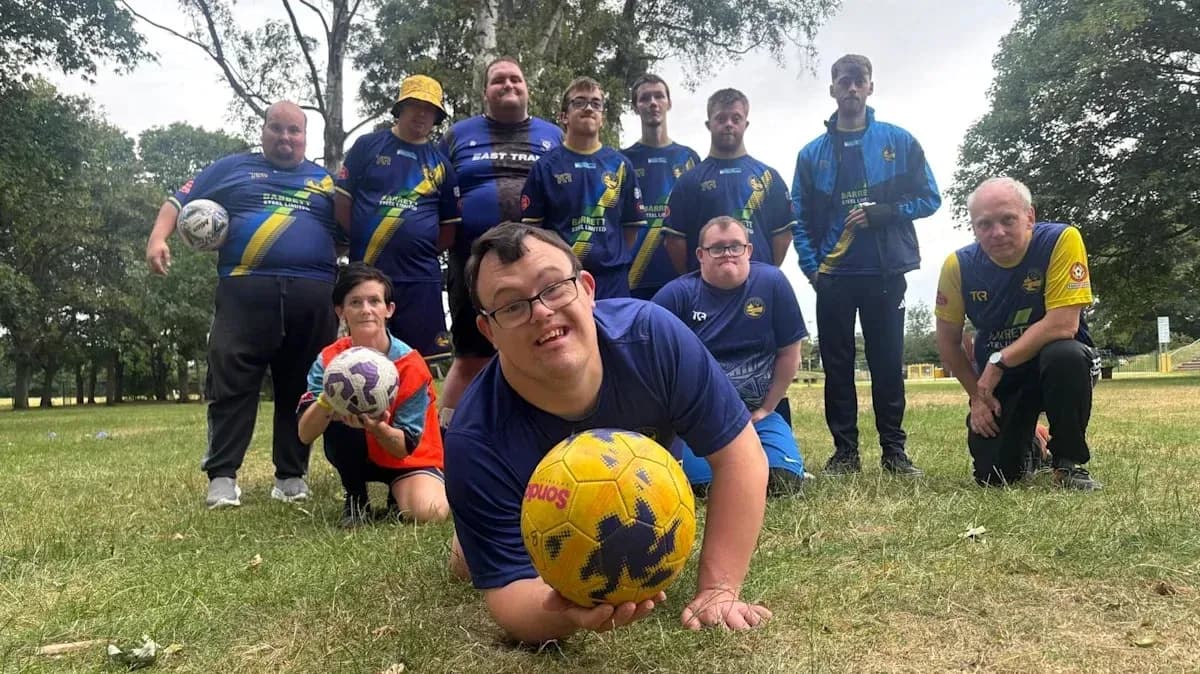
On a hot July evening in Scunthorpe, as England chase a World Cup final in New York, another team with its own golden dream is grinding through drills in the shade of Central Park’s trees.
No TV gantries. No booming PA system. Just shouts, laughter, and the thud of footballs as a squad of players with intellectual disabilities sharpen their touch and their teamwork for the Special Olympics GB National Summer Games in Birmingham.
They wear their own colours now. They carry their own expectations.
From small steps to a national stage
This group began life at Bottesford Town Football Club as a team for young adults with Down's syndrome. Over the years it has grown, both in number and in scope, to welcome players with autism, ADHD and other learning disabilities. The pitch has stayed the same; the ambition has not.
When these players first came together more than eight years ago, the goals were modest: build confidence, make friends, learn the game. The changes were measured in tiny details — a louder voice in the huddle, a firmer pass, a braver tackle.
Now they are preparing to walk out at Alexander Stadium in Birmingham between 26 and 30 August, representing their club and their community on the biggest stage Special Olympics GB can offer.
They know what it takes to get close. The team claimed silver at the Special Olympics in 2017. This time, the talk is of going one better.
“I feel happy,” Jake says simply when asked about the prospect of competing again. He is not shy about his role. “I take corners,” he explains, before offering his own technique on how to “wrap” the ball into the net. His target for Birmingham is clear: two goals, and a gold medal.
Special Olympics GB estimates around 1.5 million people in Great Britain live with an intellectual or learning disability. Its mission is to open up year-round sporting opportunities, not just tournaments every few summers. For this group in Scunthorpe, that mission has become a weekly routine, a structure, and a purpose.
A mother’s push, a club’s embrace
Behind the bibs and cones sits a decade of persistence. Jake’s mum, Sue, has been with the team from the first session. She has driven the minibus, rattled the fundraising buckets, and watched her sons grow through football.
Her other son, Aiden, also has disabilities and is now learning to coach the team, folding his own experience into the next generation of sessions.
Sue remembers how it started: a simple request to Bottesford Town FC.
“My son Jake, he's got Down's syndrome and he loves playing football but struggled to play it mainstream,” she explains. “He found it too difficult and couldn't keep up with the team.”
So she asked the club to give Jake and his friends their own chance to play. Bottesford Town said yes — and then kept saying yes.
“For Jake to be able to play football was just such a big thing for him,” she says. “It's his passion. He loves football and he wanted to be able to play it.”
The impact has gone far beyond first touches and set-pieces. The players have learned to travel together, win together, lose together. They have built friendships that stretch beyond the touchline.
“When your child is born and you find out they have a disability, it's a complete unknown,” Sue says. “But my commitment was always that my boys would access as much as possible in their lives.”
Bottesford Town FC, she adds, have been “amazing”, opening up their facilities — the sports hall for training, the 4G pitch that allows them to play all year round. Those surfaces have become the canvas for a decade of progress.
Knockbacks, then a £10,000 mountain
The road to Birmingham has not been smooth.
The team were first accepted into the games in 2021, only to see the event cancelled as the Covid-19 pandemic shut down competitions and isolated players. For a group that thrives on routine and social contact, the impact was sharp.
“It set quite a few of them back. Jake was one of those who struggled,” Sue admits.
When the games returned, a new obstacle appeared: money. The “biggest challenge”, she says, was raising £10,000 to cover travel and accommodation for two teams to compete this summer. Training sessions were matched by fundraising drives, the push for fitness mirrored by the push to simply get there.
Manager Michael Potts has watched the intensity rise as Birmingham draws closer. The sessions are “ramping up”, he says, and the players are “excited”. The 4G surface has been a quiet ally, giving them a consistent place to train, pass and press without worrying about weather or winter mud.
With the squad now including players with a wider range of intellectual disabilities, the coaching team has had to adapt. Instructions are clearer, drills more tailored, support more individual. The aim is the same: give each player the tools to contribute.
A rock-solid defence and a goalkeeper’s warning
At one end of the pitch, Mason pulls on his gloves. He plays in goal and does not hesitate when asked to describe the back line in front of him: “rock solid”.
He has a word of advice for England’s men, whose own defensive performances are being dissected on screens across the country. They should “train hard”, he says, and the goalkeeper must focus on “throwing the ball out” properly. Distribution matters at every level.
Mason carries his own highlight reel into the games. At his last competition, he saved a penalty. That moment has fuelled his belief that he, too, can leave Birmingham with gold.
Alongside him, Taylor patrols the defence. He joined the team a decade ago and has grown with it. Training, he says, is going well. His message to others thinking about trying disability football is simple: train hard. His own prediction is bold — four goals.
The talk is not bravado. It is the language of players who have learned to set targets and chase them.
As the sun dips and the shadows stretch across Central Park, the session winds down. Balls are collected. Bibs are peeled off. The noise softens, but the focus does not.
Walking back through the park, one last glance catches a familiar scene: players lingering to chat, coaches offering a final word, parents watching from the side. Passion and professionalism, side by side, on a small patch of grass in North Lincolnshire.
The World Cup final will be played in New York on Sunday. The global spotlight will fall there. But in late August, under different lights at Alexander Stadium, another group will step out chasing their own version of glory.
When they return to this park, medals or not, how many of those dreams will have quietly turned into reality?
Related News
Ilia Topuria Accuses Justin Gaethje After UFC Defeat

Tyson Fury vs Anthony Joshua Fight Date and Venue Confirmed
Switzerland Calls Up In-Form Sion Striker Winsley Boteli for Nations League
Bournemouth Secures Historic 2-1 Win Over Real Sociedad in Spain
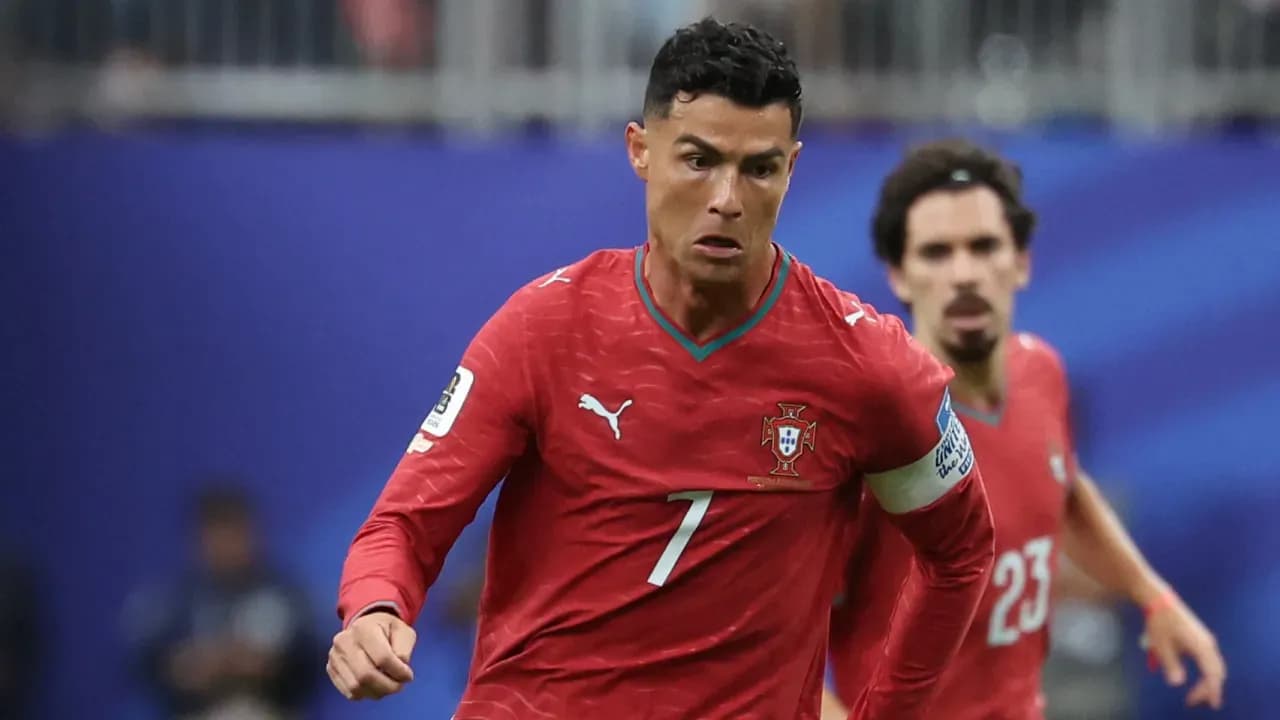
Portugal Announces Squad for 2026 UEFA Nations League; Cristiano Ronaldo Expected to Play

Raphinha Channels Ronaldo Nazario as Barcelona's Leading Striker After Position Change