
Spain's Tactical Dominance in 1-0 Victory Over Portugal
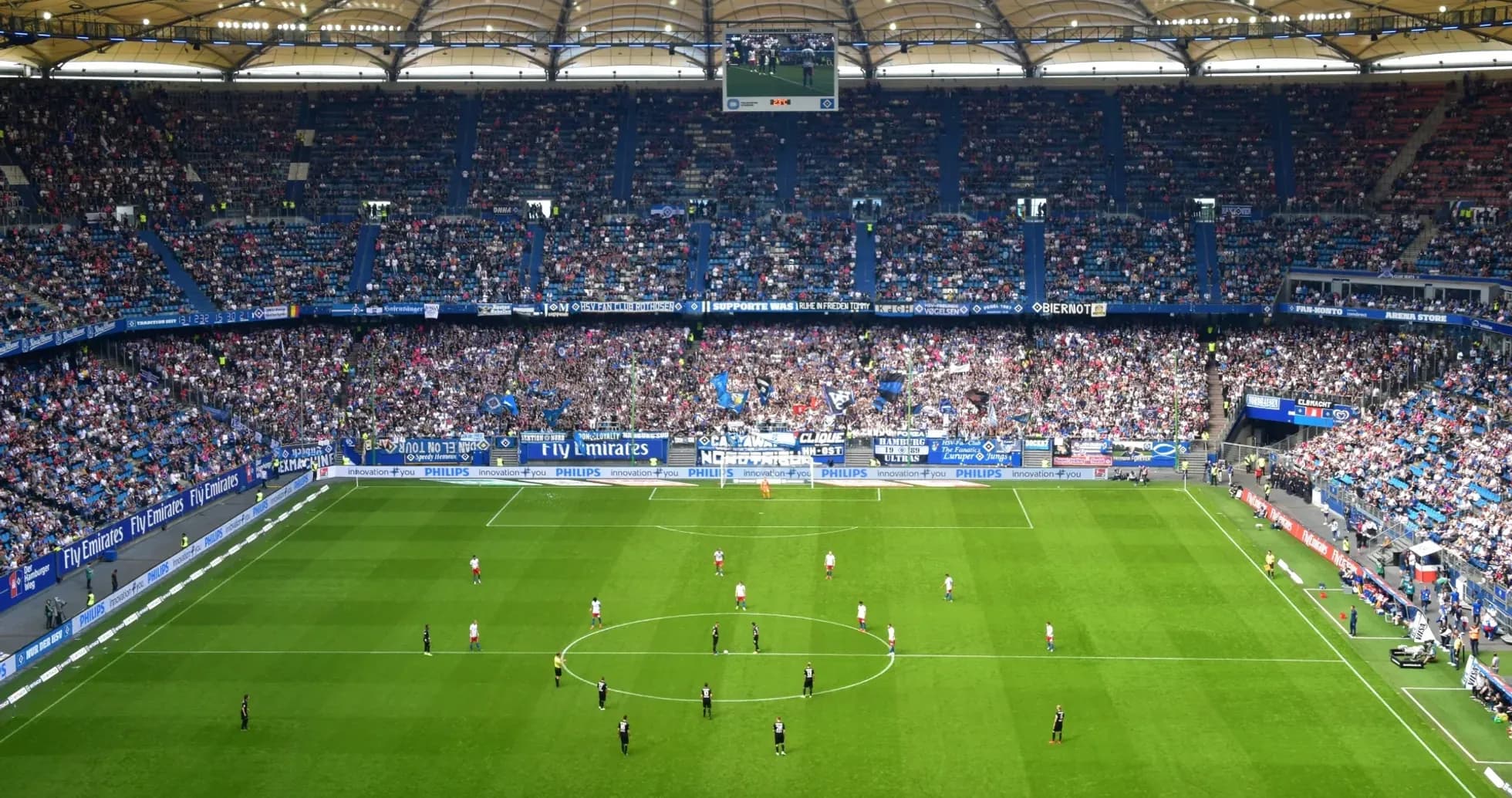
Portugal’s 0-1 defeat to Spain at AT&T Stadium in this World Cup Round of 16 tie was defined by Spain’s territorial control and superior shot quality, capped by Mikel Merino’s added-time winner. Across 90 minutes, Luis de la Fuente’s side imposed a 55% share of the ball, generated 15 shots to Portugal’s 10, and built a clear xG advantage of 1.77 to 0.58. Roberto Martinez’s Portugal stayed in the game through compact defending and moments in transition, but could not convert their limited pressure into high-quality chances.
Spain's Tactical Structure
From the outset, Spain’s structure revolved around Rodri anchoring the midfield with Pedri and Dani Olmo as advanced connectors, and Lamine Yamal providing width and creativity between the lines. With Pau Cubarsí and Aymeric Laporte comfortable stepping into midfield, Spain often formed a 2-3-5 in possession: full-backs Pedro Porro and Marc Cucurella pushed high, Rodri sat centrally, and the three attacking midfielders plus Mikel Oyarzabal occupied the final line. This shape explains Spain’s 531 total passes at 88% accuracy (467 accurate) and their ability to sustain pressure, reflected in seven corners and eight shots inside the box.
Portugal's Reactive Approach
Portugal’s approach was more reactive. Without a recorded formation, the personnel suggest a back four (João Cancelo, Rúben Dias, Renato Veiga, Nuno Mendes) screening Diogo Costa, with Vitinha and João Neves as a double pivot and a fluid band of Pedro Neto, Bruno Fernandes and João Félix behind Cristiano Ronaldo. Portugal attempted 426 passes at 84% accuracy (357 accurate), but the 45% possession figure underlines their secondary role in the game. Their 10 total shots included seven inside the box, but the low xG of 0.58 indicates that many of these were either from poor angles or under heavy pressure.
Defensive Strategies
Defensively, Portugal’s game plan was to compress central spaces and rely on Rúben Dias and Renato Veiga to defend the box. They matched Spain’s blocked shot count (three each), which, combined with Diogo Costa’s five saves, kept the scoreline level until stoppage time. Spain, by contrast, allowed only two shots on target and forced Unai Simón into just two saves, a testament to their control of territory and counter-pressing efficiency after losing the ball.
Substitution Patterns
The substitution pattern shows how both coaches tried to tilt the tactical balance late on. Martinez’s first change at 56' — Nélson Semedo (IN) came on for Nuno Mendes (OUT) — hinted at a defensive recalibration on the flanks, possibly to deal with Spain’s right-sided threat and Yamal’s influence. At 71', a double change added more directness and pace: Diogo Dalot (IN) came on for João Cancelo (OUT), and Rafael Leão (IN) came on for João Félix (OUT). These moves suggested a switch towards more vertical attacking, using Dalot’s overlapping energy and Leão’s 1v1 threat to exploit any space behind Spain’s advanced full-backs.
On 83', Martinez introduced further attacking quality and creativity: Bernardo Silva (IN) came on for Vitinha (OUT) and Francisco Conceição (IN) came on for Pedro Neto (OUT). This late reshaping aimed to improve Portugal’s ball progression and final-third combinations, but Spain’s defensive structure, led by Rodri’s positioning and Laporte’s box defending, limited the impact. The fact Portugal finished with only three corners and two shots on target shows how rarely they were able to pin Spain back for sustained periods.
Spain's Late Changes
De la Fuente’s changes were more about refreshing the pressing unit and adding late penalty-box presence. At 75', Ferran Torres (IN) came on for Alex Baena (OUT), bringing more vertical runs and counter-attacking threat. Then at 85', a double substitution added control and a late-arriving runner from midfield: Mikel Merino (IN) came on for Dani Olmo (OUT) and Fabián Ruiz (IN) came on for Pedri (OUT). Merino’s introduction was decisive; his ability to attack the box from deep is consistent with Spain’s strategy of overloading central zones rather than relying solely on the centre-forward.
Winning Goal and Game Dynamics
The winning goal at 90+1' — Mikel Merino (Spain), assisted by Ferran Torres — was the logical outcome of Spain’s sustained pressure and structural tweaks. With Portugal tiring after long spells without the ball and repeated defensive shifts following substitutions, Spain exploited a small lapse in box coverage. The timing of the goal, after Spain had already built a significant xG edge, underlines that this was not a smash-and-grab but the delayed reward for methodical dominance.
Discipline and Goalkeeping
Discipline also reflected the game’s dynamic. Spain committed more fouls (13 to Portugal’s 9), a common pattern for a team pressing aggressively and counter-pressing high. Yet they only received one yellow card, for Ferran Torres at 90+9' (“Foul”), suggesting their infractions were generally lower-risk and well-distributed. Portugal, under more defensive strain late on, collected two bookings: Bernardo Silva at 89' (“Foul”) and Renato Veiga at 90+4' (“Foul”), both consistent with a side increasingly forced into last-ditch interventions as they chased an equaliser.
In goal, Diogo Costa (Portugal) made five saves and, with 0.87 goals prevented, effectively kept Portugal competitive well beyond what the shot quality suggested. Unai Simón (Spain), with two saves and an identical 0.87 goals prevented, was less busy but similarly efficient when called upon. The mirrored goals-prevented figures highlight that, while Spain created more and better chances, both goalkeepers performed at a high level; the difference lay in Spain’s ability to finally convert one of their opportunities.
Conclusion
Statistically and tactically, Spain’s win was grounded in control: higher possession, more total shots (15 to 10), more shots inside and outside the box, superior passing volume and accuracy, and a significantly higher xG. Portugal’s compact defensive work and goalkeeping nearly forced extra time, but their inability to translate late attacking substitutions into clear chances meant that once Merino struck, there was no statistical or structural basis for a Portuguese comeback.
Related News

Thomas Tuchel Reflects on England's 10-Man World Cup Triumph and a Surprising Regret

Robert Moreno Takes Over as Interim South Korea Coach After World Cup Setback

Jude Bellingham Returns to Form with Real Madrid After World Cup Success

Chloe Kelly, Beth Mead & 13 Lionesses Who Must Shine in the Upcoming WSL Season for England’s 2027 World Cup Bid
Barcelona Cancels World Cup Tribute Amid Political Tensions
Messi Breaks Record for Most Penalties Taken and Missed in FIFA World Cup History