
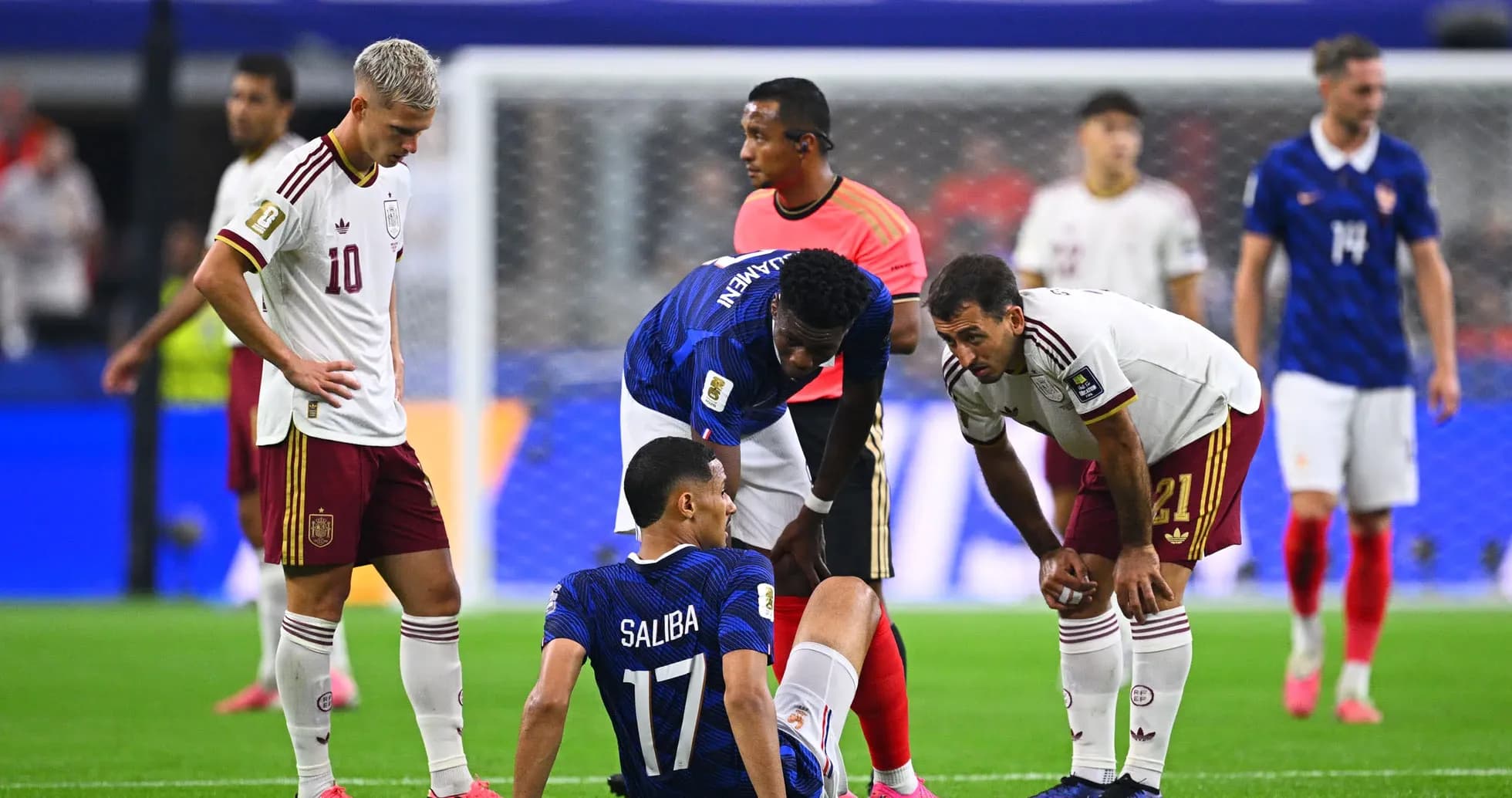
Spain Triumphs Over France in World Cup Semi-Final
Under the lights of Dallas Stadium in Arlington, the World Cup Semi-finals brought together two sides whose entire tournament had been building toward this collision: France, the ruthless front-runners of Group I, and Spain, the immaculate defensive machine from Group H. By full time, Spain had imposed their will in a 2–0 win, but the story of this fixture lies in how each squad’s seasonal identity translated – or failed to translate – onto this stage.
France arrived as a juggernaut. In total this campaign, they had played 7 matches, winning 6 and losing just 1, with no draws. Their attacking output was ferocious: 16 goals in total, split as 11 at home and 5 on their travels. The averages underline their intent: 2.2 goals at home, 2.5 away, 2.3 overall. At the back, they had been nearly as impressive, conceding only 4 in total (3 at home, 1 away), for an average of 0.6 at home, 0.5 away, 0.6 overall. That produced a total goal difference of +12, the foundation of their rise to 1st in Group I, where they took 9 points from 3 group matches with a group goal difference of +8 (10 scored, 2 conceded).
Spain, though, carried a different kind of menace. Also unbeaten in total this campaign with 7 matches played, they had 6 wins and 1 draw, again with no defeats. Their total 13 goals (9 at home, 4 away) came with a slightly more measured average – 2.3 at home, 1.3 away, 1.9 overall – but the defensive record was astonishing: just 1 goal conceded in total, 1 at home and 0 on their travels, for averages of 0.3 at home, 0.0 away, 0.1 overall. That gave them a total goal difference of +12 as well, mirroring France’s overall dominance, and they topped Group H with 7 points from 3 matches and a group goal difference of +5 (5 scored, 0 conceded).
Match Tactics
On the night, the tactical shapes were true to type. Didier Deschamps stuck to his trusted 4-2-3-1, a structure France had used in all 7 matches this campaign. Mike Maignan started in goal behind a back four of Jules Koundé, Dayot Upamecano, William Saliba and Lucas Digne. Aurélien Tchouaméni and Adrien Rabiot formed the double pivot, tasked with screening and initiating transitions. Ahead of them, Ousmane Dembélé and Bradley Barcola flanked Michael Olise, with Kylian Mbappé leading the line.
Luis de la Fuente answered with Spain’s 4-1-2-3, the shape they had deployed most often this tournament. Unai Simón anchored a back line of Pedro Porro, Pau Cubarsí Paredes, Aymeric Laporte and Marc Cucurella. Rodri sat as the lone holding midfielder, with Fabián Ruiz and Dani Olmo as dual interiors. The front three of Lamine Yamal, Mikel Oyarzabal and Álex Baena promised movement, pressing, and vertical runs behind France’s defence.
Individual Performances
The “Hunter vs Shield” duel was set up perfectly. Mbappé, with 8 goals and 3 assists in 7 appearances, had been the most devastating individual force of the World Cup. He had taken 30 shots, 19 on target, and was central to everything France did in the final third. Yet he also carried the scar of a missed penalty in this campaign, with France scoring just 1 of their 2 penalties overall, a 50.00% conversion rate that hinted at vulnerability under extreme pressure.
Spain’s shield, by contrast, was collective. Conceding 1 goal in 7 matches in total is almost unprecedented at this level, and their 6 clean sheets (3 at home, 3 away) testified to a unit that defended as a block. Rodri’s positioning in front of Laporte and Cubarsí Paredes, combined with Cucurella’s aggression and Porro’s energy, gave Spain a platform to compress space between the lines and deny Mbappé the lanes he usually attacks.
Around Mbappé, Deschamps had built a creative triangle. Olise, the tournament’s leading assister with 5, had been the subtle conductor: 355 passes at 86% accuracy, 13 key passes, and a willingness to track back, with 10 tackles and 3 interceptions. Dembélé added chaos from the flank, with 5 goals and 2 assists, 13 shots (8 on target) and 16 key passes. Together, they were supposed to stretch Spain’s back four horizontally, isolating Mbappé against one centre-back.
Spain had their own hunter. Oyarzabal, with 5 goals and 1 assist, had been clinical, scoring from 20 shots, 11 on target. His movement between the lines threatened to drag Saliba and Upamecano into awkward zones, especially with Yamal’s width and Baena’s drifting from the left half-space. Behind them, Dani Olmo and Fabián Ruiz offered the “Engine Room” blend: Olmo as the line-breaking runner, Ruiz as the tempo-setter.
Discipline and Game Management
Discipline and game-state management were always likely to matter. Heading into this game, France’s yellow cards tended to spike late, with 33.33% of their cautions arriving between 76–90 minutes and another 16.67% between 91–105. Spain, by contrast, showed a different pattern: 33.33% of their yellows came between 31–45 minutes, and 50.00% between 91–105, suggesting that they often escalated their physicality when protecting a lead in late and added time. In a semi-final, that hinted at a scenario where Spain might take control early, then lean on their defensive discipline – and occasional tactical fouling – to close the door.
Statistical Prognosis
The statistical prognosis before kickoff tilted on a knife-edge. France’s total attacking average of 2.3 goals per game met Spain’s total defensive average of 0.1 goals conceded, a clash between irresistible force and almost immovable object. Spain’s own 1.9 goals per game in total faced a France defence allowing 0.6 on average. The numbers suggested that whichever side could impose its rhythm – France’s vertical surges or Spain’s suffocating control – would likely drag the match toward its preferred scoreline.
In the end, Spain’s structure and defensive serenity won out. The 2–0 scoreline at full time reflected not just a single night in Texas, but an entire campaign’s worth of habits: France’s brilliance built around a few superstars, Spain’s supremacy built around the collective. On this stage, the shield proved sharper than the hunter’s blade.
Related News
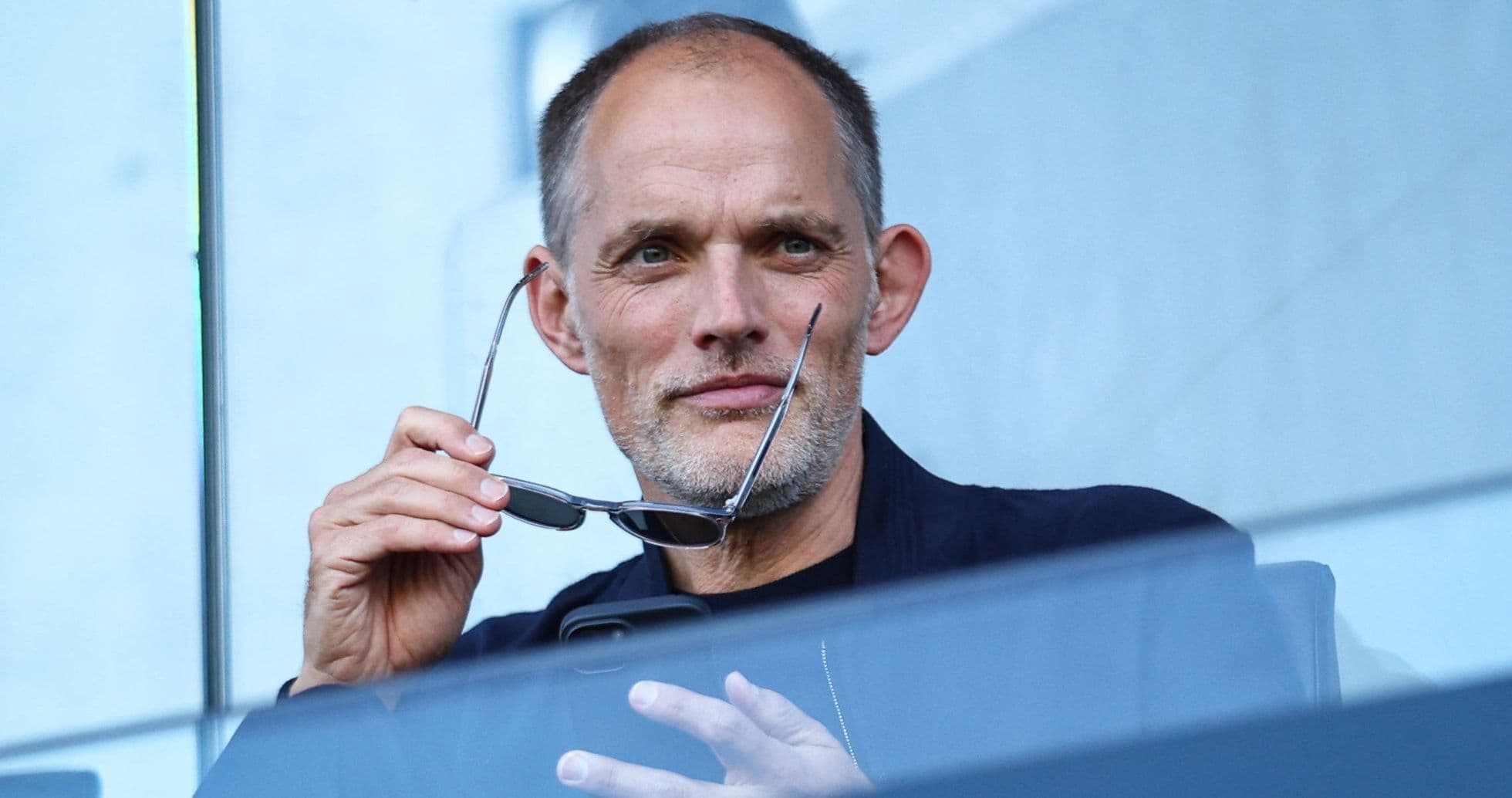
Thomas Tuchel Reflects on England's 10-Man World Cup Triumph and a Surprising Regret
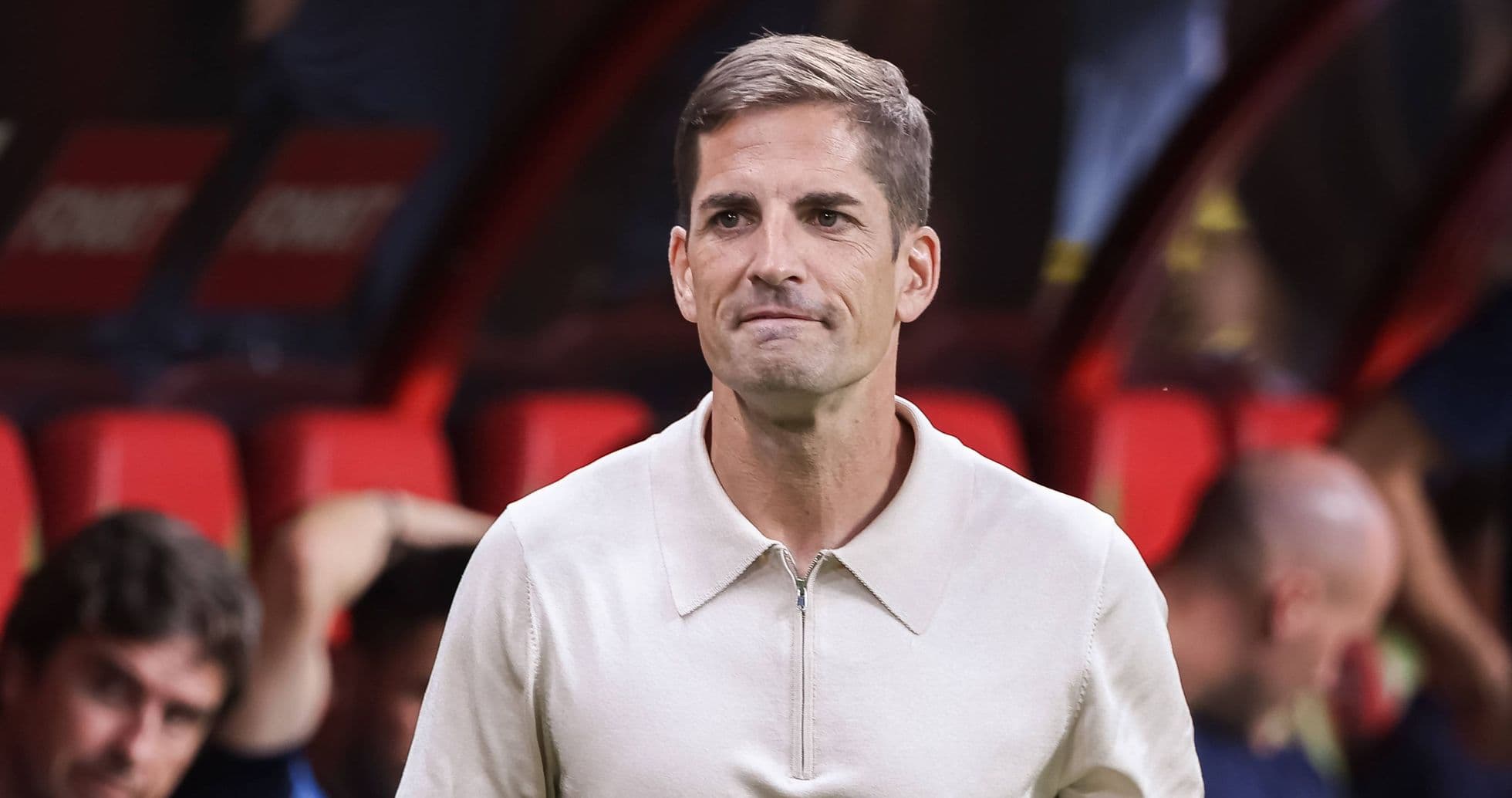
Robert Moreno Takes Over as Interim South Korea Coach After World Cup Setback
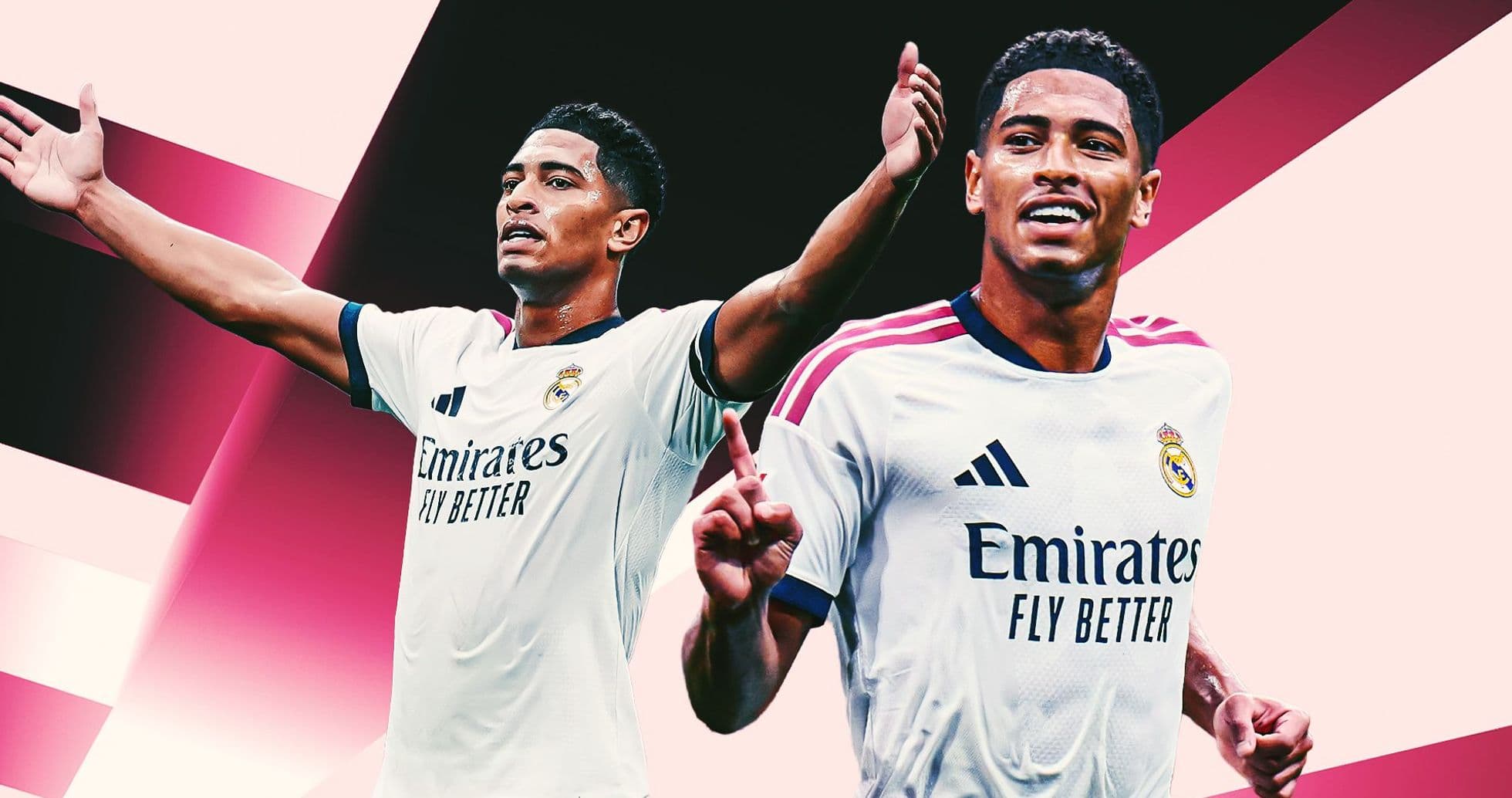
Jude Bellingham Returns to Form with Real Madrid After World Cup Success

Chloe Kelly, Beth Mead & 13 Lionesses Who Must Shine in the Upcoming WSL Season for England’s 2027 World Cup Bid
Barcelona Cancels World Cup Tribute Amid Political Tensions
Messi Breaks Record for Most Penalties Taken and Missed in FIFA World Cup History