
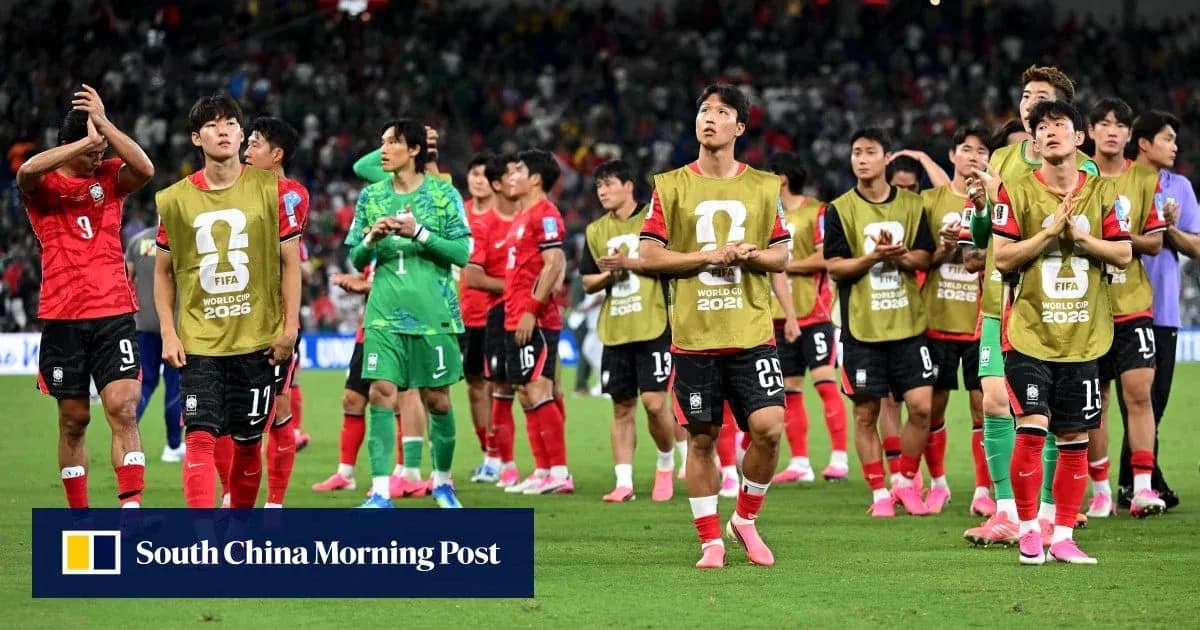
South Korea's World Cup Campaign Takes a Dark Turn
South Korea’s World Cup campaign drifted into something darker than disappointment on Wednesday night. It turned sour.
In Monterrey, as South African players marched past the mixed zone belting out songs of victory after their 1-0 win, the contrast could not have been starker. South Korea’s squad shuffled through in near silence, heads low, voices hushed. The soundtrack of one nation’s joy bled into another’s inquest.
The tension finally snapped.
Brushed by a member of South Africa’s staff in the cramped corridor, Hwang In-beom spun around, bristling, and snapped: “Show some f****** respect.” For a few charged seconds, it looked like the night might spill into something uglier than a tactical post-mortem. Bodies tightened. Faces hardened. Then it passed, as quickly as it flared.
If only South Korea had shown the same edge on the pitch.
The performance that preceded that flashpoint had been timid, strangely flat for a team with South Korea’s pedigree and expectations. South Africa were organised, energetic, and unapologetically ambitious. South Korea, by contrast, played like a side caught between ideas, stuck in second gear while their opponents seized the moment.
The anger in the tunnel hinted at the pressure building around this squad. The captain tried to smother it.
Son Heung-min, held back for doping control, did not appear in front of the Korean media until more than two hours after the final whistle. When he finally emerged, he chose his words carefully, batting away any suggestion of fractures within the camp.
“There’s no problem with the vibe in our dressing room,” he said. “I can honestly tell you that we’ve had zero issues with our team atmosphere.”
The message was clear: frustration, yes; division, no. Publicly, at least, South Korea would not allow this defeat to be framed as a story of internal rupture.
On the outside, though, the numbers tell their own harsh story. Three group matches. Three points. A negative goal difference. And yet, in this bloated, expanded World Cup, they are still alive, still capable of stumbling into the knockout rounds.
It is a strange kind of indictment. A tournament so large that a team can underwhelm for three games, lose to South Africa, and still talk about pathways to the last 16. The margins that once demanded ruthlessness now offer lifelines.
South Korea have taken that lifeline for now. The question is whether they can turn anger in a tunnel and defiance at a microphone into the kind of fire that actually changes a World Cup campaign.
Related News
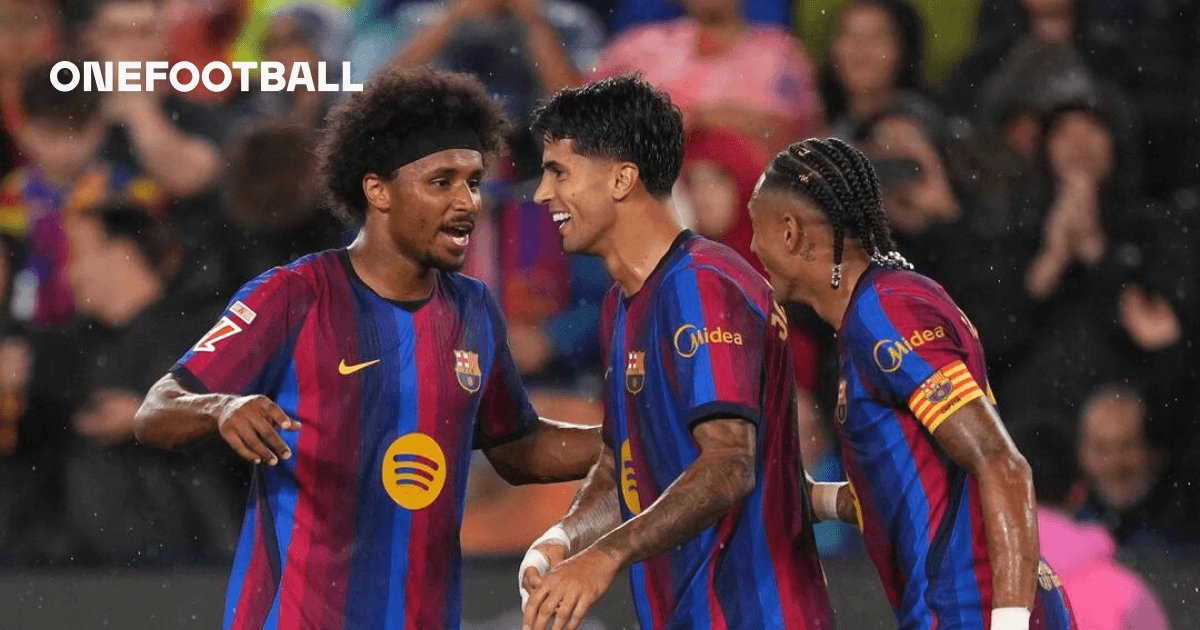
Raphinha’s Hat-Trick Powers Barcelona to 7-2 Victory Over Racing Santander
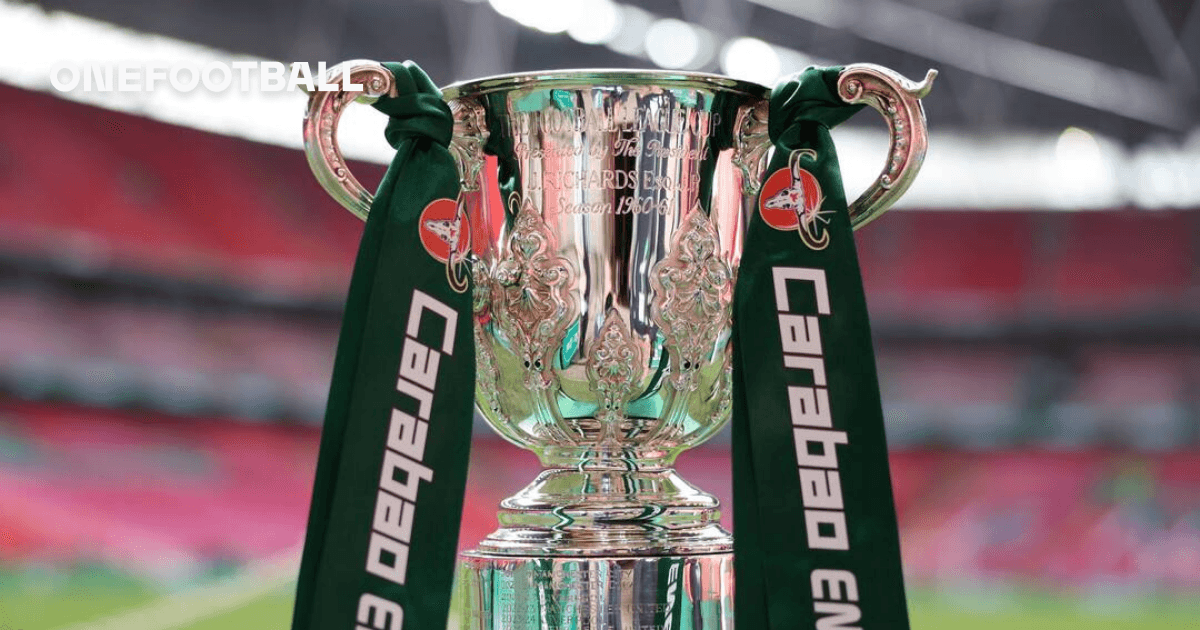
Carabao Cup Fourth Round Draw: Liverpool Set to Clash with Chelsea, Arsenal to Face Fleetwood Town
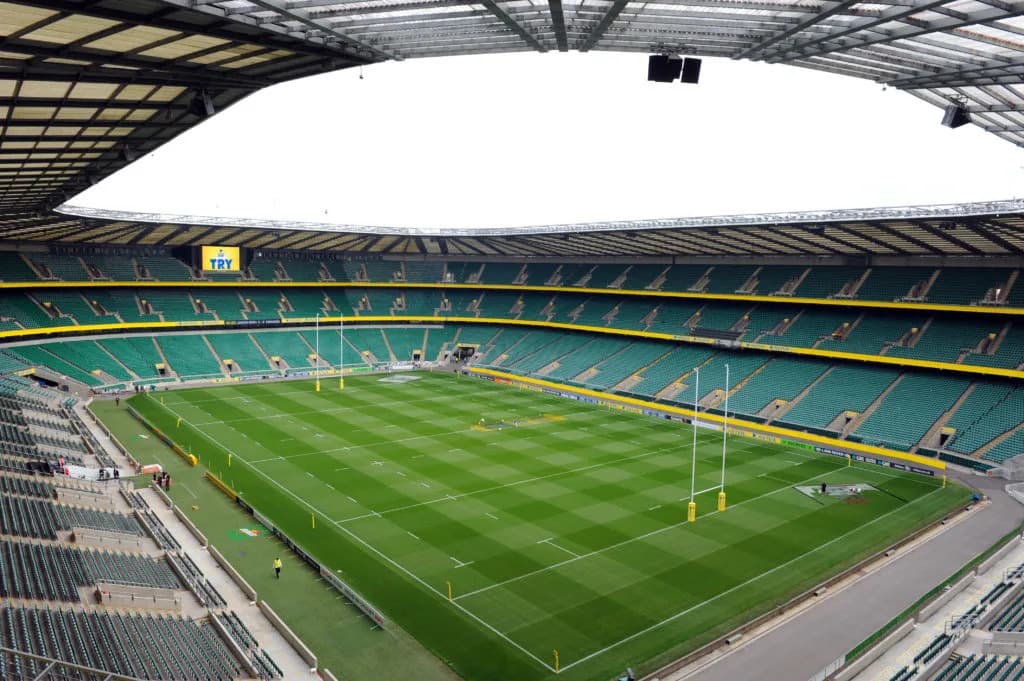
Key Football Matches to Watch in Azerbaijan This Autumn
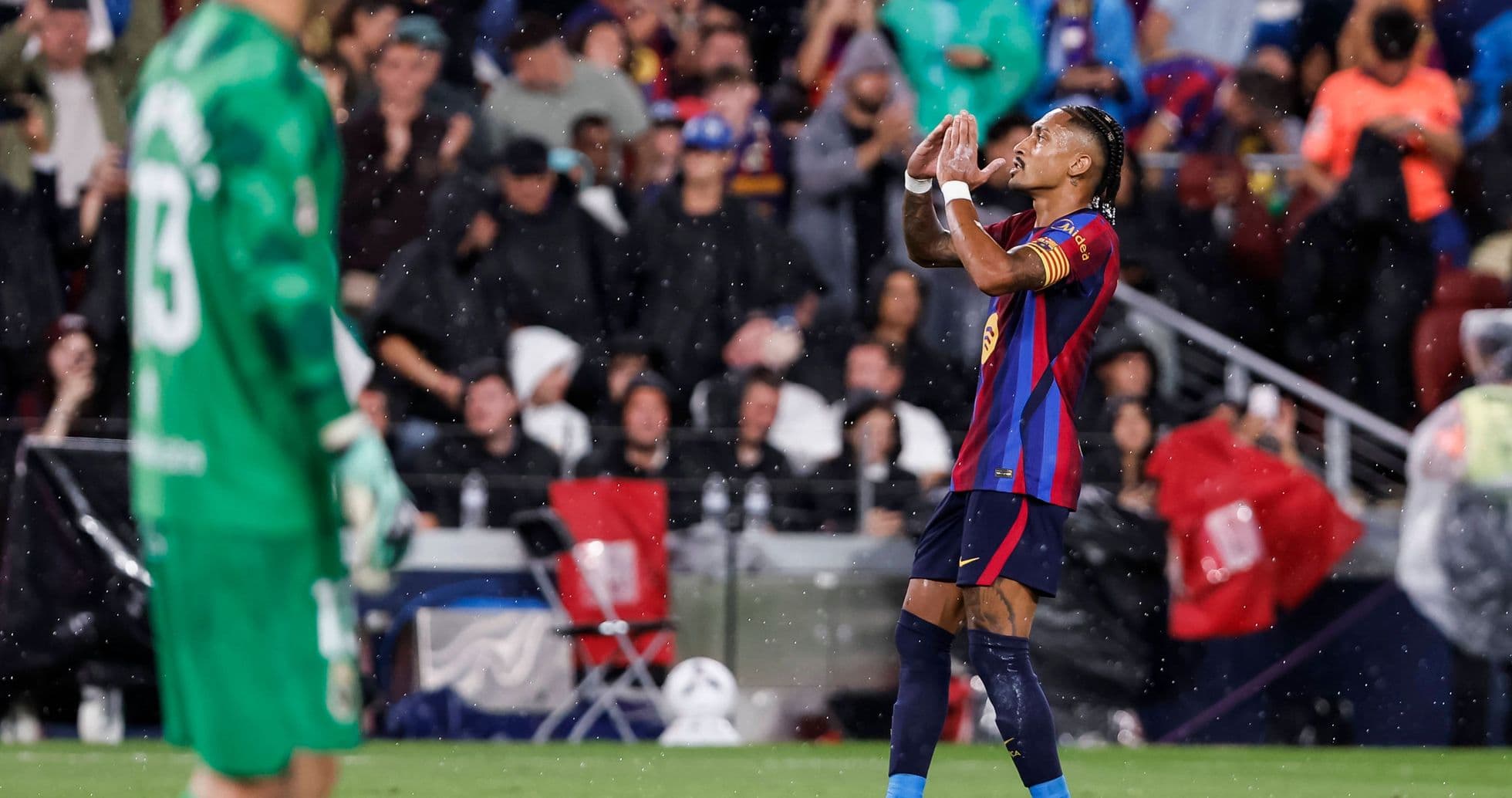
Raphinha's Hat-Trick Drives Barcelona to 7-2 Triumph Over Racing Santander
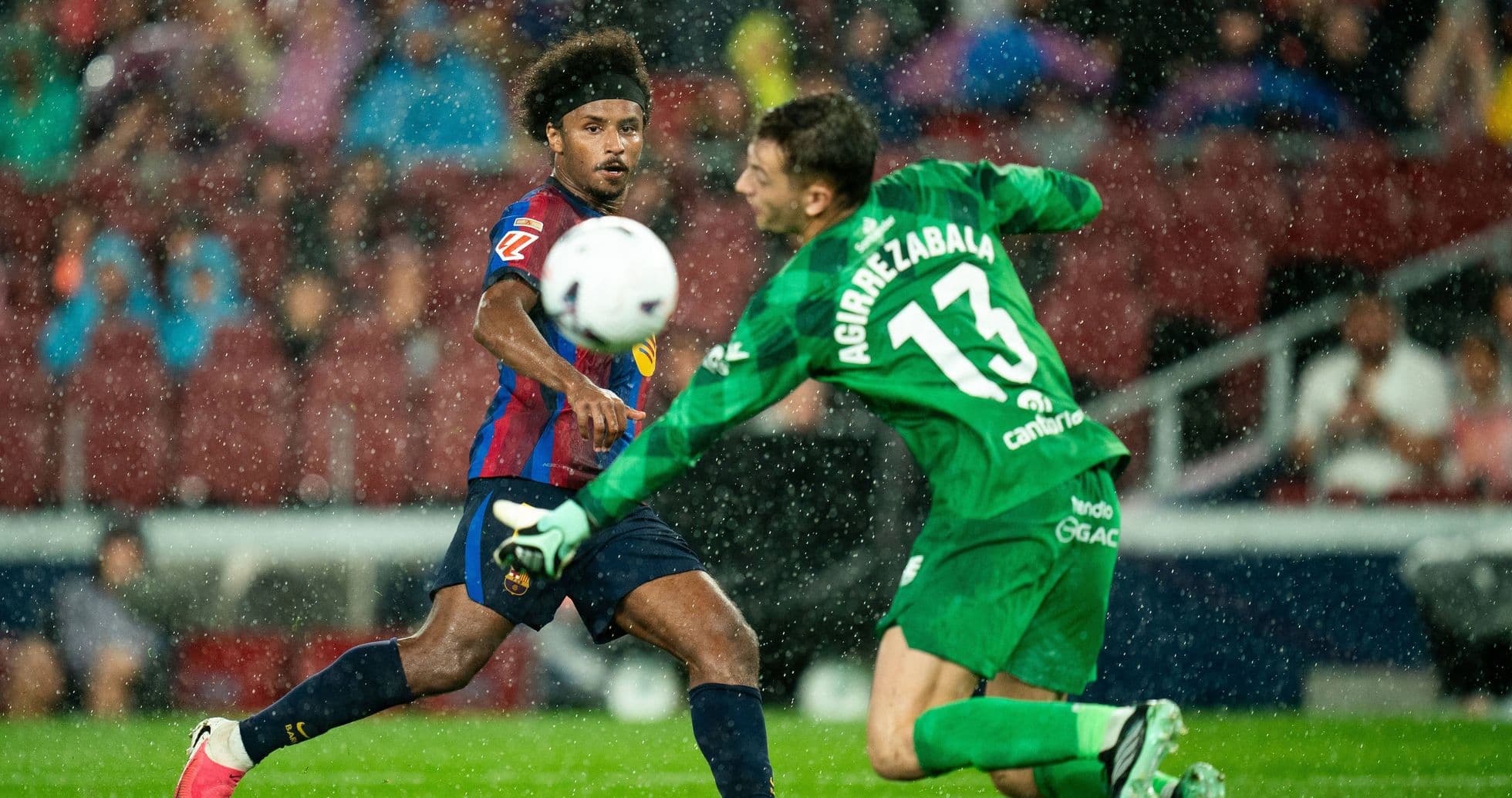
Hansi Flick Leads Barcelona to Record-Breaking Seven Wins in a Row
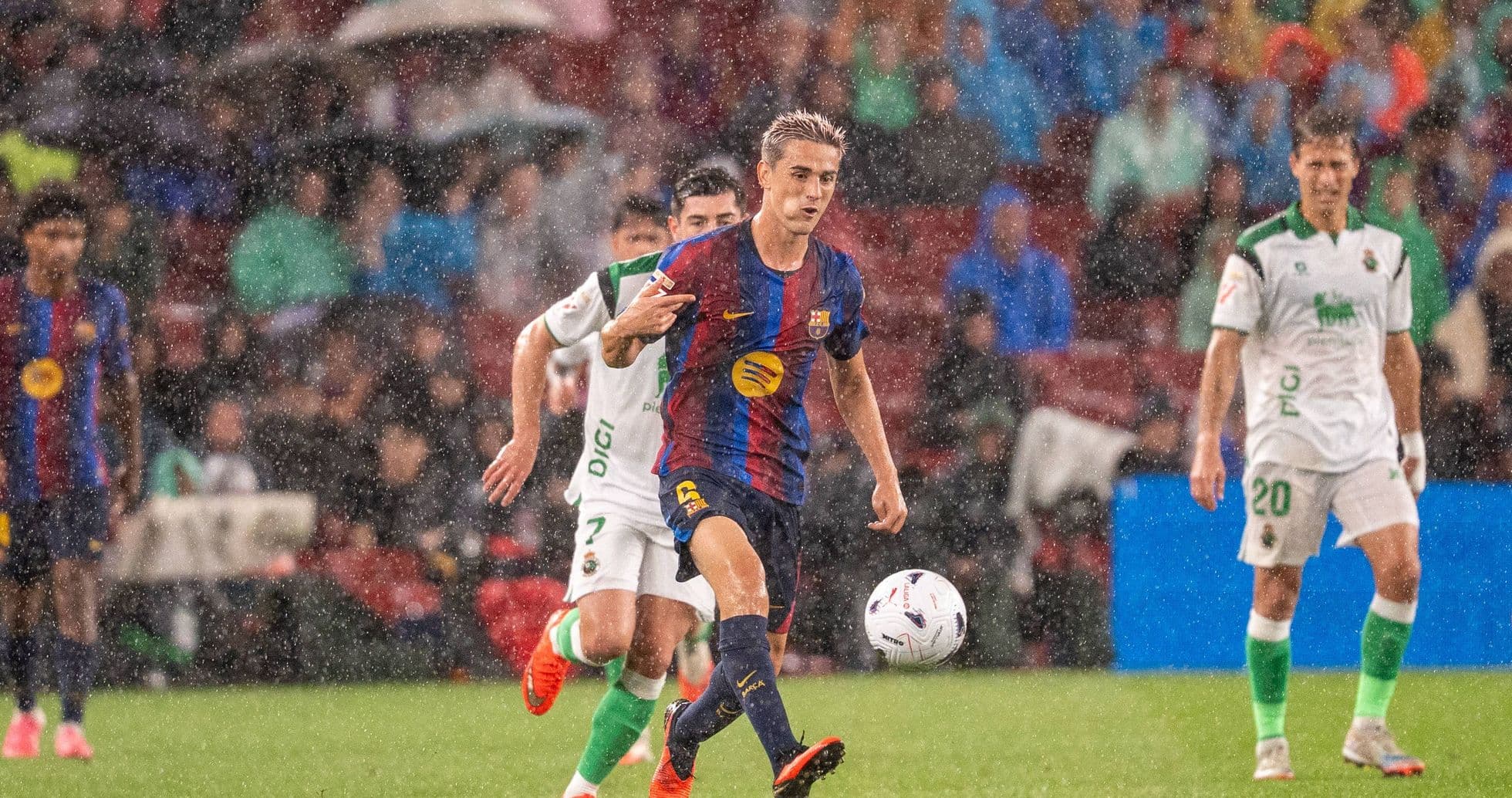
Gavi Reflects on Injury Return as Barcelona Dominate Racing Santander 7-2