
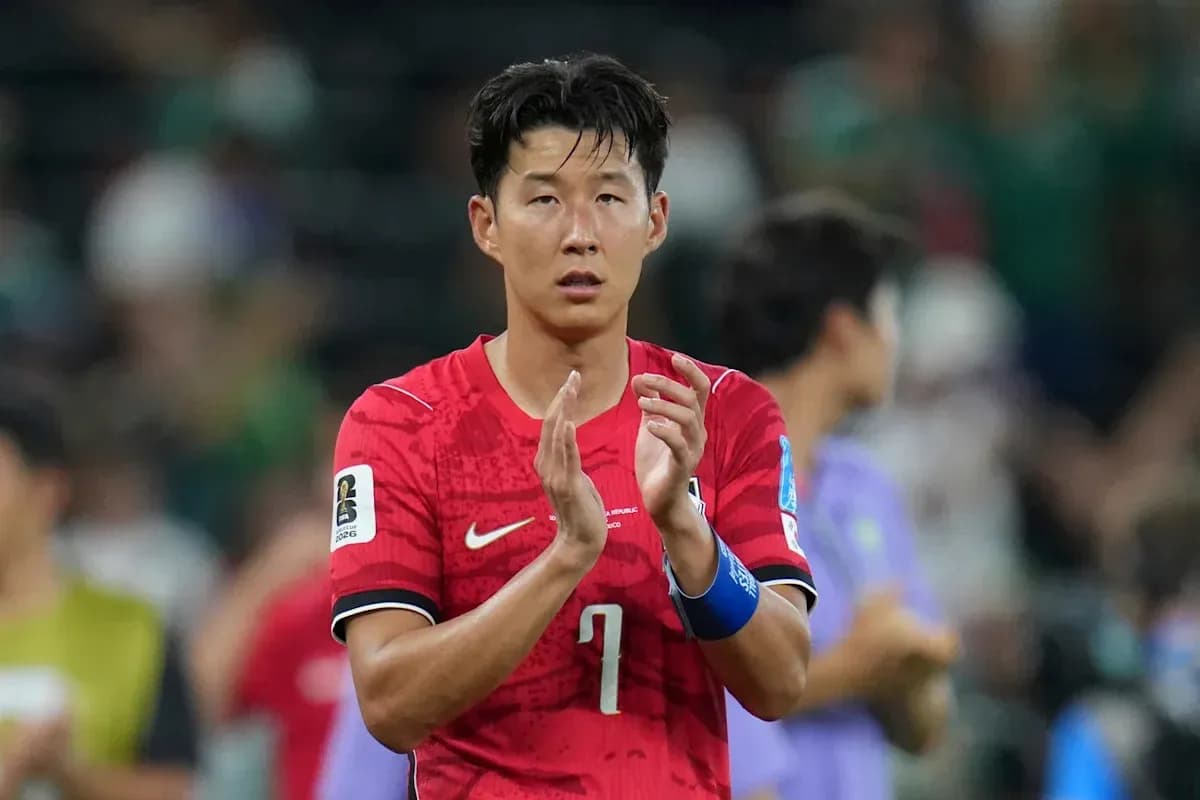
Son Heung-min expresses deep hurt after World Cup exit
Son Heung-min says he is “indescribably hurt.” You could feel every syllable.
South Korea’s captain broke his silence after the country’s World Cup campaign ended at the group stage, a failure that has shaken a football-obsessed nation, drawn fire from the president, and forced coach Hong Myung-bo to resign.
On Monday night, Son turned to Instagram, not for a polished statement, but for something closer to a confession. He knows exactly how this exit has landed back home.
“I don't dare to convey the disappointment and hurt of the fans with a single word ‘sorry,’” he wrote. “So even saying those words feels insufficient.”
This was supposed to be his tournament. The “child's dream stage,” as he has called the World Cup throughout his career. Instead, that dream “has collapsed.”
South Korea started with promise, beating Czech Republic in their opening Group A match. That early optimism didn’t last. Defeats to Mexico and South Africa followed, and with them went any hope of squeezing through as one of the best third-place teams.
The pressure mounted. The criticism grew louder. Then came the fallout: Hong Myung-bo stepped down, and the squad flew home under a cloud.
Son’s own World Cup ended in frustration. The 33-year-old, a superstar in South Korea and a marquee name with Los Angeles FC in Major League Soccer, failed to score in the tournament and was left on the bench for the decisive group finale against South Africa. For a captain who carries the hopes of a nation every time he pulls on the shirt, that cut deep.
He didn’t hide from it.
He admitted feeling a personal responsibility that he “couldn't repay the time, heart, and constant support and love” the fans had poured into the team. The tone was raw, stripped of any attempt to soften the blow. “I'm indescribably stuck and hurt,” he wrote. “To be honest, it's still not easy to accept this reality.”
Yet this was not a farewell.
Any fears that Son might walk away from the international stage were eased by one clear line: “I will do my best in my position again to win the hearts of the Korean people and football fans.”
That is the hinge point now. A captain who knows he has fallen short in the biggest arena, but who is not ready to let his story with the national team end on this note.
Son also turned outward, away from himself and toward his teammates. He urged supporters to resist the temptation to tear into the squad after a bruising campaign, asking fans to “send warm support and encouragement rather than criticizing and hurting all the players.”
The wounds from this World Cup will not heal quickly in South Korea. But their captain has chosen his path: to stand in the middle of the storm, to absorb the anger, and to promise that he will try to win the country back.
Related News
Raphinha’s Hat-Trick Powers Barcelona to 7-2 Victory Over Racing Santander
Carabao Cup Fourth Round Draw: Liverpool Set to Clash with Chelsea, Arsenal to Face Fleetwood Town
Key Football Matches to Watch in Azerbaijan This Autumn
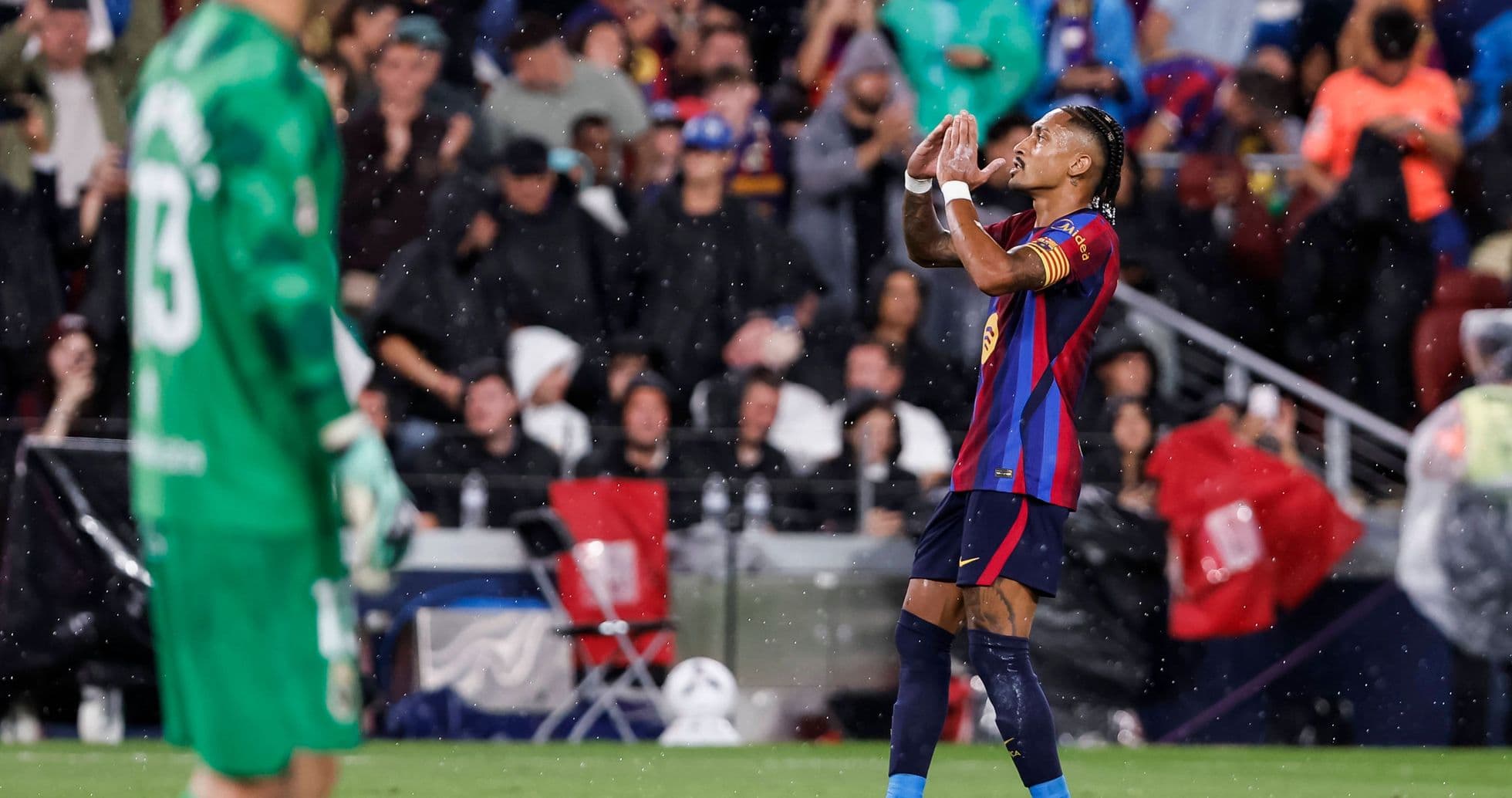
Raphinha's Hat-Trick Drives Barcelona to 7-2 Triumph Over Racing Santander
Hansi Flick Leads Barcelona to Record-Breaking Seven Wins in a Row
Gavi Reflects on Injury Return as Barcelona Dominate Racing Santander 7-2