
Scottish Football's New Season: A Limp Start Amidst Dread
Scottish football staggers into its new season, not so much with a spring in its step as a limp. Optimism feels like a foreign language. After a wretched World Cup and a summer of silence from those in charge, the curtain goes up on the Premiership with a sense of dread rather than anticipation.
The mood is not helped by the governing body. The Scottish FA has offered no meaningful explanation, no coherent plan, in the wake of a World Cup campaign that ended in embarrassment and resignation. Mike Mulraney, the president, has been largely invisible since he appeared in the background of a photo-op with Gianni Infantino and the US president at Trump Tower. Ian Maxwell, the chief executive, surfaced only briefly to dismiss “hysterical commentary” about Scotland’s performance, shortly after Steve Clarke walked away.
This is the same leadership that chuckled off warnings about handing Clarke a four-year contract on the eve of the tournament. Risk, they implied, was someone else’s problem. Now, with the manager gone and the squad creaking, they retreat into the shadows.
Perhaps Mulraney and Maxwell are buried in the search for Clarke’s successor. They should be. Scotland’s squad is old, slow, and in desperate need of a reset. Whoever takes over inherits a group that has given all it can in its current guise. The transition required is not cosmetic; it is structural.
The clubs, as usual, have chosen to look the other way. The World Cup merely exposed what they have long preferred to ignore: a lack of long-term thinking, of alignment, of any shared vision for the national game. The anger that followed Scotland’s collapse on the global stage has not faded. It has simply shifted focus as the domestic season begins, threatening to turn the campaign into something poisonous.
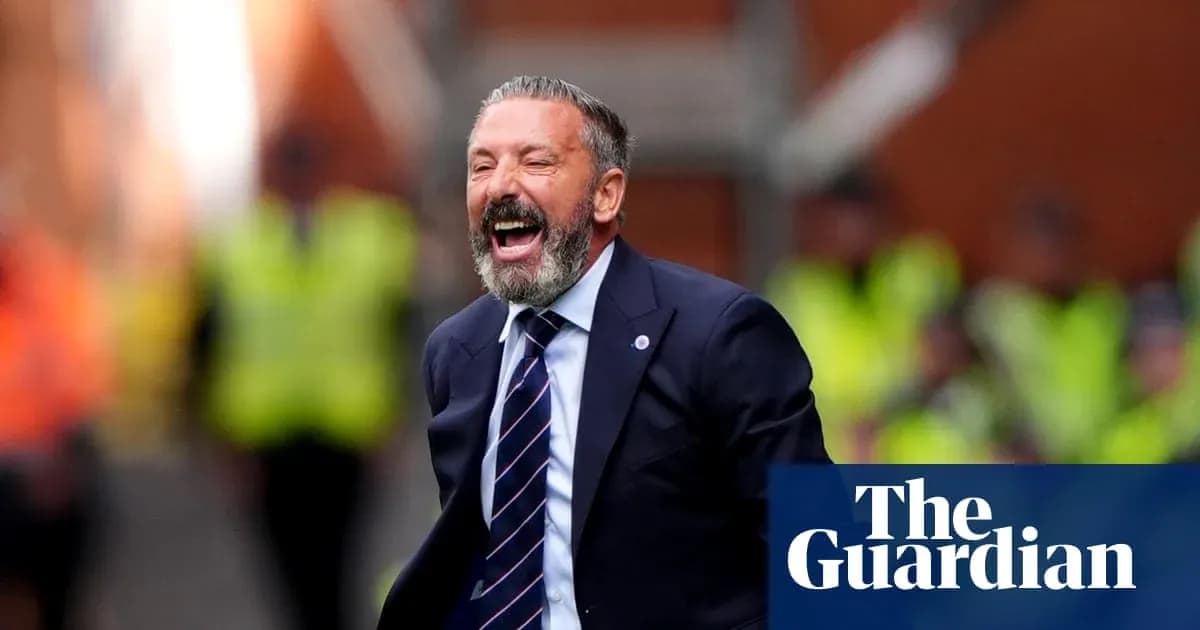
In Glasgow, the discontent is already baked in. Celtic supporters are still furious with a board they view as smug and detached, too comfortable counting cash and too slow to address obvious weaknesses. Across the city, Rangers have turned to Derek McInnes, a manager steeped in Scottish football but hardly a unifying figure. His appointment has gone down badly among Celtic fans, who will relish the chance to remind him of every misstep.
The bitterness is not confined to the Old Firm. Hearts carry scars that will not heal quickly. They came within minutes of a first league title in 66 years in 2025-26, only to see it snatched away in a finale that still rankles. The most shameful chapter arrived on 11 June, when the Scottish Professional Football League finally published the disciplinary outcomes from the pitch invasion that forced the abandonment of Celtic’s title-clinching match against the Edinburgh club.
Tucked into that statement, amid token punishments for Hamilton Academical, Inverness and Stenhousemuir, was a feeble fine for Celtic and a suspended, token ticket reduction. For Hearts supporters, it felt like confirmation of what they already believed: that the system bends for the powerful and wags a finger at everyone else.
Rangers fans needed no encouragement to feel hard done by, but they got it anyway. They simmered through the summer until McInnes received a touchline ban for comments about a refereeing decision. The club has already bristled at parts of an independent report into the disorder that followed their Scottish Cup defeat to Celtic in March. The sense of persecution is familiar, and it will not take much for it to boil over.
Motherwell are consulting lawyers after being fined by the Scottish FA for a social media video. Hibs supporters, meanwhile, have seen this film too many times: a 2-0 defeat in Kosovo in a European qualifier last week sent their online support into meltdown. These results no longer shock anyone. They merely confirm the stagnation.
And yet, amid the rancour, there are flickers of hope.
Celtic have flexed their financial muscle by landing Kasper Høgh for a club-record fee, a statement signing in a window otherwise short on glamour. The forward arrives from the fertile, success-soaked environment of Bodø/Glimt, a club whose exports often face scepticism once they leave Norway’s comfort zone. If Høgh truly were a guaranteed hit, he would not have been available at a price many Championship sides in England would barely notice.
Still, the 25-year-old has the tools to thrive in Scotland: power, direct running, a frame built for the rough edges of the Premiership. He is the most intriguing arrival of the summer, and Celtic fans have every right to be excited. They also have every right to demand more.
The champions face a familiar challenge. If big offers land for key players such as Arne Engels or Alistair Johnston, they must replace them without turning the transfer window into an exercise in balance-sheet triumphalism. Supporters do not want to hear about net spend. They want a squad that can keep winning.
Rangers stand on the other side of that argument. They have spent heavily in recent years, burned through cash and goodwill, and watched Celtic lift the trophies. The anger in the stands has been loud and sustained. Their American ownership has, curiously, chosen not to confront it with clear communication or a fresh direction.
McInnes offers something different. He knows the club, understands the demands and the scrutiny, and has long coveted this job. Rangers open the season away to Dundee United on Friday night with a manager who, on paper, is better equipped than many of his predecessors to build a team capable of going toe to toe with Celtic.
His first move has been predictable and sensible: strengthen the core. Vanja Dragojevic, signed from Partizan Belgrade, looks a shrewd addition in midfield, a player to knit together a side that has too often looked brittle. Rangers still need more creativity, more goals, but McInnes has never been short of drive or work ethic. This version of Rangers should be tougher, more coherent, harder to beat.
Yet the reality remains: Celtic are favourites. They know how to win this league. They have the scars and the medals to prove it.
Hearts, still processing the trauma of last season’s near miss, now face a different kind of test. McInnes’s move to Rangers stripped them of the architect of their unexpected title tilt. Wouter Vrancken has arrived with a new style and a new set of ideas, walking into a club where expectations have shot through the roof almost overnight.
The Champions League qualifier against Sturm Graz was a brutal reminder of the gap between aspiration and reality. Hearts were well beaten. The work in front of Vrancken is substantial. Yet the very fact Hearts are in this conversation – that they are being discussed by people who once ignored Scottish football entirely – speaks to the progress made. Patience would be more than a virtue here; it would be a necessity.
Further down the food chain, there are signs that not every club is content simply to survive. Motherwell’s spell under Jens Berthel Askou, and the continuation of that work, has shown that those outside the traditional elite do not have to cling on for dear life. The football has been bold, the crowds have grown, and the wider market has taken notice.
The sales of Elijah Just and Elliot Watt for multimillion-pound fees vindicate a model built on smart recruitment and development rather than blind hope. It is proof that thinking differently can pay off.
St Mirren are talking openly about blooding more young players and playing a more attractive style. Kilmarnock hinted at a similar approach under Neil McCann at the tail end of last season. Aberdeen, under Stephen Robinson, look poised to be a more serious force after a period of drift. One artificial pitch remains in the top flight, a small but significant victory for those who still believe top-level football should be played on grass.
The obsession endures. Stadiums will fill, arguments will rage, and every refereeing decision will be pored over as if the fate of the nation depends on it. Scottish football still grips its public like little else.
But it is an obsession with an asterisk. The game feels like a patient in need of urgent care, its symptoms obvious, its treatment endlessly delayed. A new season should feel like a fresh start. Right now, it only truly excites if it comes with something that has been missing for far too long: genuine, visible, unapologetic fresh thinking.
Related News

Raphinha’s Hat-Trick Powers Barcelona to 7-2 Victory Over Racing Santander
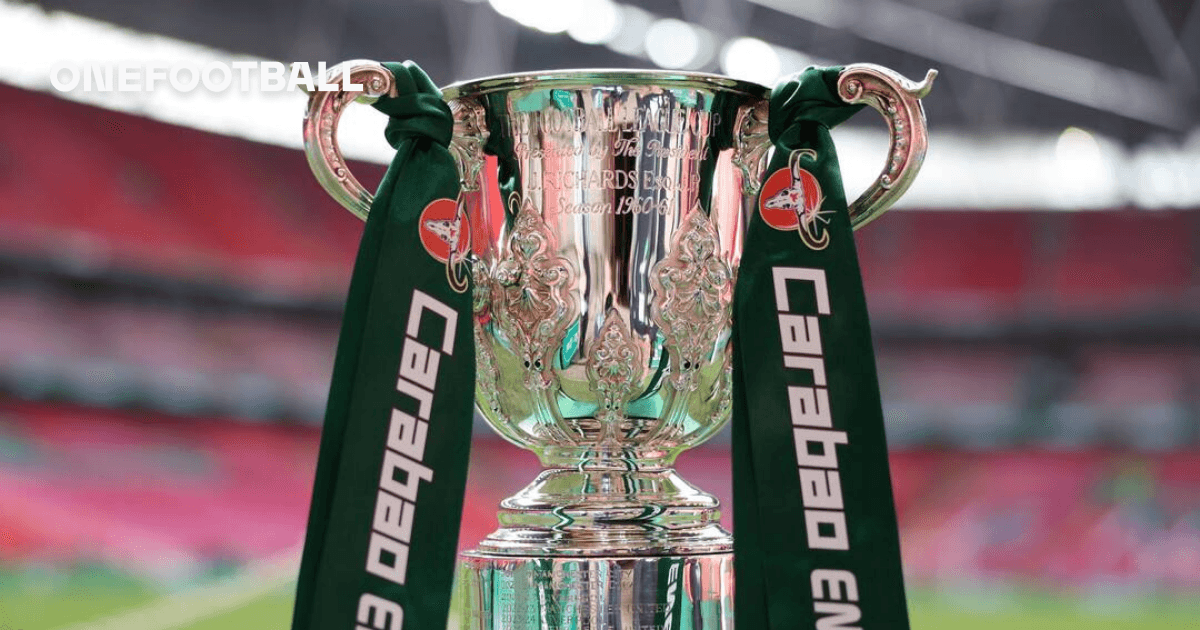
Carabao Cup Fourth Round Draw: Liverpool Set to Clash with Chelsea, Arsenal to Face Fleetwood Town
Key Football Matches to Watch in Azerbaijan This Autumn
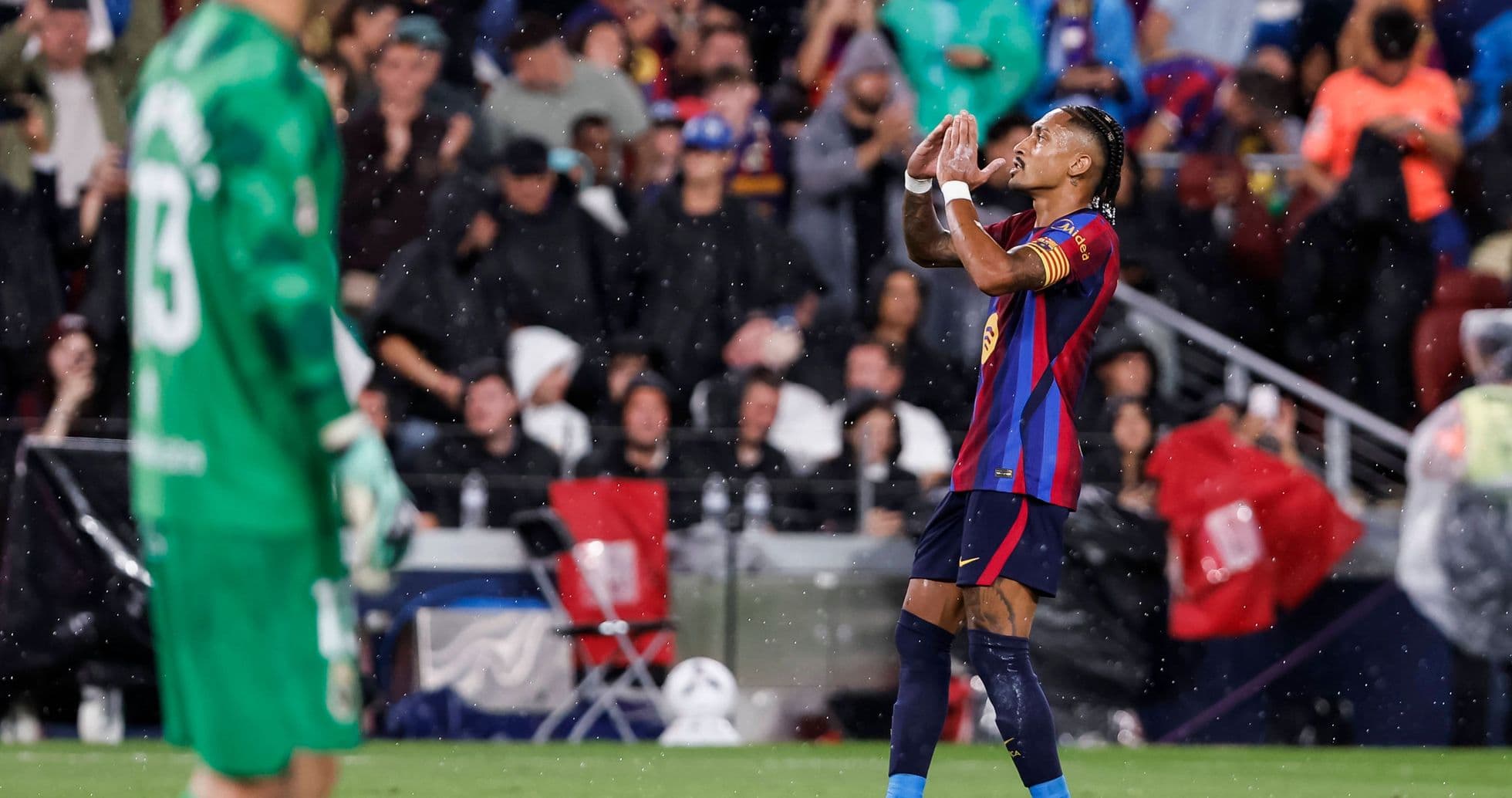
Raphinha's Hat-Trick Drives Barcelona to 7-2 Triumph Over Racing Santander
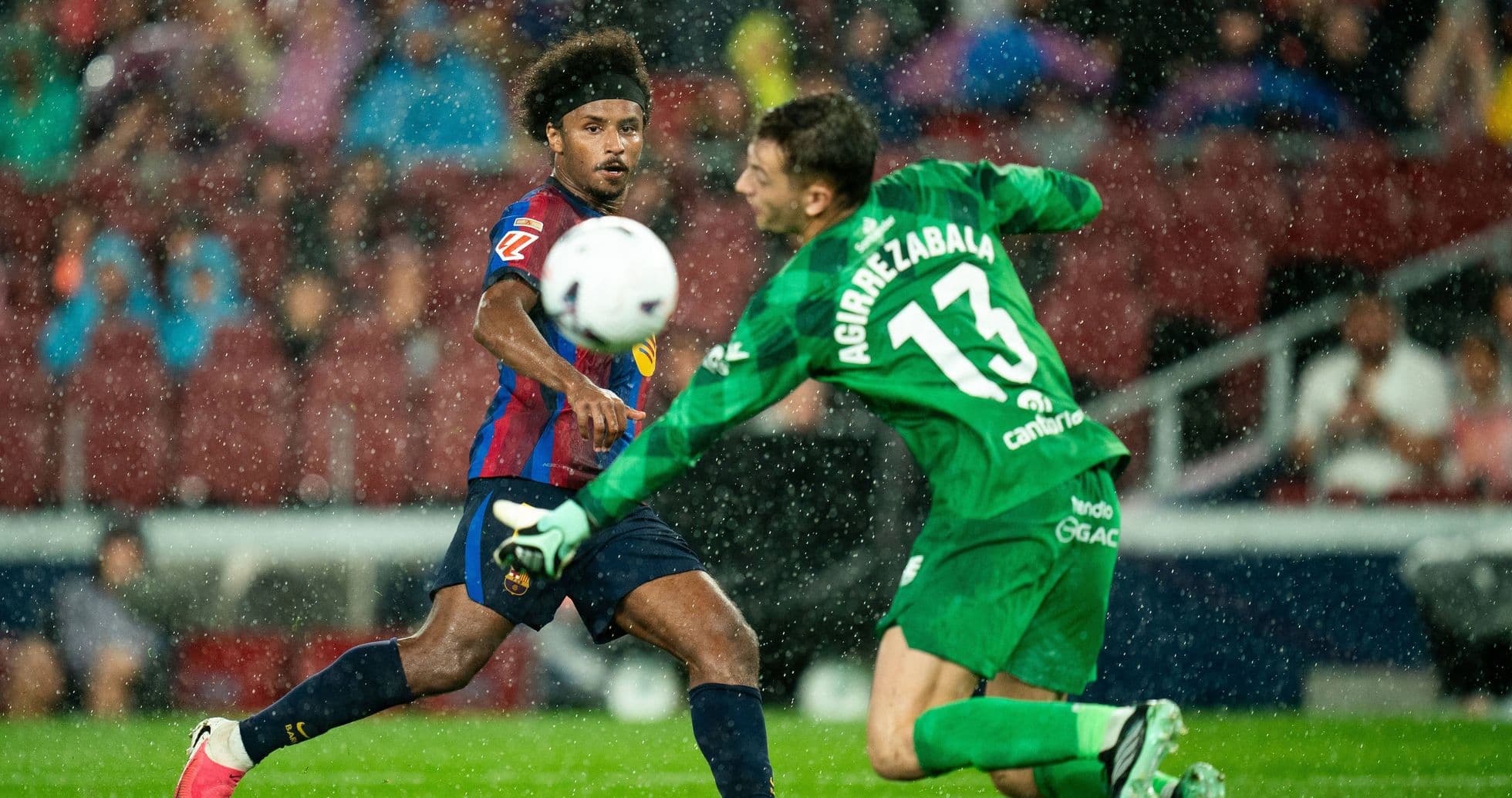
Hansi Flick Leads Barcelona to Record-Breaking Seven Wins in a Row
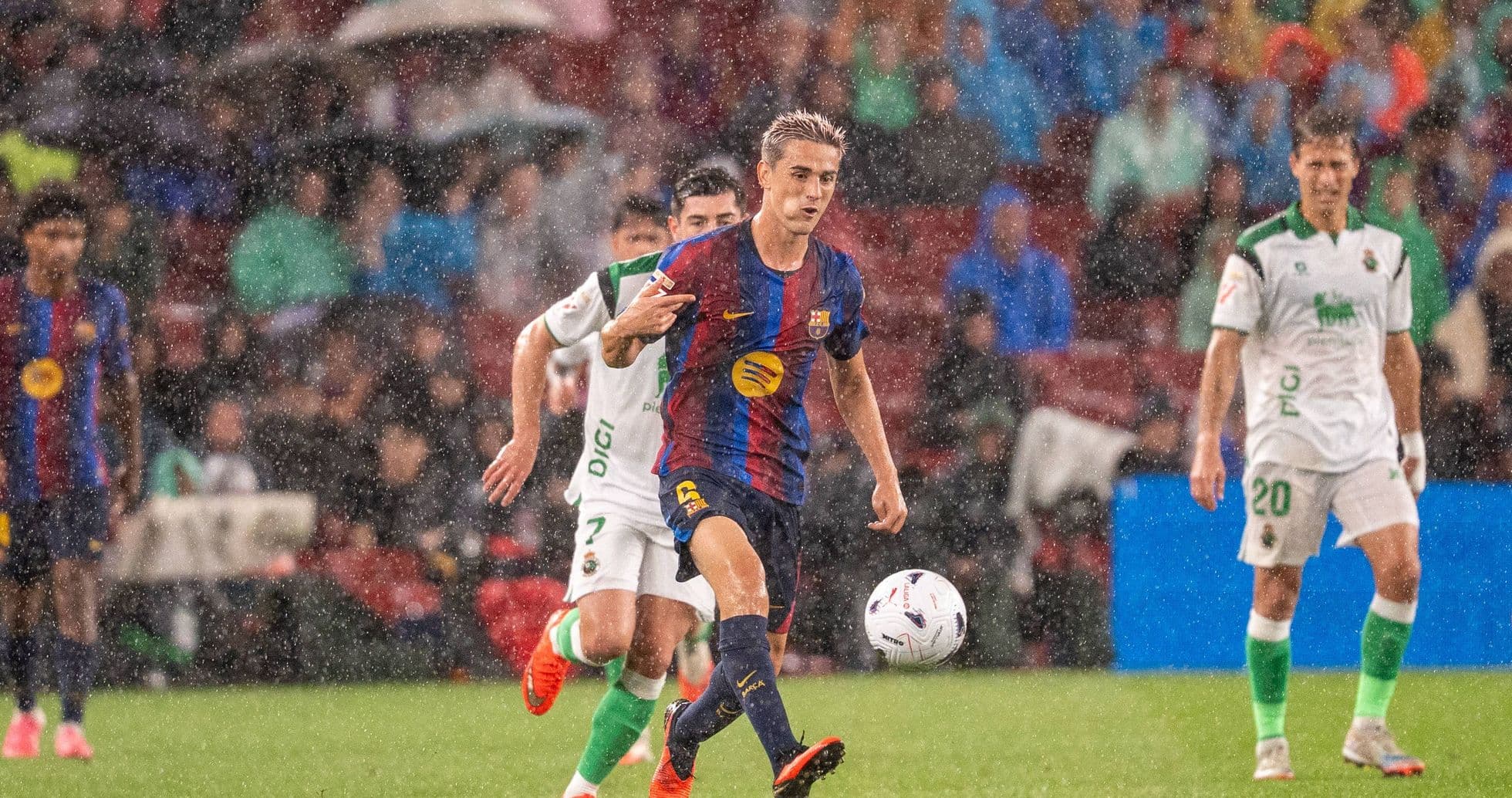
Gavi Reflects on Injury Return as Barcelona Dominate Racing Santander 7-2