
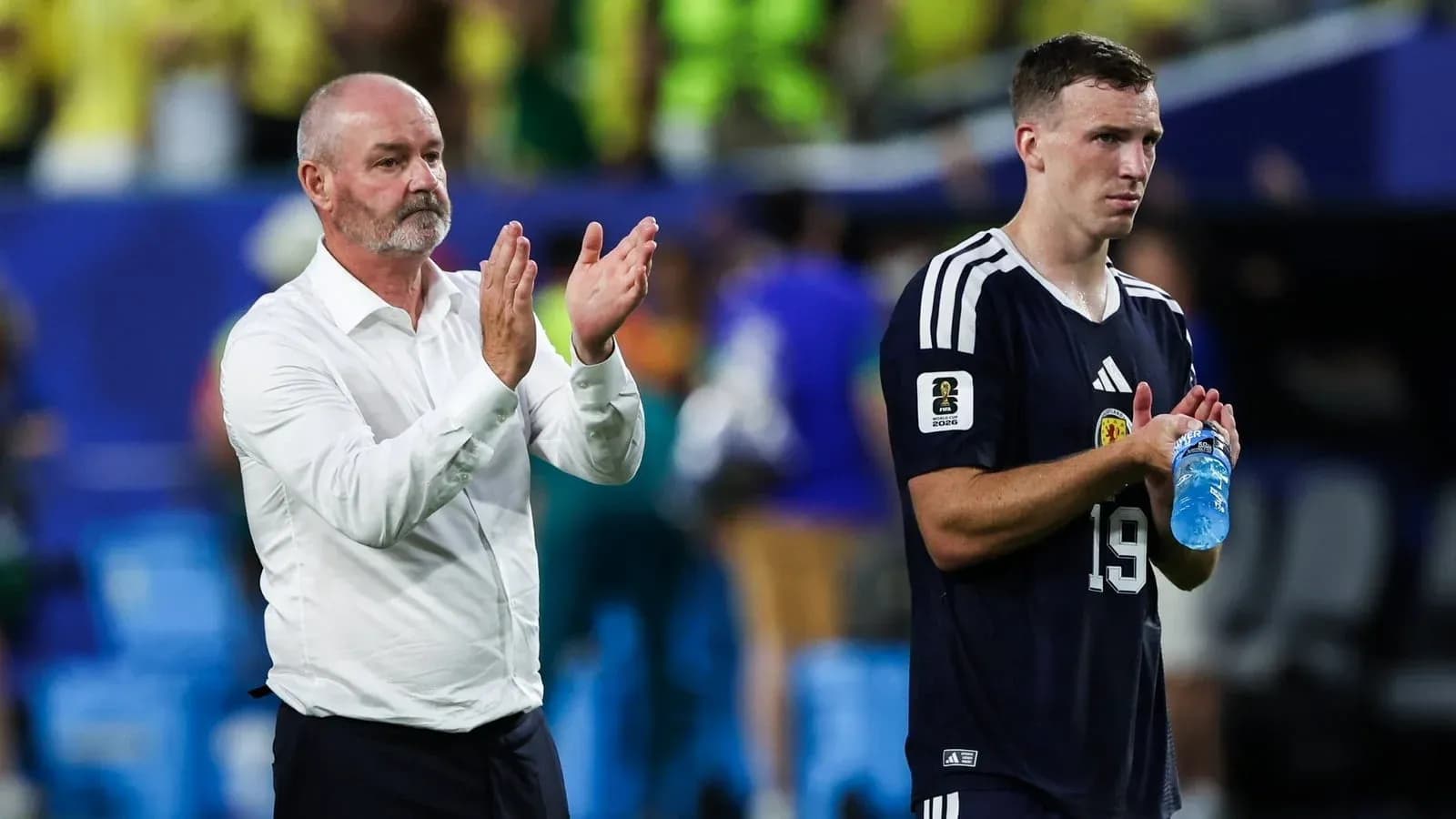
Scotland's World Cup Hopes Hang by a Thread
Lewis Ferguson did not bother dressing it up. “I think we just let ourselves down a bit,” he admitted, the words landing with the same weight as the 3-0 scoreline that Brazil had just pinned on Scotland in Miami.
This was supposed to be the night Steve Clarke’s side stood toe to toe with the giants of Group C and shoved the door to the knockout stages open. Instead, they left with three points from three games, a minus-three goal difference and a World Cup campaign now hanging by a fraying thread of mathematics and hope.
From control to chaos
Scotland’s tournament had started with promise. A tight, efficient 1-0 win over Haiti, the kind of result that usually settles a squad and clears the head. Then came a 1-0 defeat to Morocco, narrow on the scoreboard but damaging in its own way, chipping away at belief.
Brazil finished the job. Ruthlessly.
Back at base camp in Charlotte, North Carolina, Ferguson cut through the noise. The Bologna midfielder has been Scotland’s standout in this campaign, the one player consistently trying to drag the team up the pitch, but he spoke like a man who knew that individual form counts for little when the margins are this fine.
“It’s going to be nervy watching some of the games and looking out for the results,” he said. “That’s not what we want, that’s not the position we want to be in.”
He is right. This is not where Scotland expected to find themselves: three points on the board, yet clinging to the wrong end of the third-place table. As it stands, they are the eighth-best of the third-placed sides, propped up only by goal difference and the hope that chaos in other groups might yet be kind.
They need help now. A lot of it.
A campaign slipping from their grasp
The frustration for Ferguson lies in the sense that Scotland had done the hard part. Win your opener, stay alive going into the final game, and the rest is in your hands. They ticked the first box, then watched the next two slip away.
“We wanted to go and give ourselves a chance to get through, we’ve done that by getting the three points,” he said. “But I think the last two games we probably let ourselves down a little bit.”
There was no attempt to hide behind the quality of the opposition, even as he acknowledged it.
“We wanted to get better results, albeit we are coming up against some top-level sides and it is really difficult. But I had full belief that we’ve got the quality within our squad to get results against these kind of teams and, sadly, we’ve just come out short.”
The honesty stings because it feels accurate. Scotland have shown flashes – 10, 15 minutes at a time – when the press has bitten, the passing has flowed and the structure has held. Then, just as quickly, those spells have vanished, replaced by loose touches, gaps between the lines and pressure that never quite turns into chances.
That inconsistency has left them exposed to the cruellest equation at this level: three points might be enough, but that minus-three goal difference lurks like a verdict waiting to be read out.
“That first three points might come in handy,” Ferguson admitted, “but just the feeling right now is that you know the goal difference probably doesn’t stand us in good stead.”
Waiting, watching, wondering
The next few days will be a test of temperament as much as talent. Scotland can no longer influence their fate; they can only sit in Charlotte, train, refresh, and watch the other groups play out like a slow-motion verdict.
“It’s going to be nervy,” Ferguson said. “We wanted to do it on our part and get the points necessary. Now we need to wait and hope for other results to go our way, and whether that’s the case or not, it’s just a waiting game.”
This is where the dressing room hierarchy matters. The midfielder knows it.
“This is the time for the more experienced lads to get around everybody,” he said. “I think we’ve got those kind of guys within the squad that can do that and can lift the spirits. We’ve got a couple of days now, and we’ll need to try and build that positivity back up.”
Hurt. Anger. Frustration. Those were the emotions Ferguson listed in the aftermath in Miami. The trick now is to turn them into something useful, not let them calcify into regret.
No hiding place in the knockouts
If the numbers do fall Scotland’s way and they reach the knockout stage for the first time, the message from one of their key men is blunt: this level of performance will not be enough.
“I think we’ve showed in spells that we can be a really good team,” Ferguson said, “but we’ve never quite just had that proper 90-minute performance, which we’re going to need if we do get through the knockout stages.”
That is the crux of it. At this stage of a World Cup, you do not survive on spells. You survive on full, ruthless, concentrated performances.
“There are no second chances there,” he added. “You need to be on it for the full 90 minutes, and any sort of slip of any mistake can cost you, especially at this level.”
So the diagnosis is clear. So is the prescription.
“We need to improve. We know we need to improve in a lot of aspects,” Ferguson said. “We’ll try and put those things right over the next few days, and if we do get the chance to get into the next round, then we need to be better if we’re going to progress again.”
For now, Scotland wait. The group table, not the pitch, is their arena. If the door to the last 16 opens even a fraction, the question is no longer whether they deserve to be there.
It is whether they can finally deliver the 90-minute performance this tournament has been demanding from them all along.
Related News

Raphinha’s Hat-Trick Powers Barcelona to 7-2 Victory Over Racing Santander

Carabao Cup Fourth Round Draw: Liverpool Set to Clash with Chelsea, Arsenal to Face Fleetwood Town

Key Football Matches to Watch in Azerbaijan This Autumn

Raphinha's Hat-Trick Drives Barcelona to 7-2 Triumph Over Racing Santander
Hansi Flick Leads Barcelona to Record-Breaking Seven Wins in a Row

Gavi Reflects on Injury Return as Barcelona Dominate Racing Santander 7-2