
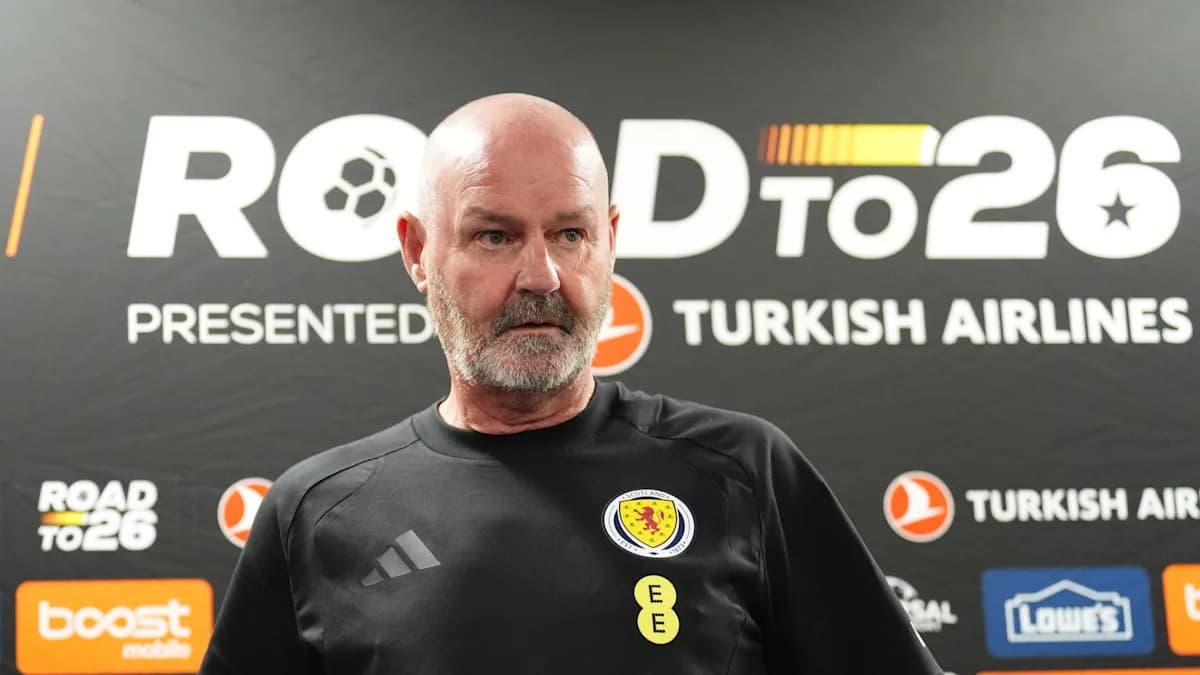
Scotland Prepares for World Cup Opener Against Haiti
Steve Clarke had already heard the alarm bell. Haiti’s 4-0 demolition of New Zealand only made everyone else jump.
While the rest of the world started re-checking their World Cup wall charts after that result in Fort Lauderdale, the Scotland manager was standing in New Jersey, quietly unmoved. He never bought into the idea that Haiti would be the soft touch in a group that also contains Brazil and AFCON champions Morocco. He still doesn’t.
Scotland face Bolivia on Saturday in their final warm-up, then fly into Foxborough for their World Cup opener against the Caribbean side. It is their first appearance on the biggest stage since 1998, and the clearest opportunity in the group to bank three points and launch a genuine push for the knockout rounds for the first time in their history.
The narrative around Haiti, though, has shifted sharply. Ranked 81st in the world, coached by Frenchman Sebastien Migne and long filed under “outsiders”, they ripped New Zealand apart at Chase Stadium, looking nothing like the plucky minnows many assumed them to be.
Clarke never bought that stereotype.
“They were really good the other night,” he said at Sports Illustrated Stadium, his tone more matter-of-fact than surprised.
Scotland, he argued, fall into a familiar British trap when looking at nations outside the traditional European and South American power blocs. “We’ve got a terrible habit, not just in Scotland, but in the UK in general, of looking at these nations and thinking they’re not very good, or looking at whatever their ranking in the world,” he said.
Then came the point he has been hammering home inside the camp: the rankings don’t tell the whole story. Different confederation. Different opponents. Different style of football. “They play in a different section of the world, so maybe in their section, they’re really good.”
The tape of that New Zealand game backs him up. “If you watched them play the other night against New Zealand, they were much better than New Zealand,” he added. “Big, strong physical, but not only big, strong physical… also technical. They have good players who play in good leagues.”
For Clarke, Haiti were always a problem waiting to happen for anyone who took them lightly. The scoreline in Fort Lauderdale simply broadcast that danger to a wider audience. “I was never under any illusion, it was going be a tough game,” he said. “It’s probably nice that some people get to see how they played the other night, because it’s going be a difficult game for us.”
If Haiti’s statement win has sharpened outside perceptions, Scotland’s own preparations have taken a painful hit. Billy Gilmour’s World Cup dream ended with a knee injury in the 4-1 win over Curacao, a warm-up that was supposed to build rhythm, not break hearts.
Clarke did not attempt to dress it up. Losing a player of Gilmour’s quality and influence so close to a tournament is a brutal blow. But he refused to let that moment drag the squad into self-pity.
“Injuries are part and parcel of football,” he said. “When it happens, especially when it happens in the circumstances that happen to Billy, it’s really disappointing. Everybody’s got to take a deep breath and move forward again.”
There will be no tactical retreat into caution against Bolivia. No half-pace friendly, no protective bubble around his key men. A few players are carrying minor niggles, but nothing that will alter his plan.
“You want me to wrap them in cotton wool and not train? You need to work,” Clarke snapped, when asked if he might dial back the intensity. For him, preparation trumps paranoia.
“Selection is straightforward. We have to do what we have to do to prepare for the Haiti game,” he explained. “So players need minutes. I need to see one or two players’ position on the pitch. And then we’ve got a week to prepare for the first game, so it’s all about preparation. There’s no trying to protect players or whatever.”
This is the balance Scotland must strike on American soil: build sharpness without breaking bodies, respect Haiti without fearing them, carry the weight of 26 years of absence without letting it crush them.
Bolivia in New Jersey is the last rehearsal. Haiti in Foxborough is the first real test of whether Clarke’s warnings – and his refusal to underestimate anyone – can push Scotland somewhere they have never been before.
Related News

Raphinha’s Hat-Trick Powers Barcelona to 7-2 Victory Over Racing Santander

Carabao Cup Fourth Round Draw: Liverpool Set to Clash with Chelsea, Arsenal to Face Fleetwood Town

Key Football Matches to Watch in Azerbaijan This Autumn
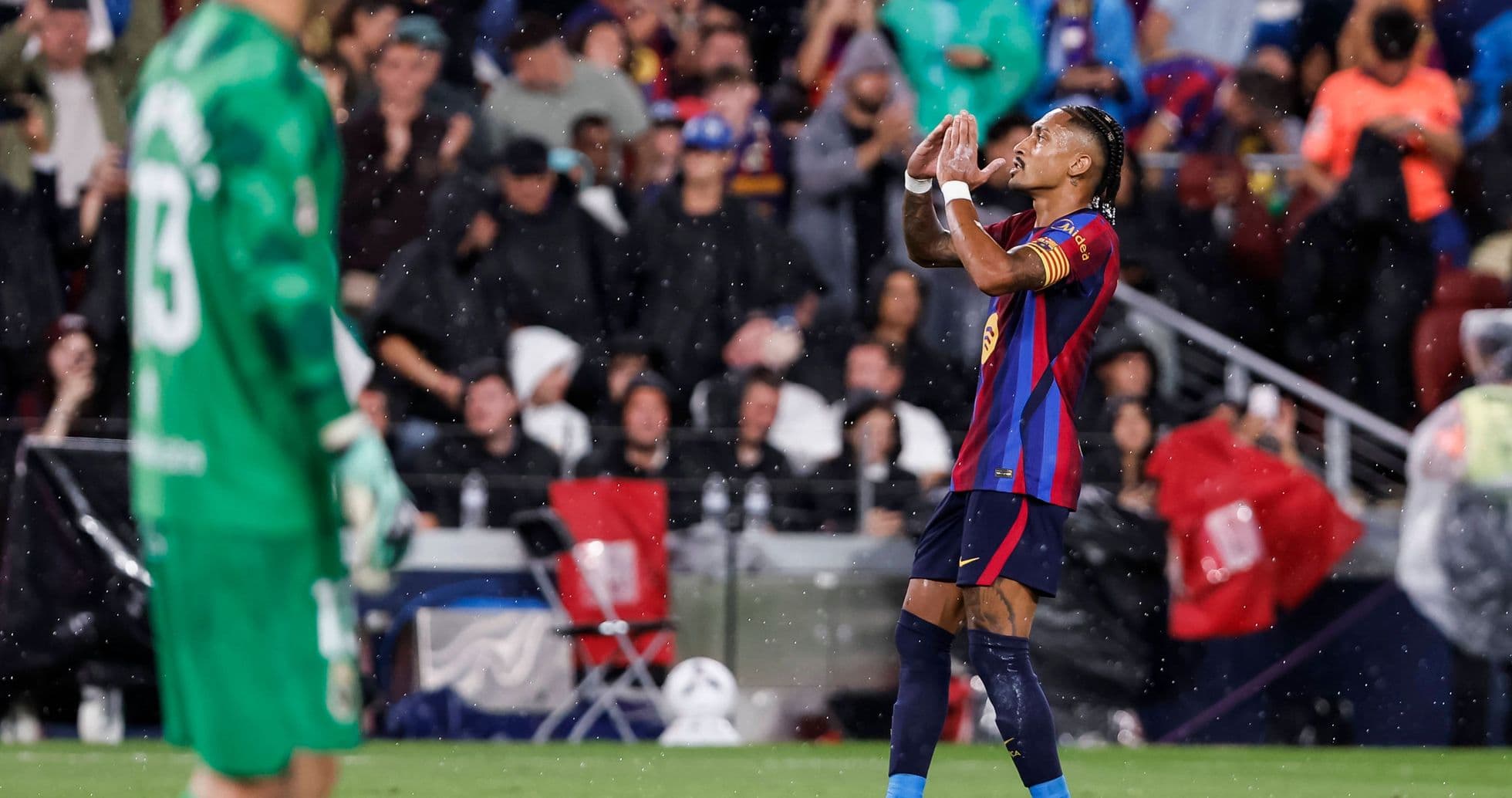
Raphinha's Hat-Trick Drives Barcelona to 7-2 Triumph Over Racing Santander
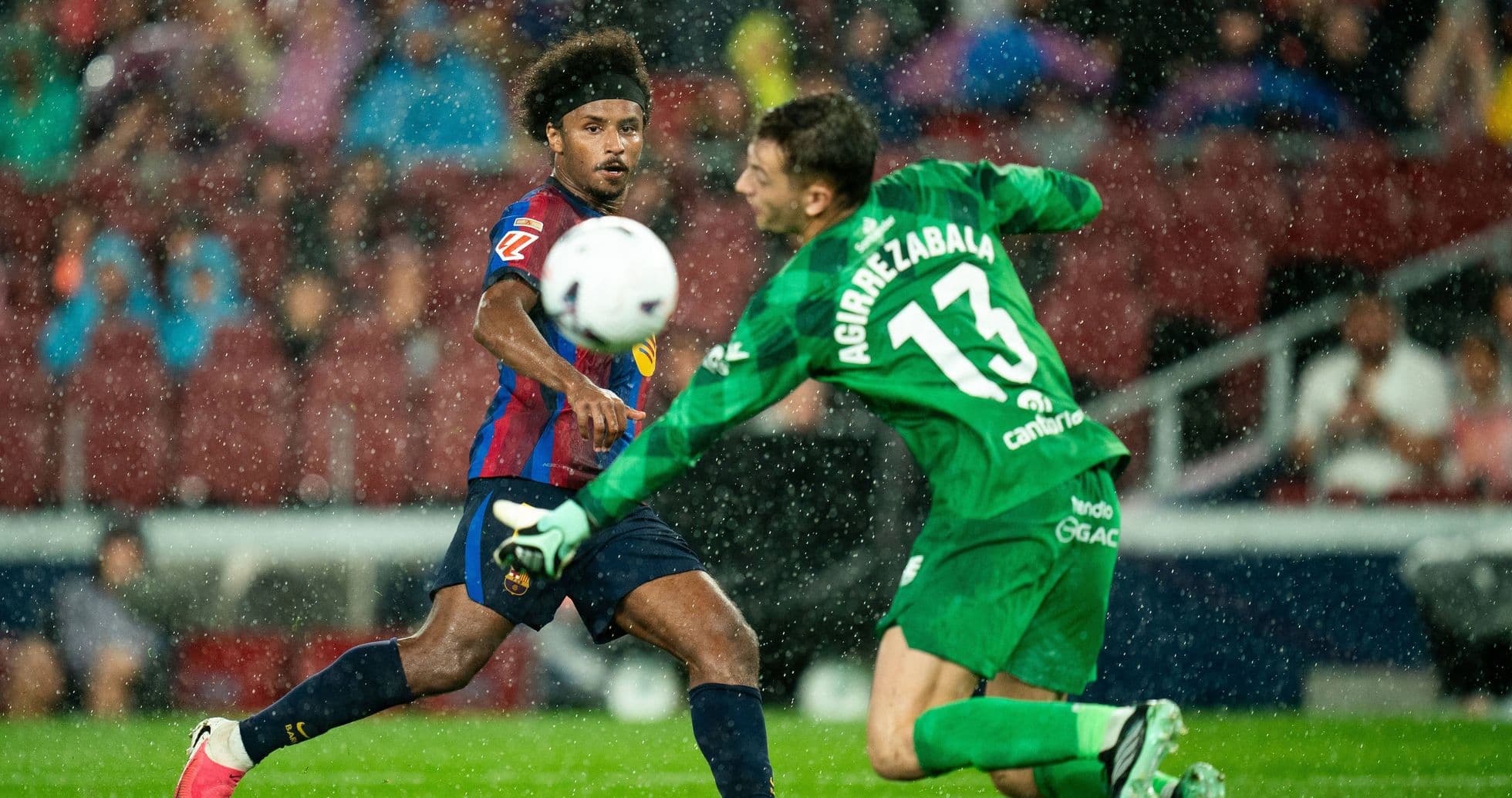
Hansi Flick Leads Barcelona to Record-Breaking Seven Wins in a Row
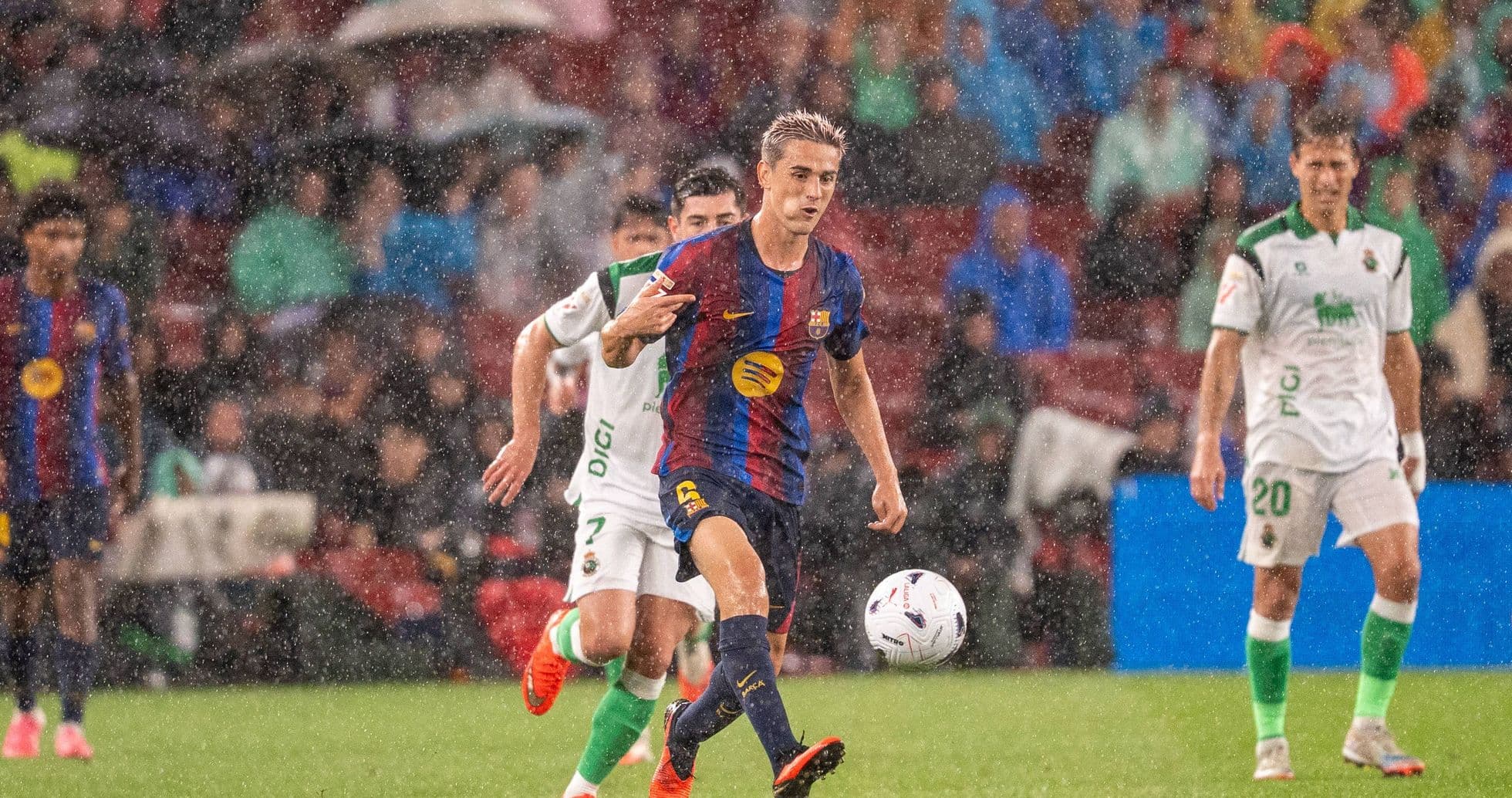
Gavi Reflects on Injury Return as Barcelona Dominate Racing Santander 7-2