
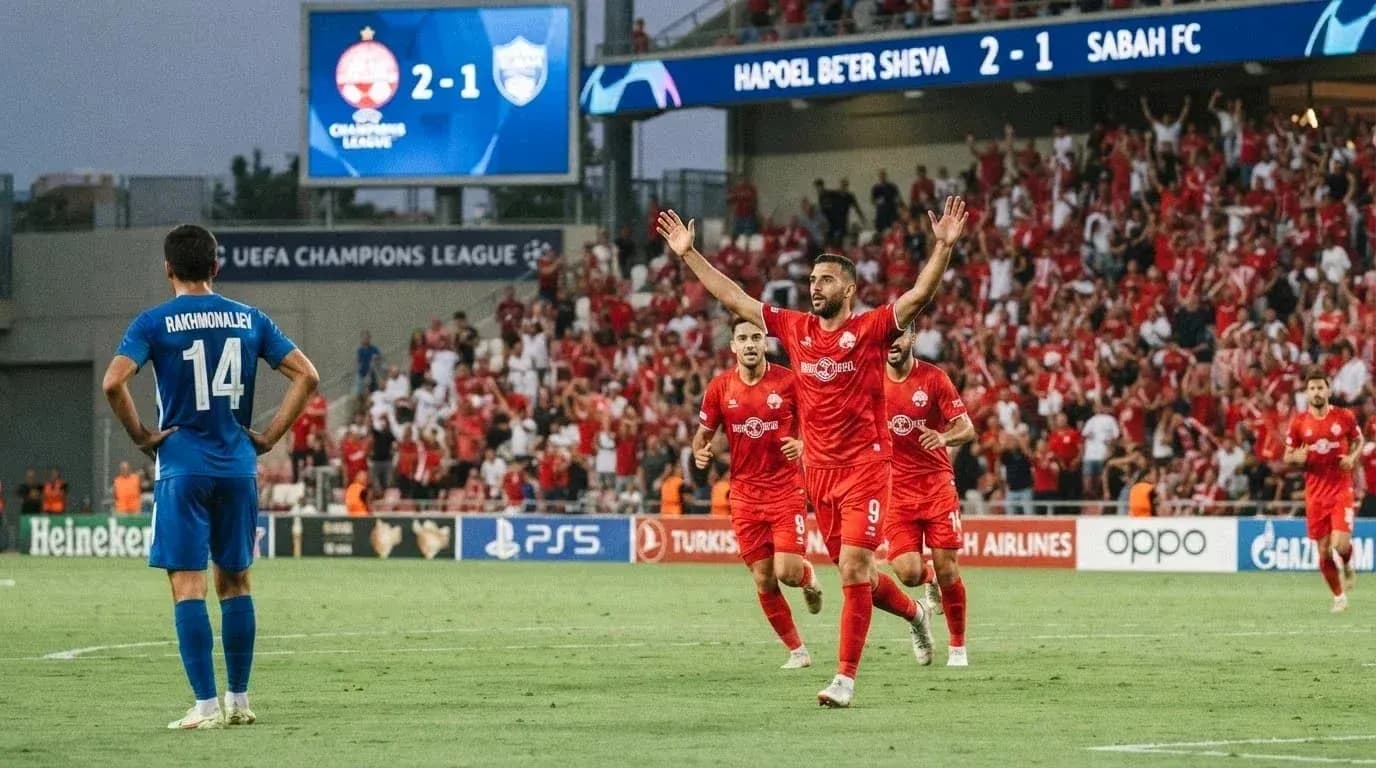
Sabah FA vs Hapoel Beer Sheva: UEFA Champions League Play-Off Analysis
Sabah FA host Hapoel Beer Sheva at the Tofiq Bahramov Stadium in Baku in a UEFA Champions League play-off second leg that will define who reaches the lucrative group stage; with no league-table context available, this tie is season-defining financially and in terms of continental profile for both clubs.
Head-to-Head Tactical Summary
The only recent meeting in the data is the first leg of this play-off on 19 August 2026 at Superbet Arena - Giulesti in Bucharest, where Hapoel Beer Sheva, as the home side, beat Sabah FA 2-1. The half-time score was 1-1 before Hapoel Beer Sheva edged the second half to secure the 2-1 full-time result. That match showed Sabah capable of scoring away but also vulnerable to conceding twice, while Hapoel Beer Sheva combined compact defending (only one goal conceded) with enough attacking efficiency to carry a narrow advantage into the return leg.
Global Season Picture
- League Phase Performance: There is no standings data available for either team in the UEFA Champions League play-off round, so their position, points, and goals for/against within a group or league phase cannot be quantified from the provided information.
- Season Metrics: In the league phase of this Champions League campaign, Sabah FA have played 7 matches, winning 5 and losing 2, with 13 goals scored and 5 conceded. They average 1.9 goals scored and 0.7 conceded per game, with 4 clean sheets and no matches without scoring, indicating a high-output, defensively solid profile. Their preferred setups are 4-2-3-1 (used 6 times) and 4-3-3 (once), suggesting flexibility between a more structured double pivot and a more aggressive front three. Hapoel Beer Sheva have played 5 matches, winning 4 and losing 1, with 8 goals scored and 3 conceded, averaging 1.6 scored and 0.6 conceded per match. They also have 3 clean sheets and have scored in every game, operating exclusively in a 4-3-3 shape across all 5 fixtures, pointing to a stable, pressing-oriented structure with balanced lines.
- Form Trajectory: Sabah FA’s form string of WWWWLWL shows an early run of four consecutive wins followed by a more volatile pattern of two losses in their last three outings, hinting at a slight cooling after a very strong start. Hapoel Beer Sheva’s form line LWWWW indicates they opened with a defeat but have since responded with four straight victories, including the 2-1 home win over Sabah, suggesting a sharply upward trajectory and growing confidence coming into this decisive leg.
Tactical Efficiency
Across this Champions League campaign, Sabah FA’s attacking efficiency is reflected in 13 goals from 7 matches and an average of 1.9 goals per game, with no fixtures in which they failed to score. Their biggest home win of 4-0 underlines their capacity to overwhelm opponents at their best, while a consistent use of a 4-2-3-1 or 4-3-3 supports a front-foot approach. Defensively, conceding only 5 goals in 7 matches and keeping 4 clean sheets points to a generally robust back line, particularly at home where they have yet to concede in the data set (7 scored, 0 against in 3 home games). However, the 2-1 away defeat to Hapoel Beer Sheva shows that when pushed higher up the pitch, they can be opened up by quality transitions.
Hapoel Beer Sheva’s tactical efficiency is built on a stable 4-3-3 and a strong defensive base: 3 goals conceded in 5 matches, an average of 0.6 per game, and 3 clean sheets. Their attack is slightly less prolific than Sabah’s in raw numbers (8 goals, 1.6 per match) but is notably efficient in key moments, as seen in the first leg where they converted their opportunities to take a 2-1 lead. Both teams share the trait of always scoring so far, which points towards a second leg where attacking patterns are likely to be maintained: Sabah needing to chase the tie and Hapoel Beer Sheva set up to threaten on the break while protecting their narrow aggregate advantage.
The Verdict: Seasonal Impact
This second leg functions as a hinge point for both clubs’ 2026 campaigns. For Sabah FA, overturning a 2-1 first-leg deficit would not only secure a place in the Champions League group stage but also validate their strong attacking metrics and home defensive record at a higher level, potentially reshaping their financial and recruitment horizons for years. Failure to progress, despite impressive underlying numbers, would reframe the season as one of promise without breakthrough, pushing their focus back to domestic objectives and possibly the consolation of a lower-tier European competition.
For Hapoel Beer Sheva, successfully defending their aggregate lead would confirm the upward form trend signalled by four straight wins and reinforce their identity as a compact, efficient 4-3-3 side capable of managing high-stakes away legs. Reaching the group stage would elevate them into a different financial and competitive bracket and could anchor their domestic title push with the momentum of European success. Conversely, letting this advantage slip in Baku would recast their early-season surge as fragile, raising questions about game management under pressure. In seasonal terms, the result in Baku will largely determine whether each club’s 2026 narrative is built around Champions League nights or the challenge of recovering from a missed opportunity.
Related News

Lamine Yamal Shares What Barcelona Must Do to Triumph in the Champions League
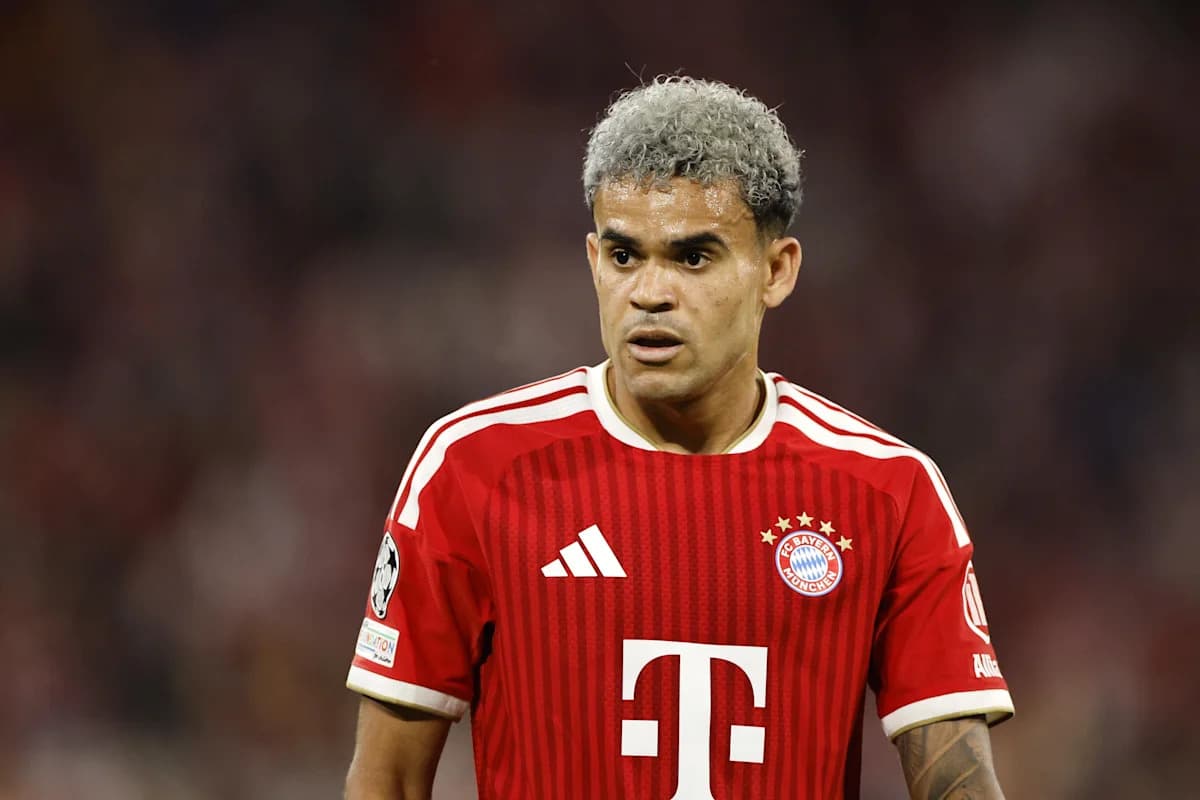
Luis Díaz Confident Bayern Munich Can Win Champions League
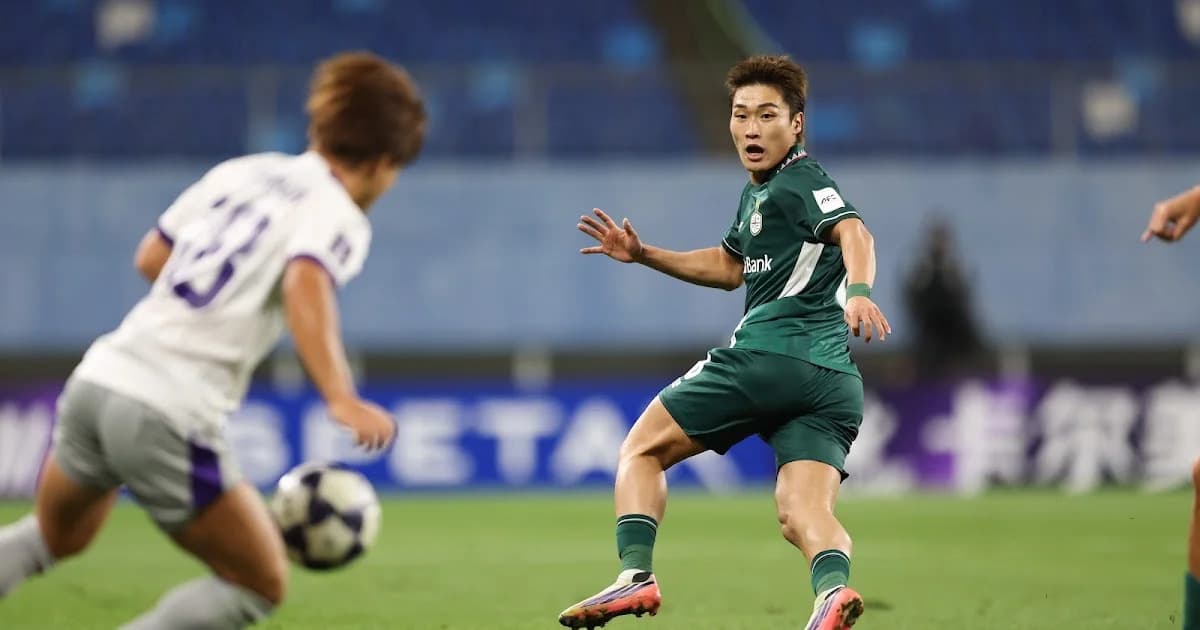
Insights from AFC Champions League Matchday One: K League Clubs’ Strategies

Vincent Kompany's Bayern Munich Future Not Tied Solely to Champions League Outcome
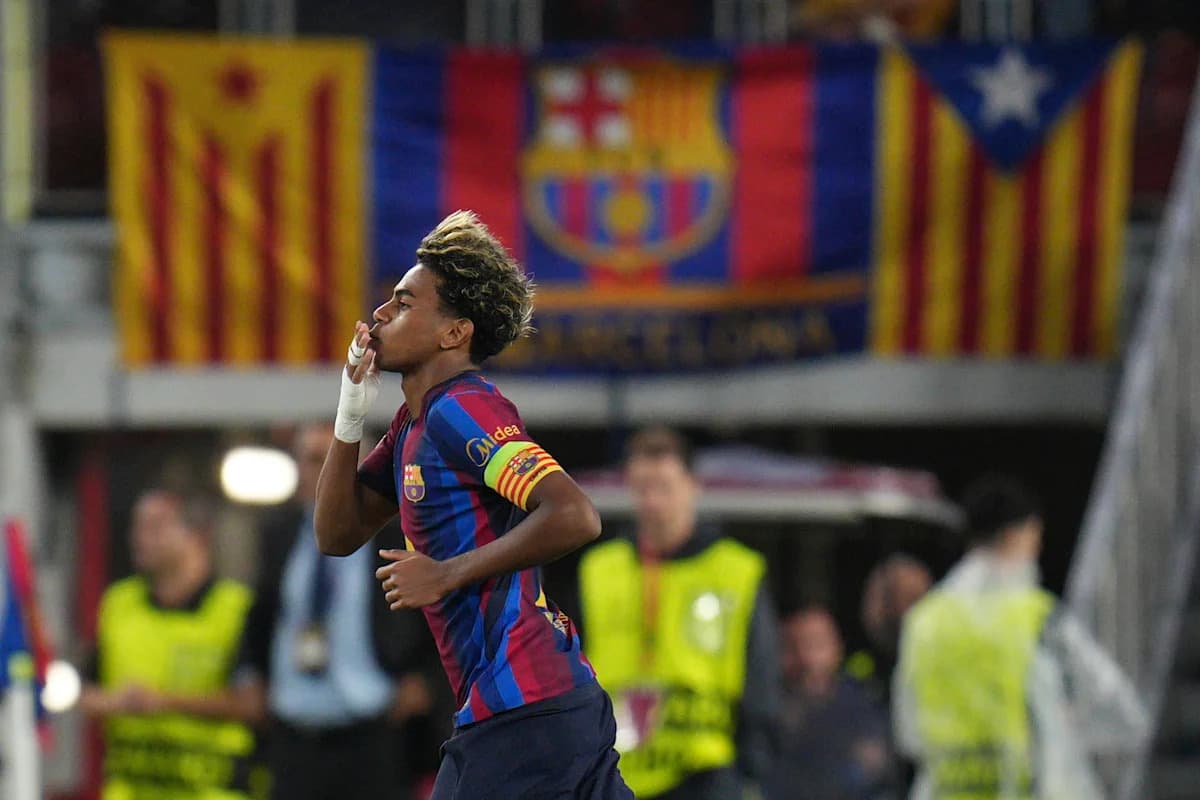
Barcelona's Camp Nou Chosen for 2029 Champions League Final, Munich Set for 2028
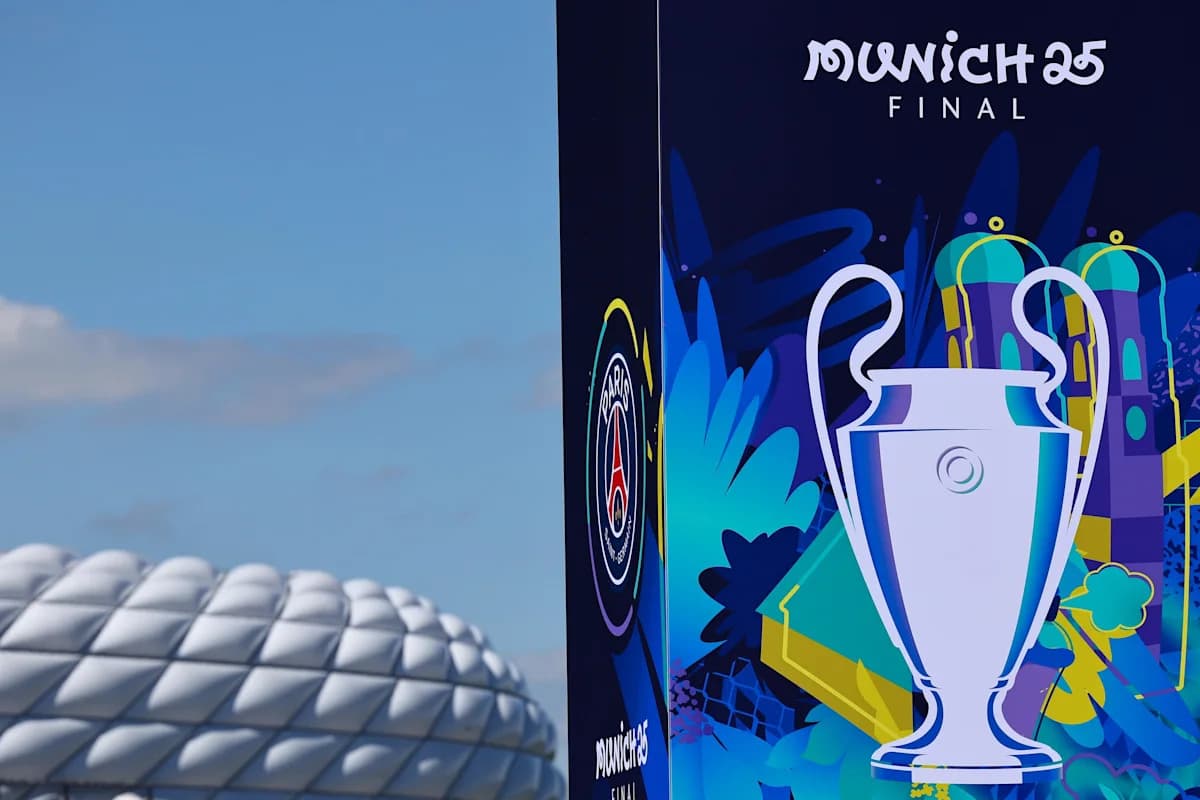
Allianz Arena to Host 2028 UEFA Champions League Final