
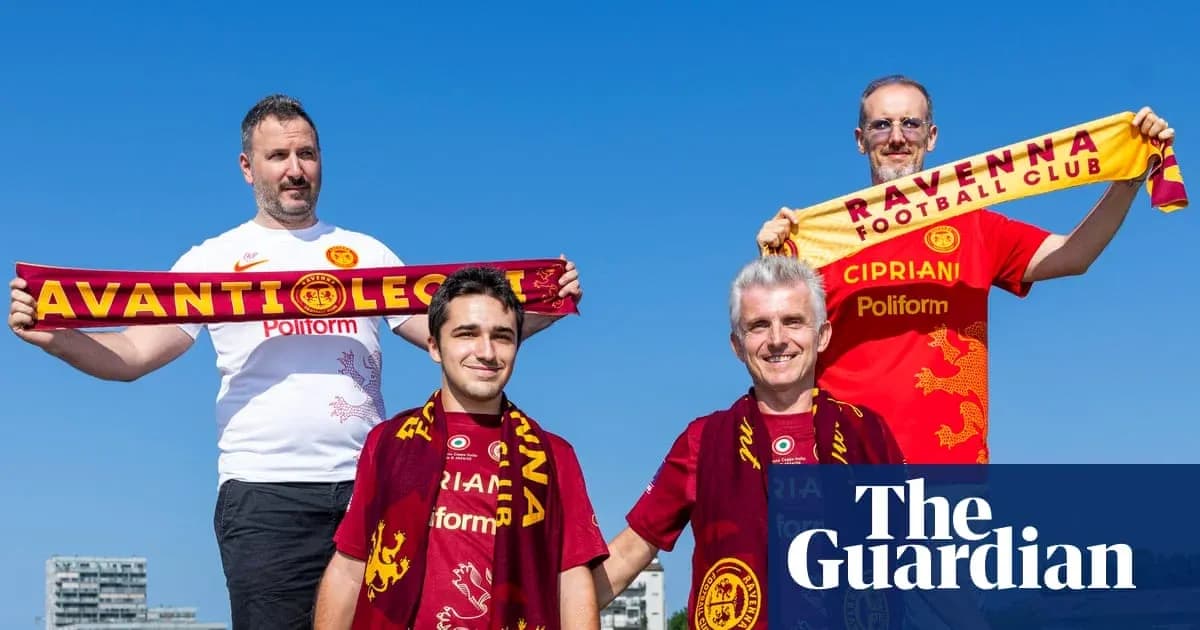
Ronaldinho's Return to Ravenna: A Bold Football Dream
On a blazing afternoon in Ravenna, the heat shimmers off cobblestones better suited to tourists and art historians than football pilgrims. This is a city that usually sells mosaics and Dante, not stepovers and no-look passes. Yet in the historic centre, the conversation is about one man: Ronaldo de Assis Moreira. Ronaldinho.
At a cafe, four Ravenna supporters leaf through La Gazzetta dello Sport and deadpan that they still haven’t seen him. The irony is dry, the scepticism real. To them, the whole thing looks like a marketing circus. But beneath the sarcasm, there’s a flicker of something they can’t quite smother: the idea that the 2005 Ballon d’Or winner, the 2002 World Cup champion, might actually pull on their yellow and red shirt.
For a club that has spent most of its life in the shadows, the last year has felt like a script rewrite.
Cipriani’s big bet
The man driving this improbable story is Ignazio Cipriani, heir to the Venetian hospitality empire behind Harry’s Bar and grandson of Raul Gardini, the industrialist and sailor who took Il Moro di Venezia to the America’s Cup final in 1992. When he arrived in 2024, Ravenna were in Serie D, lodged in the fourth tier, more local habit than national story.
In his first season as president, Ravenna won the Serie D Cup and climbed into Serie C. For most clubs, that would be a solid project. For Cipriani, it is barely base camp.
“Serie A is the goal I declared from day one because I intend to reach it,” he says. The Champions League, he insists, is the distant horizon. He talks like a man who enjoys pressure, who wants his back against the wall so there are “no alibis” and no room for excuses. Either you find solutions, or you get out of the way.
Then came the move that made the rest of Italy check the calendar to see if it was April Fools’ Day: bringing back Ronaldinho. As a player. At 46.
Cipriani explains the connection with the ease of someone who lives in boardrooms and VIP lounges. Lorenzo Tonetti and Ariedo Braida, long-time AC Milan executives, opened the door. From there, meetings turned into a friendship, and the friendship into something bolder. Out of that came the promise that has set the city buzzing: Ronaldinho will wear the Ravenna shirt, and he will try to score the last goal of his career here.
The statement is outrageous. It is also, in this corner of Emilia-Romagna, now taken very seriously.
A marketing masterstroke in a modest club
The reaction was instant. A dedicated website launched a special-edition shirt, stamped with Ronaldinho’s “R10” logo. It vanished in hours. A global brand, a small-town club, a perfectly timed stunt. The collision is almost absurd.
“If someone had told me three years ago that Ronaldinho was coming to Ravenna, I would have sent them straight to the psychiatric ward,” laughs Fabio, a lifelong fan. The night the story broke, he watched international outlets light up with the same headline: “Ronaldinho to Ravenna”. For a club whose greatest achievement is seven seasons in Serie B, it felt like the world had suddenly found them on the map.
Ravenna’s football history is littered with bankruptcies, in 2001 and 2012, and with long spells in the lower divisions. Volleyball has often drawn more energy and prestige. Budgets were tight, ambitions modest, rivalries mostly regional.
Now, the club president talks about building a bridge between generations. “Ronaldinho is a unique icon,” Cipriani says. His football seduced an entire era. The plan is to let his aura do it again, this time for Ravenna – to make kids in Italy and abroad fall in love with a club that, until yesterday, barely registered beyond its province.
A city leaning into the spotlight
To match the rhetoric, the infrastructure needs to grow. The Stadio Bruno Benelli, with its capacity just above 6,300, is in line for renovation in partnership with the municipality. The vision stretches further: a multi-purpose arena open every day, with shops, concerts, and a Hotel Cipriani plugged into Ravenna’s expanding tourist circuit.
Mayor Alessandro Barattoni sees the arrival of a global icon as a perfect fit for the city’s broader strategy. Ravenna has been trying to move beyond the image of a beach and port town, strengthening ties with the Anglo-Saxon world, welcoming a visit from the British royal family, opening the Lord Byron Museum. Ronaldinho, he notes, instantly lifts the city’s name into a different orbit.
When the news broke, Barattoni’s phone lit up with messages from old school friends. For younger generations, he admits, Ronaldinho might be a YouTube discovery rather than a living memory, but the magnetism is unchanged. The mayor even jokes he would gladly show him around the city’s cultural treasures if schedules align.
He is careful, though, to define the city’s role. The shared ground with the club is internationalisation: exporting Ravenna’s image, using Ronaldinho’s status as a global ambassador to give both team and city a louder voice. And he points out that the club’s work did not start with this signing. Even before the Brazilian’s name appeared, the stands had begun to fill with younger, more engaged supporters. Something resembling a community was already taking shape.
Tradition versus the new football economy
Not everyone is sold on the glitz. In the Curva Mero, where the hardcore fans stand, there is unease about the game’s direction. Fabio admits that some sections of the support eye these moves with suspicion. Modern football, he says, pushes values many do not share: rising ticket prices, less accessibility for families with limited means. Visibility can quickly feel like exploitation.
Cipriani does not duck that tension. “Without roots, no global project makes sense,” he insists. Ravenna is not a blank slate to be branded; it is a club with a past, with scars and memories. Tradition, he argues, is not an obstacle but the base layer. Strip away the people in the stands, and the club is worth nothing.
Giovanni, another fan in his 50s, has been coming to the stadium since school. He senses something stirring that he thought he had left behind. If it takes an icon like Ronaldinho and a local entrepreneur with big ideas to make them dream of Serie A again, he says, then so be it – as long as the people in the terraces are never forgotten.
The Ronaldinho Effect takes hold
The numbers show how quickly the mood has shifted. The season-ticket campaign has launched with a target of 2,800. Prices are up by around 12% on average, adjusted by section, a clear nod to the new demand that the “Ronaldinho Effect” has unleashed.
On the pitch, the club is quietly putting together a squad built to win promotion. Off it, the city is counting down to 20 August, when Ronaldinho is expected to appear at a three-day summer festival in Marina di Ravenna, staged with Cipriani’s trademark flair.
For now, Ravenna lives in a strange, exhilarating in-between. It is still the club that once fell into bankruptcy and drifted in the lower leagues. It is also the club that convinced one of football’s great entertainers to lace his boots again, if only for a final flourish.
The question no one dares answer yet is simple: is this a fleeting dream, or the first outrageous step on a road that really does lead from the mosaics and tombs of Ravenna to the bright lights of Serie A – and beyond?
Related News
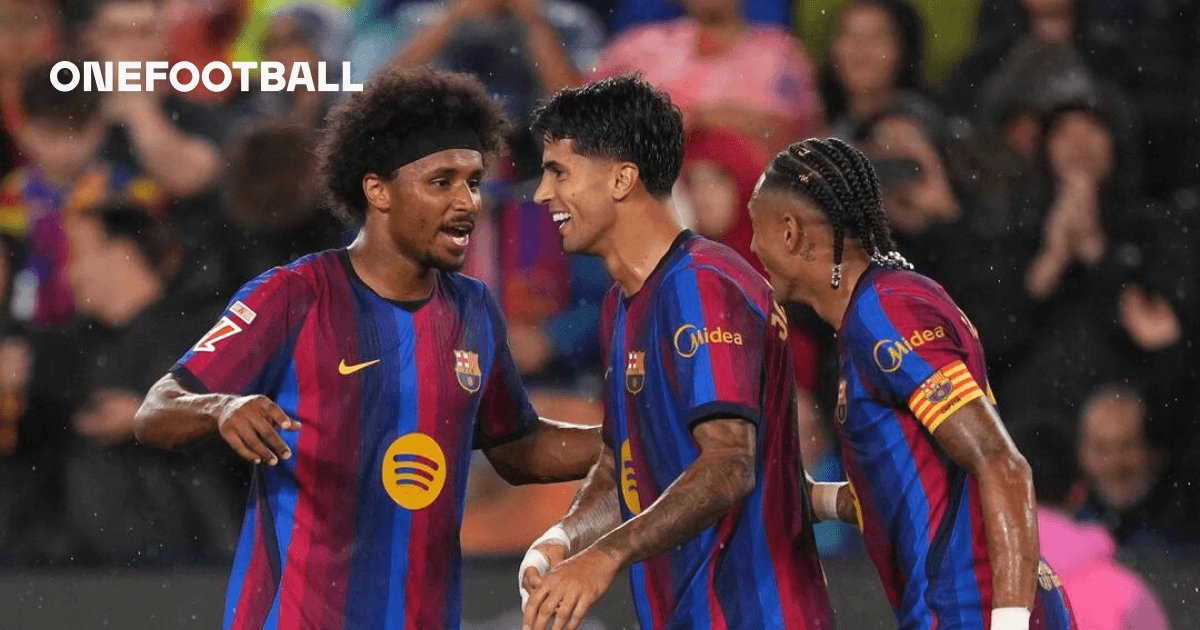
Raphinha’s Hat-Trick Powers Barcelona to 7-2 Victory Over Racing Santander
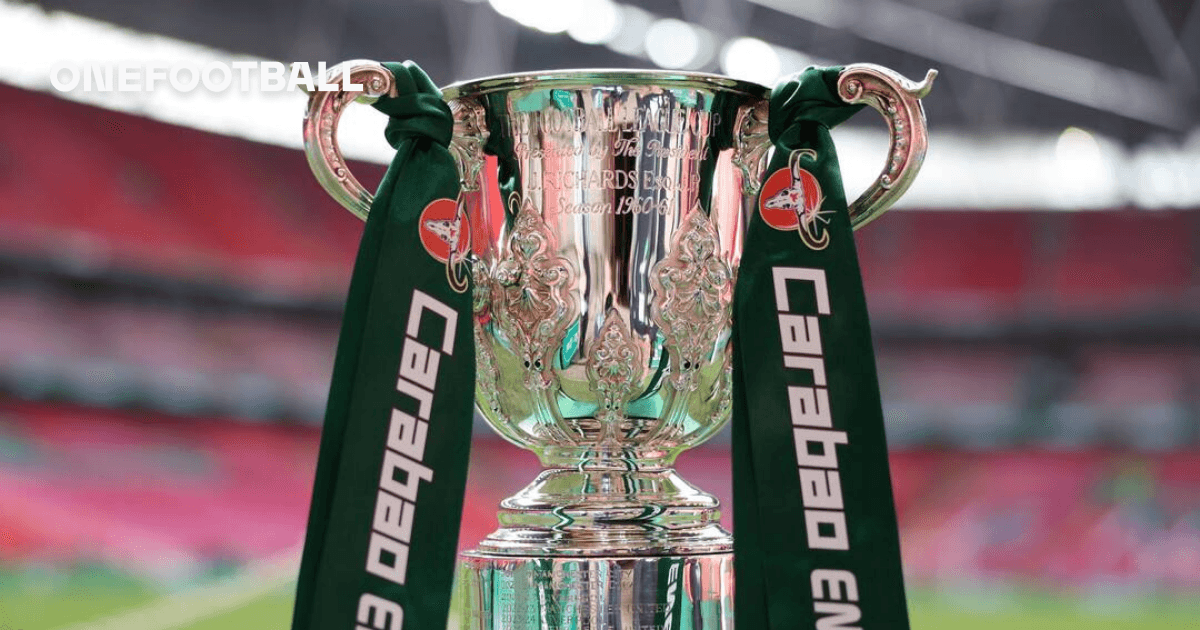
Carabao Cup Fourth Round Draw: Liverpool Set to Clash with Chelsea, Arsenal to Face Fleetwood Town
Key Football Matches to Watch in Azerbaijan This Autumn
Raphinha's Hat-Trick Drives Barcelona to 7-2 Triumph Over Racing Santander
Hansi Flick Leads Barcelona to Record-Breaking Seven Wins in a Row
Gavi Reflects on Injury Return as Barcelona Dominate Racing Santander 7-2