
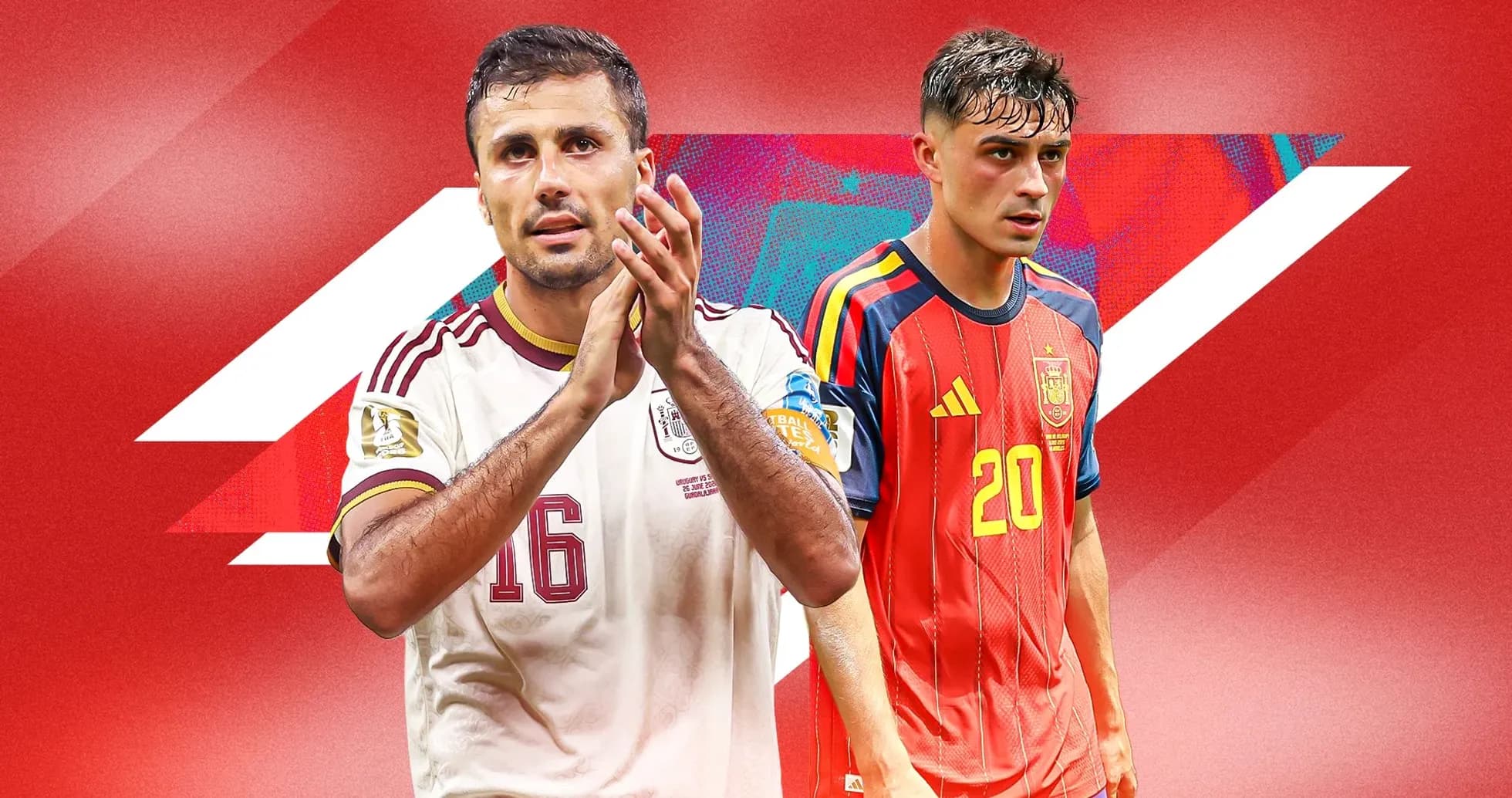
Rodri and Pedri: Spain's World Cup Midfield Dilemma
Rodri has spent this World Cup reminding everyone why he owns a Ballon d'Or. Pedri, meanwhile, has spent it under a microscope.
The idea was seductive: Rodri and Pedri, twin conductors in the middle of the pitch, powering Spain from European champions to world champions. Two years on from their triumph in Germany, that partnership was supposed to be the foundation of another title tilt in North America.
Only one half of the equation has truly caught fire.
Pedri’s tournament began with numbers that usually silence debate. Against Cape Verde, the Las Palmas academy product created five chances – more than any other player on the pitch – yet walked off to criticism. Spain drew 0-0, and the verdict back home was harsh: he hadn’t “taken charge” of the game.
Cape Verde’s subsequent results softened the glare on that stalemate. Spain’s scoreless start no longer looked like a disaster. But the focus on Pedri sharpened. No goals. No assists. No defining moment. For a player who once seemed to bend major tournaments to his will, the absence of an end product has become the story.
At the same time, Jude Bellingham has been tearing through the World Cup with the swagger of a superstar in his element. The comparison is crude – different roles, different responsibilities – but it has fuelled the noise. Real Madrid supporters have revelled in the contrast: their man deciding matches, Barcelona’s playmaker struggling to leave fingerprints on them.
The game has little patience for nuance. Bellingham scores and creates. Pedri, so far, does neither. That’s the line that sticks.
Even so, Luis de la Fuente’s decision to drop Pedri raised eyebrows. The 21-year-old had started five straight games at this World Cup and nine in a row in the competition overall, stretching back to Qatar. Benching a player once considered undroppable felt like a jolt.
De la Fuente’s explanation was blunt and accurate: this Spain squad is loaded, especially in midfield. Someone big was always going to miss out.
He pointed to Mikel Merino as the prime example of that cruelty. The Arsenal midfielder had come off the bench to score a late winner against Portugal, only to find himself among the substitutes again. No sulking, no drama. Just another decisive cameo, another late winner, this time in the 2-1 victory over Belgium.
“It’s unfair that Mikel doesn’t play from the start, but it would also be unfair if someone else were left out,” De la Fuente said. Only 11 can start. The rest must wait, and then deliver.
Pedri has accepted that reality. There have been no tantrums, no leaks of discontent. Unai Simon made that clear after the Belgium game, stressing how even Spain’s backup goalkeepers, David Raya and Joan Garcia, swallow their frustration because the collective prize is too big to jeopardise. Wanting to play is universal. So is the desire to win a World Cup. When the coach hands you a role, you take it.
The question now is what role Pedri will be given against France.
His cameo against Belgium did him no favours. Spain were breaking late, Belgium stretched, and Pedri had the chance to kill the game. Instead, an unusually loose pass squandered the opportunity. It was the kind of moment he usually executes in his sleep; this time, it fed the narrative of a player just off his rhythm.
Fabian Ruiz, in contrast, strengthened his case. He scored Spain’s opener in Los Angeles and, as Simon noted, arrives with the authority of a midfielder who has just won two Champions Leagues in a row with Paris Saint-Germain. He looks like a man at ease with the stage.
On his day, Pedri is still a rare sight. He wins the ball back relentlessly, glides away from pressure and threads passes that split defensive lines. But this tournament has not yet showcased that version. De la Fuente hinted at why: the Pedri who plays for Spain is not the Pedri who plays for Barcelona.
“Pedri is a class player, one of the best in the world, if not the best,” the coach said, before immediately extending the same praise to Fabian. Then came the key line: Pedri cannot play for Spain as he does for Barça. The structures are different, the teammates different, the demands different.
Spain have Rodri, the metronome and shield, so the identity of his partner changes the dynamic. De la Fuente sees Pedri as a player who can operate as a 6, an 8, or a 10, but insists every selection is “very elaborate, very analysed, very tailored to the opponent”. That’s the reality of tournament football at this level. Reputation doesn’t pick the team. Match-ups do.
Against France, the options are stark and tantalising. De la Fuente could reunite Rodri, Pedri and Fabian as a three, as he did against Cape Verde. If Spain have an area where they can genuinely claim superiority over Didier Deschamps’ side, it is in the heart of the pitch. Flooding midfield with three gifted controllers would give La Roja their best chance of monopolising the ball – and starving France’s devastating front four of service.
But that route comes at a cost. Dani Olmo has quietly made the No.10 role his own during the knockouts. His final ball still frustrates at times, yet his movement, pressing and ability to link lines have been vital. To start both Pedri and Fabian probably means Olmo drops out. That’s a bold call on the eve of a semi-final.
De la Fuente has often spoken of Pedri as a “special talent” he prefers closer to the opposition box, where those feints, flicks and one-twos can carve teams open. He also values the way Pedri “always sets a very good tone, whether he’s in top form or not”. Even when the magic is muted, the rhythm is there.
And yet, his recent comments suggest a different plan: unleash Pedri when legs are heavy and spaces appear. “Pedri could benefit from Fabian’s work,” he said after the Belgium win. One lays the groundwork, the other exploits the gaps. It is a vision of midfield as relay, not hierarchy.
That mindset runs through this Spain side. Ego has been parked. Stars accept rotation. Match-winners accept the bench. It is why a debate over Pedri’s place feels strange yet logical. When the talent pool is this deep, nobody is guaranteed anything.
France loom with their “extraordinary, exceptional potential”, as De la Fuente put it. Spain, he insists, have shown the same. The semi-final will demand freshness, energy, and the sharpest possible version of this team.
Whether that version includes the Barcelona Pedri, the Spain Pedri, or some new hybrid in between may go a long way to deciding who walks out of this World Cup with a medal – and who walks away with questions.
Related News
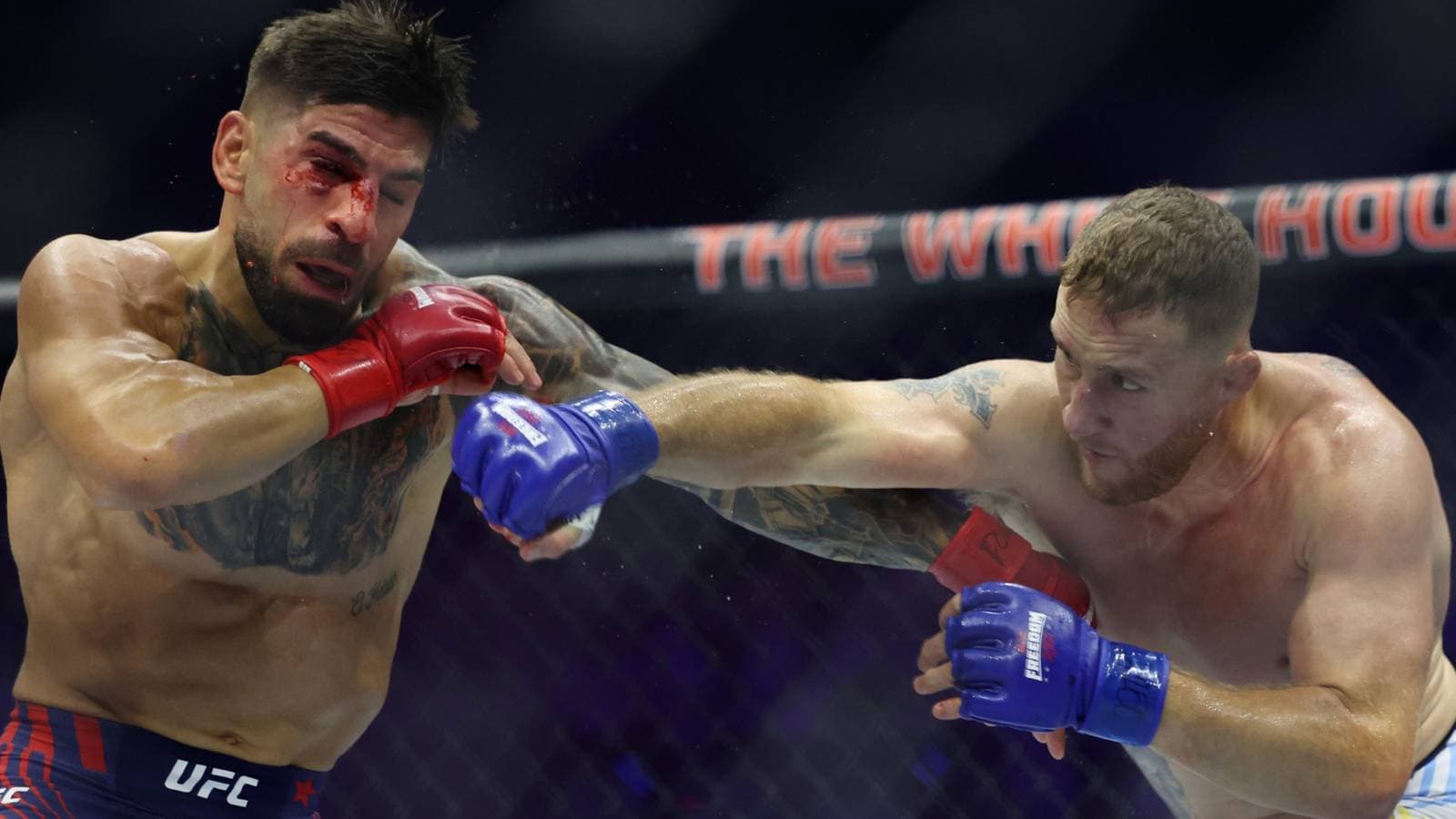
Ilia Topuria Accuses Justin Gaethje After UFC Defeat

Tyson Fury vs Anthony Joshua Fight Date and Venue Confirmed
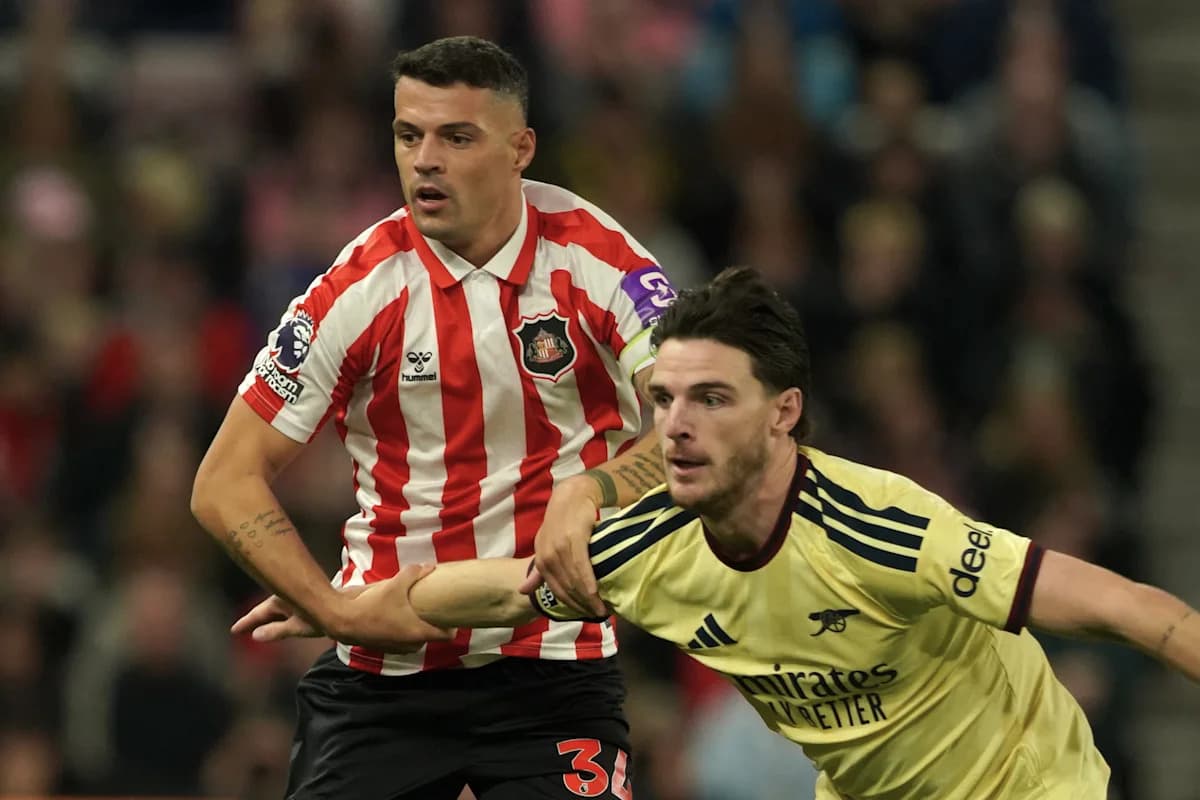
Switzerland Calls Up In-Form Sion Striker Winsley Boteli for Nations League
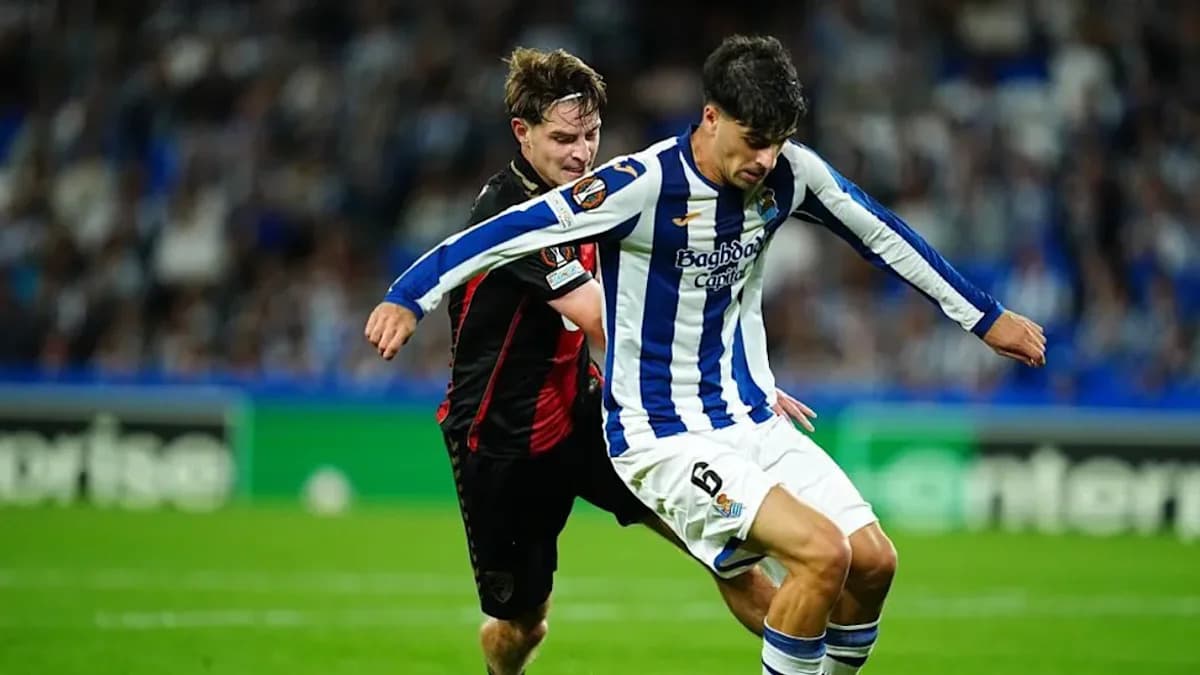
Bournemouth Secures Historic 2-1 Win Over Real Sociedad in Spain
Portugal Announces Squad for 2026 UEFA Nations League; Cristiano Ronaldo Expected to Play
Raphinha Channels Ronaldo Nazario as Barcelona's Leading Striker After Position Change