
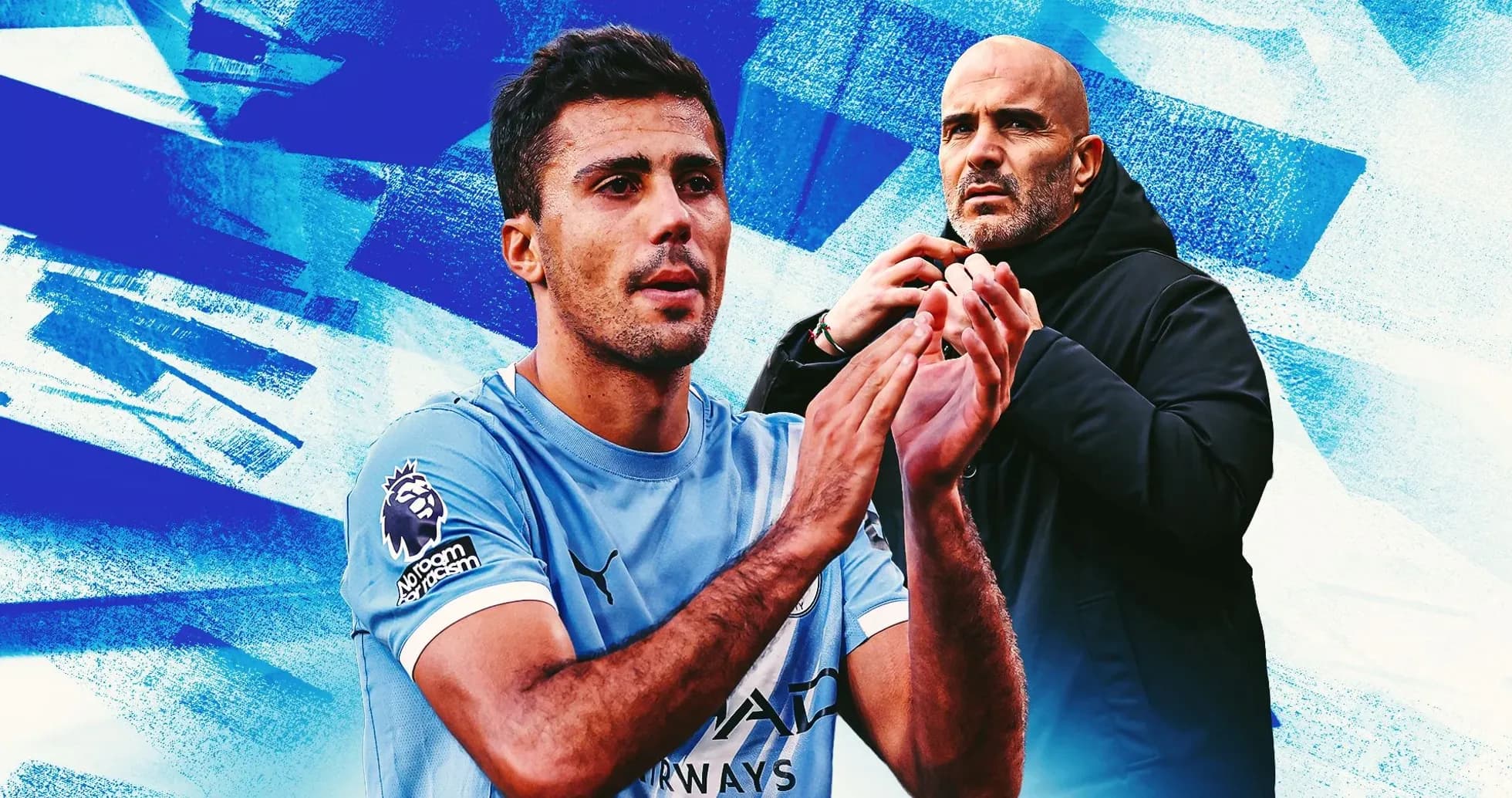
Rodri's Crucial Role in Manchester City's Future
Rodri has spent the last year living with a paradox. The moment that should have crowned him – a Ballon d'Or lifted in Paris – arrived a month after his body gave way, his anterior cruciate ligament tearing in September 2024 and ripping a hole straight through Manchester City's carefully constructed era of control.
Until that point, he had been almost indestructible. Seven games missed in total for City before the injury. Seven. Then came the rupture, the long rehab, the stuttering comebacks, the “niggles” that kept dragging him back to the treatment room just as he tried to find his rhythm again. City’s dominance in the league evaporated at the same time.
Inside the club, they do not see that as a coincidence. They see it as the story.
The best Rodri, on the biggest stage
Pep Guardiola called it early. Back in October last year, while Rodri was still working his way back, Guardiola said: “In the World Cup, he will be the best Rodri, and next season he will be the best Rodri.” It sounded optimistic. It turned out to be prophetic.
In North America this summer, Spain built their World Cup around him. Luis de la Fuente gave him the base of midfield and the keys to the tempo, and Rodri dictated everything. He broke up attacks before they could breathe, recycled possession with that familiar calm, and set Spain’s moves in motion from deep. At 30, coming off a serious knee injury, he looked like the game’s most complete midfielder again.
For City, that World Cup was a reminder and a warning. A reminder that there is no like-for-like replacement for Rodri. A warning that the moment they have always feared – life after him – might be closer than they care to admit.
Guardiola has gone, his glittering era officially closed. Rodri has only one year left on his contract. Real Madrid lurk. If the Spaniard feels that the end of Pep’s reign is also the natural end of his own City chapter, “the best Rodri” might never fully return to the Etihad.
Maresca walks into a storm
Enzo Maresca knows exactly what he is inheriting. He worked inside the building before, he has seen up close how much of City’s identity runs through the No.16. Now he returns as head coach, trying to steady a team that has lost its architect on the touchline and may yet lose its metronome on the pitch.
He is not pretending to be shocked by the noise around his midfielder.
“Around big players there are always speculations so I am not worried about that,” he said in his first press conference since taking over at the City Football Academy. “I think it is normal, also because they won the World Cup, because he is one of the best players.
“I think every manager wants to have Rodri because he is a top player. But now, surgery on Monday [on his back]. He needs a holiday, he needs to rest and recover and then he will be back with us.”
The words are calm. They have to be. But beneath them lies the reality: Maresca’s entire footballing idea at City becomes far more fragile if Rodri walks away.
His system is built on fluidity, on players drifting between zones, on attacks sprung from deep. Rodri is the ideal fulcrum for that style – the player who can drop into the back line, step into midfield, or start counters with a single pass. He is also a World Cup-winning captain in a dressing room that has just lost several of its loudest voices.
Strip that out, and Maresca’s margin for error narrows dramatically.
A thin core and failed auditions
Look beyond Rodri and the picture in midfield is far from reassuring for a club that once seemed to have an endless production line of elite options.
Elliot Anderson has arrived for £116 million, a statement signing and a clear nod towards the future. Beyond him, the cupboard looks worryingly bare in terms of proven, City-level control.
Nico Gonzalez was supposed to be the safety net. Signed in part to cover Rodri’s ACL layoff, he never convinced Guardiola. By the second half of last season he was a spectator more than a solution, his contribution reduced to a seat on the bench. Now, there is talk he could be moved on altogether.
Tijjani Reijnders told a similar story in a different register. A £46m arrival from AC Milan, he started brightly, then faded. The intensity of the Premier League caught up with him, the consistency deserted him, and he slipped into a bit-part role after the turn of the year. The hope is that a season of adaptation will pay off, but hope is not a strategy for a club trying to navigate a post-Guardiola landscape.
Then there is the trio the hierarchy have reportedly decided they can live without: Mateo Kovacic, Rico Lewis and Kalvin Phillips. All, in different ways, have been deemed expendable. Take Rodri out of that group as well, and City’s midfield core starts to look less like a strength and more like a rebuild project.
Anderson’s opening, Bouaddi’s shadow
If Rodri does go, one man stands to gain as much as anyone: Anderson.
He did not move to Manchester to be an understudy, but the original vision would surely have involved him learning alongside the Ballon d'Or winner, sharing duties, gradually taking on more responsibility. Now, he may be fast-tracked into the role of City’s new No.6.
His résumé suggests he will not shy away from it. At Nottingham Forest, Anderson’s rise was rapid and relentless. He became central to Thomas Tuchel’s England plans and one of the Premier League’s most complete all-round midfielders – aggressive in the tackle, comfortable on the ball, capable of dictating from deep.
The numbers back up the impression. Last season in the Premier League he won possession more than any other player (306 times) and came out on top in the most duels (297). He still led Forest for chance creation despite the presence of Morgan Gibbs-White, carving out 54 opportunities, nine of them classified as big chances. At the 2026 World Cup, he made the joint-most tackles (18), sharing that distinction with Rodri himself.
He can do the dirty work and the delicate stuff. He looks, on paper and on grass, ready to be the anchor of a top side. At City, that could soon mean taking on the heaviest responsibility of all.
He might not have to carry it alone. Inside the club, plans around Ayyoub Bouaddi are already being re-examined. The 18-year-old Lille midfielder, the breakout star of Morocco’s World Cup campaign, had been lined up with a view to an immediate loan back to France. Now, with Rodri’s future uncertain, there is a growing sense that his arrival might need to be accelerated.
Drop an 18-year-old into a midfield that has just lost its spiritual leader, though, and the stakes rise again.
Leaders gone, safety nets cut
City are not just losing talent; they are losing institutional memory.
Bernardo Silva, named captain last season, has left for Madrid. John Stones, another serial winner and dressing-room pillar, has gone to Inter at the end of his contract. Guardiola, the man who defined everything from training drills to transfer strategy, has stepped away.
That is a seismic shift for any club, never mind one that has built its success on continuity and clarity of vision. The presence of Rodri, the constant in the middle of the pitch, would at least offer a bridge between eras. The idea of him joining the exodus sharpens the scale of the challenge facing Maresca.
The hierarchy know the cautionary tales. Manchester United after Sir Alex Ferguson. Arsenal after Arsene Wenger. Two giants who underestimated the turbulence that follows a legacy manager and paid for it with years of drift. City are determined not to repeat those mistakes, but determination is not the same as immunity.
Maresca’s own track record hardly guarantees smooth sailing. His time at Chelsea was mixed, flashes of promise punctuated by inconsistency. At City, he will be given a stronger structure and, crucially, more patience. Yet even he acknowledges the history he is walking into.
“I want to say it is a privilege because the reason why the club decided to go for me, that is a privilege,” he said when asked about stepping into Guardiola’s shoes. “I have said many times, I consider Pep the best coach in the world in the last 20-25 years. It is a challenge.
“Also the history of the manager with many years in the same club, they struggle a bit. Sir Alex, Arsene. But it is also a challenge to do the right things.”
Time, he insists, will be decisive.
“I know the organisation quite well and the people inside the club from years ago. I just said before that when a club has three [sic] managers in almost 20 years, it shows how serious [they are]. The structure understands to give time for everything.
The organisation is the main thing. This club and organisation has had three [sic] managers in 17 years. That is not normal and has not happened often. I am confident that we can continue to do a great job and continue to do the job that has been done in the last 14, 15 years since Roberto Mancini was here.”
The message is clear: trust the structure, trust the process, trust the patience. But even the best-run organisations need anchors on the pitch.
The first true test of the post-Pep era
Next season at the Etihad will be a stress test of everything City believe about themselves. New manager. New voices in the dressing room. New hierarchy in midfield. All of it under the glare of a league that punishes hesitation.
With Rodri, Maresca has a ready-made conductor for his ideas, a player who can turn tactical diagrams into 95 minutes of control. Without him, the Italian is trying to rewrite the playbook while the orchestra learns a new score.
The club can talk about structure and time. The recruitment team can work the market, push Anderson forward, bring Bouaddi in early, hope Reijnders grows into the shirt. All of it matters.
But nothing will shape City’s first season after Guardiola quite as much as the decision of one man who has already proved, on the biggest stage, that he is still the standard.
Does Rodri stay to lead a new era, or does he choose Madrid and close the book on City’s most dominant midfield reign?
Related News
Raphinha’s Hat-Trick Powers Barcelona to 7-2 Victory Over Racing Santander
Carabao Cup Fourth Round Draw: Liverpool Set to Clash with Chelsea, Arsenal to Face Fleetwood Town
Key Football Matches to Watch in Azerbaijan This Autumn
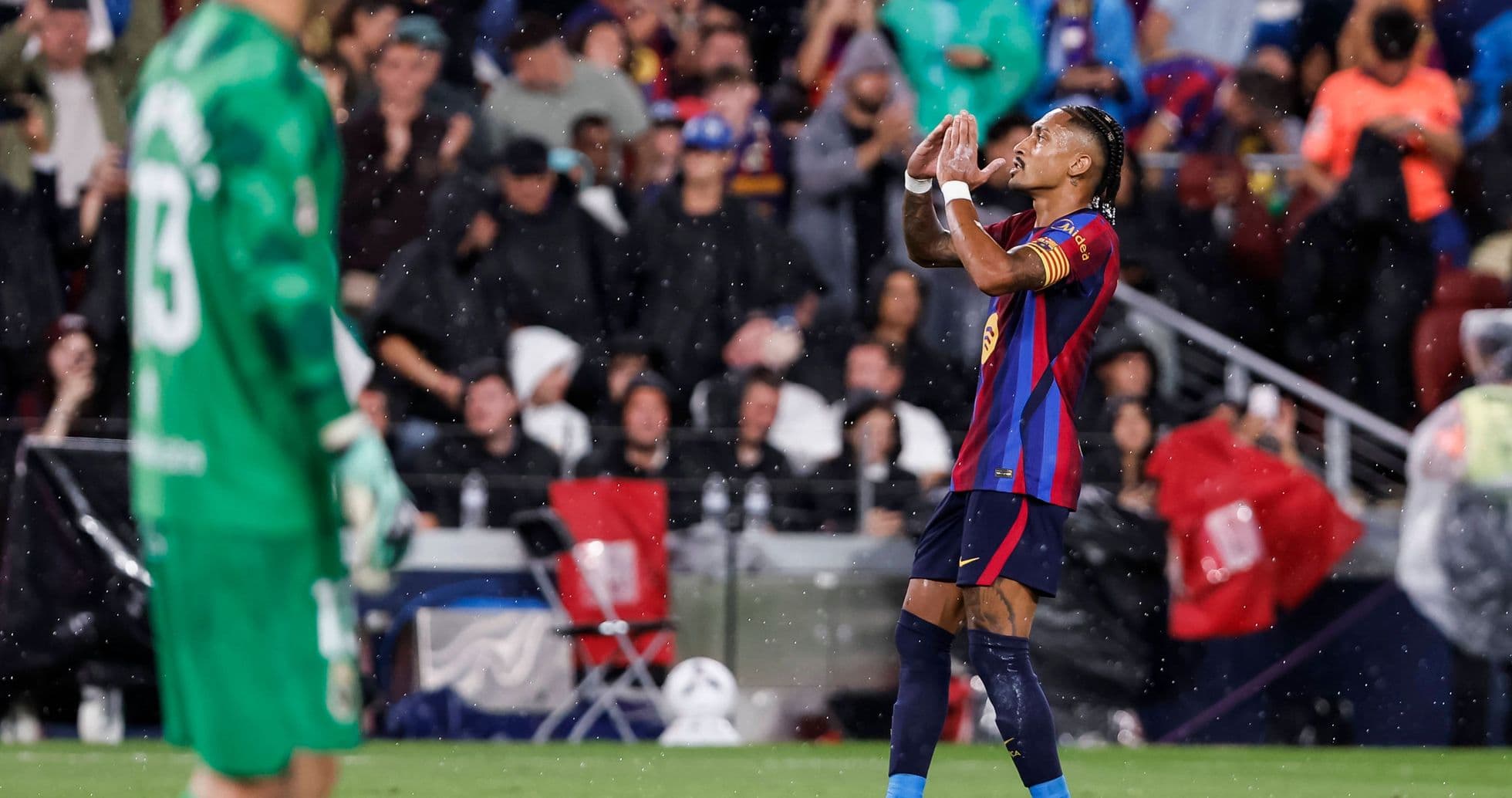
Raphinha's Hat-Trick Drives Barcelona to 7-2 Triumph Over Racing Santander
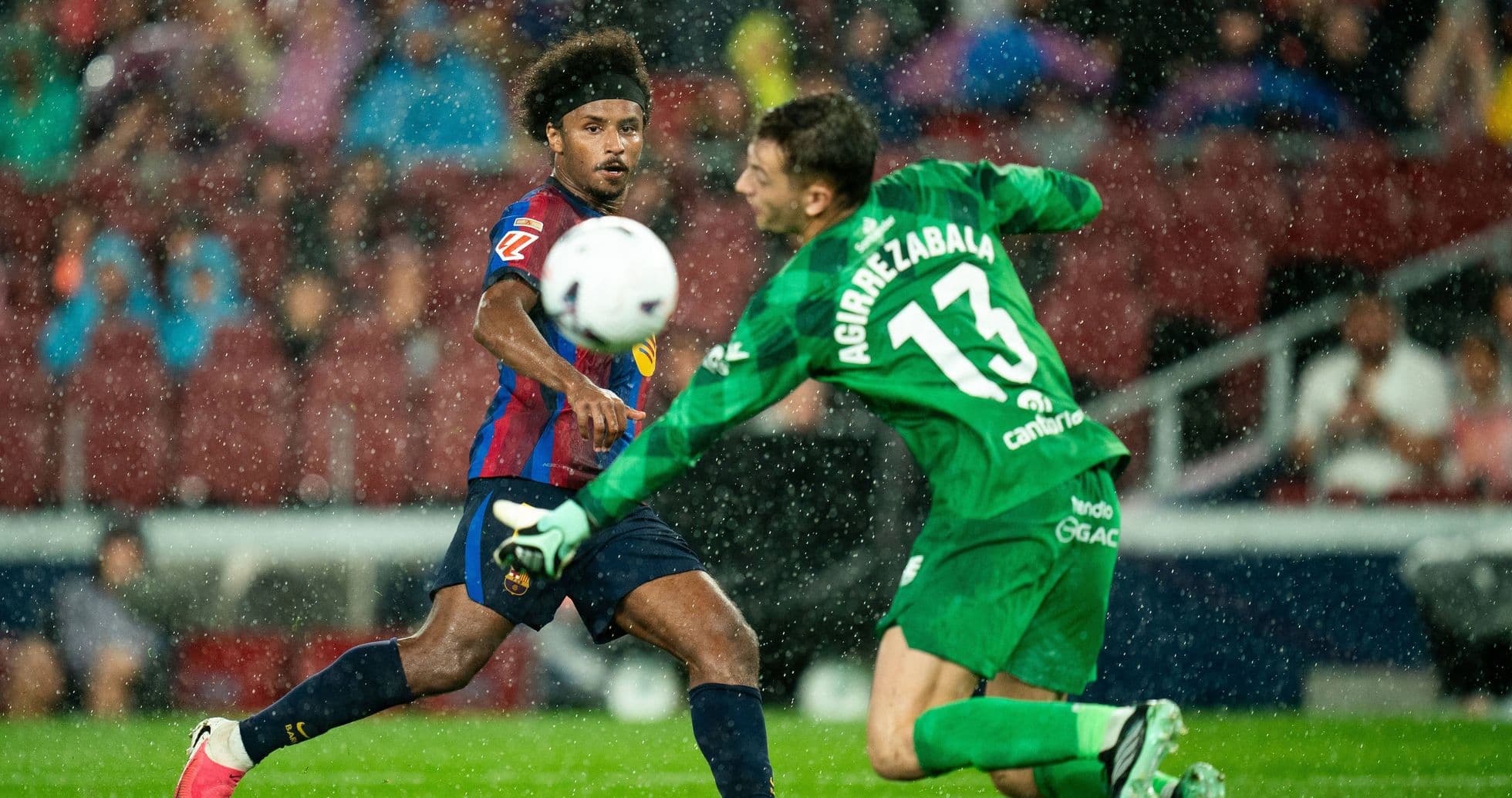
Hansi Flick Leads Barcelona to Record-Breaking Seven Wins in a Row
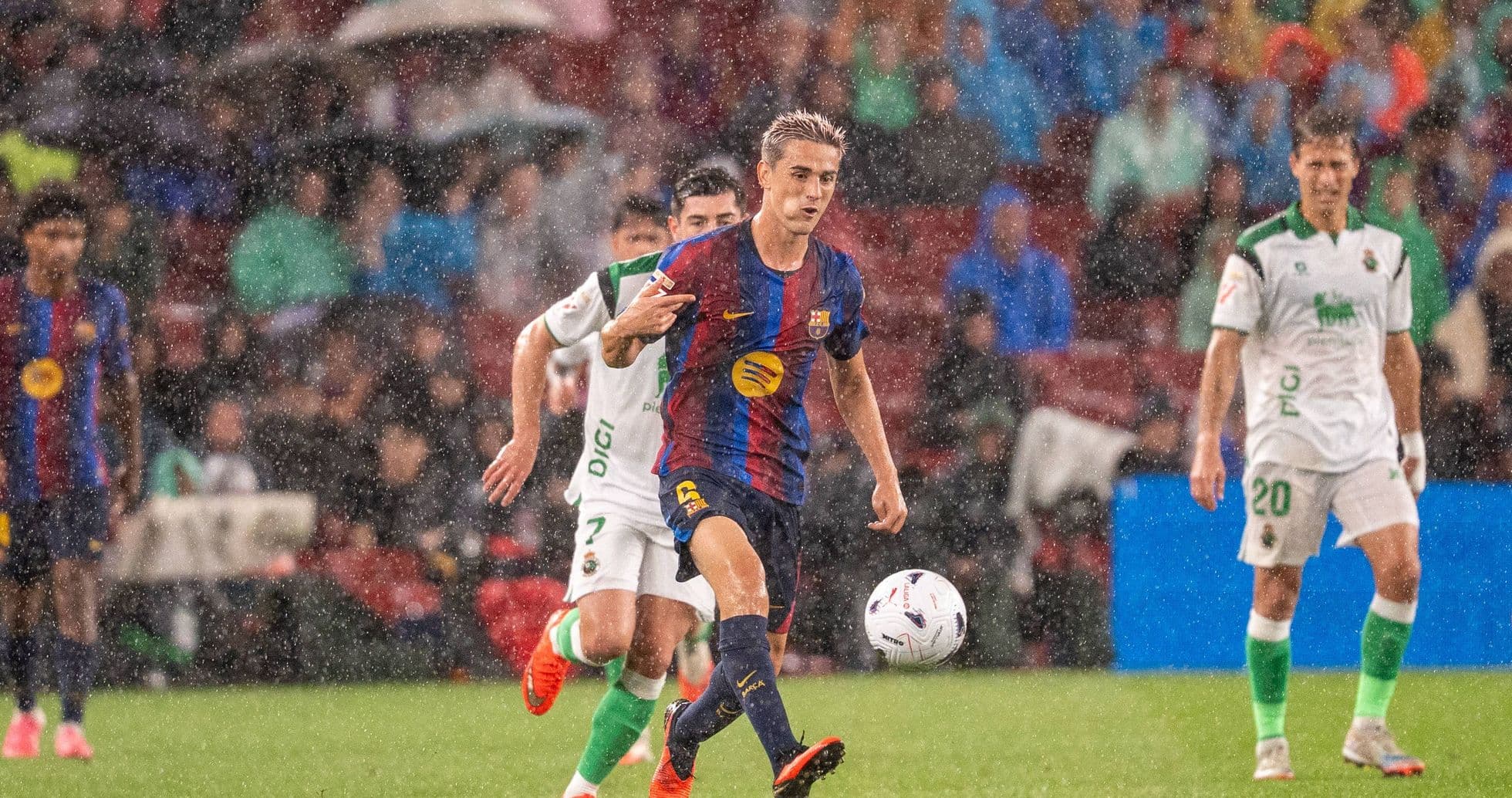
Gavi Reflects on Injury Return as Barcelona Dominate Racing Santander 7-2