
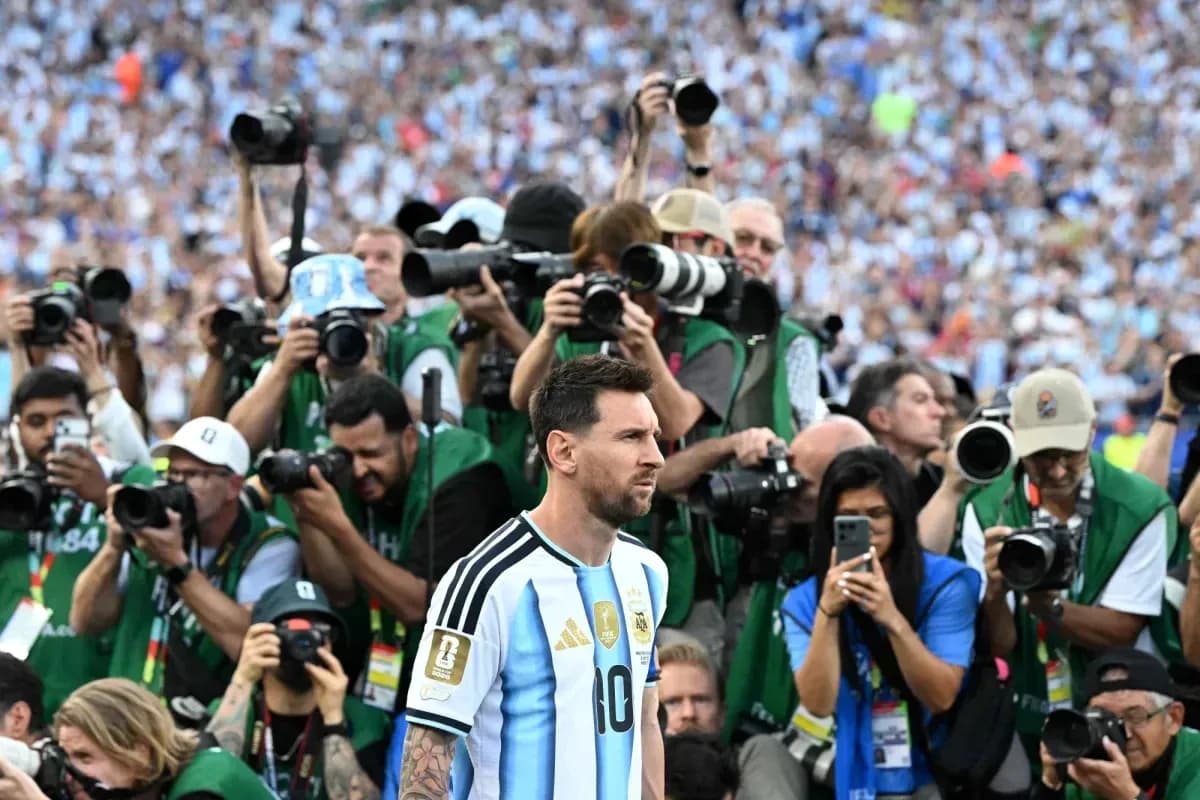
Roberto Lopes: From Bank Desk to World Cup Stardom
Seven years ago, Roberto “Pico” Lopes was splitting his days between mortgage applications and muddy pitches, juggling a bank job in Dublin with evening games for Bohemians. On Sunday, he will walk out to face Uruguay at a World Cup.
That is not a career change. It is a leap across worlds.
The 34-year-old’s performance in Cape Verde’s goalless draw with European champions Spain on Monday was the kind that silences doubt. Commanding, composed, unflustered by the names or the stage, it was the sort of display that vindicates every risk he took when Shamrock Rovers called in 2017 and he decided the safe life could wait.
Back then, the offer from Bohemians’ wealthier Dublin rivals meant one thing: a professional contract or a steady future at the bank. Lopes chose the dressing room over the desk. The World Cup is his reward.
A LinkedIn Message That Changed Everything
Cape Verde’s volcanic archipelago, a nation of just 525,000 people, has never been short on footballing talent. What it rarely gets is this kind of spotlight. Their impressive World Cup debut has pushed them onto US television, and with it, pushed Lopes into an entirely different orbit.
Born in Ireland to Cape Verdean father Carlos and Irish mother Judy, Lopes has always belonged to two footballing cultures. The invitation to embrace one of them arrived in the most modern – and unlikely – way imaginable.
In 2018, a message landed in his LinkedIn inbox. It was from then Cape Verde coach Rui Águas. Written in Portuguese. Lopes didn’t rush to answer. He didn’t even rush to translate it.
By the time he finally copied it into Google Translate, months had passed. Águas got back in touch nine months later, still interested, still asking if he had thought about representing Cape Verde.
“He said they were interested in getting new players into the national team and asked if it would be of interest,” Lopes told AFP in 2024. The defender’s response was instant: absolutely, and a profuse apology for the delay, if the opportunity was still on the table.
It was. And it changed everything.
From Skeptic to Standard-Bearer
Lopes admits he first thought the offer was a prank. Growing up in an era of wind-up calls and hoax messages will do that to you. An international call-up via a networking site? It sounded like a joke, not a pathway to a World Cup.
He could not have been more wrong.
Since his debut in 2019, he has gone to two Africa Cup of Nations, including a run to the quarter-finals in the 2023 edition. Now he has reached the peak: the World Cup, the showpiece of the “Beautiful Game,” and a stage he once only dared imagine.
The Spain match was followed across continents and generations. In Cape Verde, his 98-year-old grandfather watched on. In Atlanta, his parents, his two brothers, his wife Leah and baby son Diego sat in the stands, living every tackle and clearance with him.
Diego slept through most of it. “It shows you how boring Spain was,” Lopes joked, a line that captured both his humour and his comfort on this stage.
Back home, life has changed for the family too. While Lopes remains cocooned in the squad’s base, his relatives have been stopped in the streets by Cape Verde supporters who recognise them from television. Judy, speaking to RTE, described strangers approaching them and marvelling that they had come “all the way from Crumlin,” the Dublin neighbourhood where the family live.
From Crumlin to the World Cup, via LinkedIn. It is a modern football fairytale with very real graft at its core.
Education, Insurance Policy and a Dream Realised
Lopes has five Irish titles with Shamrock Rovers, a domestic dominance that underpins his international rise. Yet he has never shaken the sense that football can be fragile.
He still values the years he spent at college in Dublin, and the time he put into his banking career. That education, he says, is the reason he even knew what LinkedIn was – and why he was on the platform when Rui Águas reached out.
“If I didn’t go to college or I didn’t pursue education, I wouldn’t have known what LinkedIn was,” he told The Irish Sun. For him, a degree was not just a backup plan, it was a bridge to this extraordinary chapter. “Your education is just as important,” he added, recalling how he balanced job and football until he could finally step fully into the professional game.
Long before that, he had already cast himself in Cape Verde blue in his imagination. Watching the country’s maiden Africa Cup of Nations appearance in 2013, he allowed himself the question every dreamer asks: could that be me?
Thirteen years on, the answer is playing out in front of the world. The mortgage advisor who once worried about interest rates and repayment schedules is now trying to lock down elite forwards on football’s biggest stage.
The bank can wait. The World Cup does not.
At BC Place, history came wrapped in both euphoria and anguish.
Canada finally has its first World Cup victory. Not a nervy 1-0, not a scrape over the line, but a 6-0 demolition of Qatar that all but seals a place in the knockout rounds and announces a new level of ambition.
Jonathan David walked off with the match ball and a place alongside Lionel Messi in this tournament’s record books, his hat-trick driving Canada to a result that tripled the country’s all-time World Cup goal tally in one night. Yet the defining image may not be a celebration. It may be Ismaël Koné lying on the turf, his lower left leg at a sickening angle, teammates forming a protective ring around him.
Joy and shock, side by side.
A Night When Everything Went In
Qatar arrived with nine lives and left with nine men. Homan Ahmed’s dismissal in the first half and Assim Madibo’s red early in the second turned a difficult assignment into a desperate one for Julen Lopetegui’s side.
Canada needed no invitation.
Cyle Larin, already on the scoresheet in the opening draw against Bosnia-Herzegovina, struck first in the 16th minute. Mahmoud Abunada could only punch away David’s volley; Larin reacted quickest, burying the rebound before turning to the crowd and pointing to his ears as the noise swelled around him.
The goal lit the fuse.
David doubled the lead in the 29th with a crisp right-footed volley, his first goal in open play in more than a year. Confidence surged. Qatar’s composure cracked.
On 33 minutes, Ahmed clattered into Tajon Buchanan. The referee initially pointed to the penalty spot and reached for yellow, but a video review dragged play back to the edge of the box and upgraded the caution to a red card. Qatar were down to ten and hanging on.
They did not make it to the break unscathed. In first-half stoppage time, Canada turned pressure into a third goal, David reacting in a scramble after a shot crashed off the crossbar. As Canadian players wheeled away, Qatari defenders stood frozen, hands on hips, the scale of the task now brutally clear.
BC Place, packed with 52,497 fans, responded with a wall of sound. “We’re soaking up history right here,” said supporter Matthias Kempe, and it felt exactly like that.
Koné’s Agony Amid the Roar
The second half should have been a procession. For a few minutes, it was.
Then came the tackle that changed the mood of the night.
Madibo went through Koné from behind, and the moment the midfielder hit the turf, it was obvious something was badly wrong. Players waved urgently for medical staff; some turned away at the sight of his leg. Madibo, visibly distraught, was shown a straight red.
Koné left the pitch on a stretcher, bound for hospital and surgery on a broken left leg. His family joined him there, coach Jesse Marsch later confirmed. The scoreline no longer told the whole story.
Yet the goals kept coming.
Nathan Saliba, summoned from the bench to replace Koné, curled in a free kick in the 64th minute to make it 4-0, a moment of personal triumph on a bittersweet night. Qatar’s misery deepened in the 75th when Mohamed Manai turned the ball past his own goalkeeper for 5-0.
Deep into stoppage time, David completed his hat-trick, joining Messi as the only players to score three in a game at this World Cup. Each finish underlined his sharpness, but the broader statement came from the collective: this is a Canadian side that now expects to dictate, not just to survive.
“No one will forget this, and no Canadian will forget this day,” Marsch said, holding up six fingers as he left the pitch. For him, it was about more than the margin. “It’s an incredibly seminal moment for everyone to understand that there’s talent in this country, that there’s mentality, that there’s desire, that there’s a lot of things that make this country special.”
David felt the surge from the stands. “It was amazing. After every goal it got louder and louder,” he said. “It gave us motivation to get the next goal and the next goal.”
Up in the seats, Canadian Prime Minister Mark Carney watched alongside FIFA President Gianni Infantino, having missed the opener in Toronto because of the G7 summit in France. This time, he saw it all.
Qatar Still Waiting, Canada Moving On
For Qatar, the contrast with their spirited opening draw could hardly be starker. A stoppage-time equaliser against Group B favourites Switzerland had hinted at resilience and growth after losing all three group games as hosts four years ago.
This was something else entirely.
“It was a very tough match for many reasons. The players did their best. It was very difficult to face this match with two players less with this environment,” Lopetegui said, trying to make sense of a night that slipped out of his control.
Switzerland’s 4-1 win over Bosnia-Herzegovina earlier in the day only tightens the squeeze on the Persian Gulf side, who are still chasing a first World Cup victory.
Canada, by contrast, have broken through a wall that stood for decades. Before this tournament, they had scored just twice at World Cups – Alphonso Davies’ strike against Croatia and an own goal by Morocco in 2022, plus Larin’s effort against Bosnia-Herzegovina at this edition. They were shut out three times in 1986.
Now they have six in one match, a statement etched in noise and numbers.
The price of the night may yet be measured in Koné’s recovery timeline, but the direction of travel is clear. Canada are no longer just guests at the World Cup. They are here to shape it.
Related News

Raphinha’s Hat-Trick Powers Barcelona to 7-2 Victory Over Racing Santander

Carabao Cup Fourth Round Draw: Liverpool Set to Clash with Chelsea, Arsenal to Face Fleetwood Town

Key Football Matches to Watch in Azerbaijan This Autumn
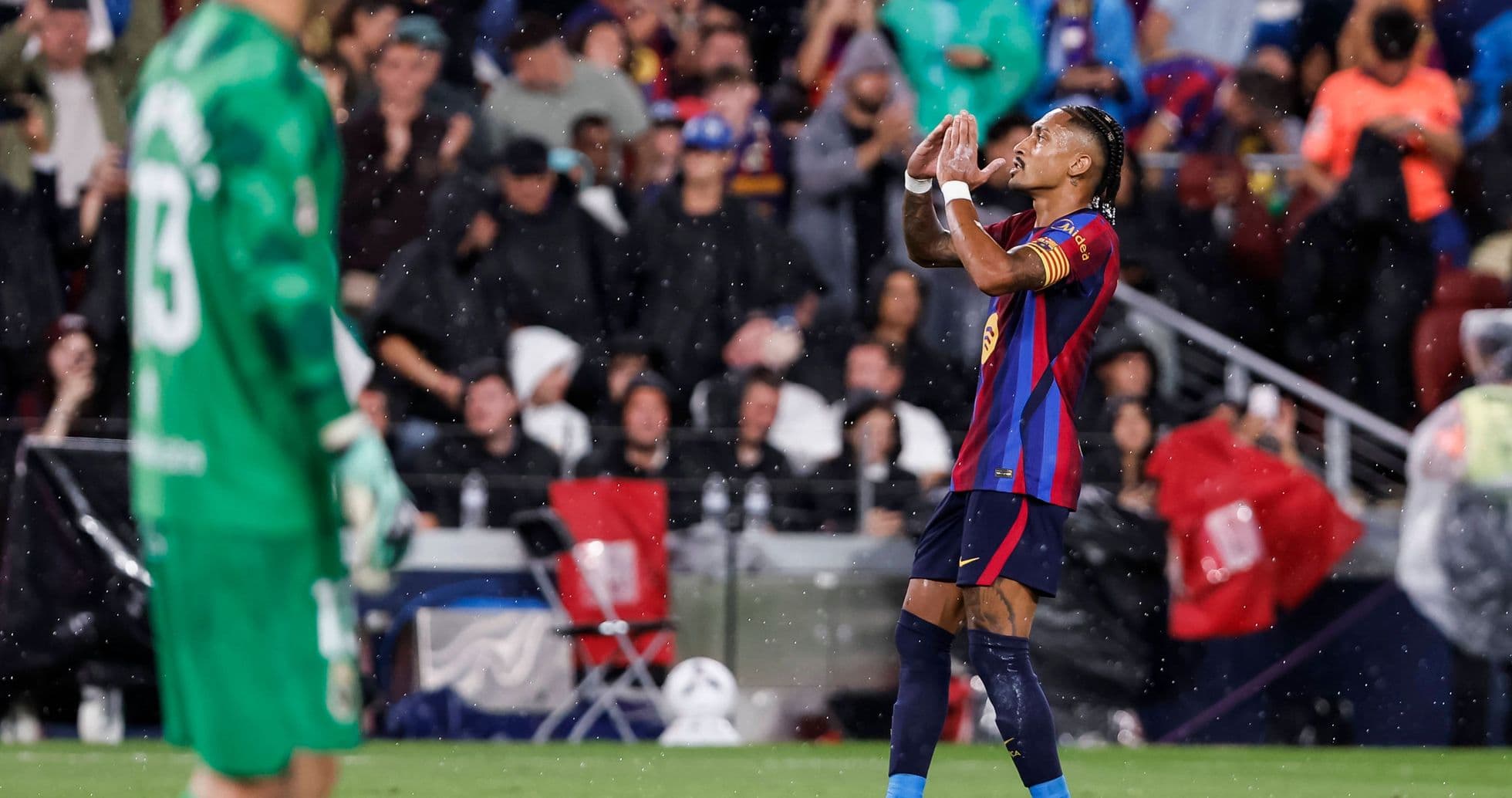
Raphinha's Hat-Trick Drives Barcelona to 7-2 Triumph Over Racing Santander
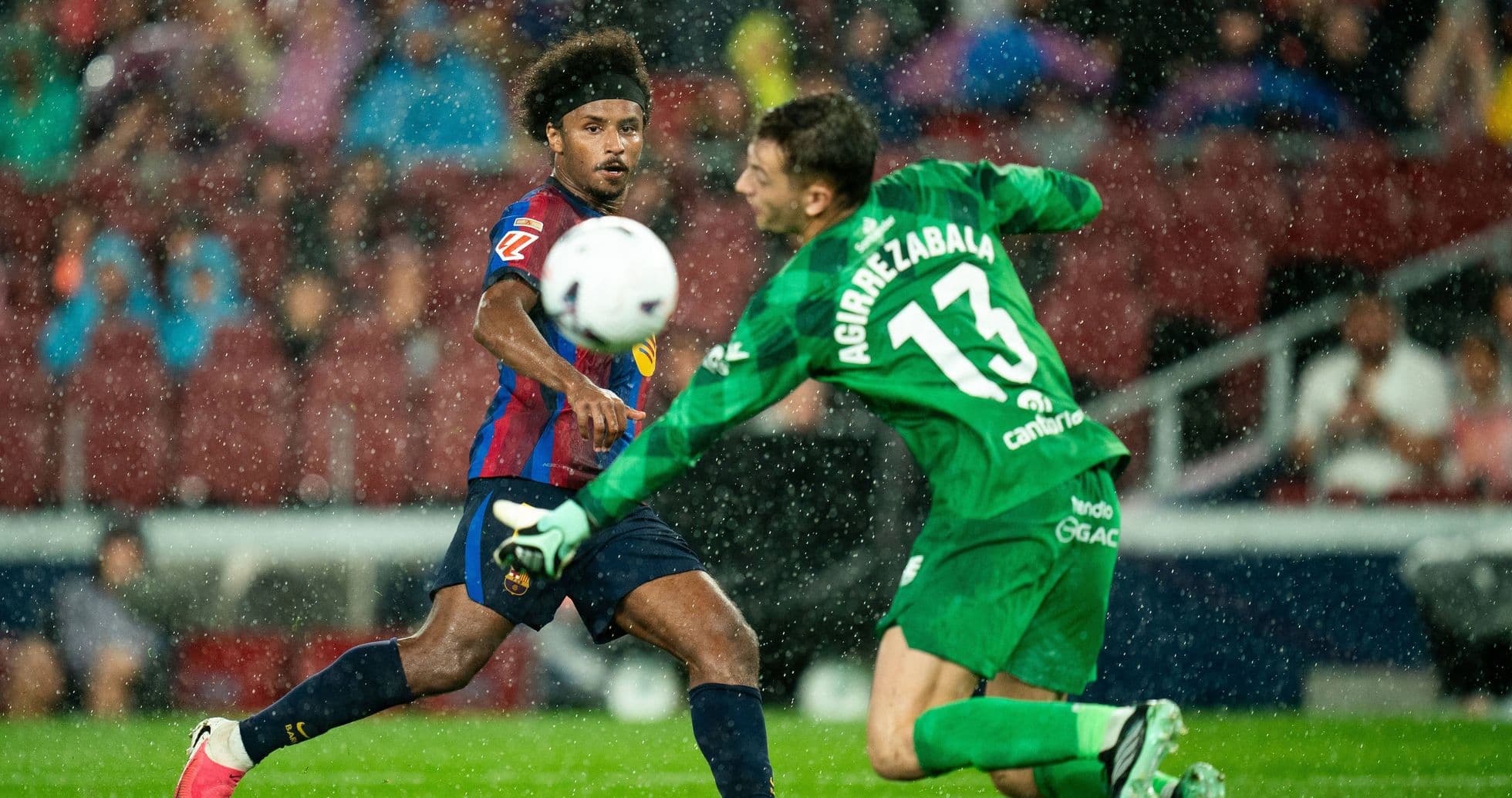
Hansi Flick Leads Barcelona to Record-Breaking Seven Wins in a Row
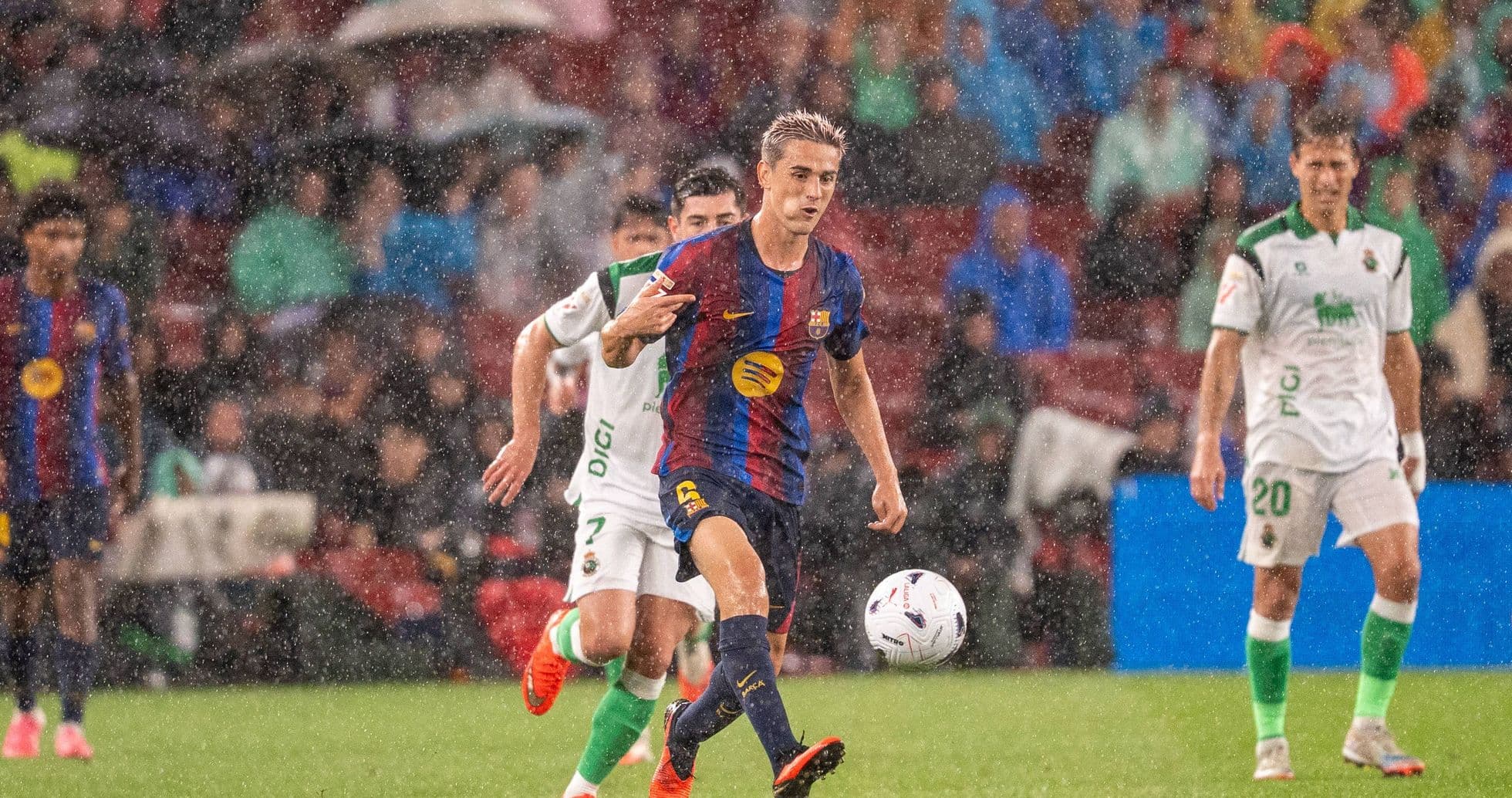
Gavi Reflects on Injury Return as Barcelona Dominate Racing Santander 7-2