
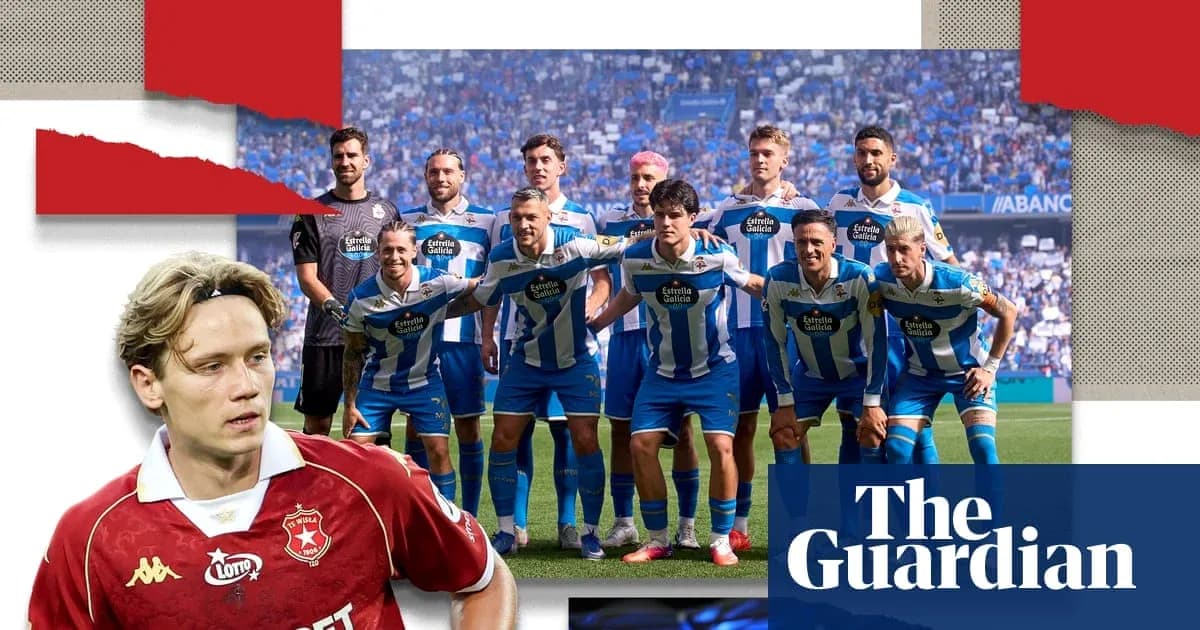
The Return of Europe’s Great Absentees in Football
The new season across Europe does not just bring fresh title races. It brings ghosts. Names that once shaped leagues and storylines, now clambering back from the margins with scars, new money, new ideas – and, in some cases, a very different sense of what a football club can be.
Deportivo La Coruña: From “Super Dépor” to Survival Mission
For a generation, Deportivo La Coruña were the club that refused to accept the script. In the 1990s and early 2000s they elbowed their way into Spain’s “big four”, trading blows with Barcelona, Valencia and Real Madrid, and doing it with style. Nine top‑three finishes between 1993 and 2004. A Liga title in 1999. A Champions League semi-final in 2004, where only José Mourinho’s Porto blocked the path to a final they genuinely looked equipped to reach.
Then gravity hit.
The decline was not sudden but it was ruthless. First the slide into mid-table, then the long drop. By 2020, Dépor were no longer just out of La Liga – they were in the regionalised third tier, a club of European pedigree reduced to scrambling around Spain’s backroads.
It took four years to fight their way back to the Segunda. The real jolt came last term: a leap from 15th place in 2024-25 to automatic promotion. No gradual rebuild, no gentle reintroduction. Just a surge.
The golden era of Juan Carlos Valerón and Diego Tristán is a memory now, a reference point rather than a template. This version of Deportivo is more pragmatic, but not shy. The signing of Mallorca goalkeeper Leo Román signals intent between the posts; the arrival of veteran striker Pierre-Emerick Aubameyang is an unmistakable statement that they do not plan to tiptoe through their La Liga return.
Stability is the target. Ambition, though, still hums in the background at Riazor. For a club that once broke Spain’s hierarchy, simply “holding steady” might prove the hardest adjustment of all.
They will not be alone in trying to remember how the top flight works. Racing Santander, champions of the Segunda, are back after 15 years in exile. Málaga, who followed Deportivo out of La Liga in 2018 and even dropped into the third tier for a season in 2023-24, have also clawed their way back. Spain’s past is crowding into its present again.
Elversberg: Small Town, Sudden Heights
In Germany, the promotion story reads like a familiar script: a sleeping giant and an upstart. Schalke, battered but still vast, took the 2. Bundesliga title, finally escaping a division that has become uncomfortably familiar – four of their last five seasons have been spent there.
The twist came in second place.
SV Elversberg come from a small Saarland town whose entire population could fit inside Schalke’s Veltins-Arena four times over. Three years ago, in 2021-22, they were still playing in the regional leagues. Now they are staring at the Bundesliga, a rise so steep it almost looks like a misprint.
The architect of the first surge, coach Horst Steffen, did not stick around to enjoy the top tier. After Elversberg fell short in the promotion playoff last season, Werder Bremen came calling and he left. The move lasted just nine months. His former club kept climbing without him.
Vincent Wagner stepped in from Hoffenheim’s second team and simply kept the momentum rolling. No fanfare, no grand declarations – just a continuation of the habits that had taken Elversberg this far.
The infrastructure is scrambling to catch up. The stadium will be expanded during the season to meet the 15,000-capacity requirement, a building site doubling as a Bundesliga venue. The learning curve will be just as brutal. Leverkusen arrive first. Bayern Munich follow. Two of the most sophisticated machines in German football, testing a club that was regional-level not long ago.
This is what the modern Bundesliga does: it leaves room for stories like Elversberg. The question now is whether the fairytale can survive contact with reality.
Le Mans: From Ruin to the Age of Investors
In France, the new arrivals come with a different kind of weight. Ligue 1 has become a magnet for investors – from Paris FC’s billionaire backing to BlueCo’s project at Strasbourg, capital is the new constant. City Football Group have joined the party via promoted Troyes, while another of their “partner clubs”, Lommel, step into Belgium’s top tier.
Le Mans, though, bring a twist of glamour and a familiar warning.
The town is etched into global consciousness by motorsport, not football. The stadium sits inside the famous Circuit de la Sarthe, a daily reminder of the 24-hour race that defines the place. On the pitch, Le Mans had their moment in the 2010s with a brief spell in Ligue 1, then crashed. Financial ruin followed. The club had to claw their way back to Ligue 2, rebuilding from the wreckage.
Last August, a new chapter began. OutField, a Brazilian consortium, took control and brought serious star power with them. Novak Djokovic, Thibaut Courtois and F1 drivers Felipe Massa and Kevin Magnussen are among the investors. Names that turn heads in any sport.
Yet the strategy is deliberately restrained. No wild transfer splurge, no attempt to buy instant status. Le Mans have reopened their academy and focused on potential rather than ready-made stars. They talk about a youth-driven model, a steady climb, a club that grows rather than explodes.
They have already “moved quickly through the gears” to reach the top flight again. The real test will be how they handle the long race this time, on a track where football and finance can both overheat.
Amedspor: Football at the Fault Line
Few promotions anywhere in the world carry the political charge of Amedspor’s.
Officially Amed SK, the club are based in Diyarbakir, a city far closer to the borders of Iraq and Syria than to Istanbul, and the de facto capital of Turkey’s Kurdish-majority southeast. When the club added “Amed” – the Kurdish name for the city – to their title in 2014, it was more than a rebrand. It was a declaration.
On the pitch, they had long drifted between Turkey’s third and fourth tiers. Off it, they became a focal point for Kurdish identity. The new name drew a broader, more diverse fanbase but also hardened opposition. Amedspor supporters have faced abuse, intimidation and physical attacks from rival fans. The Turkish FA’s response was stark: a ban on Amedspor fans attending away games that lasted until 2020.
Now they are in the Super Lig for the first time. A club forged in lower-league struggle will walk into the glare of national prime-time football with all the baggage that entails.
Security concerns are inevitable. So are questions about whether the old tensions will flare or soften. There are faint signs of a thaw. Recep Tayyip Erdogan, the Turkish president who has long refused to acknowledge Diyarbakir’s Kurdish name, surprised many by publicly congratulating Amedspor on their promotion. The message rippled across social media, a small but striking gesture in a long, fraught story.
For Amedspor, this season will be about more than survival. Every away trip, every televised game, will test how much space Turkey’s top division can make for a club that stands at the intersection of sport, identity and politics.
Wisła Kraków: The White Star Rises Again
In Poland, one of the country’s grand old names has finally found its way back to where it believes it belongs.
Wisła Kraków, founded 120 years ago, are among Poland’s most decorated clubs. Fourteen league titles. A permanent presence in the top division – until 2022. Relegation hit hard. The club spent four seasons outside the elite, wrestling with the kind of institutional drift that had slowly eroded their dominance.
They did not disappear, though. Last year, as a second-tier side, Wisła won their fifth Polish Cup in 2024, a reminder that the badge still carries weight in knockout football. Behind the scenes, they used the exile to modernise. Analytics took on a bigger role. The academy became more than a slogan. Former player Jakub Błaszczykowski stepped in as a minority investor, adding emotional capital to the financial and structural rebuild.
When the return to the Ekstraklasa finally came, it did so with a flourish. A 2-1 win over Katowice last month, played out under a red-and-white pyro show that felt like a city exhaling. The White Star back in the big time, and determined not to drift again.
Kraków’s football map has been redrawn. The “Holy War” derby between Wisła and Cracovia is back on the calendar, a fixture that needs no selling in Poland. There is more: Wieczysta Kraków have also climbed through the playoffs to make their top-flight debut. Suddenly, Poland’s second-largest city has gone from one representative in the Ekstraklasa to three.
Wieczysta will ground-share with Wisła for now, their own stadium not yet up to league standards. It is a practical arrangement with a symbolic edge: the old power hosting the ambitious newcomer, both trying to carve out space in a city that lives football with a particular intensity.
Across Europe, these returns and arrivals stretch from seaside Galicia to industrial Saarland, from a racetrack in western France to a charged corner of south-eastern Turkey and the old streets of Kraków. Different histories, different pressures, one shared question.
After everything they have endured and everything they represent, how long can they stay at the top table this time?
Related News
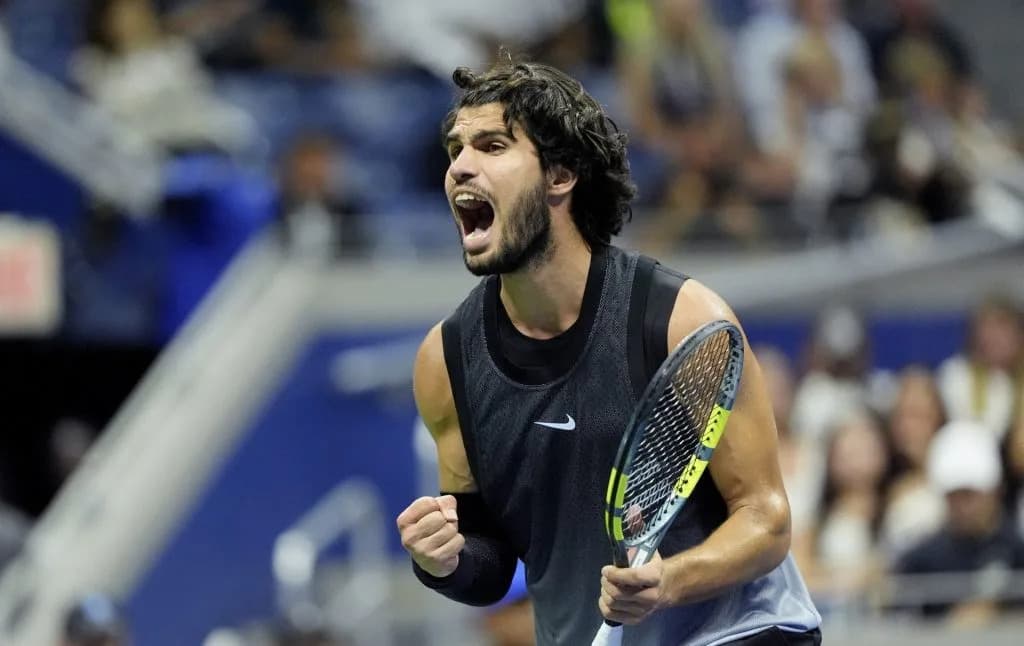
Carlos Alcaraz Urges Tennis Organizers to Stop Matches Finishing in the Early Morning
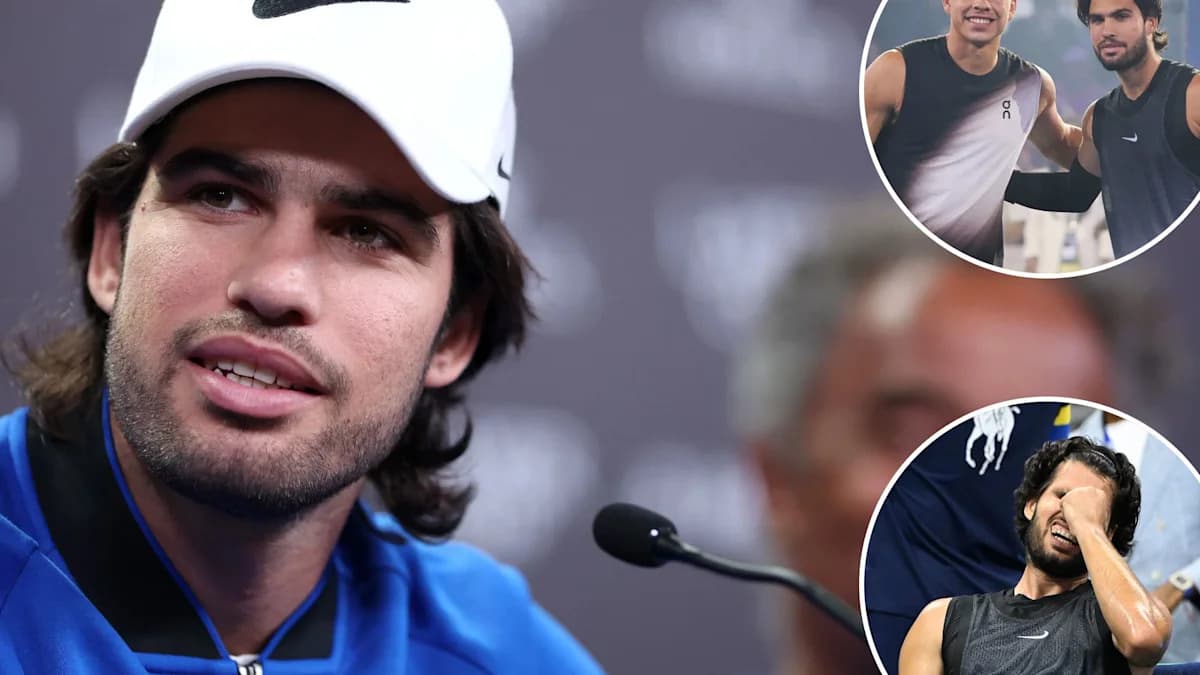
Carlos Alcaraz Frustrated by 3:30 a.m. US Open Finish: 'Too Much'
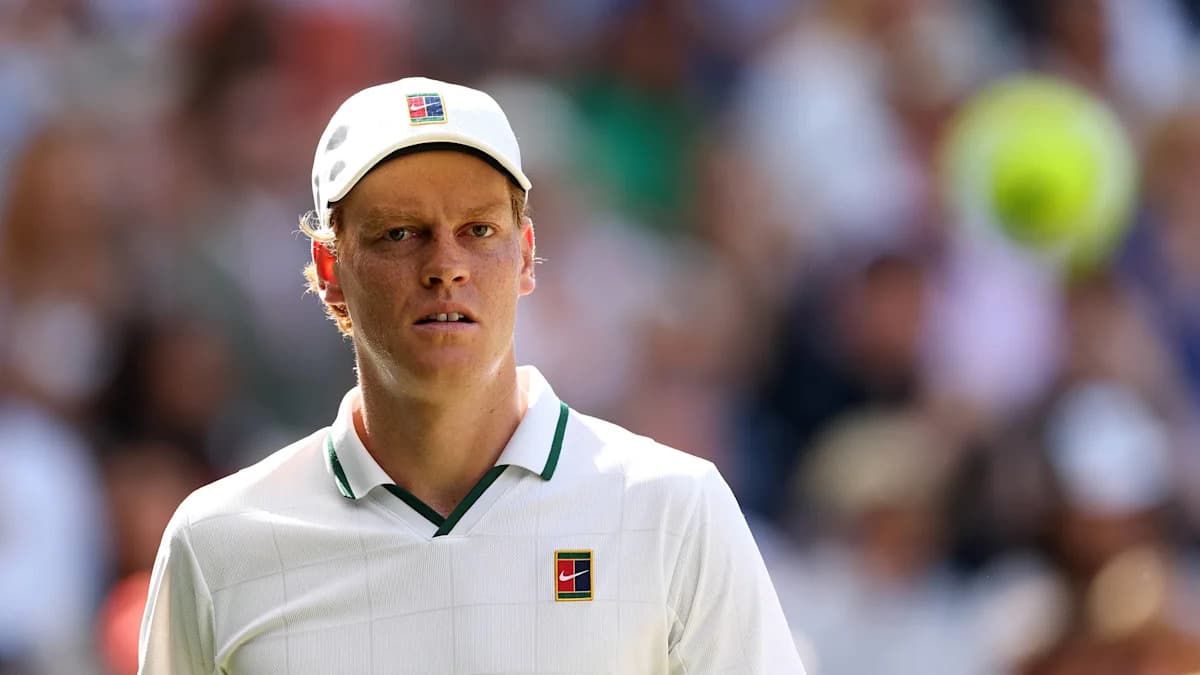
Jannik Sinner Set for ATP 500 Return in Beijing with Novak Djokovic Also Competing
Meet Iva Jovic: The Rising American Tennis Talent
Flavio Cobolli Shares Insights on Training with Jannik Sinner Ahead of His Tennis Return
Till vs Romero: Fight Details, Undercard, and Viewing Info for This Weekend