

Real Madrid vs Oviedo: Clash of La Liga Realities
Estadio Santiago Bernabéu stages a clash of contrasting realities on 14 May 2026 as second-placed Real Madrid host bottom side Oviedo in La Liga’s Regular Season - 36. With Madrid chasing maximum points to cement a Champions League league-phase spot and keep pressure at the top, Oviedo arrive in the capital fighting to avoid a swift return to LaLiga2.
Context and stakes
In the league, Real Madrid sit 2nd with 77 points from 35 games, boasting a +37 goal difference (70 scored, 33 conceded). Their home form is imposing: 14 wins, 1 draw and just 2 defeats at the Bernabéu, with 39 goals scored and 14 conceded.
Oviedo, by contrast, are 20th with 29 points, a goal difference of -28 (26 scored, 54 conceded) and a clear relegation designation. Their away record is fragile: 2 wins, 4 draws and 11 losses, conceding 37 goals in 17 away outings.
For Madrid, this is about finishing the season strongly and preserving an outstanding home record. For Oviedo, every point is potentially life-saving, but the data underlines the scale of the task.
Form and statistical profile
Across all phases, Real Madrid’s season-long form string reads “WWWWWWLWWWWDDDWLWWWWWWWWLLWWWLDWDWL” – a sequence dominated by wins with only short losing runs (maximum streak of 2 defeats). They have 24 wins in 35 league fixtures, scoring an average of 2.0 goals per game and conceding just 0.9.
Key indicators for Madrid:
- Fixtures across all phases: 35 played (17 home, 18 away)
- Wins: 24 (14 home, 10 away)
- Clean sheets: 12 (5 at home, 7 away)
- Failed to score: only 4 times all season
- Biggest home win: 5-1
- Biggest home defeat: 0-2
Their offensive balance is clear: 2.3 goals per home game on average, with a defence allowing just 0.8 at the Bernabéu. Combined with a perfect 12/12 record from the penalty spot in the league, Madrid have been both prolific and efficient.
Oviedo’s form string “LLWLLLWLLDDLDLDLDDDLLWLDLLDWLWWDLLD” reveals a campaign of repeated setbacks, brief upticks and no sustained positive run (maximum winning streak of 2). Across all phases, they have:
- 35 fixtures: 6 wins, 11 draws, 18 losses
- Goals for: 26 (0.7 per game)
- Goals against: 54 (1.5 per game)
- Clean sheets: 10 (9 at home, but only 1 away)
- Failed to score: 18 times (9 at home, 9 away)
The split between home and away is stark. Oviedo are more defensively structured at home (17 conceded in 18), but away they concede 2.2 per game (37 in 17) and struggle to keep the ball out, with their biggest away defeat being 4-0. Their best away win is 0-3, showing they can threaten on the break, but such performances have been rare.
Head-to-head
The recent competitive history between these sides in La Liga is limited in the supplied data. The last meeting came on 24 August 2025 at Estadio Nuevo Carlos Tartiere, where Oviedo lost 0-3 at home to Real Madrid in Regular Season - 2. That fixture finished 0-3, with Madrid the away winners.
From the available head-to-head sample (1 competitive match), the record stands:
- Real Madrid wins: 1
- Oviedo wins: 0
- Draws: 0
There are no friendlies in the data, so no further meetings are counted.
Tactical outlook: Real Madrid
Real Madrid have been flexible in shape this season, most frequently using 4-4-2 (16 times), with 4-2-3-1 (9) and 4-3-3 (6) also prominent. That tactical variety allows them to adjust to injuries and opponent profiles without losing core principles: high attacking output, controlled possession and a strong defensive structure.
In attack, the numbers of Kylian Mbappé and Vinícius Júnior define the threat:
- Kylian Mbappé:
- 28 appearances, 27 starts, 2403 minutes
- 24 league goals, 4 assists
- 100 shots, 61 on target
- 63 key passes, 7.6 average rating
- 8 penalties scored, 1 missed
- Vinícius Júnior:
- 34 appearances, 30 starts, 2658 minutes
- 15 goals, 5 assists
- 72 shots, 45 on target
- 66 key passes, 7.52 average rating
- 4 penalties scored, 1 missed
Vinícius combines goal threat with creative output, ranking high for dribbles (189 attempts, 86 successful) and duels (390 total, 194 won). Together, Mbappé and Vinícius provide pace, 1v1 ability and end product that can stretch Oviedo’s back line horizontally and vertically.
Defensively, Madrid’s low concession rates and 12 clean sheets suggest a well-organised block. Their biggest away defeat (5-2) and home defeat (0-2) show that when they do lose, it is usually an exception rather than a trend.
However, injuries and doubts shape this fixture. Confirmed absentees for Real Madrid include:
- D. Ceballos (coach’s decision)
- Eder Militao (muscle injury)
- A. Guler (muscle injury)
- F. Mendy (muscle injury)
- Rodrygo (knee injury)
- F. Valverde (head injury)
Questionable:
- D. Carvajal (toe injury)
- D. Huijsen (illness)
- K. Mbappe (muscle injury)
If Mbappé is not fit to start, Madrid may lean more on Vinícius and a secondary striker or attacking midfielder, potentially favouring a 4-2-3-1 or 4-3-3 to maintain width and control. The absence of Militao and Mendy may influence the defensive line selection, but their home defensive record suggests depth can compensate.
Tactical outlook: Oviedo
Oviedo have mostly lined up in a 4-2-3-1 (24 times), with occasional switches to 4-3-3 and 4-4-2. The data points to a side that tries to be compact and structured, especially at home, but suffers away under sustained pressure.
Key structural traits:
- Low scoring: 0.7 goals per game overall, 1.0 away
- High concession away: 2.2 goals per away game
- 18 matches without scoring across all phases
Their best away result (0-3) indicates they can counter when opportunities arise, but facing Madrid’s pressing and back line at the Bernabéu, they are likely to prioritise deep defensive organisation, narrow lines and quick transitions rather than expansive play.
Oviedo also arrive weakened by absences:
- Missing:
- B. Domingues (knee injury)
- J. Lopez (red card)
- K. Sibo (red card)
- Questionable:
- E. Bailly (injury)
- L. Dendoncker (injury)
Suspensions and injuries in defensive and midfield areas could disrupt their usual 4-2-3-1 structure and reduce experience in protecting the back four, a worrying sign against Madrid’s frontline.
Despite their struggles, Oviedo have 10 clean sheets this season (9 at home, 1 away), suggesting that when their block functions, they can frustrate opponents. At the Bernabéu, however, the combination of Madrid’s attacking averages and Oviedo’s away concession rate tilts the balance heavily towards the hosts.
The verdict
All available data points in the same direction. In the league, Real Madrid are dominant at home, score more than twice per game at the Bernabéu and concede less than one. Oviedo, bottom of the table, concede over two goals per away match and struggle to score, failing to find the net in more than half of their fixtures across all phases.
Even accounting for Madrid’s injury list and the possibility that Kylian Mbappé is only questionable, the hosts possess enough depth and form to control territory, possession and chance creation. Oviedo’s best route to a result lies in a disciplined low block, hoping to exploit rare counter-attacking moments, but their weakened squad and poor away metrics make that an uphill battle.
On balance, the numbers suggest a match Madrid should dominate, with a strong likelihood of multiple home goals and a clean sheet a realistic outcome if their defensive focus holds. For Oviedo, anything gained at the Bernabéu would be a major upset against the statistical tide.
Related News

LaLiga 2026-27 Season Schedule Released: Kickoff on August 15, Clásico on October 25

Atletico Madrid vs Real Madrid: Head-to-head Stats and Past Meetings
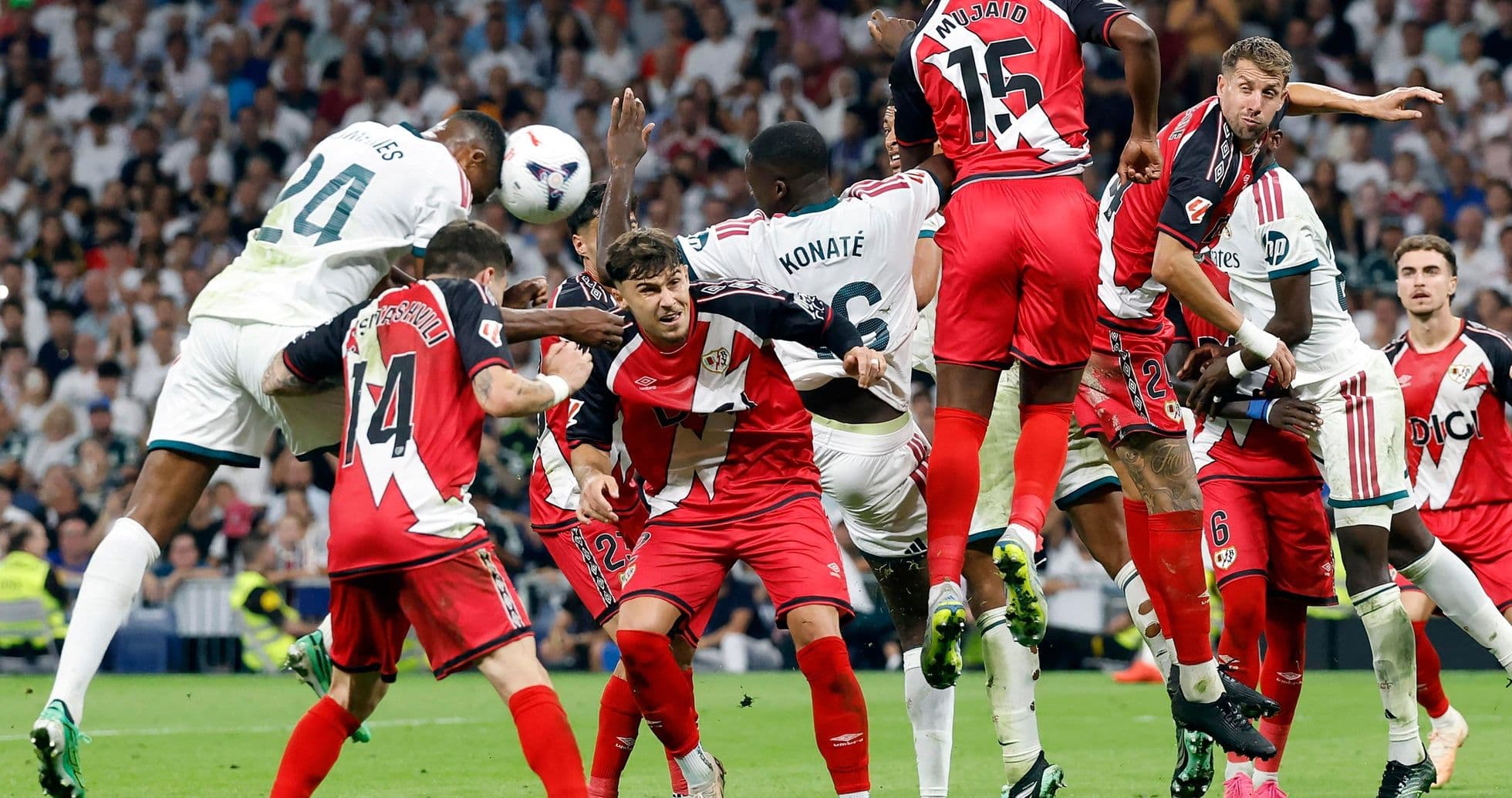
Real Madrid Dominates Rayo Vallecano in La Liga Clash
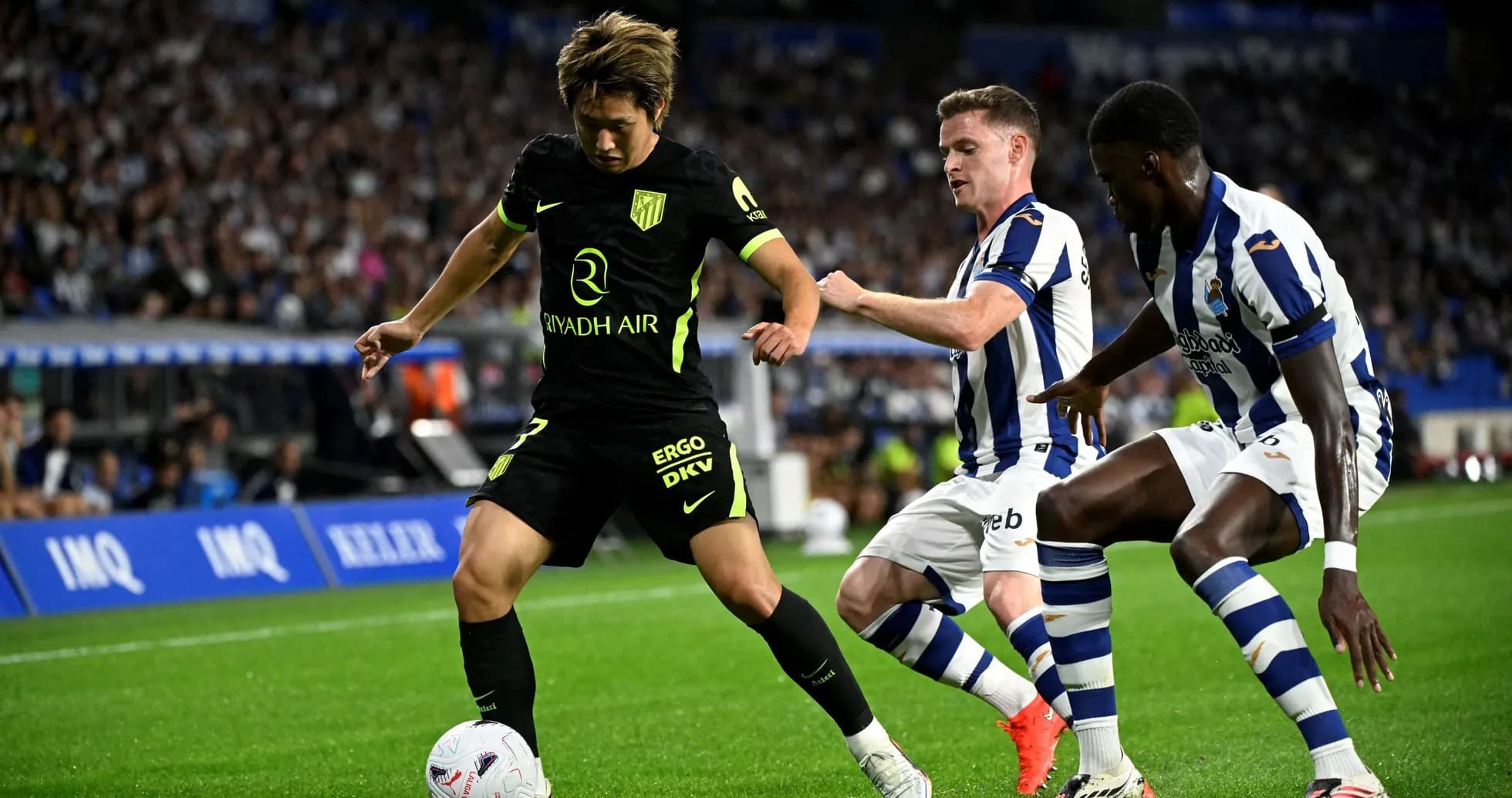
Atletico Madrid Dominates Real Sociedad 3-0 at Reale Arena
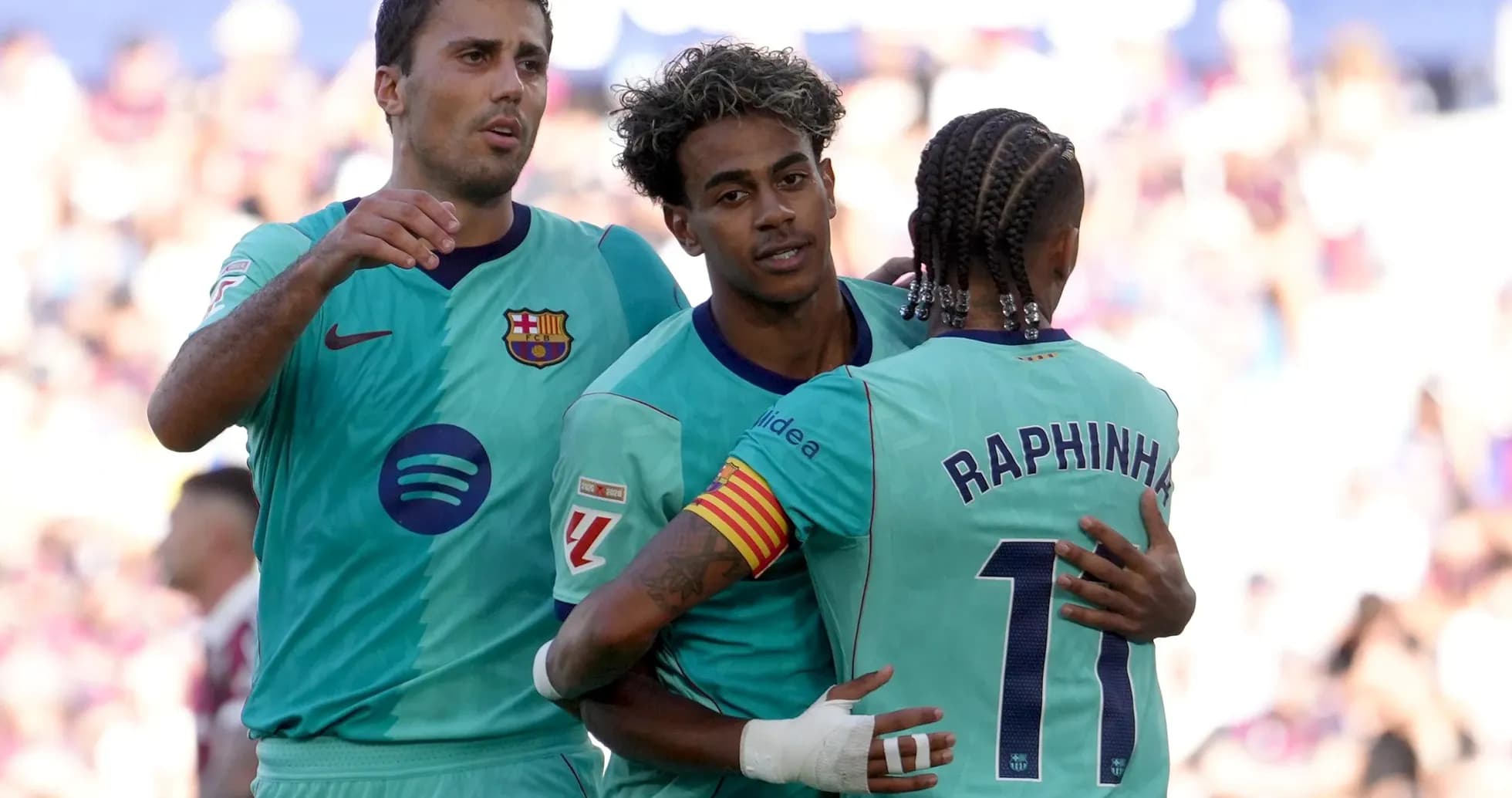
Barcelona Dominates Levante in High-Scoring Clash

Sevilla vs Barcelona Stats: Head-to-Head Record and Past Meetings