

Sevilla vs Real Madrid: Tactical Analysis of La Liga Clash
The Estadio Ramón Sánchez Pizjuán closed its La Liga home season with a familiar tension: Sevilla, 13th and still searching for a stable identity, hosting a Real Madrid side cruising in 2nd and built for titles. The 1–0 scoreline to the visitors feels almost minimalist given the firepower on the pitch, but it fits the underlying seasonal DNA of both teams.
Heading into this game, Sevilla’s league story was one of volatility. Overall they had played 37 matches, winning 12, drawing 7 and losing 18, with 46 goals for and 59 against – a goal difference of -13 that encapsulates their fragility. At home, they had been marginally more solid: 7 wins, 4 draws and 8 defeats from 19, scoring 24 and conceding 25. Real Madrid arrived as a far more ruthless machine: 26 wins, 5 draws and only 6 losses overall, with 73 goals scored and 33 conceded – a +40 goal difference that underpins their 83 points and 2nd place. On their travels, 11 wins, 4 draws and 4 defeats, with 32 goals for and 19 against, confirmed they carry their threat anywhere.
I. The Big Picture: Structures and Intent
Luis Garcia Plaza rolled out a 4-4-2, a departure from Sevilla’s more frequently used 4-2-3-1 and back-three systems this season. O. Vlachodimos sat behind a back four of José Ángel Carmona, Castrin, K. Salas and G. Suazo. The midfield band of four – R. Vargas, N. Gudelj, D. Sow and Oso – was tasked with compressing central spaces and doubling wide, while A. Adams and N. Maupay formed a hard-running front pair.
Across from them, Alvaro Arbeloa leaned into Real Madrid’s technical superiority with a 4-3-3. T. Courtois returned as the imposing anchor in goal, shielded by D. Carvajal, A. Rudiger, D. Huijsen and F. Garcia. The midfield triangle of T. Pitarch, A. Tchouameni and J. Bellingham offered a blend of control, vertical running and pressing. Up front, the trio of B. Diaz, K. Mbappe and Vinicius Junior promised constant depth, dribbling and one‑v‑one chaos.
The contrast in seasonal profiles framed the contest. Sevilla’s attack at home averaged 1.3 goals per game, while they conceded 1.3. Real Madrid’s away attack averaged 1.7, with only 1.0 against. On paper, the visitors were likely to create more and concede less; the question was whether Sevilla’s structure and emotion could bend that logic.
II. Tactical Voids and Discipline
Both squads were notably reshaped by absences. Sevilla were without M. Bueno (knee injury) and Marcao (wrist injury), forcing Garcia Plaza to trust Castrin and K. Salas in central defence and lean heavily on Carmona’s experience on the right. Carmona, who leads the league’s yellow card charts with 13 bookings, brings aggression and front‑foot defending, but also risk. His season profile – 64 tackles, 9 blocked shots and 38 interceptions – underlines how often he steps into danger zones.
Real Madrid’s list of missing players was longer and more nuanced. Eder Militao and F. Mendy (both muscle injuries) removed two first-choice defensive pieces, while A. Guler (muscle injury), F. Valverde (head injury), Rodrygo (knee injury) and A. Lunin (illness) stripped depth from midfield, attack and goal. D. Ceballos was ruled out by coach’s decision. That forced Arbeloa to lean into D. Huijsen as the left-sided centre-back and elevate T. Pitarch into the midfield three.
Huijsen’s season numbers tell a story of a proactive defender: 31 tackles, 17 successful blocked shots and 19 interceptions, but also 7 yellow cards and 1 red. Against a Sevilla side that often leans on direct balls into Adams, that blend of anticipation and risk was always going to be central.
From a disciplinary standpoint, heading into this game Sevilla had shown a pronounced late‑game edge to their bookings: 19.81% of their yellow cards between 76–90' and 20.75% between 91–105', pointing to rising tension as matches close. Real Madrid’s yellows peaked between 61–75' at 22.06%, then remained high through the final quarter of games. With Sevilla’s season form line reading LLWDWLWWLLLWLLDWLLLDWLDDWDDLLLWLLWWWL, frustration and late cards were baked into their narrative.
III. Key Matchups: Hunter vs Shield, Engine Room
The headline duel was always going to be K. Mbappe against Sevilla’s defensive block. Mbappe arrived as La Liga’s top scorer with 24 goals and 5 assists, fuelled by 105 shots (61 on target) and 145 dribble attempts with 76 successes. His penalty record – 8 scored, 1 missed – underlines a high‑leverage reliability, even if not perfect. Against a Sevilla side conceding an overall average of 1.6 goals per game and 1.3 at home, Mbappe’s movements between the lines and into the channels between Carmona and Castrin were the sharpest blade Real Madrid possessed.
On the other flank, Vinicius Junior’s 16 goals and 5 assists, backed by 195 dribbles attempted and 87 completed, posed a different kind of threat: constant isolation, drawing fouls and destabilising Sevilla’s shape. For Sevilla, G. Suazo’s timing in the duel and N. Gudelj’s ability to slide across were critical to prevent the left side from collapsing.
For Sevilla, the “Hunter” role fell to A. Adams. With 10 league goals and 3 assists, plus 48 shots (30 on target), he is less polished than Mbappe but vital to Sevilla’s vertical game. His 4 successful blocked shots and 8 tackles this season also show a forward willing to defend from the front. Up against Rudiger and Huijsen, Adams needed to pin, spin and attack the space behind an occasionally high Real line.
In the “Engine Room”, J. Bellingham versus D. Sow and N. Gudelj defined the rhythm. Bellingham, operating as the advanced midfielder in the 4-3-3, thrives on late box entries and third‑man runs. Sow and Gudelj, neither pure destroyers, had to share the burden of tracking his movement while also screening passing lanes into Mbappe’s feet. Any lapse risked Real Madrid overloading the half-spaces.
On the Sevilla side, R. Vargas – with 6 assists and 3 goals this season – was the primary creative outlet. His 28 key passes and 47 dribble attempts (20 successful) made him the obvious conduit from midfield to the front two. His duel with F. Garcia and the help from Tchouameni on that flank shaped how often Sevilla could escape Real’s press.
IV. Statistical Prognosis and xG Logic
Even before a ball was kicked, the numbers tilted the xG narrative toward Real Madrid. With an overall scoring average of 2.0 goals per game and conceding only 0.9, their baseline performance suggests a typical match script of multiple chances created and limited danger allowed. Sevilla’s overall averages – 1.2 goals for and 1.6 against – point to a side that often needs to overperform finishing just to stay level.
Real Madrid’s 14 clean sheets overall, including 8 away, speak to defensive solidity that matches the eye test. Sevilla, by contrast, had failed to score in 9 league games overall, 5 of those at home, underscoring their vulnerability if the first wave of pressure doesn’t yield a breakthrough.
Overlaying these patterns, a narrow Real Madrid win with a modest xG gap – something like 0.7–1.0 in Real’s favour – feels like the most rational reading of the contest that unfolded. Sevilla’s 4-4-2 gave them a clearer defensive structure and countering platform, but against Mbappe, Vinicius Junior and Bellingham, the margin for error was always thin. In the end, the 1–0 full‑time scoreline fits the statistical arc of the season: Real Madrid’s superior efficiency and depth edging out a Sevilla side still defined more by effort and flashes than by sustained control.
Related News

LaLiga 2026-27 Season Schedule Released: Kickoff on August 15, Clásico on October 25

Atletico Madrid vs Real Madrid: Head-to-head Stats and Past Meetings
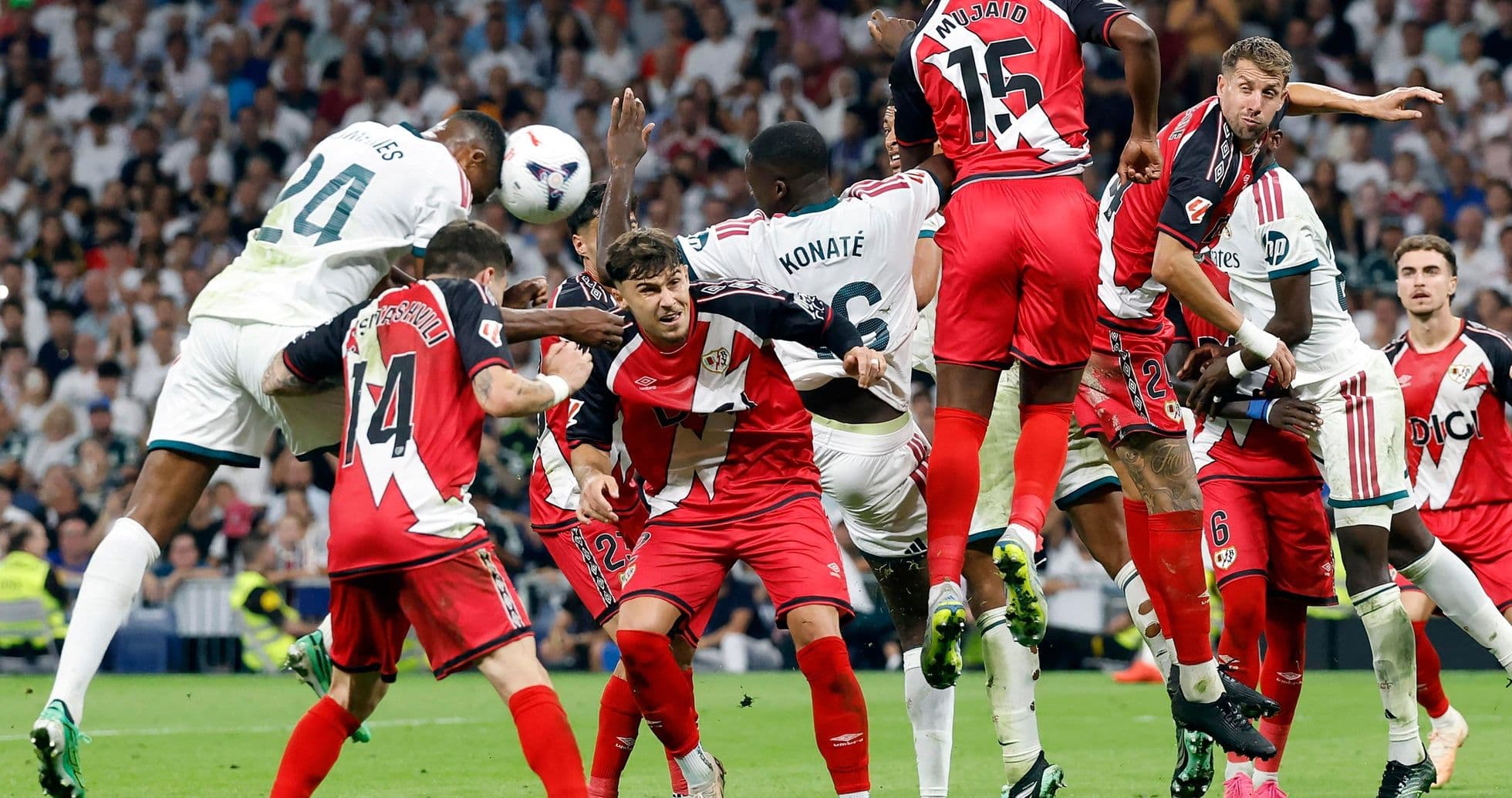
Real Madrid Dominates Rayo Vallecano in La Liga Clash
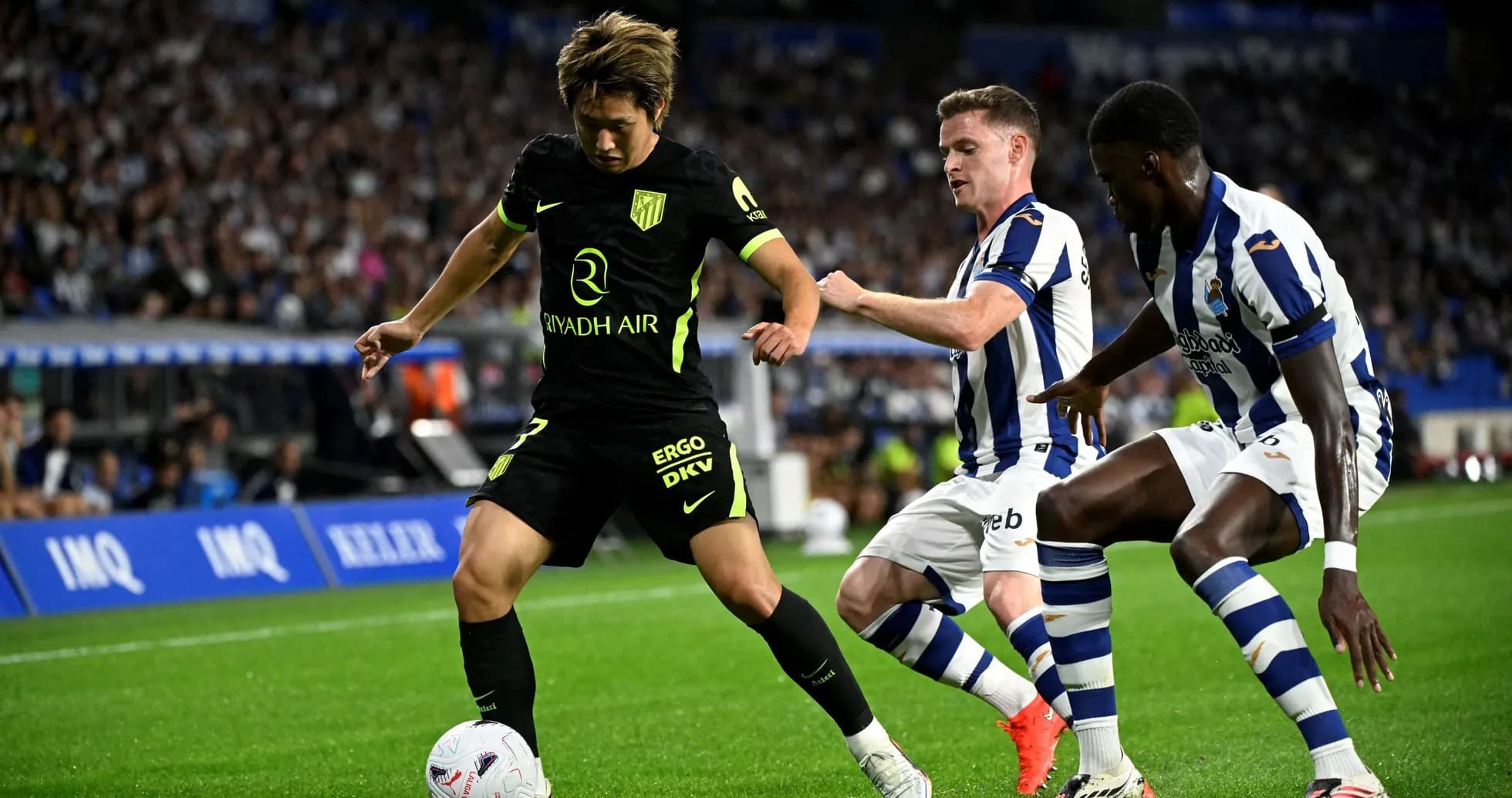
Atletico Madrid Dominates Real Sociedad 3-0 at Reale Arena
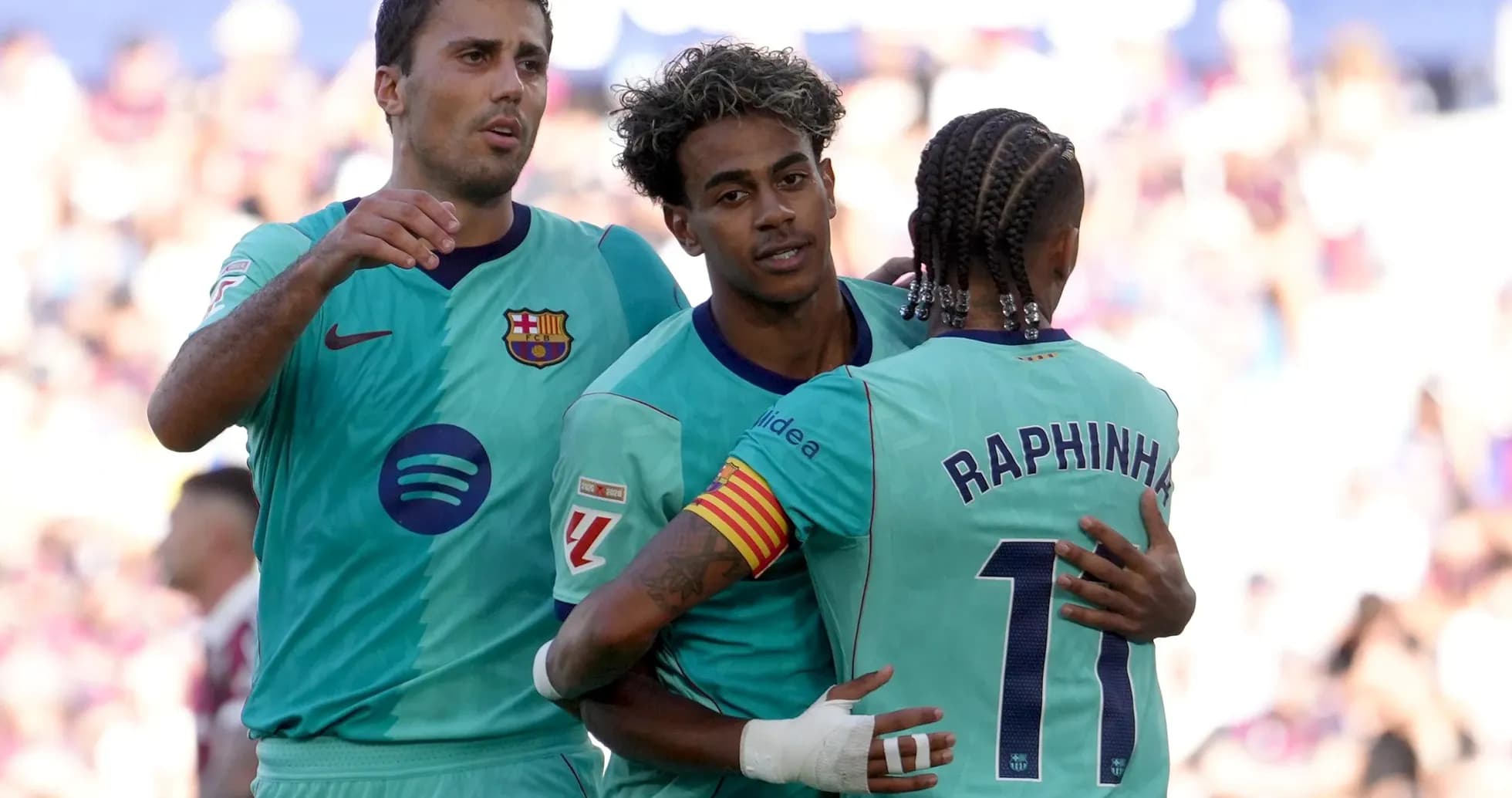
Barcelona Dominates Levante in High-Scoring Clash

Sevilla vs Barcelona Stats: Head-to-Head Record and Past Meetings