

Real Madrid vs Malaga: Tactical Preview of La Liga Clash
Under the late‑summer light of the Bernabéu, this Regular Season - 3 fixture in La Liga sets up as a meeting of opposites: a Real Madrid machine already humming at near‑maximum power, and a Malaga side still searching for its level in the top flight.
I. The Big Picture – Form, Rank, and Identity
Heading into this game, Real Madrid sit 2nd in La Liga with 9 points from 3 matches, perfect in results and ruthless in profile. Overall they have scored 10 goals and conceded 2, for a goal difference of +8 (10 minus 2). At home, the numbers are even more emphatic: 2 wins from 2, 8 goals for and just 1 against, an average of 4.0 goals scored and 0.5 conceded per home match. This is a side that does not merely win; it imposes itself.
Malaga arrive in stark contrast, bottom of the table in 20th with 1 point from 3 games. Overall they have scored 1 goal and conceded 7, a goal difference of -6 (1 minus 7). On their travels, the picture is grim: 2 away defeats, 0 goals scored and 6 conceded, an away average of 0.0 goals for and 3.0 against. Their identity so far is one of resistance under siege, with no clean sheets anywhere and two away games without a goal.
The formations tell the story of intent. Jose Mourinho keeps faith with a 4‑2‑3‑1 that has already become Real Madrid’s structural signature this season, used in all three league matches. Juan Funes counters with a 4‑4‑2, a more orthodox and reactive shape than Malaga’s usual 4‑1‑4‑1, a hint that they expect to defend deep and spring only when the chance appears.
II. Tactical Voids – Absences and Discipline
For all their depth, Real Madrid are not untouched by absences. Eder Militao (hamstring), F. Mendy (hip), A. Tchouameni and Endrick (both muscle injuries), Rodrygo and T. Pitarch (knee problems), plus R. Asencio (muscle injury) are all ruled out. That strips Mourinho of a natural left‑back alternative, a key holding midfielder, and an extra central defender, forcing a re‑imagined back line and double pivot.
In response, he turns to M. Cucurella at left‑back and a centre‑back pairing of A. Rudiger and D. Huijsen in front of T. Courtois, with T. Alexander‑Arnold at right‑back. F. Valverde and E. Camavinga form the engine in midfield, with B. Diaz, J. Bellingham, and Vinicius Junior behind K. Mbappe. It is a starting XI that leans into technical dominance and vertical threat rather than pure defensive security.
Malaga’s absentees are no less significant for their thinner squad. F. Calero (ribs), M. Diarra (calf), D. Murillo, A. Nino (both injuries), and A. Ochoa (knee) are missing, removing defensive depth and some physical presence. That raises the burden on the starting back four of C. Puga, A. Recio, E. Galilea, and Rafita to withstand prolonged pressure.
Disciplinary trends add another layer. Real Madrid’s yellow cards this season are evenly spread across phases, with 25.00% of bookings coming in each of four windows: 0‑15, 31‑45, 61‑75, and 91‑105 minutes. This suggests competitive intensity throughout but no particular meltdown zone. They have no reds in the league so far.
Malaga, however, live dangerously as matches wear on. Their yellow cards cluster late: 16.67% between 46‑60 minutes, 33.33% between 61‑75, another 33.33% from 76‑90, and 16.67% in added time (91‑105). This late‑game accumulation hints at fatigue, desperate challenges, and a growing risk of numerical disadvantage under sustained pressure. Ramón Enríquez, on the bench here, embodies that edge with 2 yellows already in just 26 minutes of league action.
III. Key Matchups – Hunter vs Shield, Engine Room Battles
The headline duel is unmistakable: Kylian Mbappé against a Malaga defence that has shipped 6 goals in 2 away outings. Mbappé arrives as La Liga’s top scorer, with 4 goals in 3 appearances, 18 shots with 14 on target, and an 8.47 average rating. His movement across the front line, starting as the nominal striker in this 4‑2‑3‑1, will test the positioning of A. Recio and E. Galilea relentlessly. Malaga’s away record – 0 goals scored, 6 conceded – suggests their “shield” is already cracked before facing its sternest examination.
Behind Mbappé, Jude Bellingham is the conductor and second wave of threat. With 2 goals and 2 assists in 3 matches, 119 passes at 94% accuracy, and 7 key passes, he is both creator and finisher. His duel with Malaga’s central midfield pair R. Rodriguez and I. Merino is the true engine‑room confrontation. If Bellingham finds space between the lines, Malaga’s back four will be repeatedly dragged into emergency defending.
On the left, Vinícius Júnior offers a different kind of torment. He has 1 goal and 2 assists, 17 dribble attempts with 7 successes, and has drawn 13 fouls already. Up against C. Puga, Vinícius is likely to isolate and drive at his full‑back, forcing cover from A. Recio and opening half‑spaces for B. Diaz and overlapping runs from M. Cucurella. Given Malaga’s tendency to pick up cards late, Vinícius’ relentless one‑on‑ones could draw bookings and free‑kicks in dangerous zones as legs tire.
For Malaga, the “hunter” role falls to the front pair Chupe and C. Dotor, supported by wide runners D. Larrubia and J. Munoz. Their best hope lies in quick counters into the channels behind Alexander‑Arnold and Cucurella when Real Madrid’s full‑backs advance. But with Malaga failing to score in either away match so far, and with no player among the league’s leading scorers, the burden on transition efficiency is immense.
IV. Statistical Prognosis – Flow of the Game and Likely Outcome
Even without explicit xG values, the underlying shot and goal patterns are clear. Real Madrid’s overall scoring average of 3.3 goals per match, combined with Malaga’s overall concession average of 2.3 and an away concession rate of 3.0, points towards a high‑volume attacking performance from the hosts. Real have yet to fail to score this season, while Malaga have yet to keep a clean sheet and have failed to score in 2 of their 3 fixtures, both away.
Defensively, Real Madrid’s overall concession rate of 0.7 goals per game – and just 0.5 at home – suggests that even if Malaga carve out a chance or two on the break, sustained pressure at the other end will tilt the expected goals balance heavily towards the home side. Courtois’ presence behind a back four anchored by Rudiger further reduces the margin for Malaga’s attackers.
The disciplinary and fatigue data hint at a match that may tighten briefly after half‑time but open up dramatically in the final half‑hour. Malaga’s yellow card spikes between 61‑90 minutes intersect ominously with Real Madrid’s attacking depth from the bench, where A. Güler, B. Silva, and Y. Diomande can all enter to raise the tempo. As Malaga tire and their challenge timing deteriorates, Real’s ball‑dominant midfield and wide dribblers are likely to generate a rising tide of chances.
Taken together, the squad profiles, form lines, and statistical patterns point to a contest where Real Madrid’s attacking trident of Mbappé, Bellingham, and Vinícius Jr should dictate the narrative, with Malaga’s 4‑4‑2 spending long stretches compressed into a low block. The expected story is not whether Real Madrid create enough to win, but how long Malaga can delay the inevitable before the Bernabéu’s weight, and the numbers behind it, finally tell.
Related News

LaLiga 2026-27 Season Schedule Released: Kickoff on August 15, Clásico on October 25

Atletico Madrid vs Real Madrid: Head-to-head Stats and Past Meetings
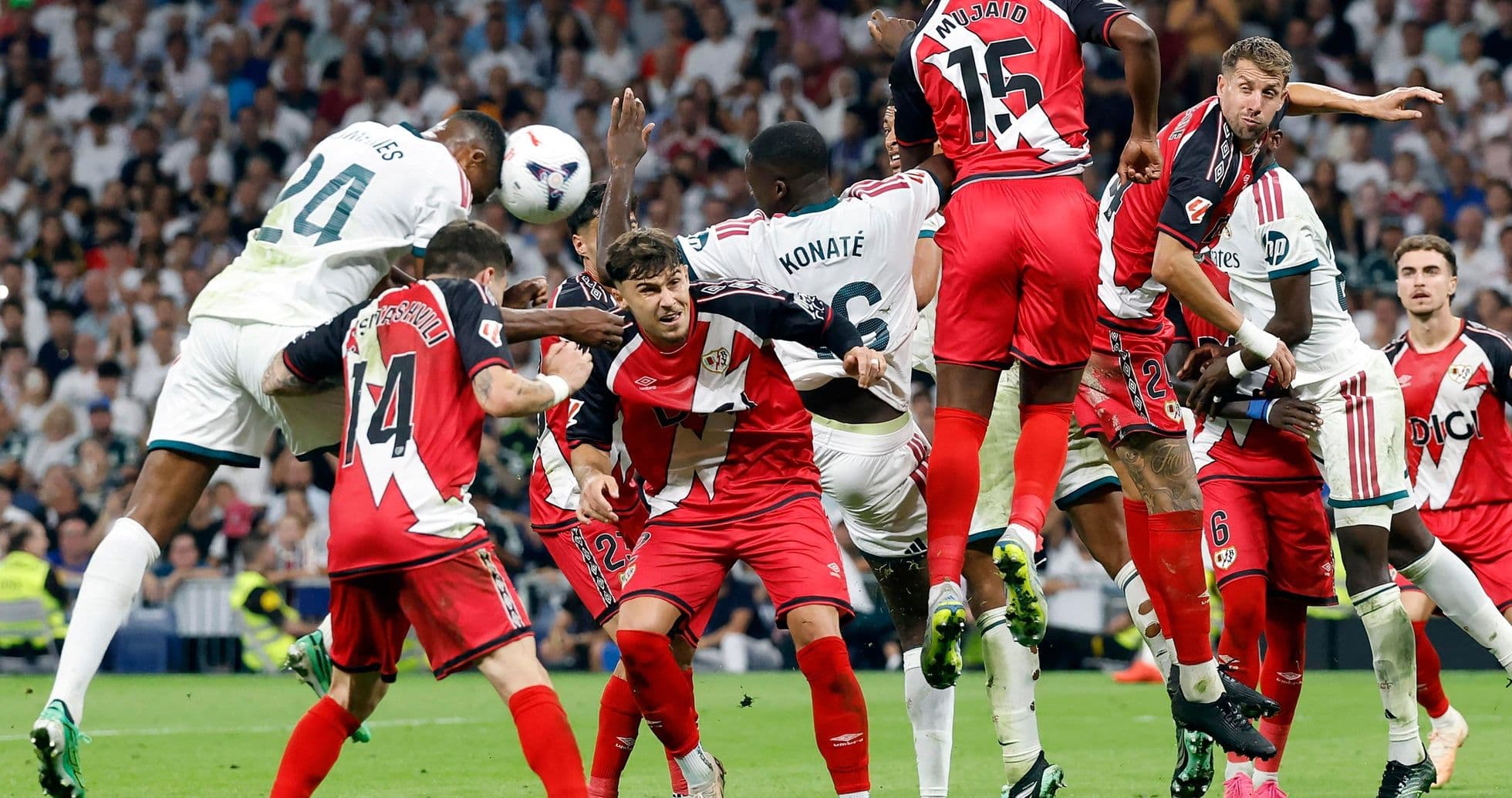
Real Madrid Dominates Rayo Vallecano in La Liga Clash
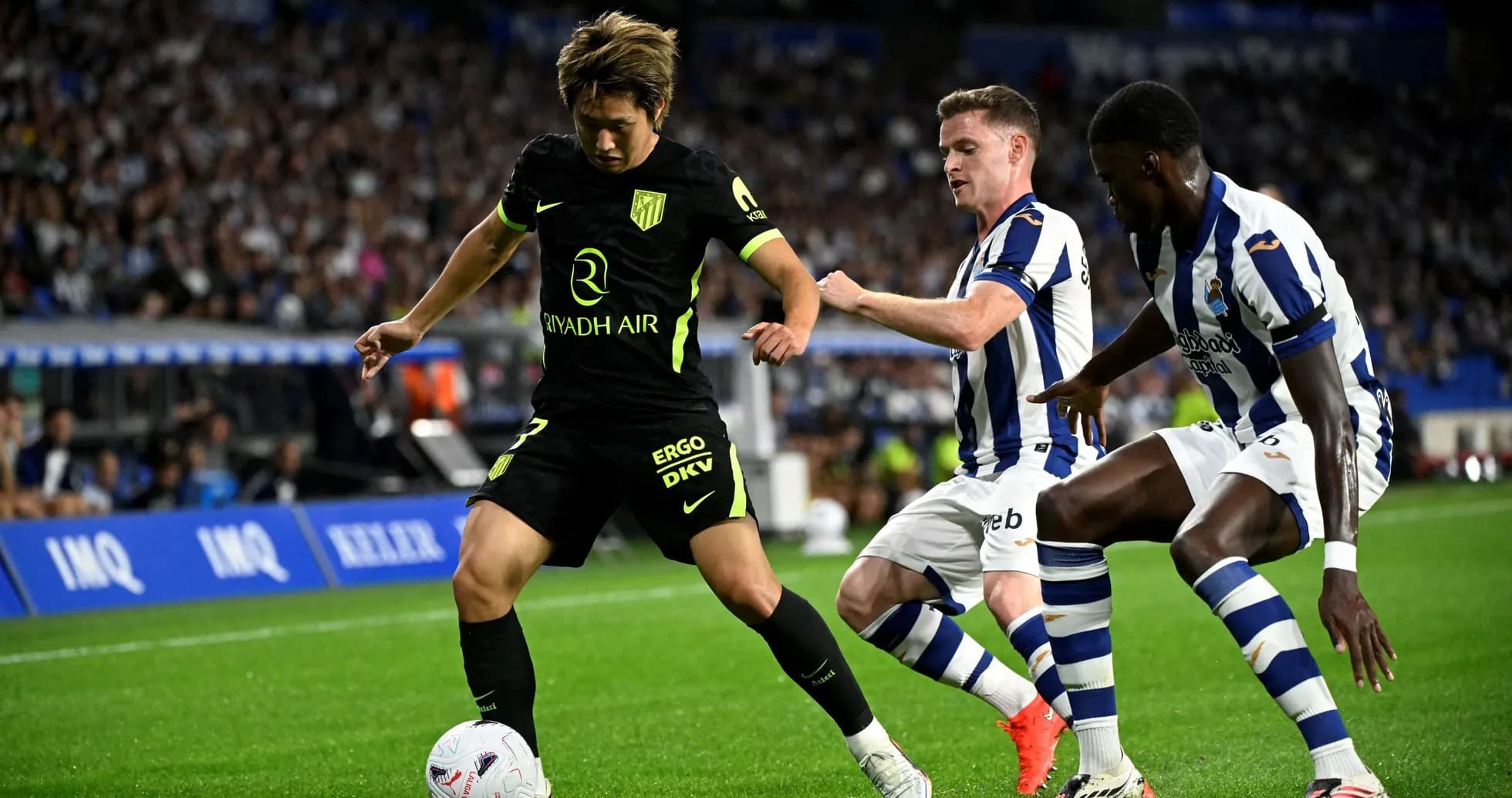
Atletico Madrid Dominates Real Sociedad 3-0 at Reale Arena

Barcelona Dominates Levante in High-Scoring Clash

Sevilla vs Barcelona Stats: Head-to-Head Record and Past Meetings