
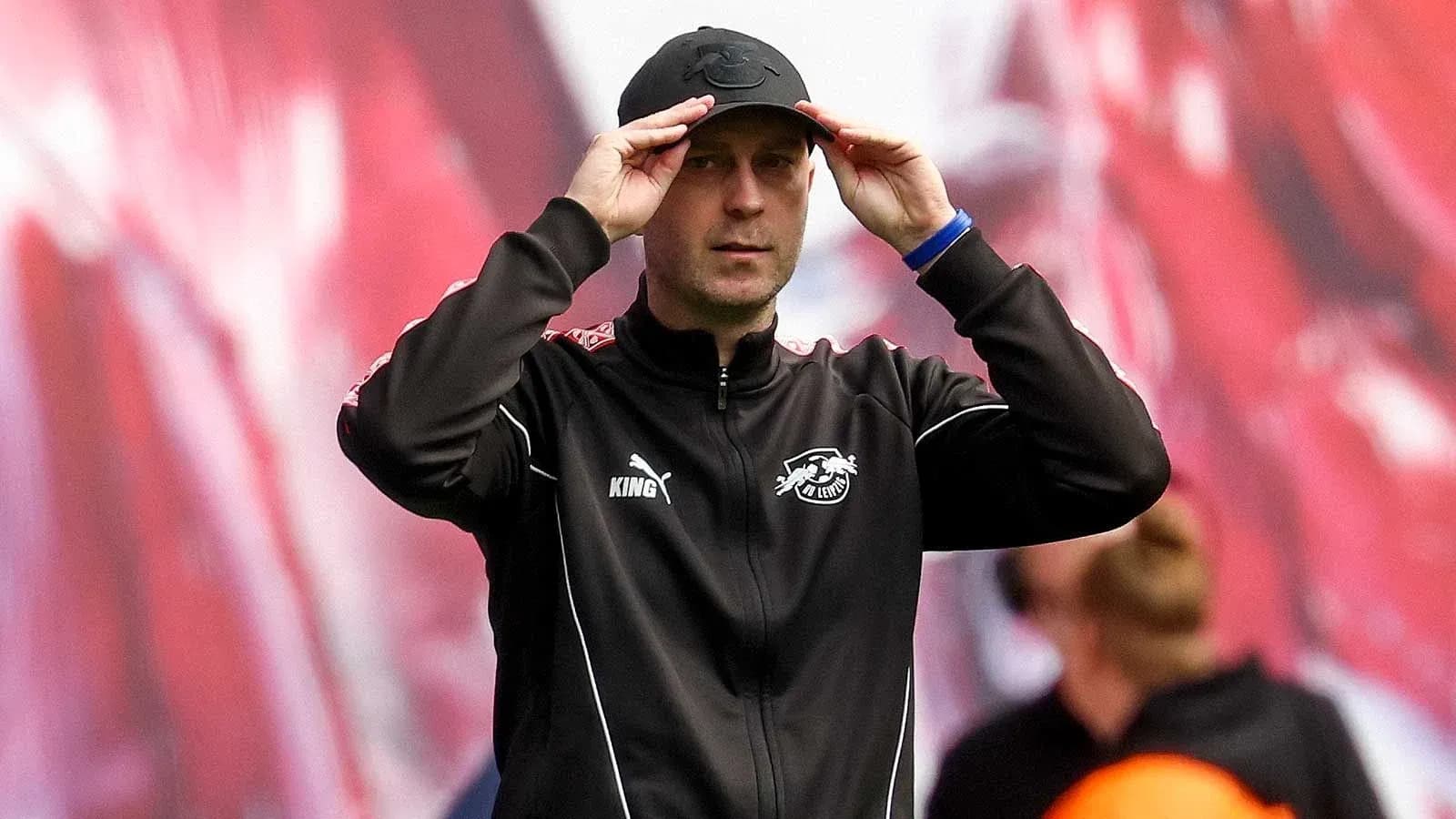
RB Leipzig's Marco Werner: Success Amidst Rising Doubts
The numbers say one thing. The mood in Leipzig says something very different.
RB Leipzig have just come off a season that, on paper, should strengthen Marco Werner’s position, not weaken it. After the chaos of 2024/25 – the club’s worst Bundesliga campaign and a year without European football – Werner dragged a radically rebuilt side back to the top end of the table. They finished just two points short of Leipzig’s record haul from the 2016/17 season.
Across 38 matches, Werner has averaged 1.95 points per game. At a club that burns through coaches in the pursuit of constant growth, that places him firmly among Leipzig’s most successful managers.
And he did it with the deck stacked against him.
Last summer stripped the squad of its cutting edge. The club’s three top scorers from the previous campaign – Benjamin Sesko, Xavi Simons and Lois Openda – all departed. Two long-serving pillars, Yussuf Poulsen and Kevin Kampl, followed them out of the door. Werner walked into a dressing room that had lost its goals, its experience and much of its identity.
He didn’t fold. He rebuilt.
Under his watch, several players have kicked on. Christoph Baumgartner looks sharper, more decisive. Nicolas Seiwald has grown into a far more authoritative presence. And marquee arrival Yan Diomande has become the emblem of this new Leipzig, a player whose influence is so great that some critics now talk about “too much of the Diomande factor” when they try to poke holes in Werner’s work.
Inside the squad, the coach is said to have their backing. Performances improved, results stabilised, and the club’s stated target at the start of this transitional year – qualification for any European competition – was met.
Yet Werner is looking over his shoulder.
The doubts didn’t wait for the season’s end. Discontent had already begun to bubble by February. It surfaced publicly in the aftermath of a 0–2 defeat to Bayern Munich in the DFB-Pokal quarter-finals. Against a Bayern side in relentless form, Leipzig’s display was described as “decent” and “respectable”. For most clubs, that might have been enough context. Not here.
Red Bull CEO Oliver Mintzlaff used the occasion to widen the lens. He moved swiftly from the cup exit to the Bundesliga table and the more uncomfortable truth: Leipzig had taken just four points from league games against Mainz, St. Pauli and Cologne.
“In the league, that wasn't anywhere near what we want. I hold the team accountable for that,” he said, a line that instantly raised the temperature around Werner and his staff.
The club hierarchy had spent months pointing to the “massive overhaul” and preaching realism. Any European qualification, they insisted, would count as a success in this phase. Mintzlaff’s words cut through that careful messaging.
“I want to be in the Champions League!” he declared. Not someday. Now. He called that objective “achievable” and, in doing so, delivered a pointed critique of the squad’s mentality: in his view, Leipzig do not lack experience, they lack the ability to deliver their level for the full 90 minutes every Bundesliga weekend.
The pressure tightened. Shortly after those comments, Bild reported that Werner was coming under increasing scrutiny internally and that the atmosphere around the coach was turning “increasingly frosty”.
That frost never really thawed.
Werner has, by the club’s own initial benchmark, done his job. He steered a gutted squad back into Europe. He oversaw clear progress from the wreckage of the previous season. He helped key players develop and restored a measure of stability to a team that could easily have drifted.
Yet the decisive voices in Salzburg and on the Red Bull board are not easily swayed by context or sentiment. If Max Eberl’s successor in the sporting structure – now centred around Rouven Schröder and sporting director roles like that of Schäfer – cannot convince Mintzlaff and the wider Red Bull leadership that Werner is the right man to lead the next step, those numbers may not save him.
In Leipzig, the data is impressive. The question is whether that will matter in a club that measures its coaches not just by what they’ve rescued, but by how fast they can accelerate.
Related News
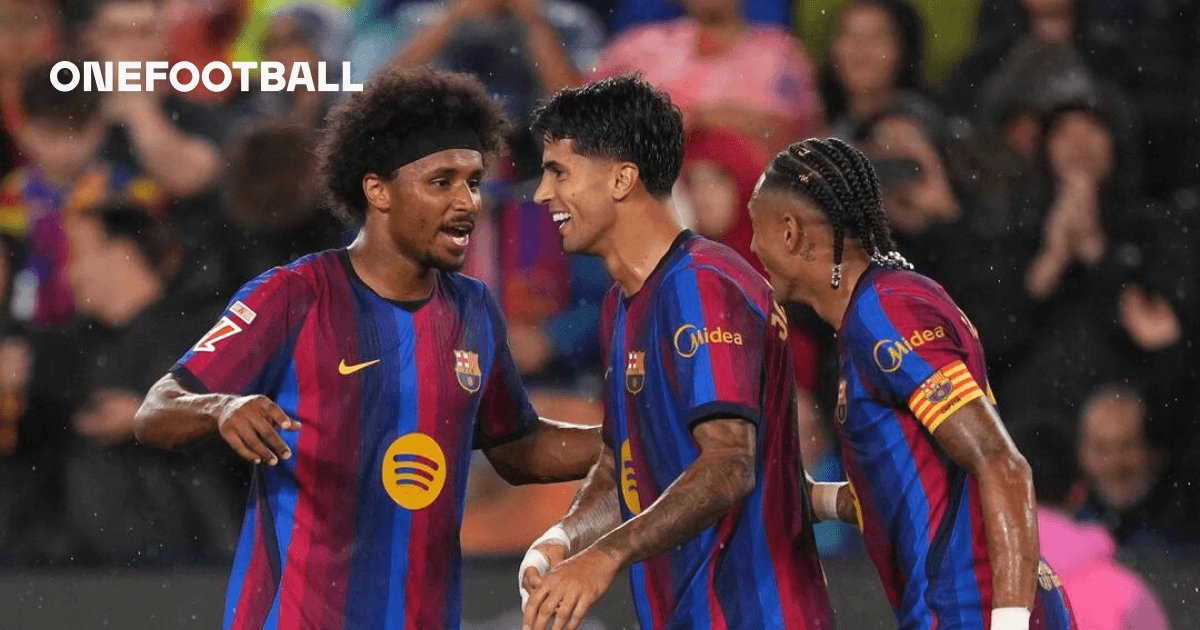
Raphinha’s Hat-Trick Powers Barcelona to 7-2 Victory Over Racing Santander
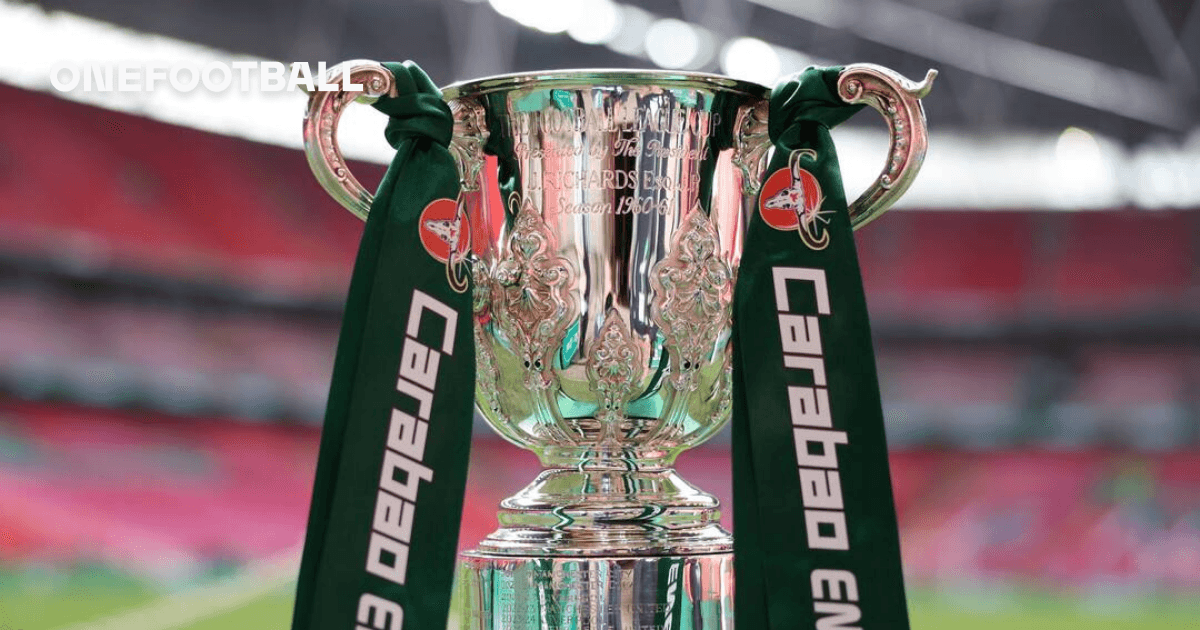
Carabao Cup Fourth Round Draw: Liverpool Set to Clash with Chelsea, Arsenal to Face Fleetwood Town
Key Football Matches to Watch in Azerbaijan This Autumn
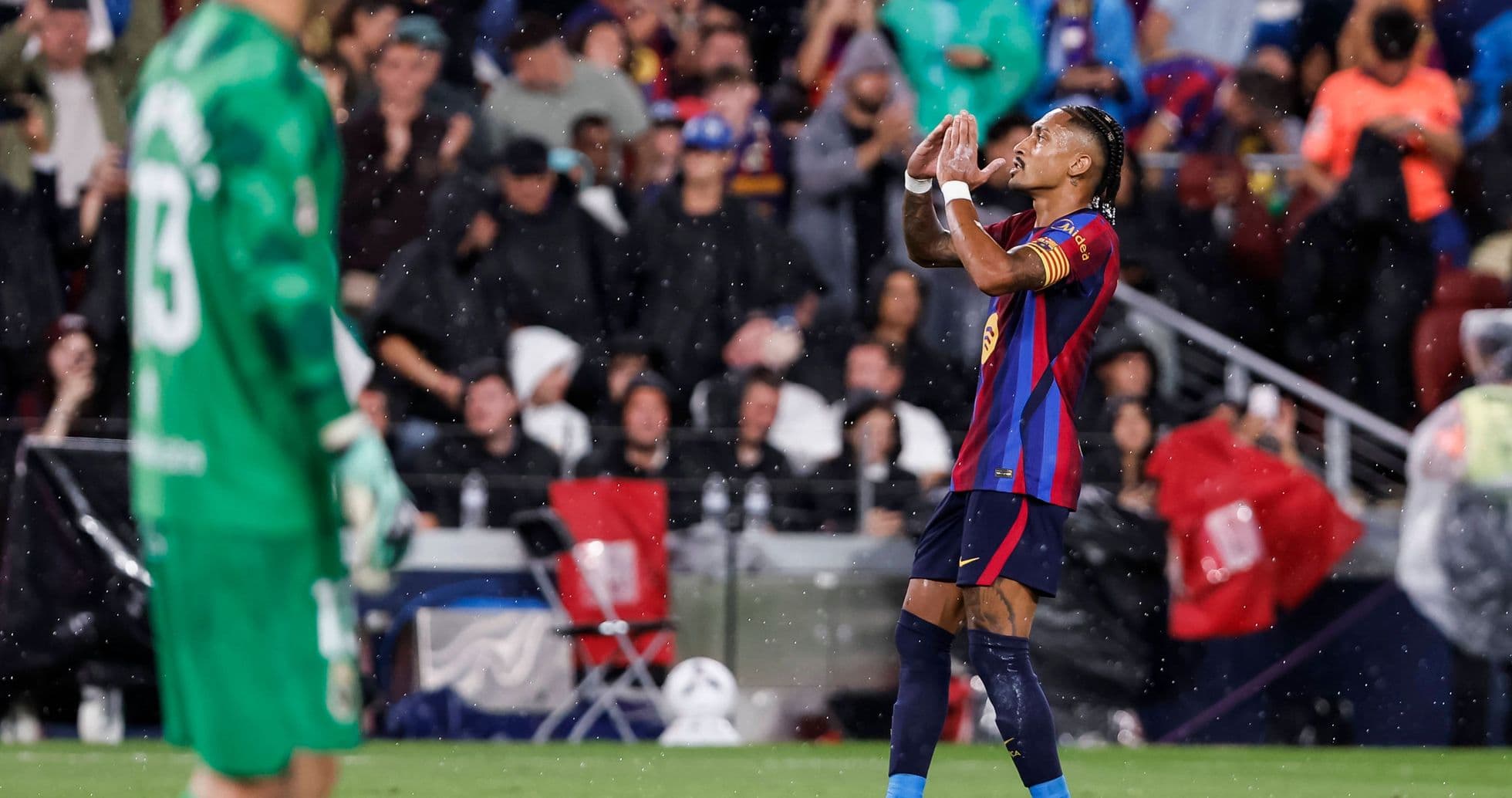
Raphinha's Hat-Trick Drives Barcelona to 7-2 Triumph Over Racing Santander
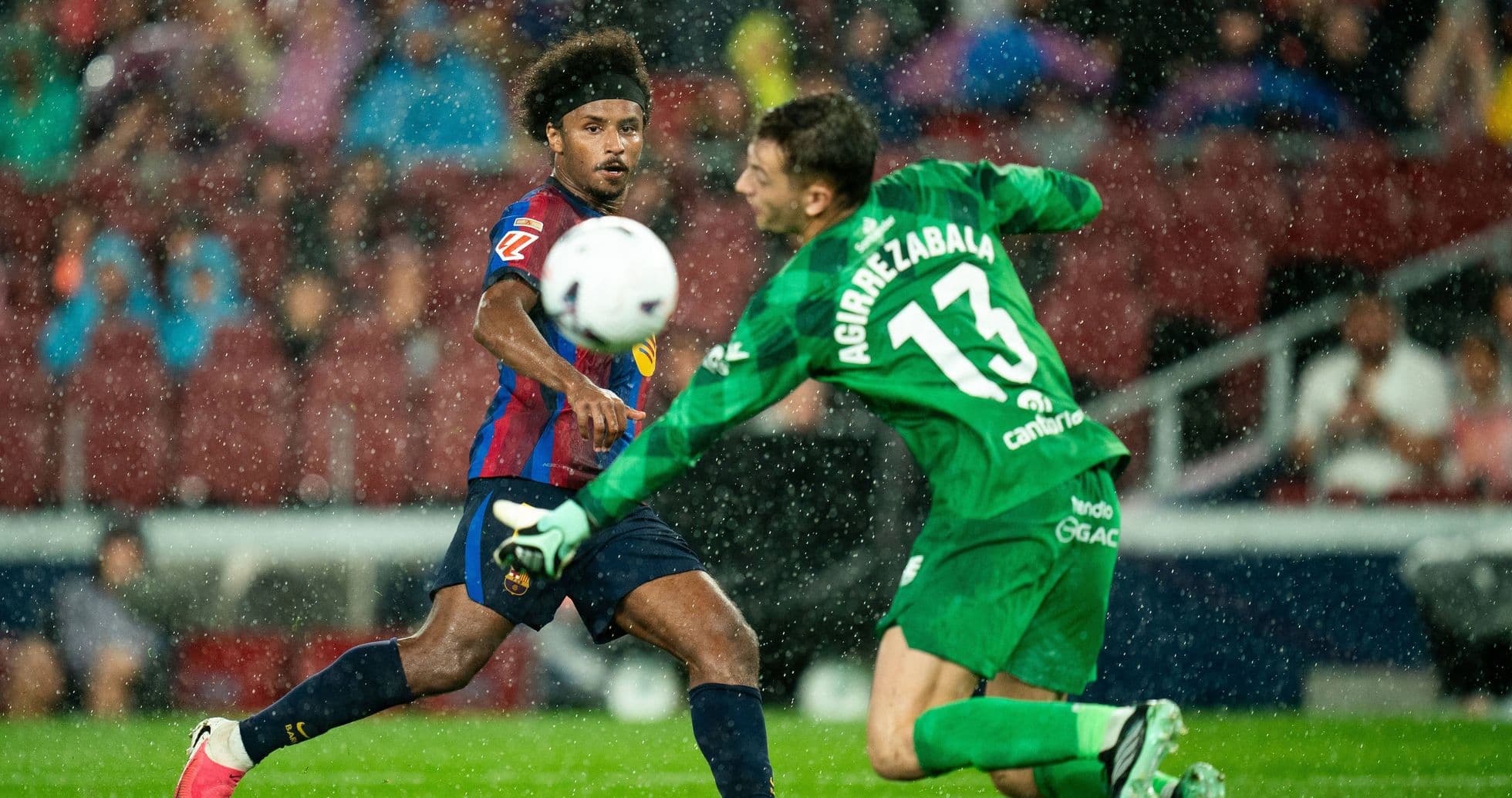
Hansi Flick Leads Barcelona to Record-Breaking Seven Wins in a Row

Gavi Reflects on Injury Return as Barcelona Dominate Racing Santander 7-2