
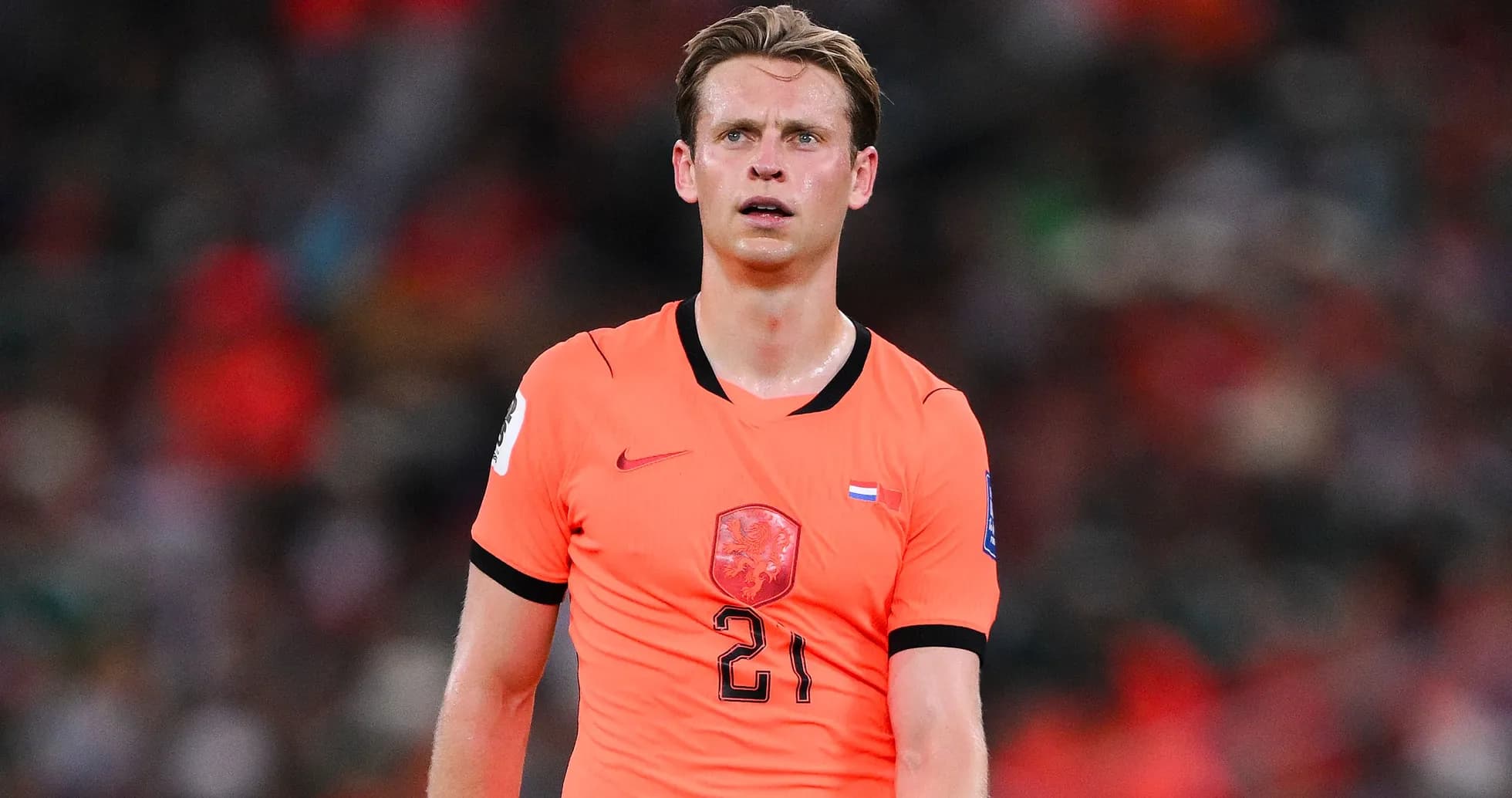
Rafael van der Vaart Critiques Koeman's Tactics After Dutch Collapse
Rafael van der Vaart did not bother softening the blow. Live on Dutch broadcaster NOS, the former Real Madrid midfielder watched the Netherlands’ campaign unravel and went straight for the heart of the problem: Ronald Koeman’s tactical overhaul and a midfield left to fend for itself.
The Netherlands had fought through a tricky group, building rhythm, confidence, a sense of something slowly coming together. Then came Morocco – and a game plan that shredded all that momentum.
“You get through a difficult group stage reasonably well. Then things start clicking a bit,” Van der Vaart said, struggling to hide his disbelief. “What goes on in your head that makes you change everything against Morocco? I don't understand it one bit.”
The change he meant was structural, not cosmetic. Koeman’s reshuffle left the Dutch with a stripped-back central unit, exactly in the one area where Morocco thrive. The result was brutal: the Oranje’s midfield disappeared, their passing patterns broke down, and their supposed conductor, Frenkie de Jong, never got near the game.
Van der Vaart didn’t spare him either.
“Frenkie played the absolute worst game I’ve ever seen from him today. Truly disappointing. But is that because of the system?” he asked, laying the blame not just on the player, but on the framework around him.
The match turned into a tactical mismatch in the middle of the pitch. Morocco’s strongest line – their midfield – swarmed, recycled the ball, and dictated the tempo. The Netherlands, reduced to just two men in that zone, were constantly chasing shadows.
“I think Morocco's midfield is their strongest asset. And then you decide to play against them with just two men?” Van der Vaart said. “I didn't study to be a manager, but that seems a bit clumsy to me.”
The consequence was predictable: De Jong, the man meant to set the rhythm, barely touched the ball. When the Netherlands don’t have possession, his influence shrinks. On this night, it vanished.
“Frenkie is only effective when you have the ball, but we didn't have the ball at all today, so Frenkie was completely invisible. And he is supposed to be our main man...” Van der Vaart continued.
He wasn’t alone in isolation. Cody Gakpo found the net, a rare bright moment in a bleak performance, but he too drifted on the fringes of the contest.
“Plus, Cody Gakpo scored the goal, but of course, he was barely involved either,” Van der Vaart pointed out, underlining how the system starved the front line just as much as it did the midfield.
Koeman eventually turned to Marten de Roon, bringing him on after 110 minutes to reinforce the engine room. By then, the damage was already done. The adjustment felt late, reactive rather than proactive, and only sharpened the questions around the original plan.
As Morocco look ahead to a last-16 clash with Canada in Houston, their belief soaring, the Dutch head in the opposite direction – back home, back to inquests and uncomfortable meetings.
The squad, already heavily criticised, now faces immediate scrutiny over both performance and profile. Key figures have come under direct fire, the age and balance of the group exposed under knockout pressure, and the sense of a team in transition has hardened into something more severe.
Koeman now stands at a crossroads. His tactical judgement has been dragged into the spotlight by one of the country’s most outspoken former stars, and the debate will not fade quickly. With an ageing core and a system that collapsed against a side built around midfield dominance, the message is clear: the next international cycle cannot look like this one.
Personnel changes feel less like an option and more like a necessity. The real question is whether Koeman will be the one trusted to make them.
Related News

Raphinha’s Hat-Trick Powers Barcelona to 7-2 Victory Over Racing Santander
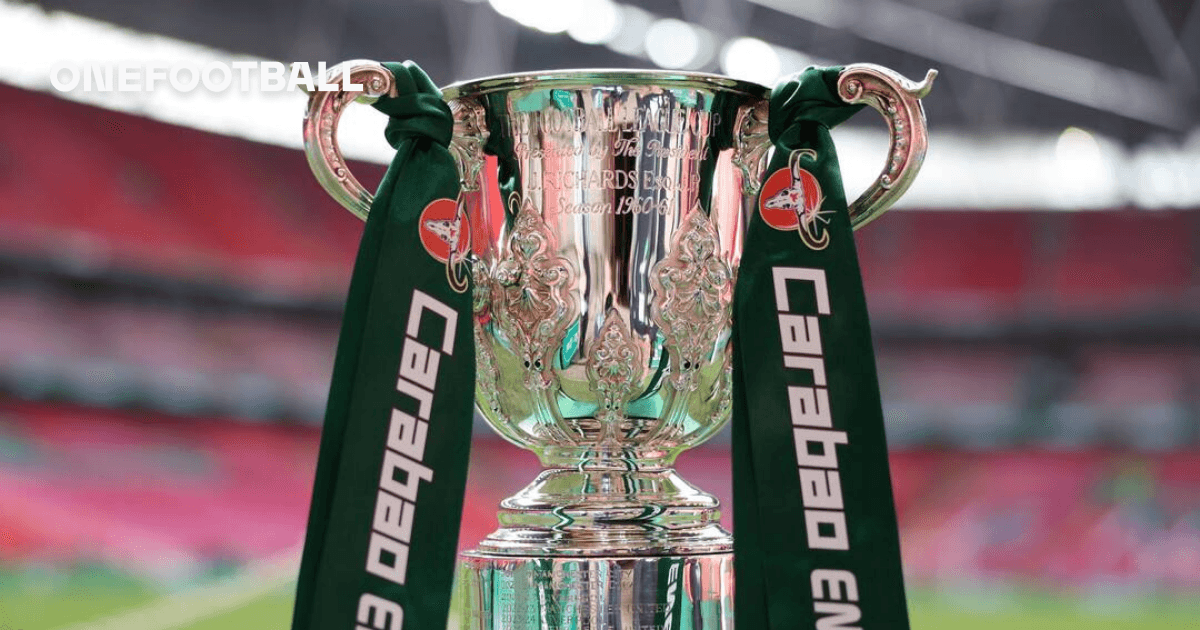
Carabao Cup Fourth Round Draw: Liverpool Set to Clash with Chelsea, Arsenal to Face Fleetwood Town
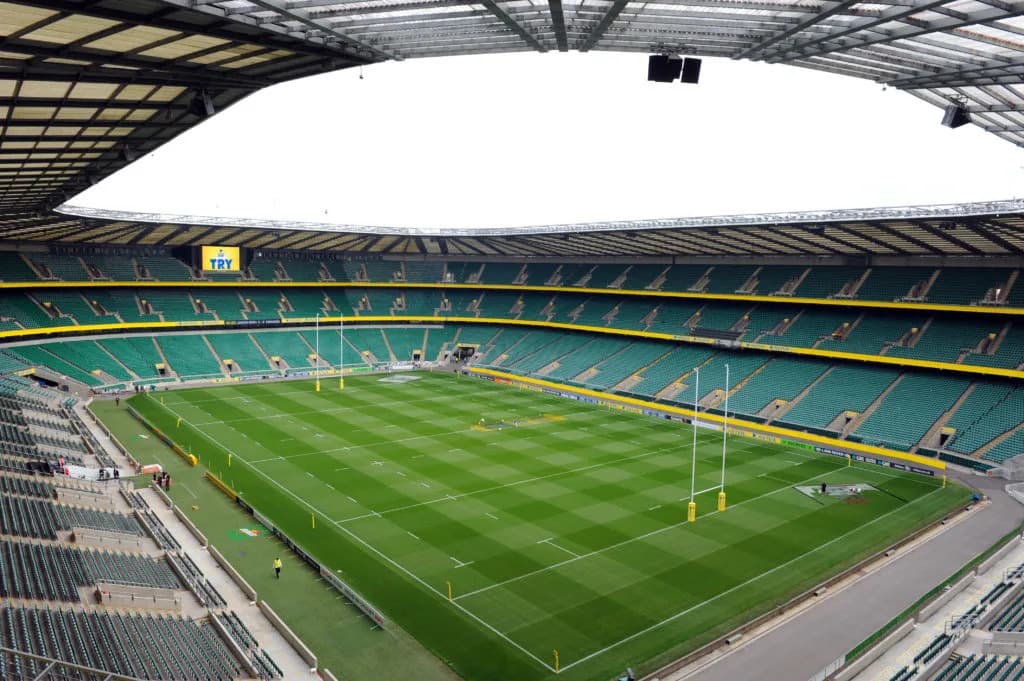
Key Football Matches to Watch in Azerbaijan This Autumn
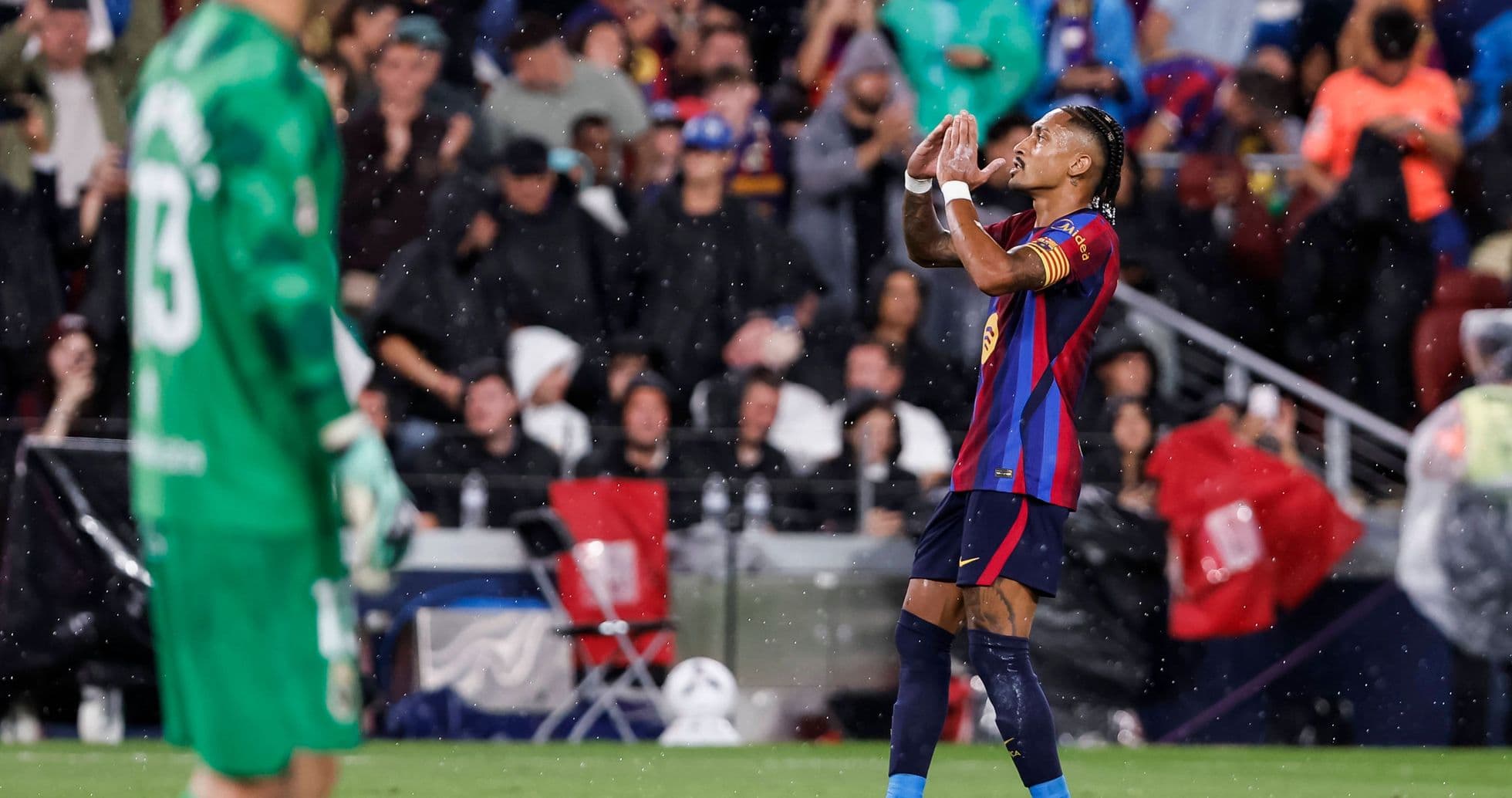
Raphinha's Hat-Trick Drives Barcelona to 7-2 Triumph Over Racing Santander
Hansi Flick Leads Barcelona to Record-Breaking Seven Wins in a Row
Gavi Reflects on Injury Return as Barcelona Dominate Racing Santander 7-2