
PSG Wins UEFA Champions League Final: Viewing Stats and Sponsor Impact
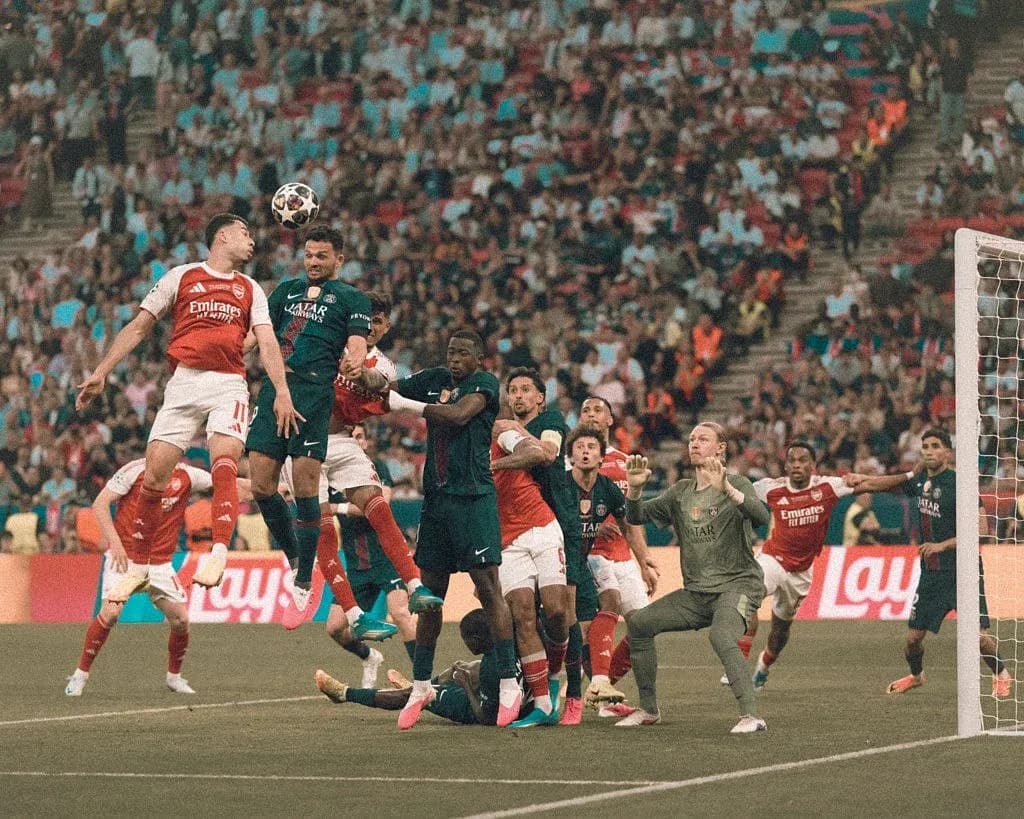
On a warm night in Budapest, PSG kept their hands on the UEFA Champions League trophy. The holders edged Arsenal 4-3 on penalties after a tense 1-1 draw at Puskás Aréna on 30 May 2026, clinching back-to-back European crowns in the kind of final that grips a continent.
Yet the most explosive numbers from the evening didn’t come from the pitch. They came from the screens.
A final watched in living rooms – and in the shadows
Across four key markets – the UK, France, Hungary and the United States – the game drew a combined audience of 33.7 million. Respectable for a club final. Familiar, even.
What wasn’t familiar was where those eyeballs came from.
In the UK alone, an estimated 16.2 million people watched via illegal streams. That single figure outstripped the total number of viewers who tuned in through official broadcasters across all four measured markets combined (12.9 million). The final was locked behind paywalls in Britain, with no free-to-air option. Faced with the prospect of missing the biggest club game of the season, millions simply found another route.
The UK delivered the largest overall audience: 19.4 million viewers. Of those, 16.2 million watched illegally, 3.0 million tuned in through TNT Sports and HBO Max, and around 200,000 were estimated to have watched out of home.
France followed with 9.5 million viewers on M6 and Canal+, while the US added 4.8 million across CBS, Univision and Paramount+. Hungary, as host nation, contributed its share to the 33.7 million total, though the spotlight on viewing habits shone brightest on the UK.
And the match wasn’t confined to sofas and smartphones. YouGov data suggests just under 500,000 Arsenal and PSG fans watched from bars and pubs across London and Paris, turning city streets into extensions of the stadium. Inside Puskás Aréna itself, 61,035 spectators lived every minute in person.
One final, three layers of viewing: in the ground, in the bars, and in the grey zone of the internet.
Arsenal lose the cup – but Emirates win the screen
On the scoreboard, PSG prevailed. In the broadcast metrics, Arsenal did.
YouGov Sport’s Brand Exposure analysis shows Arsenal’s front-of-shirt sponsor, Emirates, enjoyed 2 hours and 52 minutes of on-screen time, with a Brand Impact Score (BIS) of 3.54. PSG’s sponsor, Qatar Airways, logged 1 hour and 54 minutes and a BIS of 3.25.
That difference tells a story about how the game looked through the camera lens. Arsenal’s players appeared more often in key moments: attacking moves, desperate blocks, close-up reactions, extended replays. Every time the director cut to an Arsenal player, the Emirates logo travelled with them.
The detail matters. Close-ups, slow-motion replays, and sustained focus on individual players all drive sponsor visibility. Across the final, Arsenal’s presence translated into greater cumulative exposure.
Emirates’ advantage didn’t stop at quantity. It also recorded a higher BIS than Qatar Airways (3.54 vs 3.22), driven by a slightly larger logo, stronger on-screen positioning, a higher proportion of shots where the branding appeared alone, and less competing visual clutter. Longer average exposure durations pushed the impact further. When the logo appeared, it stayed and it stood out.
For sponsors, this is a sharp reminder: the losing team can still win the commercial battle. A dramatic, emotionally charged performance from a beaten side can generate more value than a more clinical victory on the other end.
In Budapest, PSG lifted the trophy. Emirates lifted the metrics.
Forty-two billion impressions from one night of football
The final’s reach didn’t stop when the penalties ended.
Over just 48 hours – 30 and 31 May – the match sparked more than 40,500 social media posts, 13,700 videos and 24,500 online articles. That content translated into 42 billion potential impressions, 1 billion video views and 10 billion in potential readership.
PSG dominated the digital noise. Across their official social media accounts, the French champions generated 8.6 billion impressions and 418.6 million video views. Arsenal’s official channels, by comparison, delivered 3.7 billion impressions and 49.7 million video views.
The gap wasn’t an accident. PSG simply produced more content, and that volume turned into reach. The club’s victory didn’t just echo around Budapest; it flooded timelines worldwide, stretching the impact of the win far beyond 90 minutes and penalties.
When shirt deals become loyalty tests
Sponsorship isn’t only about being seen. It’s about being liked – and recommended.
Using YouGov BrandIndex, Recommendation levels for Emirates among Arsenal supporters in the UK and Qatar Airways among PSG supporters in France were measured against their respective general populations. In both cases, club fans were significantly more likely to recommend the sponsor than the broader public.
That’s a powerful bond. The shirt on the pitch is turning into advocacy off it.
Emirates even recorded an increase in Recommendation among Arsenal supporters around the time of the final. Multiple factors can shape brand perception, so not every shift can be pinned solely on one game. But the timing underlines how a high-stakes night can strengthen the emotional link between fans and the sponsor on their team’s chest.
Qatar Airways, meanwhile, maintained consistently strong Recommendation levels among PSG supporters across the measured period. Steady, reliable approval – the kind sponsors crave over the long term.
These shifts in sentiment carry real commercial weight. Through YouGov Sport’s BIS‑X framework, exposure metrics are combined with fan perception and brand health data to show how positive feeling can amplify the value of every logo appearance. In this final, the stronger uplift in Recommendation among Arsenal fans suggests Emirates may have gained not just more visibility, but louder advocacy.
The cameras did their part. The supporters did the rest.
Beyond counting eyeballs
This Champions League final underlines a blunt truth for modern sponsorship: raw audience figures and logo counts no longer tell the full story.
Illegal streams in record numbers. A losing side delivering superior sponsor exposure. A winning club owning the social conversation. Fan sentiment tilting the value of a partnership up or down.
To understand who really wins on nights like Budapest, brands now have to look across four fronts: who watched, how often the logo appeared, how the game exploded across social platforms, and how fans actually feel about the sponsor.
In an era of fragmented media and shifting viewing habits, the question is no longer just how many people saw the final. It’s which brands they noticed, which ones they talked about – and which ones they’re now willing to recommend.
Related News
Raphinha’s Hat-Trick Powers Barcelona to 7-2 Victory Over Racing Santander
Carabao Cup Fourth Round Draw: Liverpool Set to Clash with Chelsea, Arsenal to Face Fleetwood Town
Key Football Matches to Watch in Azerbaijan This Autumn
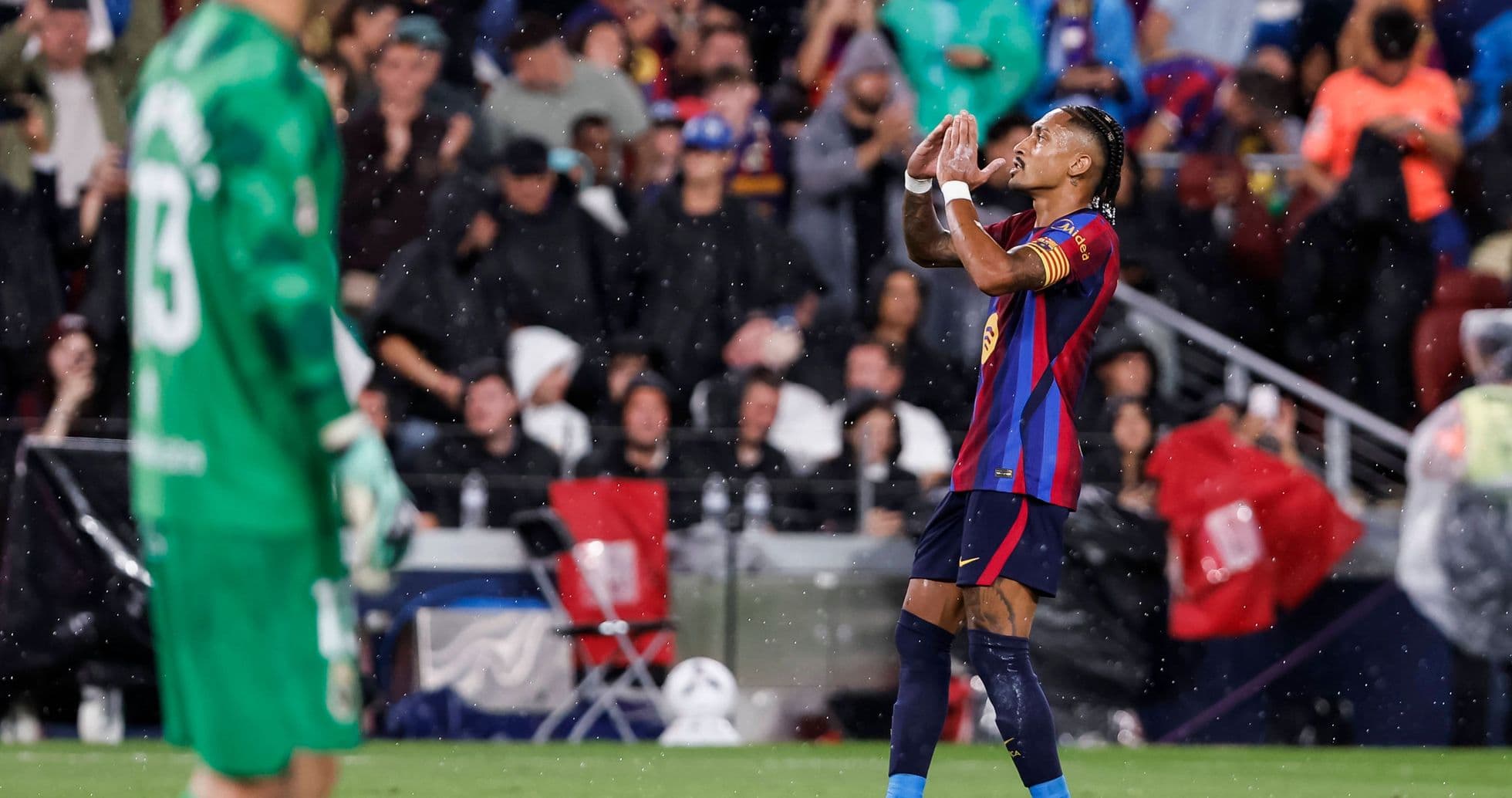
Raphinha's Hat-Trick Drives Barcelona to 7-2 Triumph Over Racing Santander
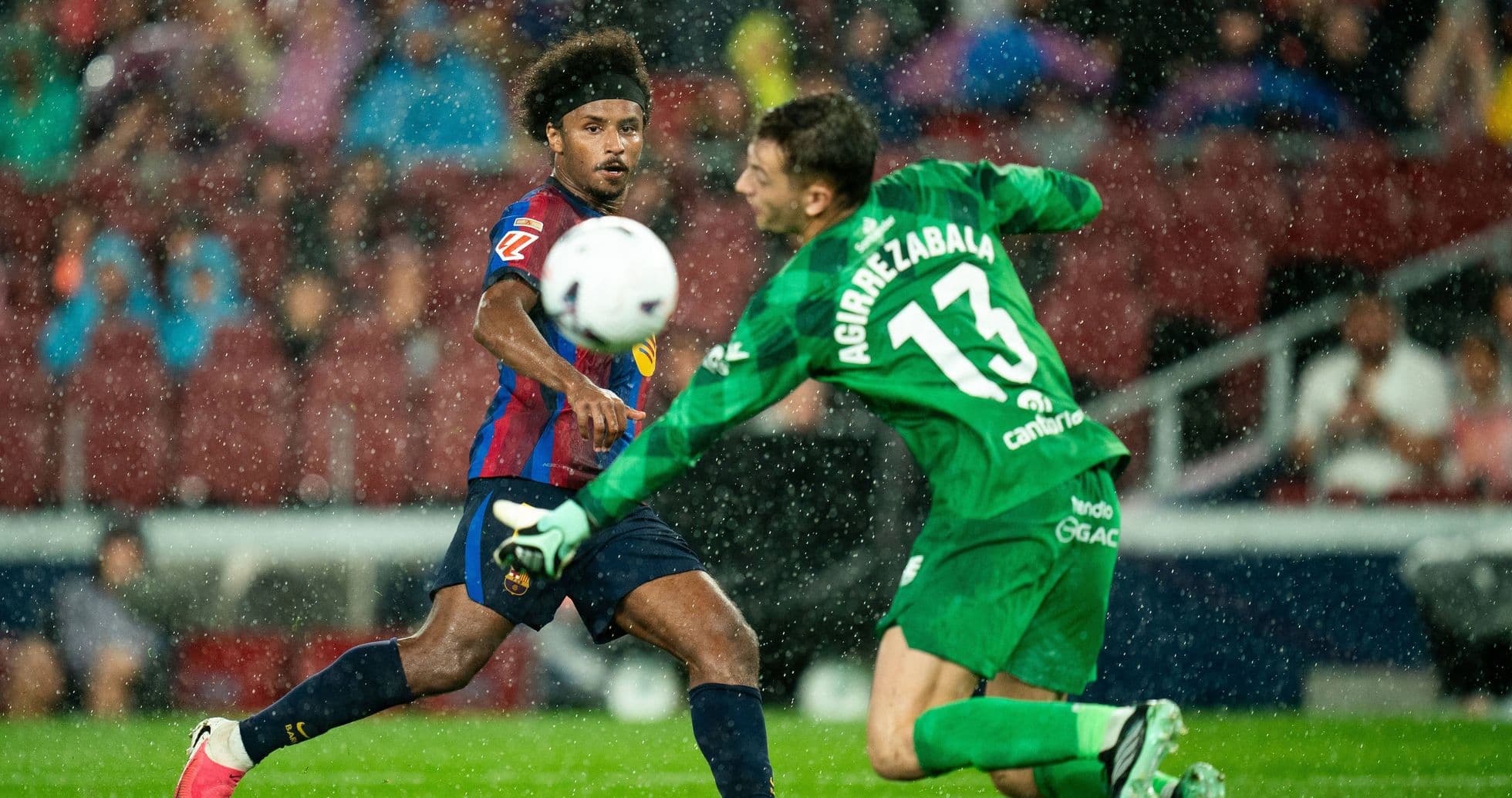
Hansi Flick Leads Barcelona to Record-Breaking Seven Wins in a Row
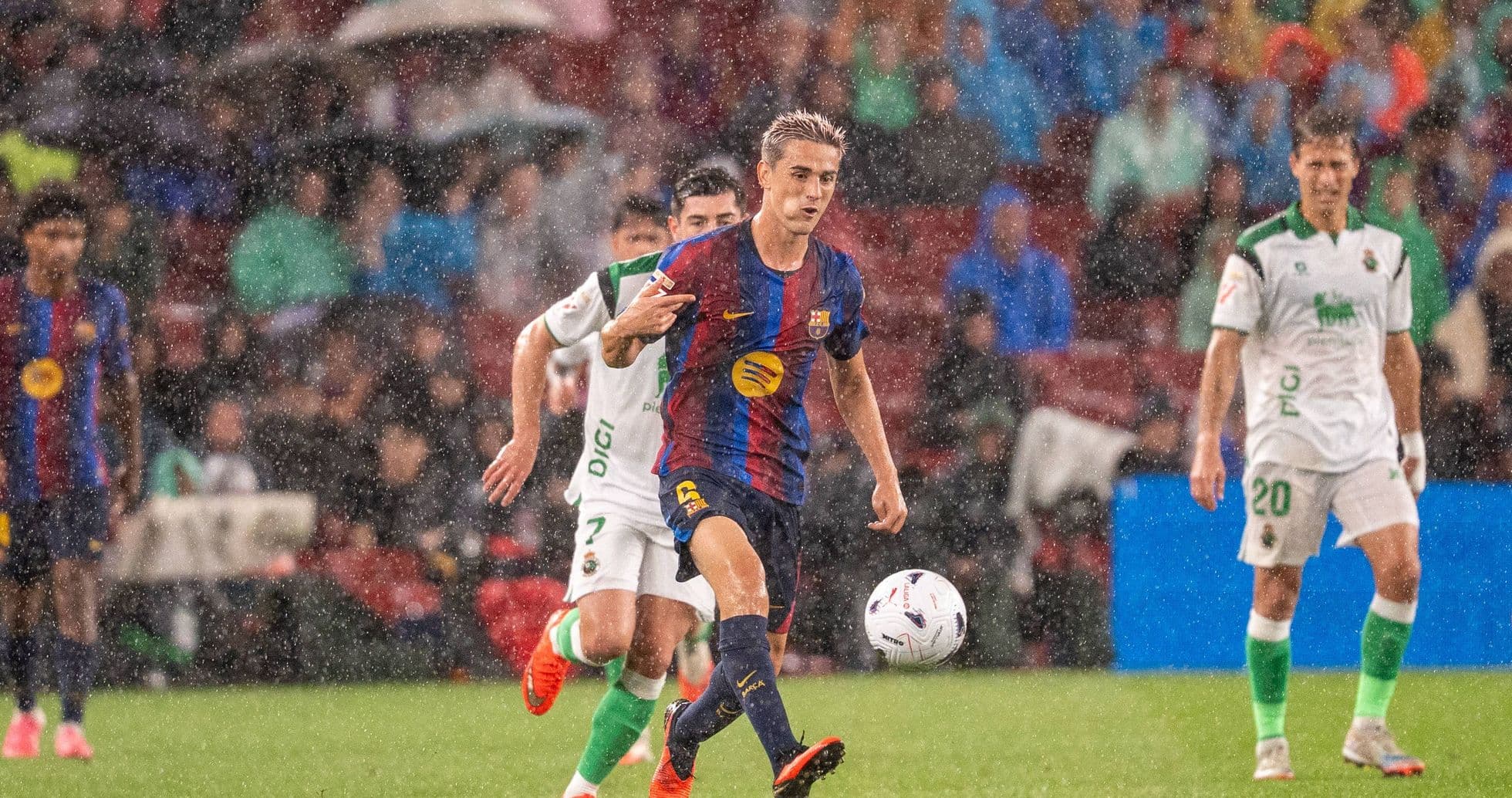
Gavi Reflects on Injury Return as Barcelona Dominate Racing Santander 7-2