
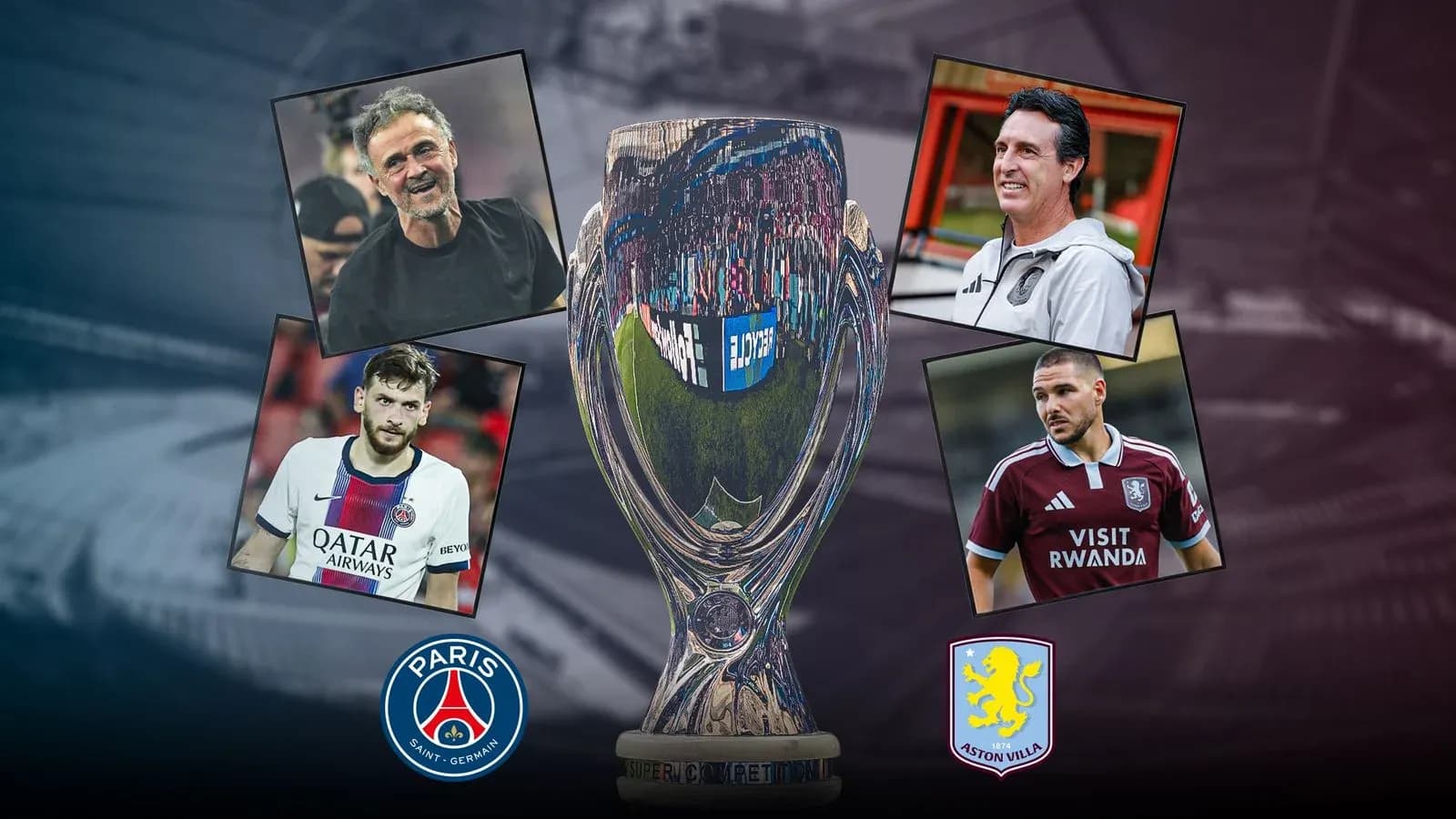
PSG vs Aston Villa: Champions League Rematch in Salzburg
Luis Enrique walked out of Villa Park that April night in 2025 sounding more like a survivor than a winning coach.
“We were really suffering. I do not think this team has been dominated in this way.”
Paris Saint-Germain had just clung on, 5-4 on aggregate, after Aston Villa had dragged them to the edge of the cliff in a Champions League quarter-final that crackled with chaos. It felt like a one-off, a fever dream of a tie.
Now, 484 days later, they meet again. The stakes are different, the stage is different, but the scars and the standards remain.
The night Villa rattled the new European royalty
The first act of this story unfolded in Paris. Morgan Rogers stunned the Parc des Princes with a shock opener, only for Desire Doue to smother the celebrations almost instantly. Kvicha Kvaratskhelia twisted the knife, Nuno Mendes added a late third, and Villa flew home staring up at a mountain.
3-1 down. Outgunned on paper. Written off almost everywhere else.
At Villa Park, that script lasted barely a quarter of an hour.
Achraf Hakimi and Mendes struck early again, stretching the aggregate scoreline to 5-1 and, seemingly, slamming the door on Villa’s Champions League return. For a while, it looked brutal: a plucky upstart crushed under the weight of an “embarrassment of riches.”
Then the game split open.
Youri Tielemans’ deflected effort flicked a spark. John McGinn’s driving run and finish turned it into a blaze, Villa Park roaring as if it could drag the ball into the net itself. When Ezri Konsa scored after a flash of magic from Marcus Rashford, belief surged through the stands and the dugout alike.
Three goals in 23 minutes. Two of them separated by barely a heartbeat. For the first time, PSG looked human.
“We were playing at a level that was not befitting of the Champions League,” Enrique admitted afterwards. “Villa had chances to equalise.
“The opponent had to take risks because they were going out of the competition. They attacked with real intensity and in front of a great crowd as well.
“At 2-0, we nearly had Villa on the canvas. We reached a point where perhaps it was too easy, a bit of overconfidence, and that gave Villa a chance.”
Villa’s comeback, ferocious and flawed, stopped just short. They won the night 3-2 but lost the tie 5-4. Heads held high, but hearts broken.
The chances Enrique referenced were not half-openings; they were the kind that usually change ties. Each time, Gianluigi Donnarumma stood in the way, repelling everything and walking off with Player of the Match.
That was the last time these teams shared a pitch. Since then, the paths they’ve taken say everything about the scale of the task awaiting Unai Emery’s side in Salzburg.
PSG, completed
PSG did not just survive Villa. They used that scare as a springboard.
Arsenal were brushed aside in the semi-finals. Inter Milan were dismantled in the final. The club’s long, tortured pursuit of the Champions League ended with a trophy finally lifted, and Ousmane Dembele’s season swelled into a Ballon d’Or-winning campaign, decorated by a flood of team honours.
The momentum never really stopped.
- Two more league titles.
- The French Cup.
- A Super Cup.
- Two French Super Cups.
- Another Champions League crown last season.
This is no longer a club searching for itself in Europe; it is a machine that now knows exactly how to win.
Crucially, the core remains.
Dembele, Kvaratskhelia and Doue form a front line brimming with invention and incision. Behind them, Fabian Ruiz, Vitinha and Joao Neves offer a midfield blend that looks purpose-built for control and cruelty in equal measure.
Hakimi, Marquinhos, Willian Pacho and Mendes patrol the backline, with Matvey Safonov now installed in goal. On the bench and beyond, Bradley Barcola, Ilya Zabarnyi, Ibrahim Mbaye, Maghnes Akliouche and a familiar face in Lucas Digne – now a PSG player again and preparing to face his former club days after sealing his return to Paris – underscore the depth.
This is a squad that can hurt you in any way it chooses. On its good days, it can smother even the elite. On its bad days, it still usually wins.
That is the reality Villa walk into.
Emery’s new Villa, reshaped under pressure
Villa, too, have been busy. Their journey has been less about consolidation and more about reinvention.
Emery delivered what felt like a seismic season: fourth place in the Premier League, a return to the Champions League, and Europa League glory in Istanbul to end a 30-year wait for a trophy. The club’s modern identity was forged in that run.
Then came the departures.
Morgan Rogers, whose goal in Paris lit the fuse on that quarter-final tie, has gone to Chelsea in a record £117m deal. Tielemans, scorer and architect in that Villa Park surge, has joined Manchester United for £35m. Two pillars of Emery’s structure, removed in one summer.
They leave gaps in creativity, in control, in personality. Villa have not stood still, though. Joao Gomes, Johan Manzambi and a potential revival project in Alejandro Garnacho offer fresh energy and a different kind of threat. This is not a simple case of replacing like for like; it is a squad being nudged into a new shape.
Of the 16 players who featured against PSG in that last meeting, five have left. Amadou Onana, who started that game, is sidelined with an ACL injury. The dressing room Emery looks at now is not the same one that rattled the European champions-in-waiting.
And it is still being built.
Left-back Matteo Ruggeri and midfield enforcer Joao Palhinha remain live possibilities, two signings that would harden Villa’s spine for the months ahead. For now, though, Emery works with what he has – and what he has might be enough to make this a contest again.
There is good news. Ollie Watkins, Konsa and Emiliano Martinez are all expected to link up with the squad for the first time this summer after extended breaks following the World Cup. Each one changes the temperature of a game: Watkins with his movement and finishing, Konsa with his composure, Martinez with his presence and edge.
McGinn, the heartbeat of that Villa Park night, has also been back in training after an injury scare during pre-season in Asia. His availability always matters; in nights like these, it matters even more.
Same opponents, different examination
PSG arrive in Salzburg as serial winners, armed with a squad that has grown together into a ruthless, seasoned force. They know exactly what they are, and exactly what nights like this demand.
Villa arrive as something else entirely: a team in transition, yet not in retreat. There are new faces to blend, key roles to redefine and a Champions League campaign to navigate without some of the players who dragged them back to this level in the first place.
The club’s ambition is clear. They do not want Istanbul, or that wild night against PSG, to sit in isolation as a golden memory. They want those evenings to become routine, not relics.
The Super Cup in Salzburg is a trophy, and both clubs care about that. For PSG, it is another chance to add weight to an already heavy honours list. For Villa, it is something more pointed: a measuring stick, a chance to stand toe-to-toe again with the team that once felt the full force of Villa Park and still talks about the suffering.
“I feel like the club is in a new era, with this possibility to fight for trophies,” Emery told UEFA before the game.
A new era, yes. Now comes the real question: can it start by unsettling Europe’s most settled superpower all over again?
Related News
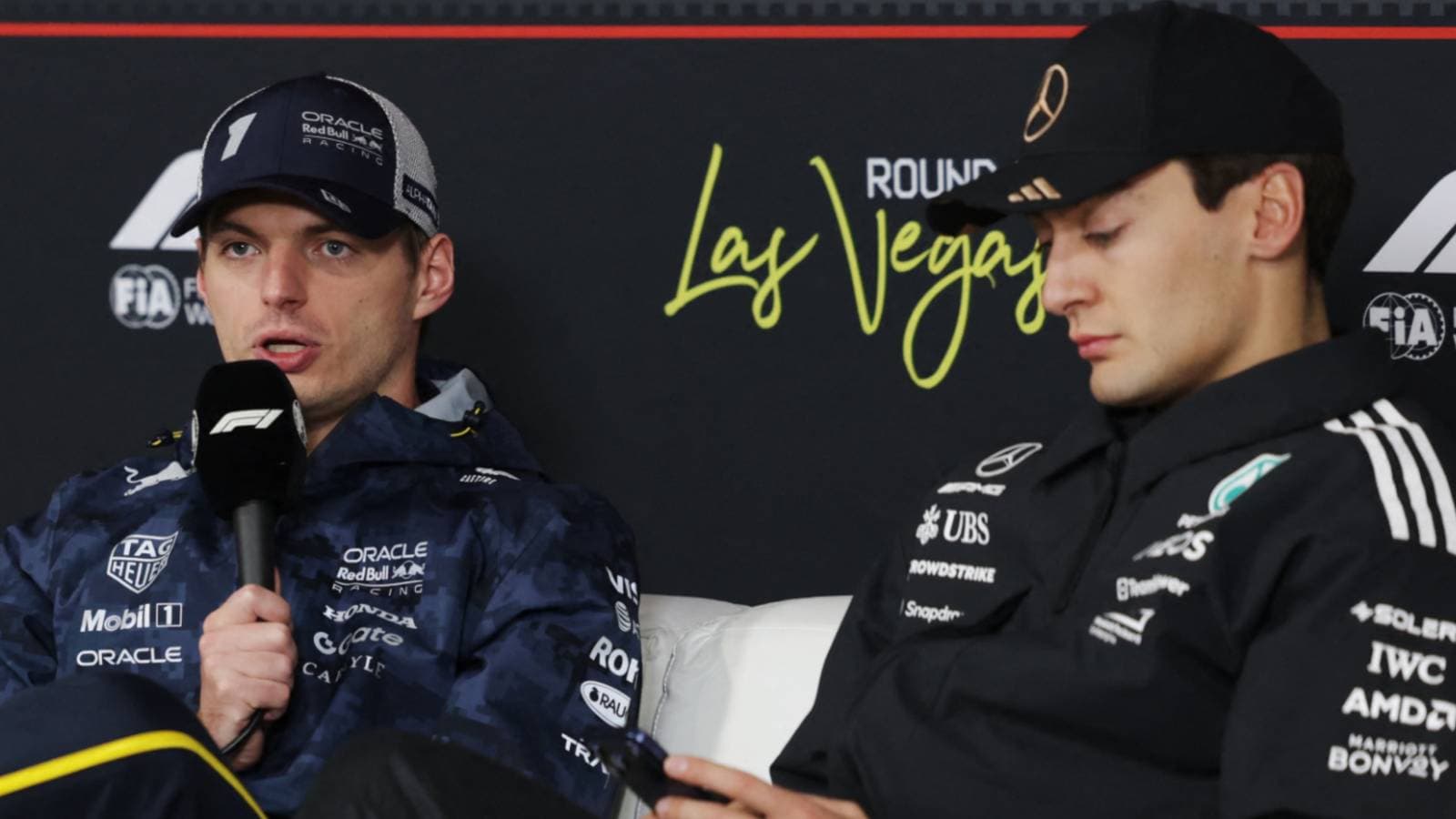
Max Verstappen Responds to George Russell's Call for Cooling Vest Rule Change Before Bahrain GP
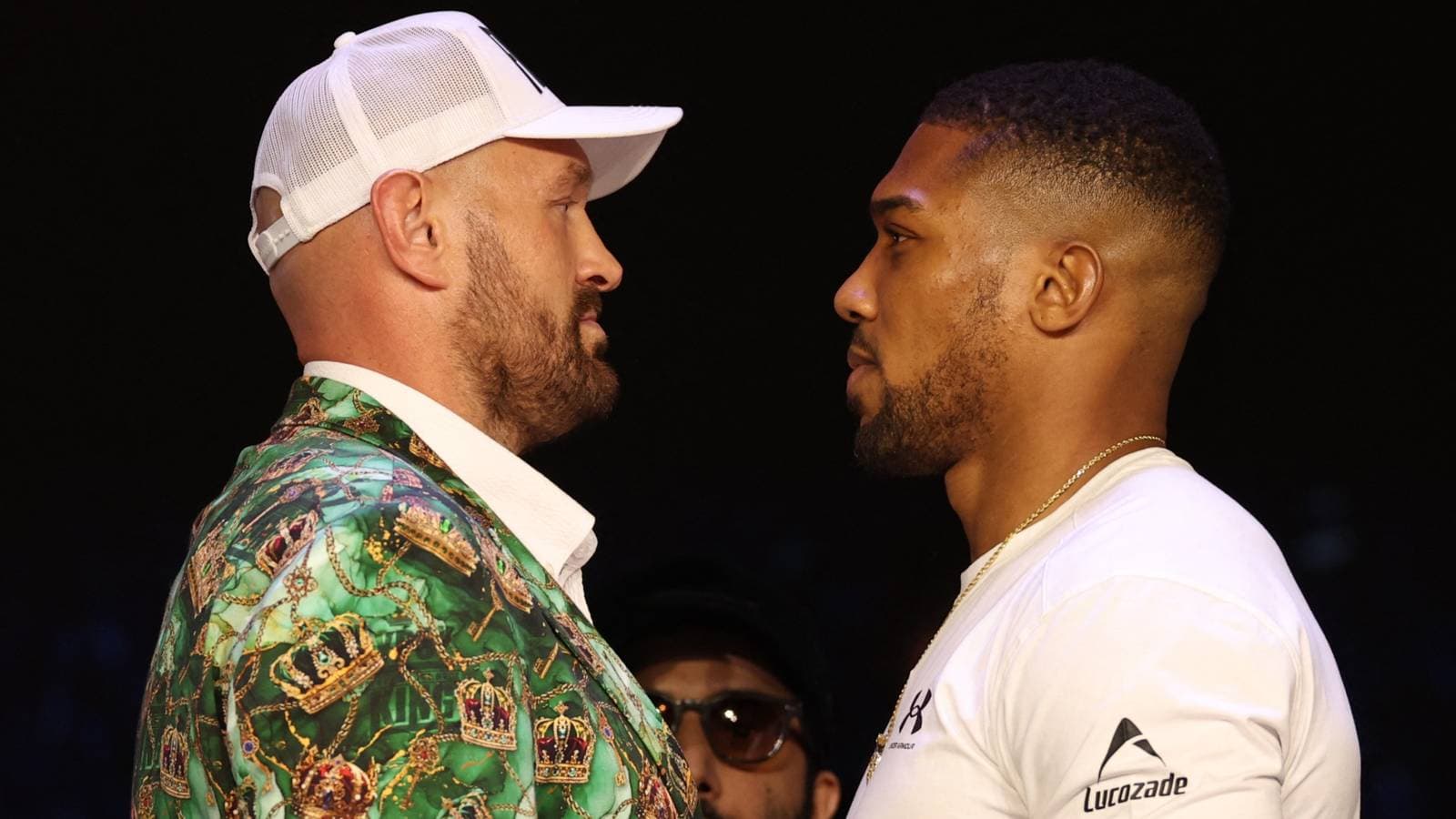
Anthony Joshua Accepts Major Pay Cut to Secure Tyson Fury Fight in UK
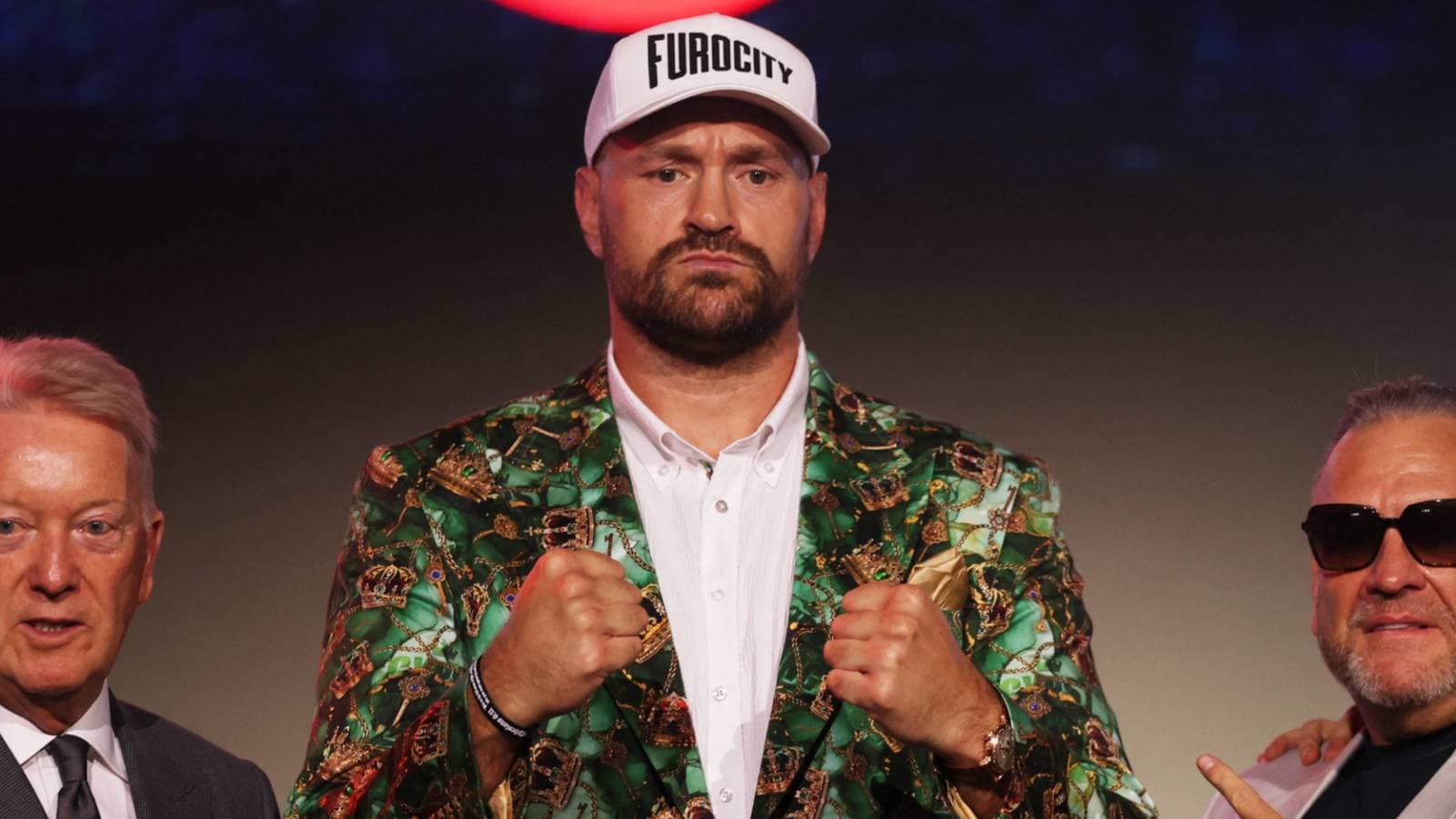
Tyson Fury Plans to Invite Donald Trump for Anthony Joshua Fight
Cristiano Ronaldo Sits Out Portugal's Match Against Norway Amid Tensions
Cesc Fabregas Opens Up on Como Journey from Serie B to Champions League
Claudia Pina Nets Four as Barcelona Overwhelms Real Madrid 7-0 in El Clasico