
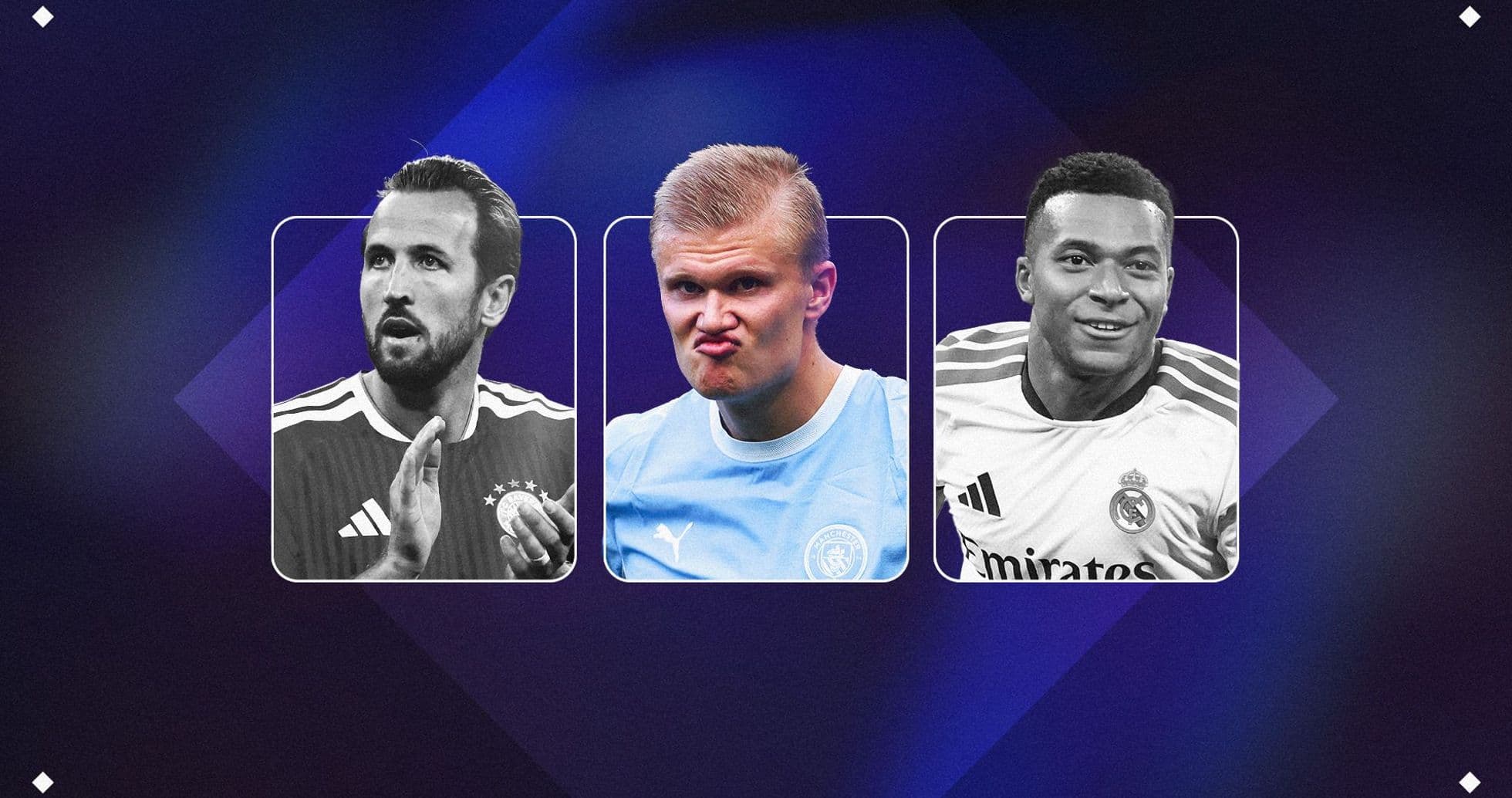
Why the Premier League Has Few World-Class Attackers and No Top Midfielders
The Premier League stands as the richest football league globally, yet it hosts just one world-class attacker and lacks any midfielders of that caliber. Despite its financial might and popularity, it struggles to attract elite attacking players in their prime.
World-Class Players in England
In the recent selection of GOAL’s 2026 World-Class Club, only five players currently compete in England’s top division, with four being defenders. Not a single midfielder made the cut, and only Erling Haaland represents forwards. This aligns with a long-standing trend: the world’s best attackers rarely play in England.
Money Is No Longer a Barrier
Back in the 1990s, the Premier League couldn’t afford the very best stars, who often chose Serie A instead. Big names like Ruud Gullit and Gianluca Vialli joined England late in their careers, while players such as Thierry Henry and Dennis Bergkamp moved to England after struggling elsewhere. Now, however, money is no excuse. English clubs spent a record £3.5 billion ($4.6 billion) last summer—more than Serie A, La Liga, Ligue 1, and Bundesliga combined—yet still miss out on top-tier talents at their peak.
Since 2000, only three Premier League players have won the Ballon d’Or: Michael Owen (2001), Cristiano Ronaldo (2008), and Rodri (2024). Many other world-class players, including Thierry Henry, Luka Modric, Gareth Bale, Luis Suarez, and Eden Hazard, ended up moving to Spain during their prime years or close to it.
The Pull of Real Madrid and Barcelona
The top two teams in La Liga, Real Madrid and Barcelona, hold a unique allure for many players. Cultural, linguistic, and climatic factors play a role, but these clubs also represent the pinnacle of football aspiration, especially for South American talent. Even English stars admire them; Liverpool’s Steve McManaman described wearing the Real Madrid shirt as irresistible, and Michael Owen admitted he’d regret turning down Madrid.
Recent moves by players like Trent Alexander-Arnold and Jude Bellingham highlight this trend. Bellingham accepted Madrid’s call without hesitation despite having options in England. Similarly, Marcus Rashford and Anthony Gordon have called their transfers to Barcelona dreams come true. English players are increasingly open to playing abroad, inspired partly by legends like David Beckham. Harry Kane’s 2023 move to Bayern Munich was influenced by Beckham’s path, signaling a shift in mindset.
Is the Premier League Losing Its Edge?
The Premier League remains the most-watched league globally but has grown less attractive in terms of style. The emphasis has shifted toward athleticism, strength, and tactical conservatism rather than flair and technique. Arsenal, champions last season under Mikel Arteta, epitomize this approach with a focus on winning through physicality and set-pieces.
This pragmatic style reduces goals from open play and limits offensive brilliance. Though some teams show signs of playing more freely this season, Haaland remains the only undisputed superstar in England. Manchester City faces challenges after being found guilty of breaching financial rules, increasing speculation about Haaland’s possible departure to clubs like Barcelona or Real Madrid.
Emerging Talents and Challenges Ahead
There are promising players such as Alexander Isak, Rayan Cherki, Rio Ngumoha, and Max Dowman, highlighting England’s strong youth scene. Yet the Premier League’s relentless intensity may be harming players’ freshness compared to their continental rivals. Arteta noted that his players can’t match the rest periods enjoyed by stars in Spain or France, affecting performance in crucial moments.
Despite this, the Premier League’s competitiveness is unlikely to soften soon. Transfers between English clubs have soared, with rising fees for average players rather than acquiring global stars. This trend risks lowering overall quality and could eventually impact viewership without more top-level talent to captivate audiences.
Related News
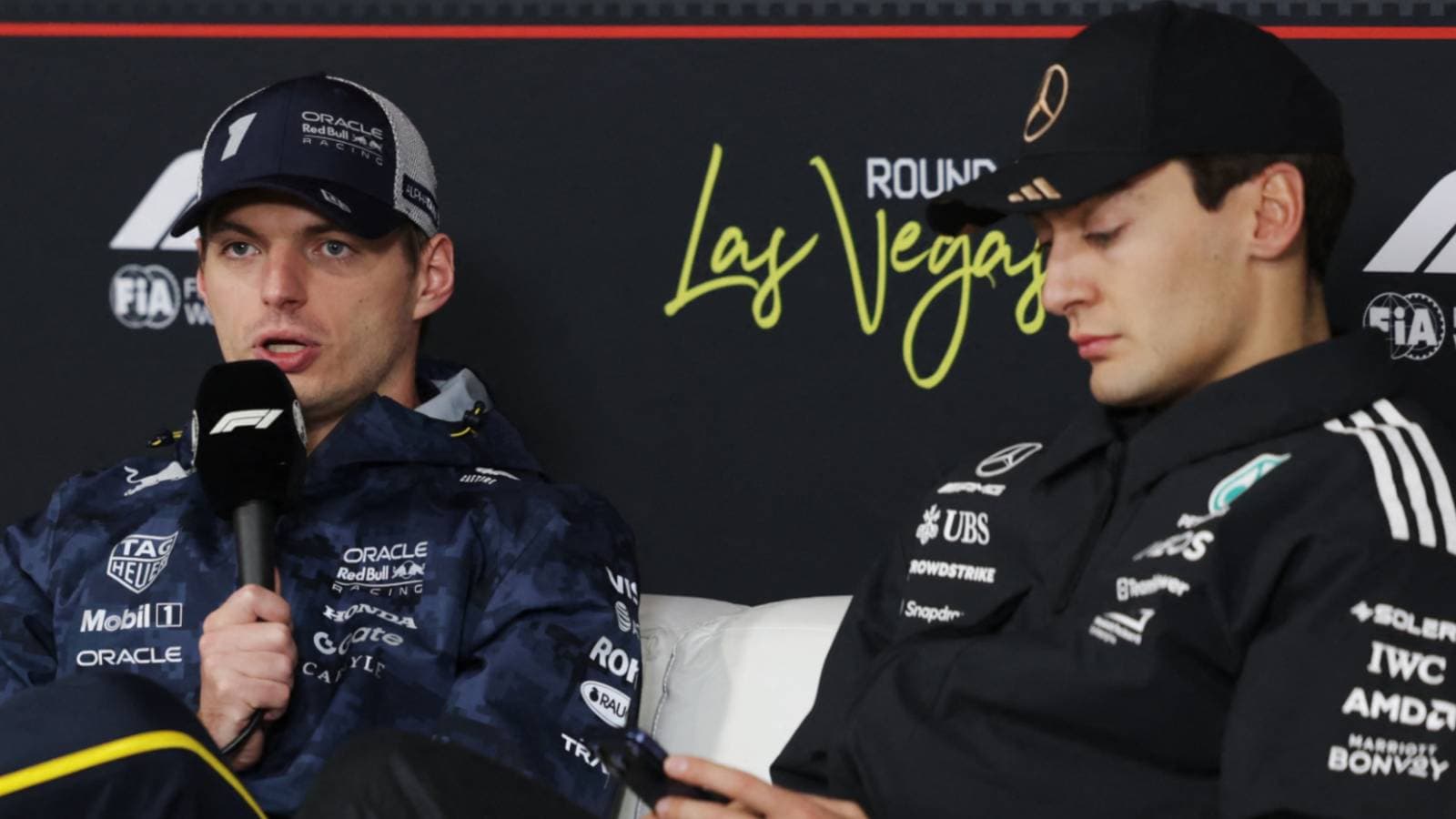
Max Verstappen Responds to George Russell's Call for Cooling Vest Rule Change Before Bahrain GP
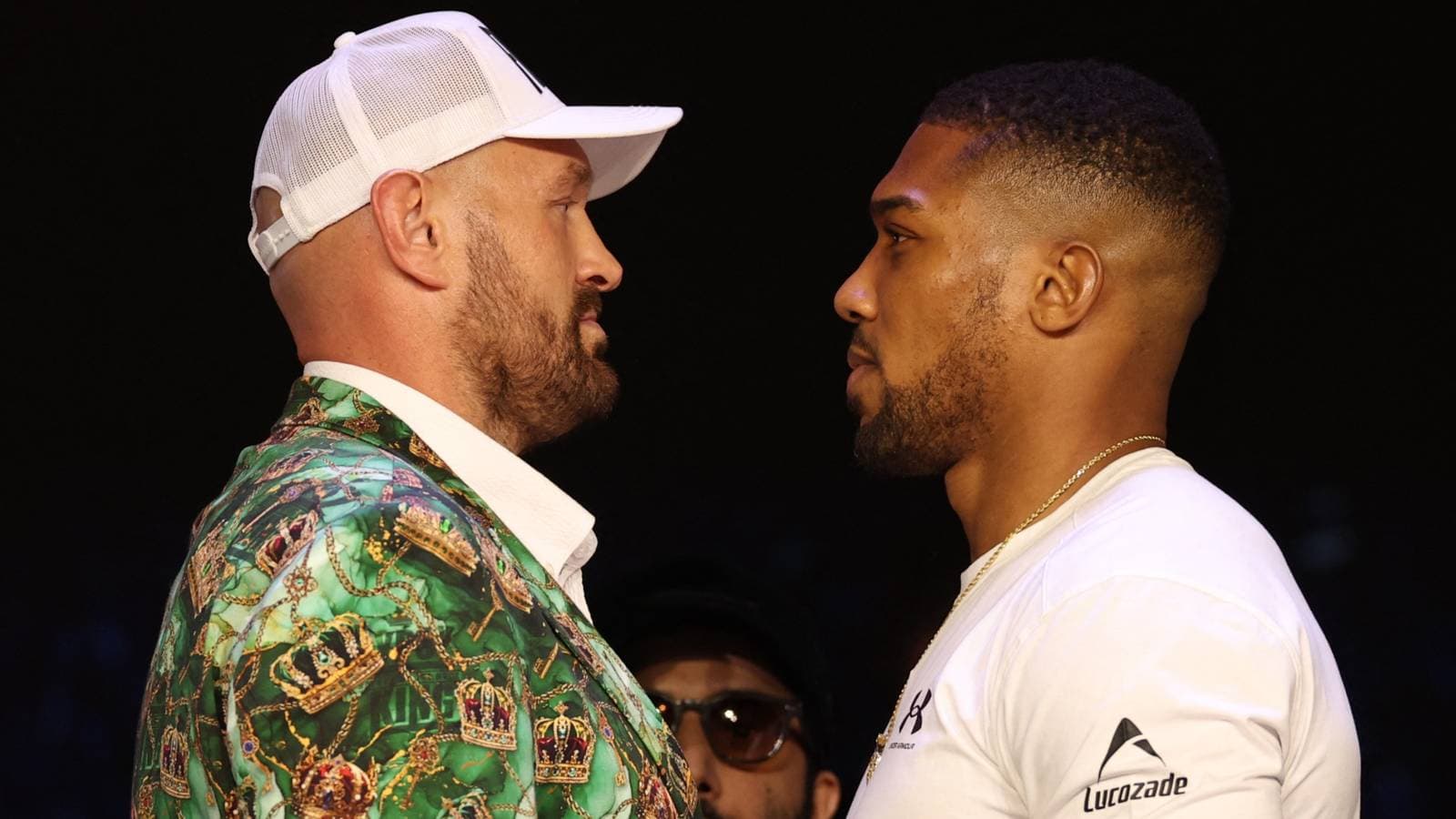
Anthony Joshua Accepts Major Pay Cut to Secure Tyson Fury Fight in UK
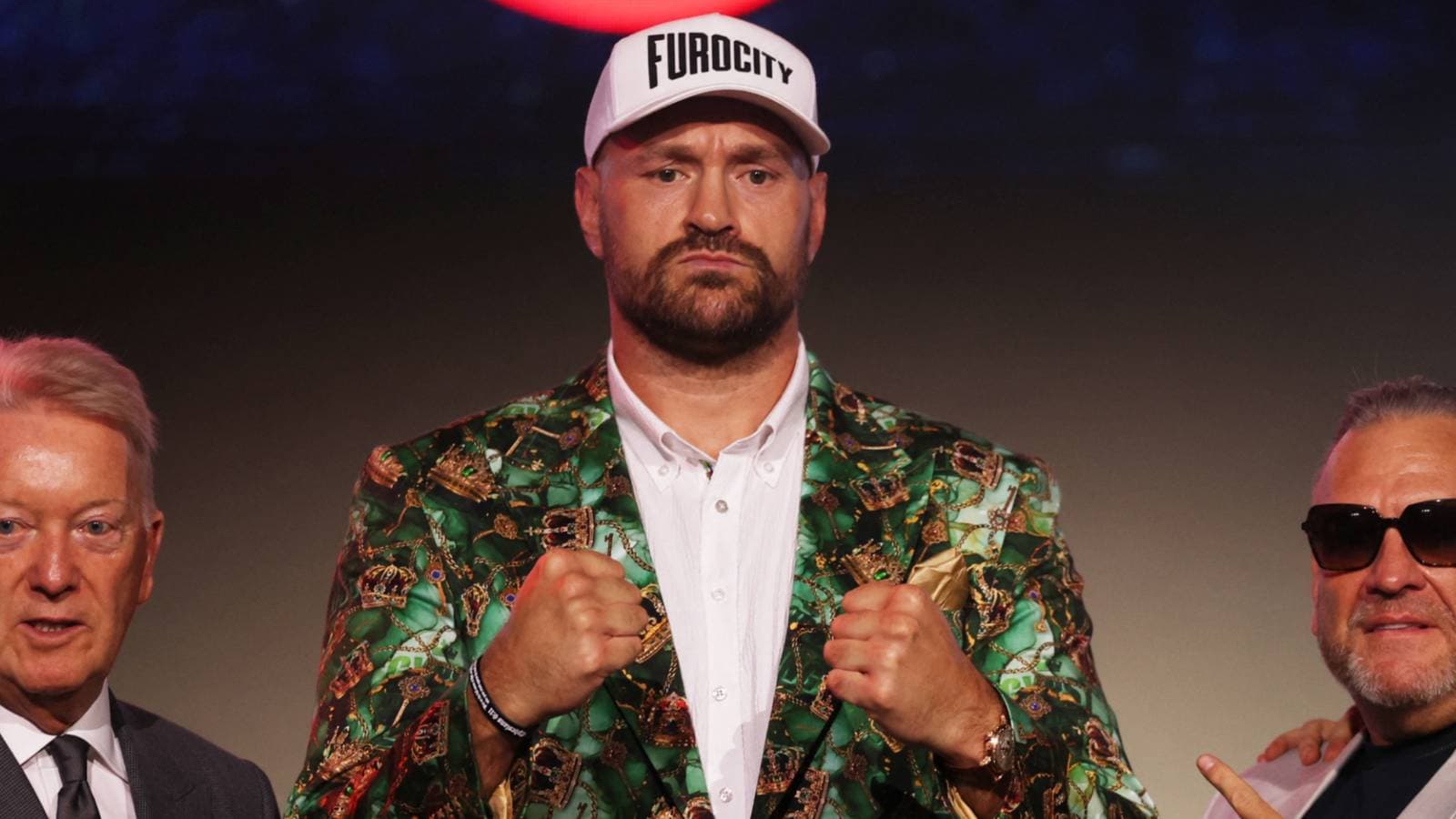
Tyson Fury Plans to Invite Donald Trump for Anthony Joshua Fight
Cristiano Ronaldo Sits Out Portugal's Match Against Norway Amid Tensions
Cesc Fabregas Opens Up on Como Journey from Serie B to Champions League
Claudia Pina Nets Four as Barcelona Overwhelms Real Madrid 7-0 in El Clasico