
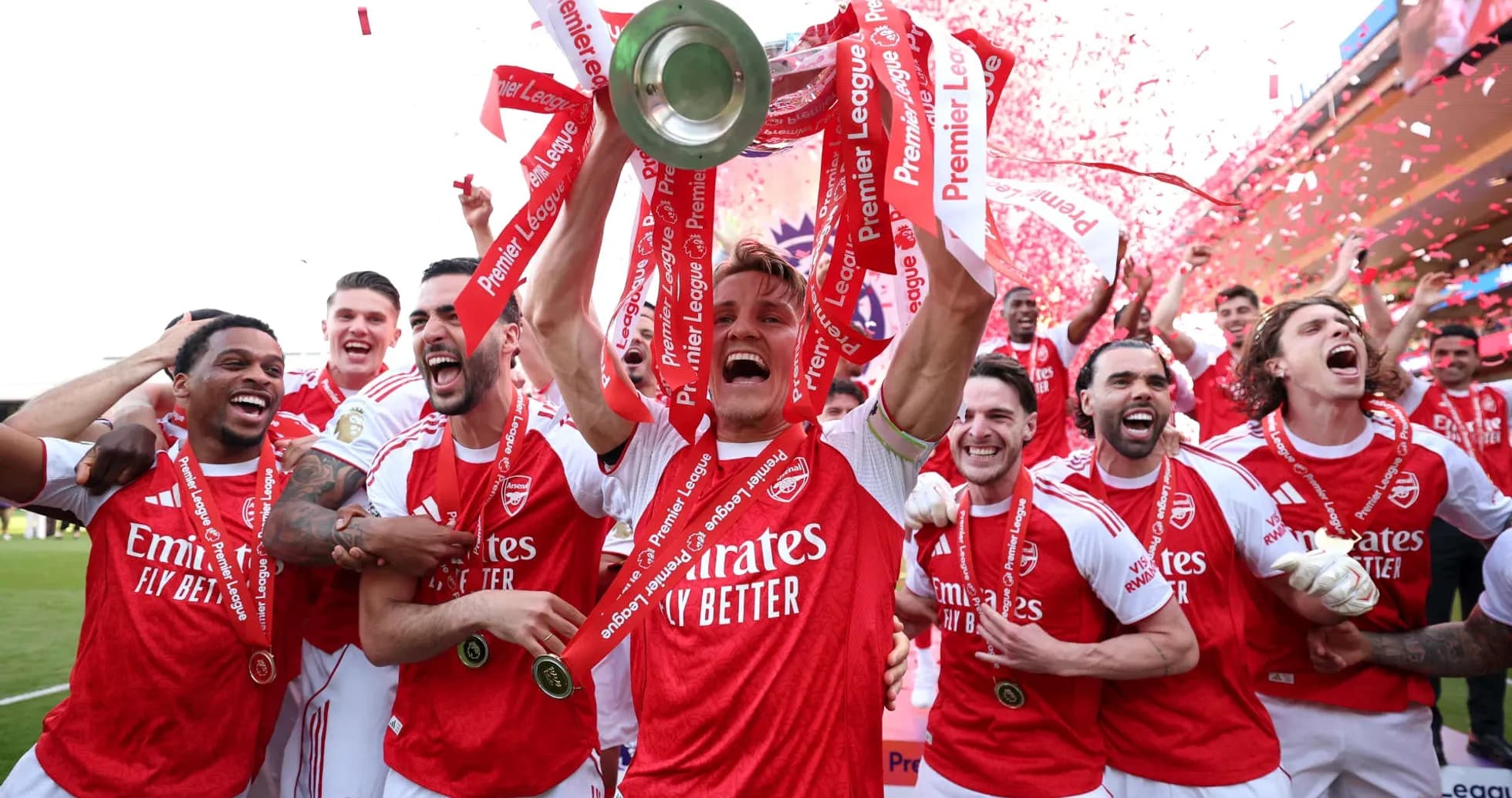
Premier League's Strength Amid Talent Drain and Financial Woes
Martin Ødegaard hoisted the Premier League trophy into the Selhurst Park night and, for a moment, English football looked untouchable. Arsenal’s captain, drenched in champagne and history, fronted a club finally back on top of the league for the first time in 22 years, claiming a 14th title and closing the book on a generation of waiting.
Three seasons. Three different champions. Manchester City in 2023-24, Liverpool in 2024-25, Arsenal now. On the surface, it is the kind of churn executives in Madrid, Munich and Paris can only envy.
A League That Others Can’t Match
The numbers back up the feeling. Spain, the next richest domestic competition, is still chained to the same two giants. Barcelona and Real Madrid have taken 20 of the last 22 La Liga titles, a monopoly dressed as rivalry.
Germany has Bayern Munich, winners in 13 of the last 14 Bundesliga seasons. France has Paris Saint-Germain, champions in eight of the last nine Ligue 1 campaigns. Those leagues sell hope every August, then hand the medals to the usual suspects in May.
Only Italy’s Serie A comes close to the Premier League’s volatility. Juventus, Inter Milan, AC Milan and Napoli have all taken turns at the summit across the last seven years, a genuine rotation of power rather than a single empire with occasional interruptions.
On the continental stage, English clubs have been just as loud. Arsenal’s defeat to PSG on penalties in last weekend’s Champions League final was the only thing that stopped an English clean sweep. Aston Villa and Crystal Palace had already banked the Europa League and Europa Conference League respectively, while Chelsea still hold FIFA’s Club World Cup.
The money tells its own story. The Premier League’s broadcast rights, at home and abroad, dwarf those of any rival competition. Deloitte’s latest list of the 30 richest clubs by revenue is half-filled by English sides. Not just the usual blue bloods, either. AFC Bournemouth, Brentford and Brighton & Hove Albion — clubs that once lived on the margins — now sit in the sport’s global financial elite.
From the outside, it looks like the golden age.
Scratch the gloss and the picture changes.
The Talent Drain No One Expected
The first crack is on the pitch. A growing number of England’s best players no longer work in England.
Harry Kane, the national captain, leads that exodus. He is no longer the poster boy of the Premier League but a standard-bearer abroad. With Anthony Gordon’s move from Newcastle United to Barcelona last week, six members of England’s squad for the forthcoming World Cup now play their club football outside the country.
That used to be a point of pride. As Martin Samuel of The Times put it, English football once swelled its chest when Real Madrid or AC Milan came calling for one of its own. A rare export was a badge of honour.
Now, almost a quarter of the group heading to a World Cup are based overseas. That feels different. That feels like a drain. And as Samuel noted, it would be far less worrying if equivalent quality was streaming back into the Premier League in the opposite direction. It is not.
Rich League, Poor Clubs
The second crack runs through the balance sheets.
Despite record-breaking revenues and global reach, only four Premier League clubs — Newcastle United, Aston Villa, Bournemouth and Liverpool — were actually profitable in the most recent season with available figures. Four, from a competition that dominates the commercial landscape.
Below the top flight, the picture darkens. Clubs with deep roots and strong identities have fallen into administration. Derby County, once English champions, and Sheffield Wednesday, a historic name of the game, have both been dragged through financial crisis.
Plenty of others survive on creative accounting. Sale-and-leaseback deals on stadiums and training grounds have become tools not of strategic development but of regulatory survival. These manoeuvres help clubs stay inside financial fair play lines that are supposed to protect competition and stop a handful of mega-wealthy owners — including sovereign wealth funds — from inflating transfer fees and wages to dangerous levels.
The logic is clear: stop the arms race before it destroys the middle class of clubs. The reality is messier. The race is still on, and some are mortgaging the future just to stay on the starting grid.
The Relegation Risk Investors Can’t Ignore
There is another problem looming: the people who pay for this spectacle may start to walk away.
The Premier League has long traded on its jeopardy. Relegation is part of its drama, the threat that keeps even mid-table clubs honest. But that same jeopardy can make investors nervous, particularly those from the United States, where major sports leagues run on closed-shop systems and guaranteed membership.
This season underlined the risk in brutal terms.
Tottenham Hotspur, one of the six English clubs that flirted with the doomed European Super League project in 2021, only just avoided relegation. A club that once saw itself as a permanent member of the elite found itself staring down the trapdoor.
West Ham United, the Premier League’s eighth-longest serving club and 20th on Deloitte’s Money League, were not so lucky. They went down. A global brand, a modern stadium, years of top-flight membership — none of it offered protection when results turned.
For potential buyers, that is a chilling lesson. Samuel noted that Liverpool, Manchester United, Crystal Palace, Chelsea and Newcastle United are all, in different ways, effectively on the market. Any prospective owner looking at those opportunities will also see West Ham’s fall and Tottenham’s near-miss.
They will run the numbers. Then they will picture billions invested, only to be dragged into a relegation fight that can wipe out revenue and prestige in a single season. Some will shiver. Some will walk away.
You suspect the Premier League hierarchy felt that same cold draft as they watched West Ham drop.
So the image endures: Ødegaard, trophy aloft, fireworks bursting over south London. The league is loud, rich, competitive and still the global benchmark.
But behind the noise, England’s game is exporting its stars, propping up too many clubs on fragile finances and scaring off some of the very investors who once saw it as a sure thing.
How long can a league look this strong when so many of its foundations are starting to shake?
Related News

Raphinha’s Hat-Trick Powers Barcelona to 7-2 Victory Over Racing Santander
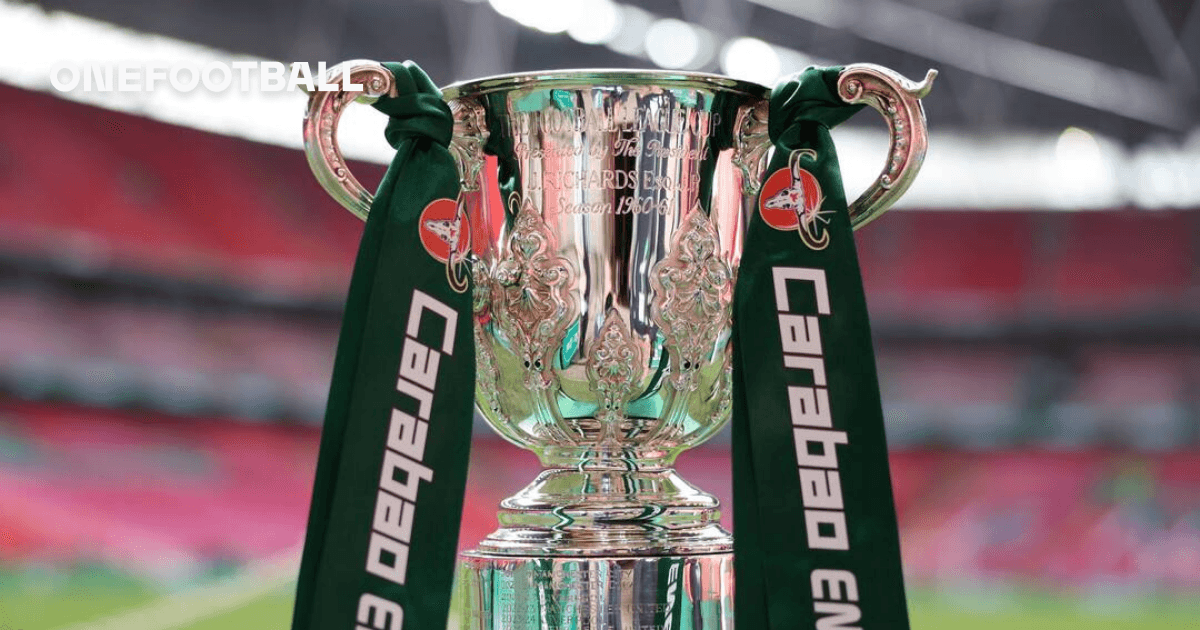
Carabao Cup Fourth Round Draw: Liverpool Set to Clash with Chelsea, Arsenal to Face Fleetwood Town
Key Football Matches to Watch in Azerbaijan This Autumn
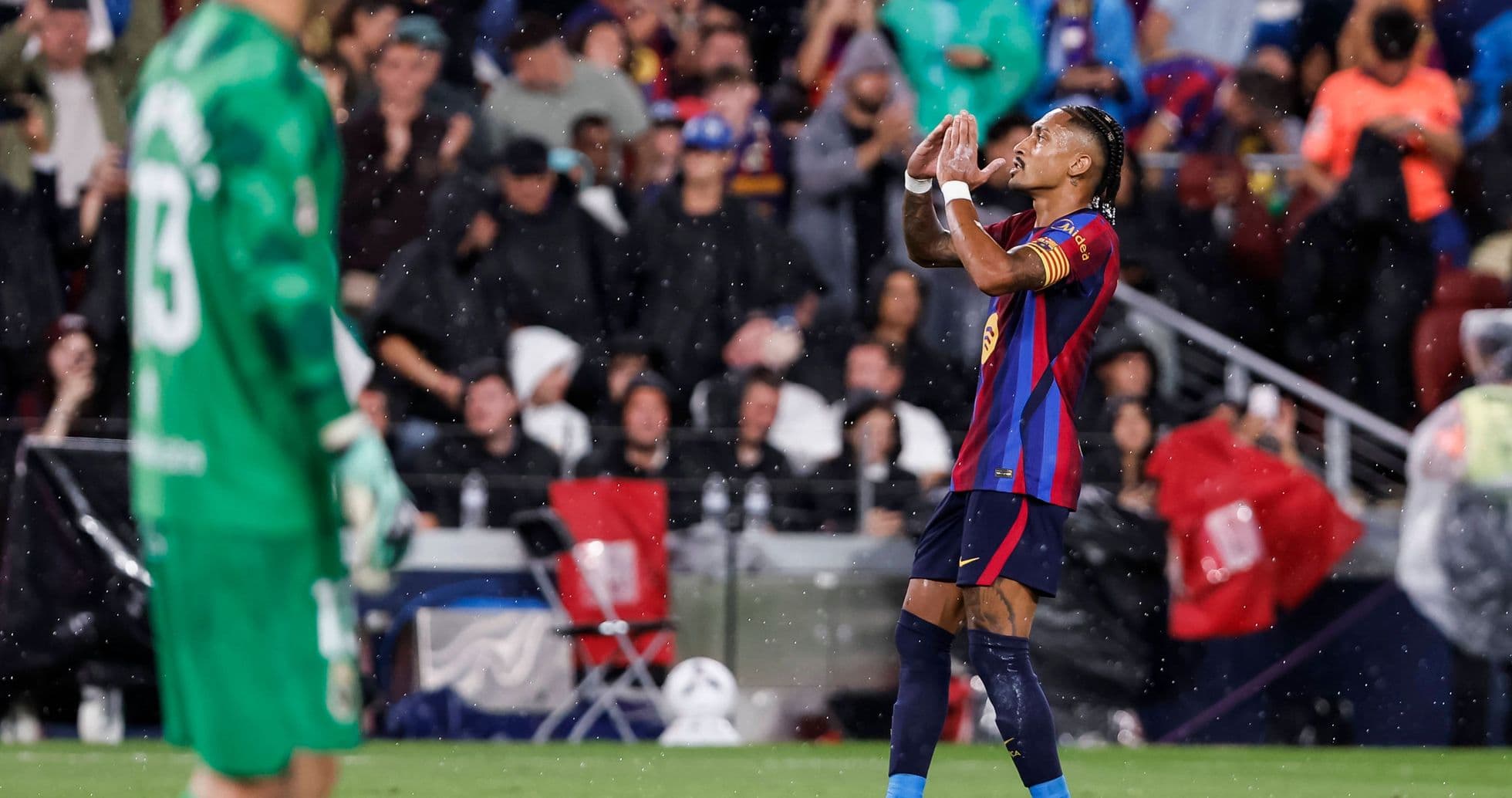
Raphinha's Hat-Trick Drives Barcelona to 7-2 Triumph Over Racing Santander

Hansi Flick Leads Barcelona to Record-Breaking Seven Wins in a Row

Gavi Reflects on Injury Return as Barcelona Dominate Racing Santander 7-2