
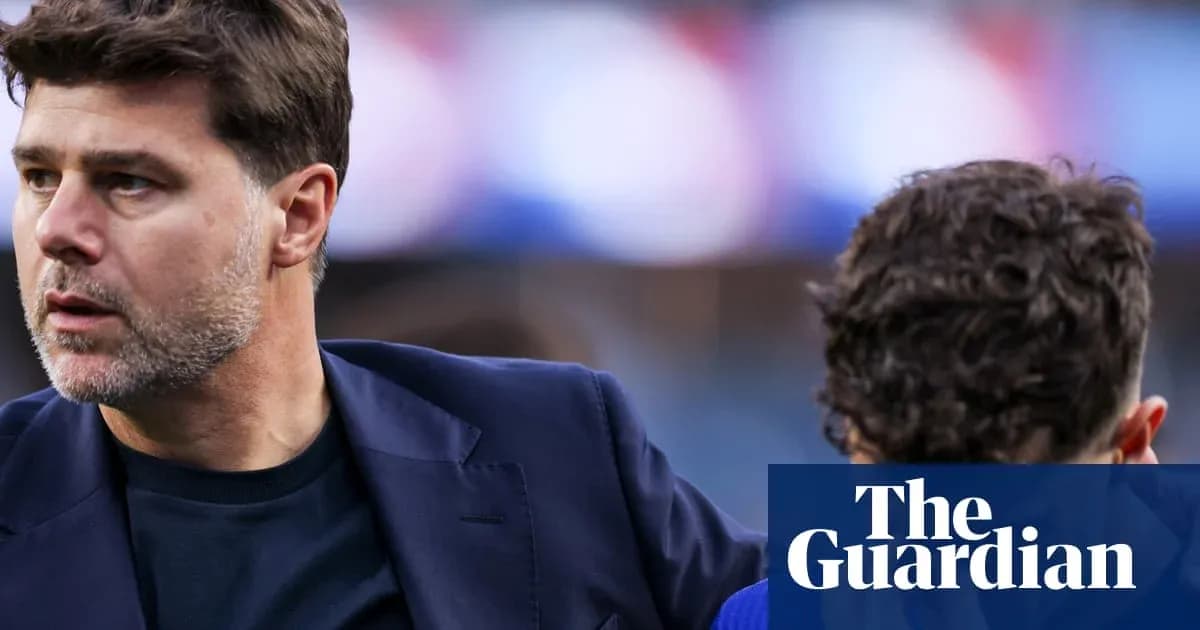
Pochettino's Journey: From Gold Cup Heartbreak to World Cup Success
Mauricio Pochettino stood on the Houston touchline with tears in his eyes, his voice drowned out by a sea of Mexico shirts. His US team had just lost the 2025 Gold Cup final. The regional crown gone. Beaten by their oldest rival. In their own country.
The emotion, he would explain later, wasn’t only about the result. It was about what he saw and heard around him. A tournament final, on home soil, in one of the biggest metro areas in the United States – and the stadium felt like an away ground.
For a coach who has worked in some of the game’s most feverish arenas, the scene jarred. Imagine Tottenham’s stadium packed almost entirely with Arsenal fans on derby day. One year out from the World Cup, Pochettino had been handed a brutal reminder: the gap his team still had to close on the pitch, and the awkward, often unforgiving place soccer still occupies in the American sporting landscape.
“Being honest, maybe we didn’t feel or see how difficult the process would be. We were so naive,” Pochettino admitted this week. “We misjudged the situation. It was worse than we really believed. When we arrived here, we received a big bang, punch, and we were knocked out for a while. We said: ‘What the fuck?’”
That “punch” didn’t start with Mexico. It landed months earlier, the first of three sharp blows that would reshape this US team – and, in time, harden it.
Now, at the 2026 World Cup, that education is paying off. Two games, two wins, a 6-1 aggregate score. Top of their group with a match to spare. One of only four sides to wrap up first place after two rounds, sharing that distinction with Argentina, Germany and Mexico. The stadiums are loud now, defiantly American, and Pochettino’s players insist the noise is driving them.
This is the high-water mark of his tenure so far. It has been anything but a smooth rise.
The empty night and the first crash
The first setback came in March 2025. On paper, the Concacaf Nations League looked familiar, almost routine. Get past Panama in the semi-final, then prepare for another regional showdown with Mexico or Canada. The US had won each of the first three editions of the competition since its 2019-20 launch.
This time, they never reached the final.
Panama arrived organized and burning with purpose. The US never truly unsettled them. And the backdrop felt as flat as the performance.
“It was empty,” Pochettino recalled. “You remember the game, Panama? It was the Mexican people in the stands because they played after us.”
For years, the US had owned this matchup, rolling up a 17-4-2 record by mid-2021. But the dynamic had shifted. Panama’s win that night was their fourth in six against the US, following victories in the 2023 Gold Cup semi-final and a 2024 Copa América group game. This time, they seized on a US lapse and scored with only their third shot, booking a first-ever Nations League final.
“That was a good crash, no?” Pochettino said. “And it was good to see. When people say, ‘Yeah, but you have bad results.’ Yeah, yeah: bad results. No worries. We know what we are going to do. When we detect all the problems, we go for the solution. And we knew that the solution would arrive.”
One of those problems, in his eyes, sat at the heart of the team: comfort. Complacency. The sense that call-ups would always come, that tournaments were just the next stop on a familiar circuit.
So when Christian Pulisic asked to skip the Gold Cup but still play the warm-up friendlies against Turkey and Switzerland, Pochettino drew a hard line. No. One group, one camp, one arc from the first day to the final whistle. The same principle he would later apply to his World Cup squad.
That decision sparked a back-and-forth between star player and coach. Heavy defeats in those pre-Gold Cup friendlies only intensified the scrutiny. But Pochettino had planted a flag: be all-in, or watch from home.
Gold Cup heartbreak, and a new core
The Gold Cup, stripped of some established names, became a laboratory. It also became a turning point.
Malik Tillman finally stepped into the role of chief creator, the playmaker the US had been waiting to see at full responsibility. Matt Freese took over in goal and outlasted Keylor Navas in a penalty shootout. Alex Freeman emerged as an indispensable young option. Sebastian Berhalter forced his way into the midfield rotation.
Pochettino changed as well. International football, in his mind, began to look more like club work. A month-plus with the same group, every day on the grass, allowed him to refine his structure and drill his ideas with a consistency that friendlies never permit.
The final against Mexico ended in tears. But the coach’s message in the locker room cut against the pain of the night.
“Keep improving, but please don’t change,” he told them. The heart they had shown, the resilience in hostile noise on home soil, was the foundation he wanted for the World Cup.
His mind kept drifting back to another game, another sport.
“We were in Columbus watching Ohio State against Texas,” Pochettino said, remembering a college football clash on 30 August 2025. “There were 70,000 fans there. And my question was, you know, why not? If the fans are very passionate, why not with us, with soccer? Because if the support is with us, they will be and show the same passion. It’s massive. It’s so powerful for the player.”
Out of that question came a mantra: “Why not us?” It wasn’t just a slogan. It became an instruction for how to play.
With Pulisic and other mainstays back in September, Pochettino rolled out the shape that now defines his team: fluid, restless, constantly shifting. Players rotate zones, drag markers around, switch the ball quickly from flank to flank. When a gap opens, they attack it with no hesitation.
Showtime, American-style.
The results began to match the ambition. A 2-0 win over Japan in September. A draw with Ecuador and a win over Australia in October. Then a November window that sent a message: a victory over Paraguay and a 5-1 demolition of Uruguay to close 2025 with a roar.
The US had momentum. Then came the next lesson.
March misery, and a reality check
Two defeats in March. Seven goals conceded over two legs. The scorelines stung, but the performances cut deeper.
The defense, so carefully rebuilt, buckled. Against Belgium, the team even slid back into an older, more fragile structure. Up front, Pulisic’s worst goal drought of his career continued. Given a rare start as a center-forward against Portugal, he struggled to influence the game.
From the outside, it looked like the same old USMNT story: a team capable of the occasional statement win, but just as capable of collapsing against giants and underdogs alike.
Inside camp, the tone was different.
“I feel like we’ve always bought in,” Chris Richards said this week, “but I really feel like the March camp that we had was really important. I think we really gave, you know, two really good teams in Europe a really strong game.”
Pochettino defended his players but didn’t sugarcoat the gulf in talent.
“Belgium and Portugal have, in the top 100 players, few or some players in that top 100. I think we don’t have any.”
The pessimism around the program flared again. Critics questioned the pre-World Cup schedule. Why line up Senegal and Germany, two more heavyweight tests, when confidence already wobbled?
Pochettino didn’t blink.
“No,” he said. “That is good for us. It’s going to measure our level.”
The response came quickly. A 3-2 win over Senegal, then a 2-1 defeat to Germany that felt more like proof of progress than another step back. The structure held. The ideas looked sharper. The team was starting to look like itself again.
Then came the World Cup.
A 4-1 dismantling of Paraguay to open. A controlled 2-0 win over Australia. On Thursday, a dead rubber against Turkey awaits, the US already confirmed as Group D winners, Turkey already out.
Only four teams at this tournament sealed their groups after two matches. Argentina. Germany. Mexico. And Pochettino’s United States.
From “What the fuck?” to “Why not us?”
The arc from that empty Nations League semi-final, through the Gold Cup heartbreak in a hostile Houston, to the World Cup’s first week is not a straight line. It rarely is in international football. Coaches come and go. Cycles rise and fall. Golden generations are often declared, then quietly downgraded.
This group, under this manager, has chosen a slower, more painful route: take the hits, learn from them, keep walking.
“It’s not going to be figured out overnight, it’s not going to be figured out in one camp, or sometimes in six months, or 12 months, maybe not as fast as everybody wanted to,” defender Mark McKenzie said. “I think we’re showcasing that it’s a process.”
From the “big bang” that knocked them back to the three hard lessons that followed, Pochettino and his players have built something sturdier than a fleeting run of form. They have built a way of playing, a standard of commitment, and a question that now hangs over the rest of this World Cup.
If Argentina and Germany expect to be here, if Mexico feed off generations of support, then what, exactly, is stopping the United States from staying in that company?
Why not them?
Related News
Raphinha’s Hat-Trick Powers Barcelona to 7-2 Victory Over Racing Santander
Carabao Cup Fourth Round Draw: Liverpool Set to Clash with Chelsea, Arsenal to Face Fleetwood Town
Key Football Matches to Watch in Azerbaijan This Autumn
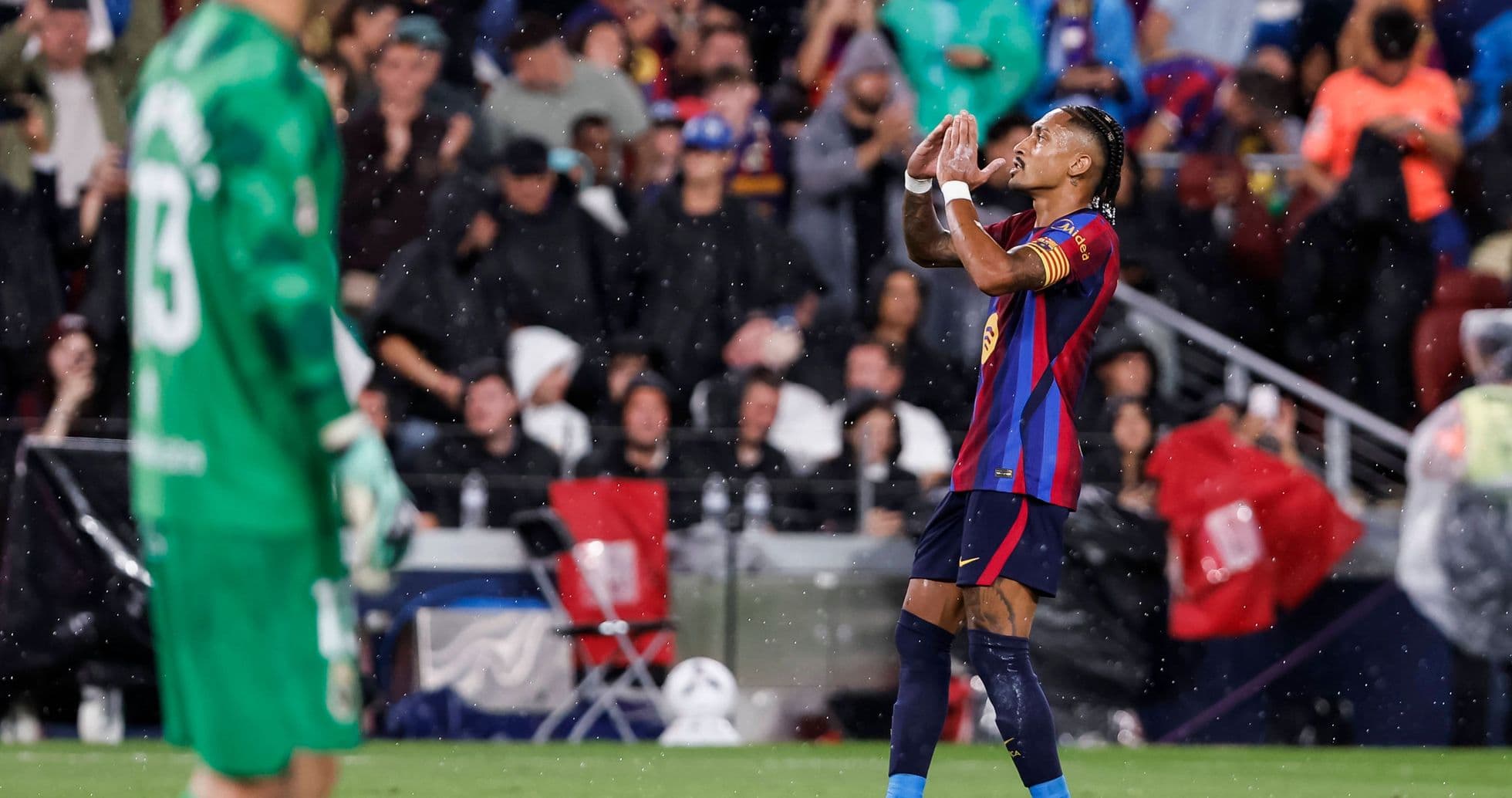
Raphinha's Hat-Trick Drives Barcelona to 7-2 Triumph Over Racing Santander
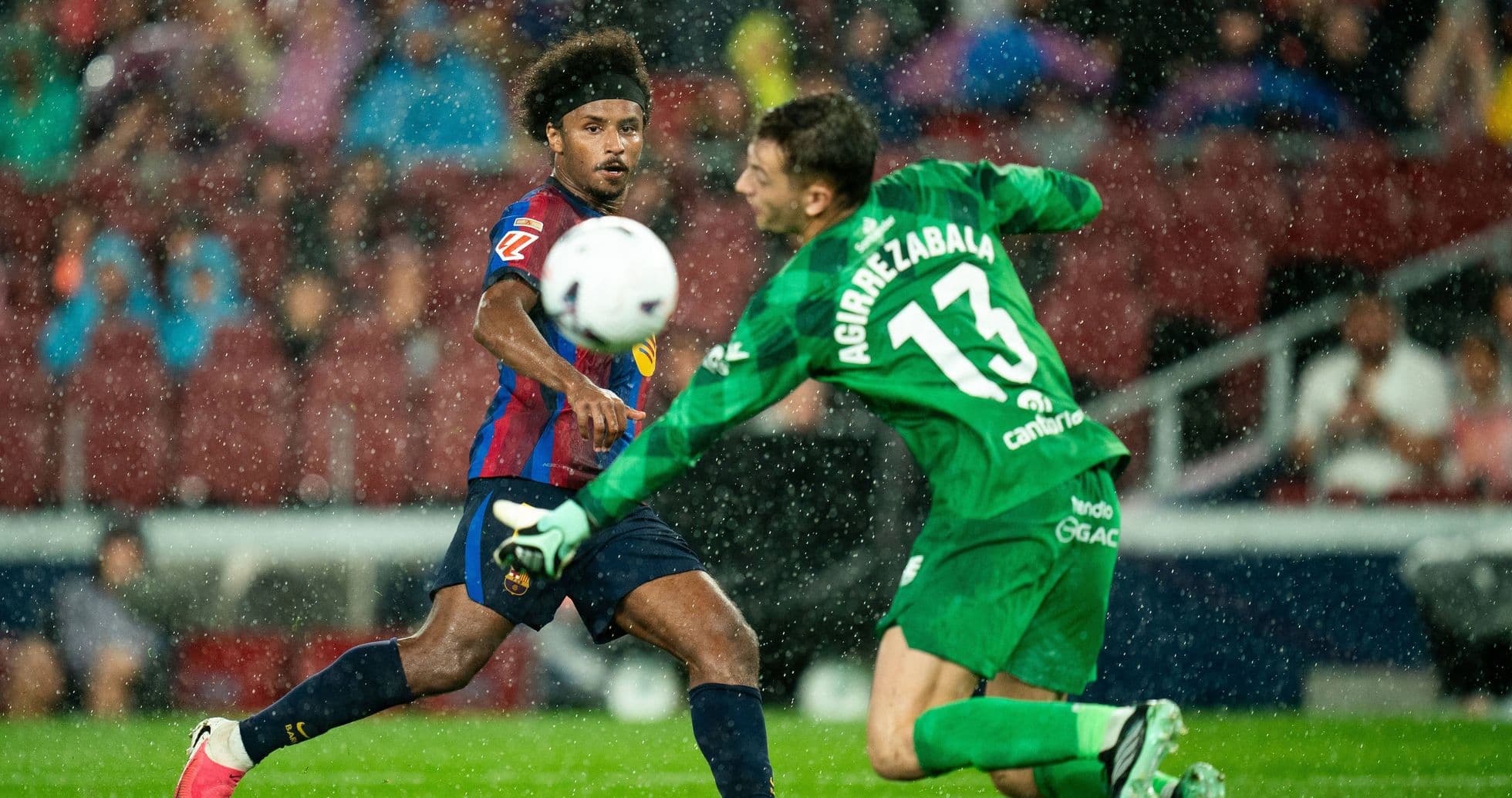
Hansi Flick Leads Barcelona to Record-Breaking Seven Wins in a Row
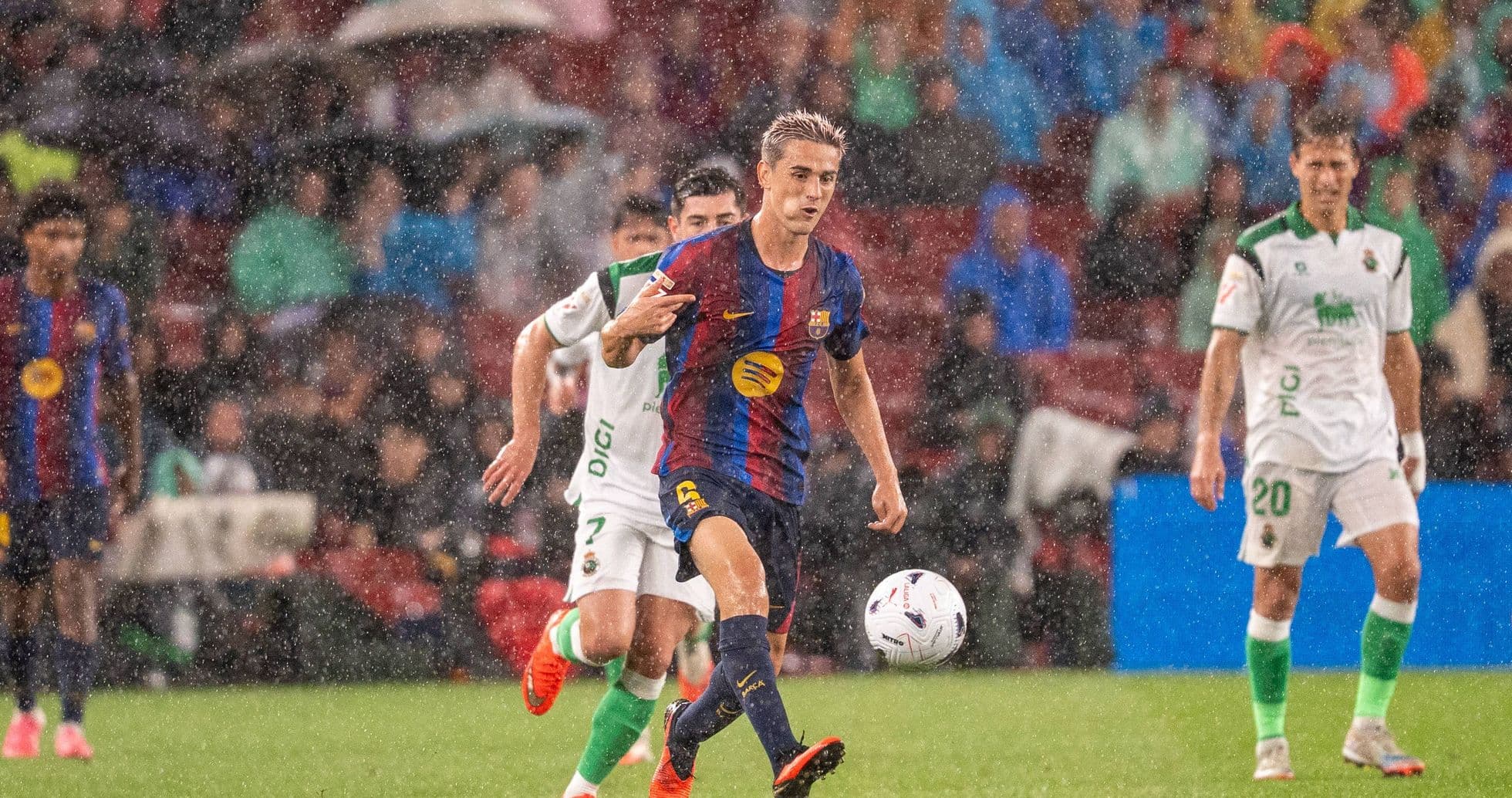
Gavi Reflects on Injury Return as Barcelona Dominate Racing Santander 7-2