
Phoenix Rising vs Louisville City: A Tactical Analysis of USL Championship Clash
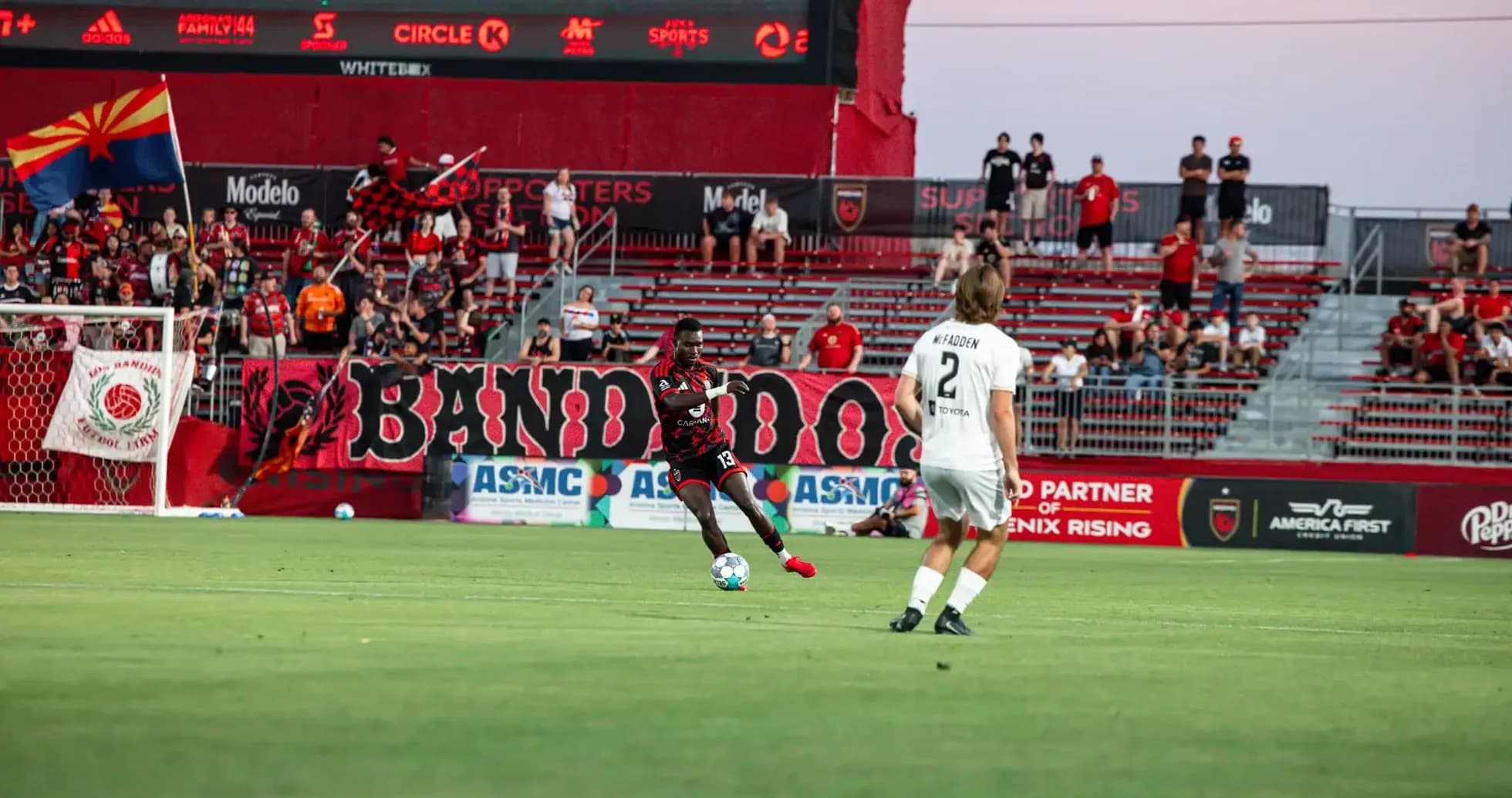
Under the desert lights of Wild Horse Pass Stadium, Phoenix Rising walked into a meeting with Louisville City that felt like a quiet early marker in the USL Championship season. The league table framed it neatly: Phoenix sitting 5th in USL 1 on 16 points, Louisville higher in 2nd with 20. Both were projected as play-off sides, both flagged in the standings as tracking towards the USL Championship Play Offs 1/8-finals. Yet the 90 minutes that followed told a story of a side with attacking potential but structural frailty (Phoenix) against a more ruthless, if imperfect, contender (Louisville).
Phoenix’s seasonal DNA has been about balance on paper, volatility on the pitch. Overall this campaign they have 4 wins, 4 draws and 4 defeats from 12 matches, with 15 goals for and 14 against; the goal difference of 1 underlines how fine the margins have been. At home they have been marginally stronger: 2 wins, 3 draws and 1 loss from 6 games, scoring 9 and conceding 6. That translates to 1.5 goals scored and 1.0 conceded on average at home, a profile of a side that usually finds a way to create but rarely blows anyone away.
Louisville arrived with a more expansive, risk-heavy profile. Overall this campaign they have played 13, winning 6, drawing 2 and losing 5, with 22 goals scored and 20 conceded; their goal difference of 2 is built on attacking ambition as much as control. On their travels, Louisville have played 7, winning 3, drawing 2 and losing 2, scoring 13 and conceding 11. An away average of 1.9 goals for and 1.6 against sets them up as a side that leans into chaos and usually backs its frontline to win the argument.
Into that context stepped two squads that, on paper, looked evenly matched in physicality and depth, but not in clarity.
For Phoenix, Pa-Modou Kah’s selection told of a coach still feeling out his best structure. With no formal formation listed, the personnel hinted at a flexible, possibly back-four base with a crowded middle band. P. Rakovsky took the gloves, shielded by C. Smith and P. Mar Boye alongside JP Scearce and A. Vukovic. The presence of L. Biasi and D. Gomez suggested a double pivot or a staggered midfield, with J. Moursou and G. Rivera offering width or interior running lanes. Up front, I. Sacko and D. Rivera gave Phoenix verticality and the option to attack space rather than simply hold it.
The bench underlined the blend of youth and options: C. Odunze as backup goalkeeper, with outfield alternatives like D. Flores, A. Pelayo, G. Studenhofft, J. Ping, C. Kowall, E. Ramirez, N. Cross and J. Gaydon. It is a bench with energy and fresh legs rather than established match-winners, but enough to change the rhythm of a game.
Louisville, under Simon Bird, looked more defined in terms of roles, even if the formation was not explicitly recorded. D. Faundez anchored them in goal, with a defensive line built around A. McFadden, S. Totsch, K. Adams and A. Dia – a group that has lived both sides of Louisville’s high-wire act: 11 goals conceded away but still 3 clean sheets overall this campaign. In midfield, T. Davila, Z. Duncan and B. Dayes formed the engine room, while E. Davila and M. Akale were positioned to connect with central forward C. Donovan.
Louisville’s bench carried a more defined spine: H. Fauroux as the reserve goalkeeper, J. Morris and J. Wilson to rotate in the back line, R. Serrano and C. Moguel to adjust the midfield tone, and forwards T. Showunmi, Q. Huerman and T. Weinrich as impact options. It is a group built to sustain their aggressive away profile for 90 minutes.
Disciplinary trends added an undercurrent to the tactical picture. Heading into this game, Phoenix’s yellow-card distribution showed a pronounced volatility after half-time: 34.15% of their cautions arrived between 46-60 minutes, with a late-game surge of 24.39% between 76-90. They also had a sharp red-card spike between 31-45 minutes, where 100.00% of their reds this campaign were concentrated. That pattern hints at a team that can lose emotional control around the interval and when chasing late.
Louisville’s yellow-card profile was more evenly aggressive: 23.81% of their yellows between 46-60 minutes and another 23.81% between 76-90, with 19.05% in the 61-75 window. They are consistently combative across the second half, but crucially, they had no reds recorded in any time band. In a match where Phoenix’s margins are already thin, that disciplinary contrast mattered.
The “Hunter vs Shield” matchup tilted towards Louisville. With an away scoring average of 1.9 and a biggest away win of 0-2, they have repeatedly shown they can go on their travels and control the scoreboard. Phoenix’s home defensive record – 1.0 goal conceded on average – is respectable, but not impermeable, especially against a side that has already scored 13 on the road. Phoenix’s own attacking numbers at home (1.5 per game, with a biggest home win of 3-0) suggested they could hurt Louisville, but they were always going to need to be precise.
In the “Engine Room” battle, Phoenix’s structure around D. Gomez and L. Biasi had to manage Louisville’s central trio of Z. Duncan, T. Davila and B. Dayes. Louisville’s overall goal profile – 1.7 scored and 1.5 conceded per match across the season – points to a midfield willing to push lines high and accept risk behind. Phoenix, with 1.3 scored and 1.2 conceded overall, are more measured, but their recent form line of LDDDLWWWDLWL shows a team oscillating between compact and chaotic.
Following this result – a 2-0 defeat at home – the underlying numbers and the narrative align. Louisville leaned into their travelling identity, found the decisive moments, and trusted the structure around C. Donovan and the Davila duo to punch through. Phoenix, for all their home solidity and perfect penalty record this campaign (5 taken, 5 scored, 100.00% with no misses), could not manufacture the kind of box presence that has defined their best nights.
From a statistical prognosis, the verdict is that Louisville’s higher attacking ceiling and willingness to live with a 1.6 away goals-against average is sustainable when matched with this level of ruthlessness. Phoenix remain a play-off-calibre side with a positive overall goal difference of 1 and a solid home base, but their squad – from Rakovsky’s last line to the fluid front of Sacko and D. Rivera – needs a clearer, more aggressive identity if they are to turn Wild Horse Pass Stadium into a true fortress rather than a venue where better-organised visitors can walk away with all three points.
Related News
San Antonio Triumphs Over Colorado Springs in USL Championship Clash

Charleston Battery's Dominance Over Loudoun United: A Tactical Analysis
Orange County SC Triumphs 4-2 Over Miami FC in USL Showdown
Colorado Springs vs San Antonio Match Preview
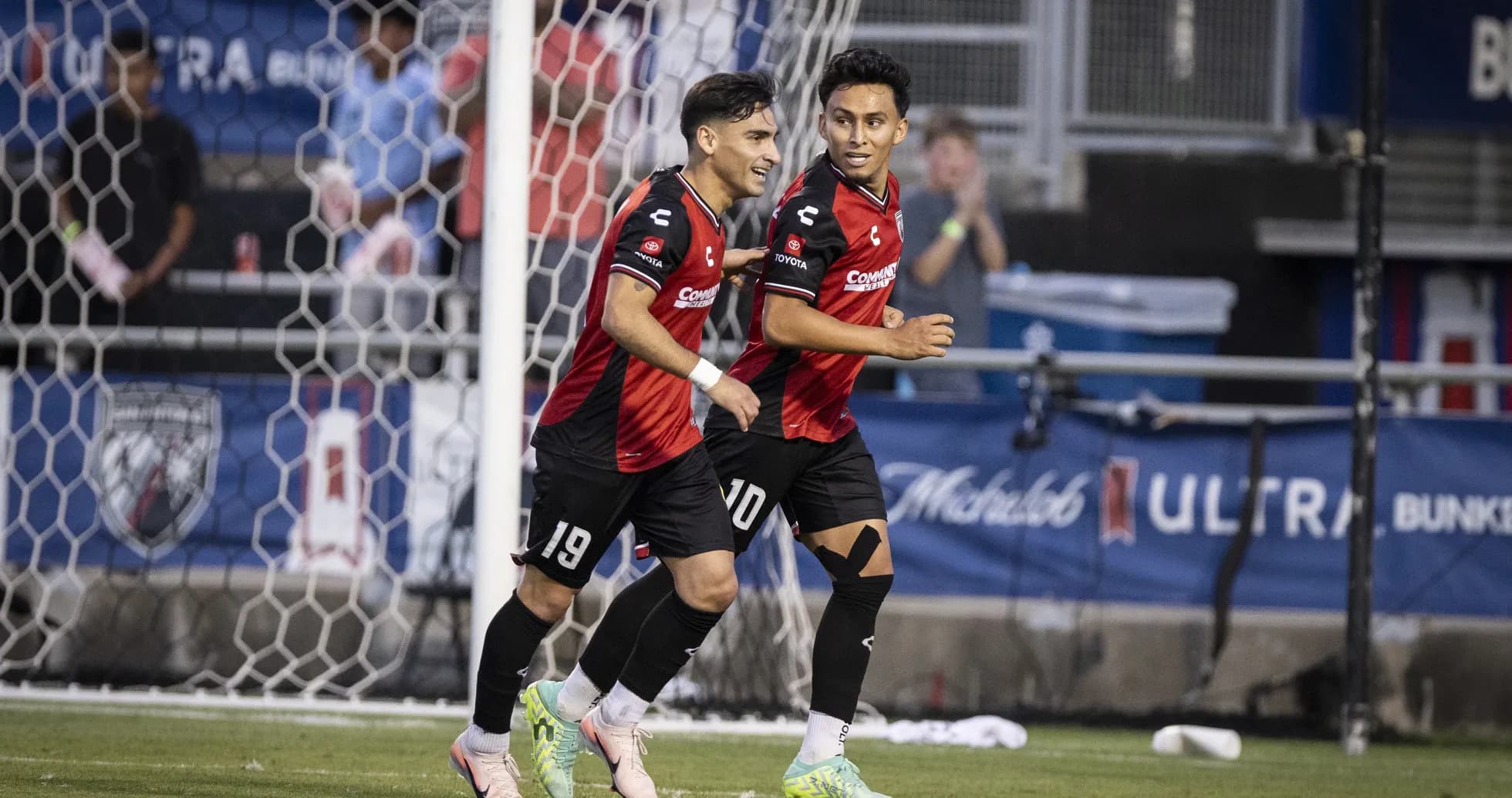
Colorado Springs vs San Antonio: USL Championship Clash Preview
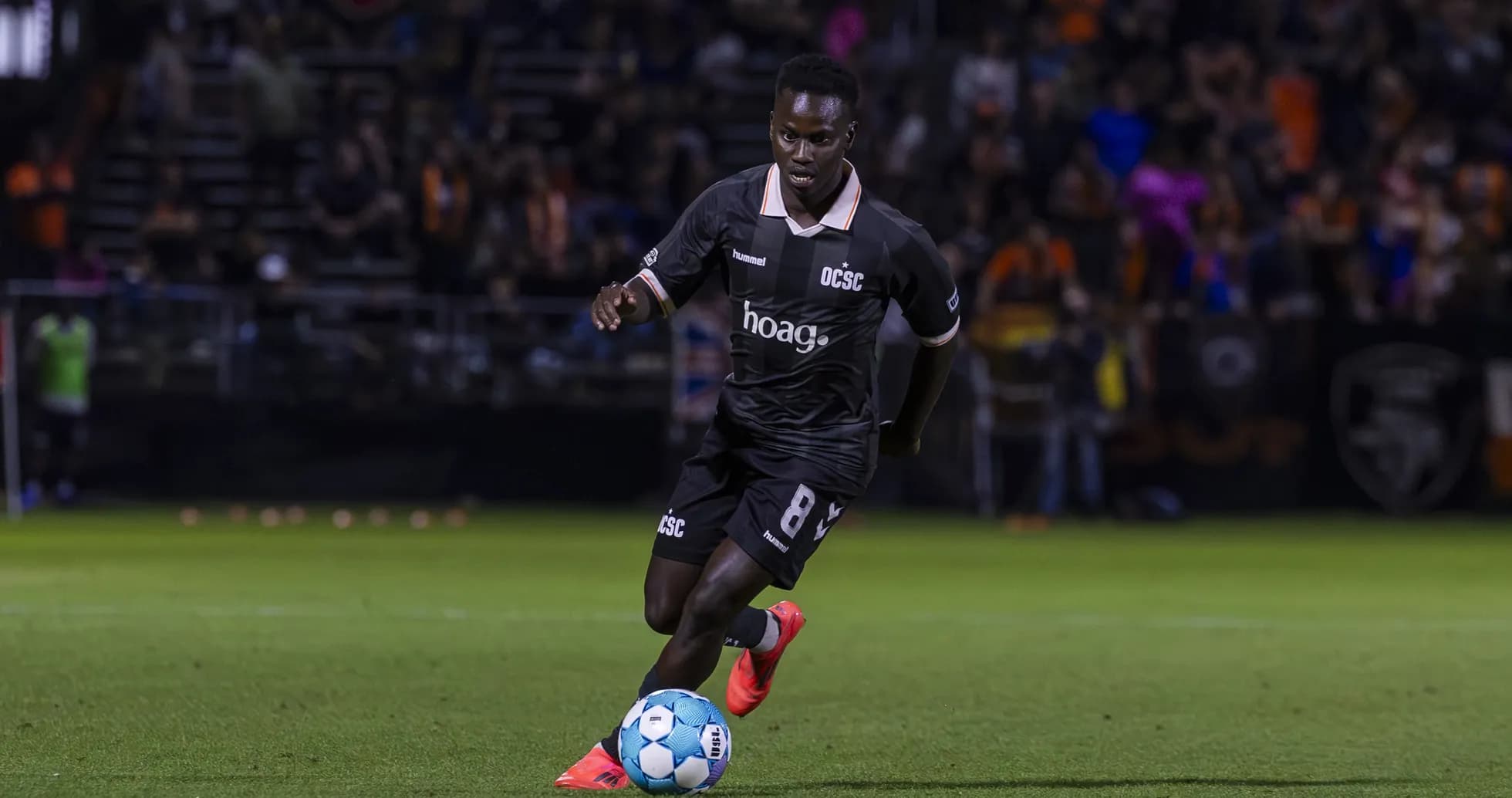
Miami FC vs Orange County SC Match Preview