
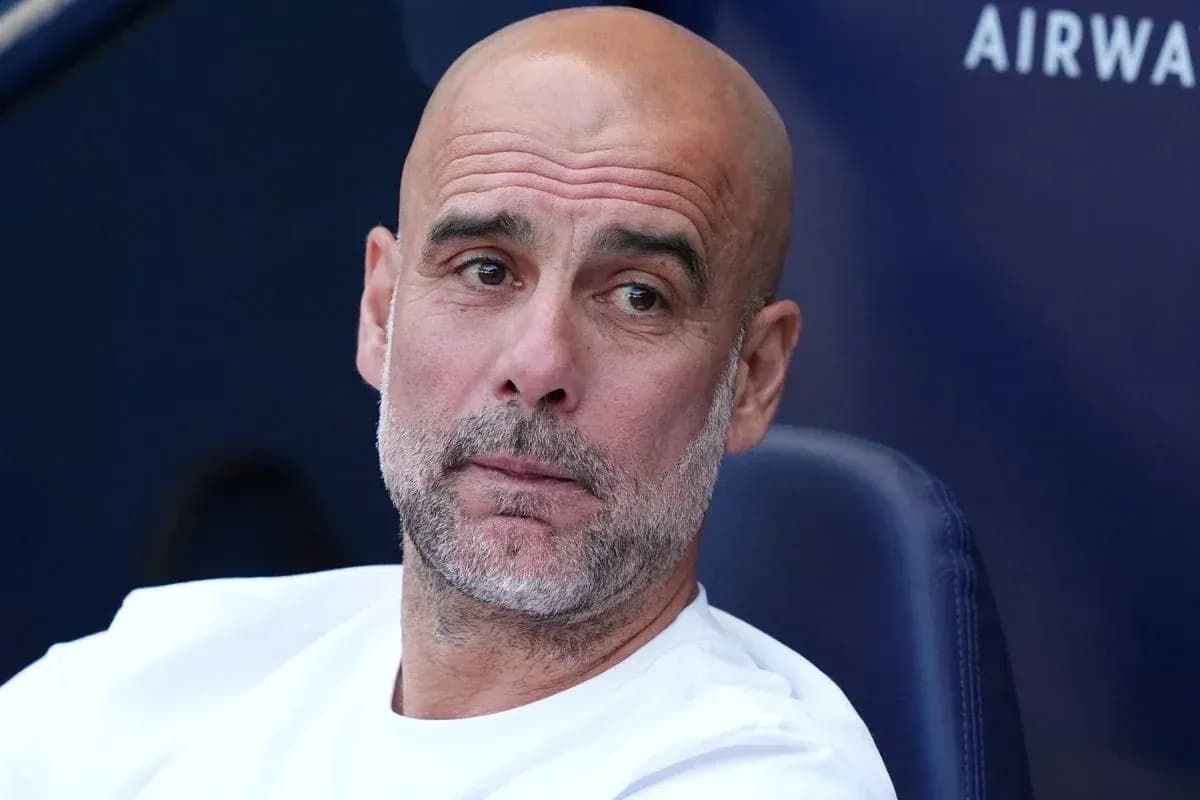
Pep Guardiola Rejects Italy Coaching Role Amidst National Crisis
Pep Guardiola has rejected the chance to lead Italy, shutting down one of the most ambitious approaches in the Azzurri’s recent history.
The former Manchester City manager had been in discussions with the Italian Football Federation over succeeding Gennaro Gattuso, but on Thursday night he informed officials he would not be taking the job. According to Sky Italy, Guardiola cited “personal reasons that go beyond football” for turning down the role.
It leaves Italy, four-time world champions and three-time World Cup absentees in a row, still searching for a figurehead to drag them out of their longest modern crisis.
Guardiola steps away – again
Guardiola had already signalled his intention to step off the carousel when he walked away from City, speaking openly about a lack of “energy” and a desire to pause before his next move. The language echoed that of his long-time rival Jurgen Klopp, who said something similar when he left Liverpool.
Italy tested that resolve. This was not a routine job offer. Italian federation president Giovanni Malago confirmed this week that talks were active and made it clear the federation was prepared to bend its own rules, hinting that “exceptions” could be made on salary to land the Catalan.
The answer was still no.
For a federation that has cycled through ideas and identities since lifting Euro 2020 at Wembley, Guardiola represented a radical reset: possession-heavy football, a clear structure, a manager with a proven record of building dynasties. Instead, Italy must look elsewhere.
A vacancy that won’t go away
Gattuso’s resignation in April, after Italy failed to qualify for a third straight World Cup, underlined the depth of the malaise. The Azzurri have gone from European champions to global onlookers in the space of a few years, and the job has become as daunting as it is prestigious.
Names are already in the frame. Roberto Mancini, the man who delivered that Euro 2020 triumph, is under consideration for a dramatic return. So is Andrea Pirlo, the elegant former Azzurri midfielder whose coaching career has yet to match his playing reputation but who still carries enormous symbolic weight.
Neither offers the kind of seismic shift that Guardiola would have brought. Both, though, understand the culture, the pressure, and the expectation that comes with the blue shirt.
While Italy wait, Germany move
As Italy stall, Germany accelerate. On Friday morning in Frankfurt, Klopp was unveiled as the new head coach of the national team, his first job since leaving Liverpool two years ago.
The 59-year-old, who has spoken recently about feeling “recharged”, has signed a four-year contract that will take him through Euro 2028 and the 2030 World Cup. It is a long-term bet on a coach whose personality and playing style have already reshaped one major footballing nation.
“The national team brings us Germans together like almost nothing else can. That’s what makes this task so special for me,” Klopp said at his presentation, laying out the emotional stakes as much as the sporting challenge.
Germany, like Italy, have wrestled with identity and underachievement on the biggest stages in recent tournaments. The difference now is that Germany have their man and a clear horizon. Italy, after their boldest courtship ended with a polite refusal, are back at the start.
The question for the Azzurri is no longer just who they appoint next, but whether anyone can restore their stature before another tournament passes them by.
Related News
Ilia Topuria Accuses Justin Gaethje After UFC Defeat
Tyson Fury vs Anthony Joshua Fight Date and Venue Confirmed
Switzerland Calls Up In-Form Sion Striker Winsley Boteli for Nations League
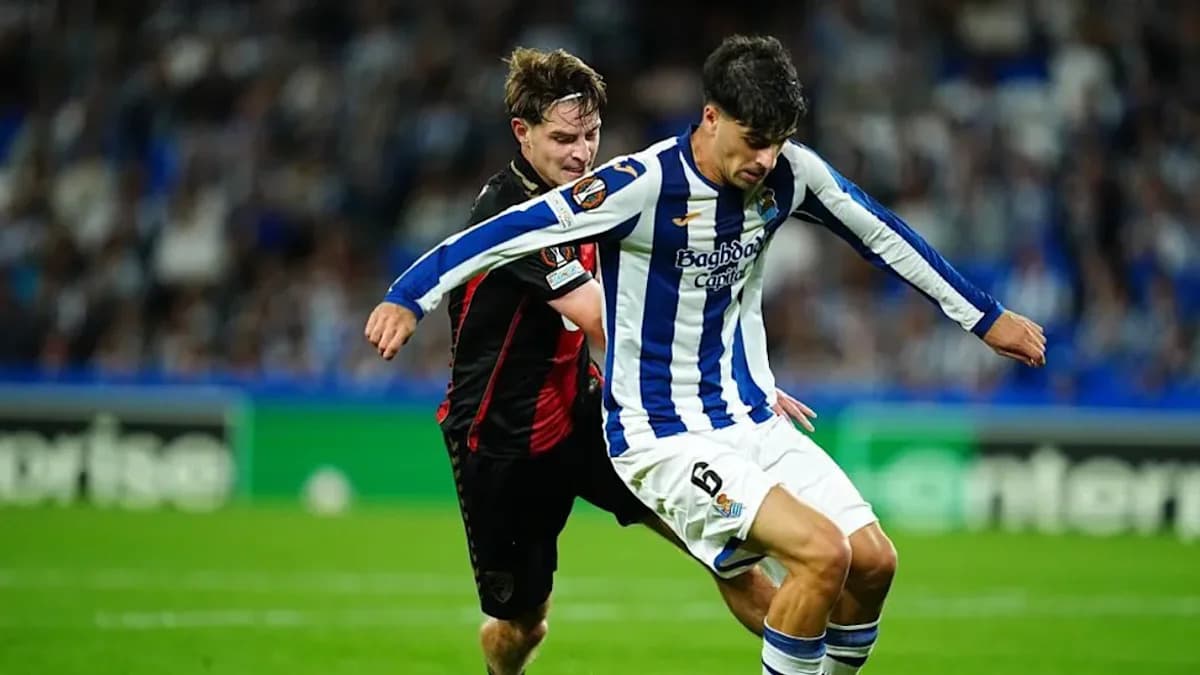
Bournemouth Secures Historic 2-1 Win Over Real Sociedad in Spain
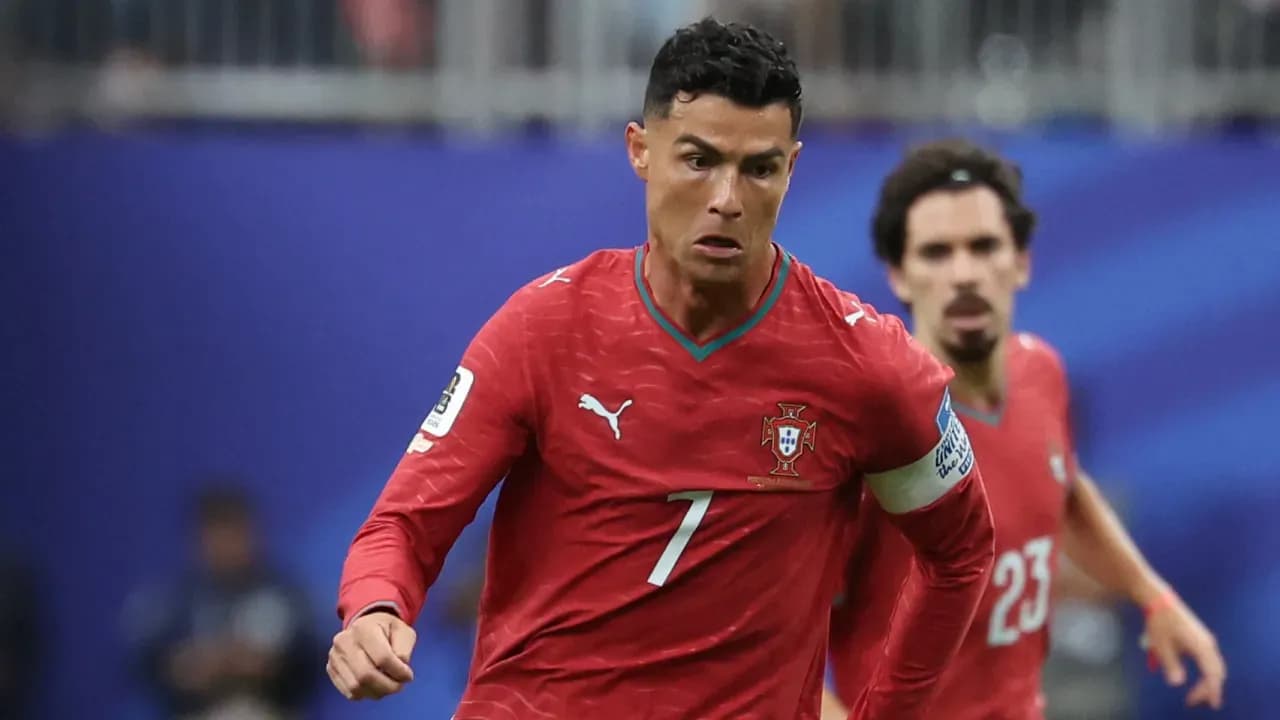
Portugal Announces Squad for 2026 UEFA Nations League; Cristiano Ronaldo Expected to Play
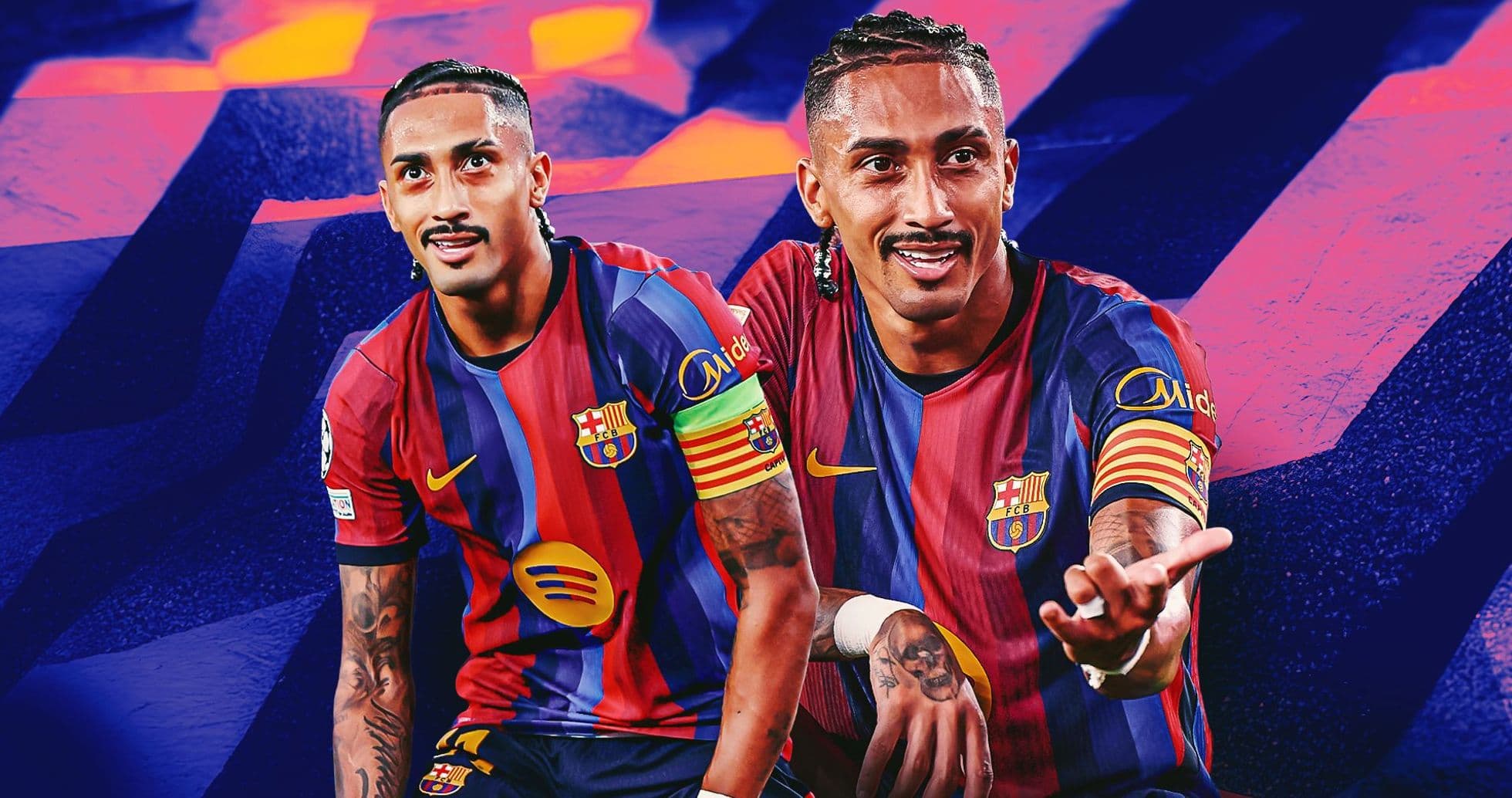
Raphinha Channels Ronaldo Nazario as Barcelona's Leading Striker After Position Change