
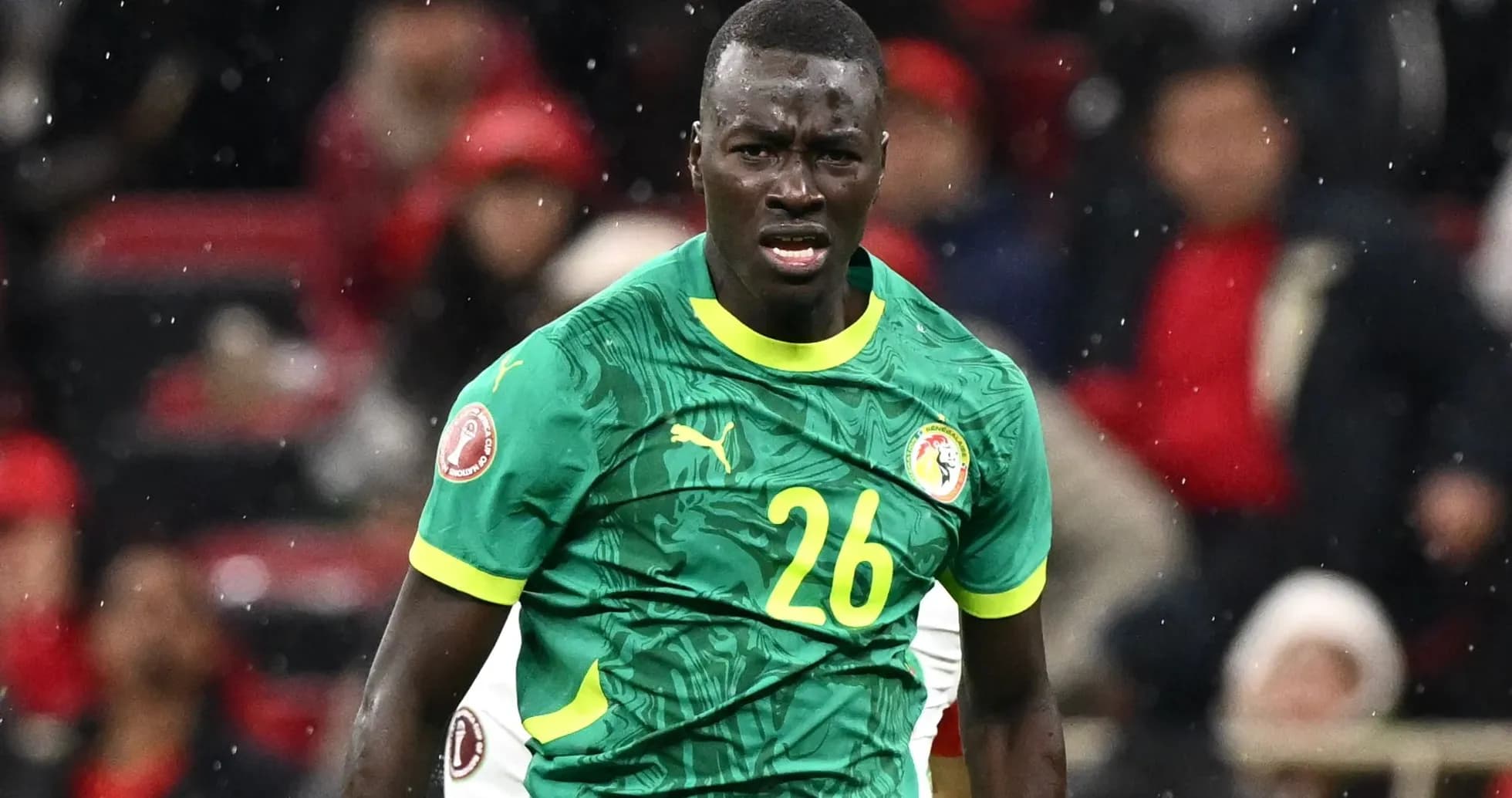
Pape Gueye's Decision After Senegal's World Cup Exit
Senegal’s World Cup exit to Belgium was brutal enough on its own. What followed turned it into a full-blown national crisis.
Just hours after the Lions of Teranga crashed out in a 3-2 extra-time defeat, midfield lynchpin Pape Gueye announced he will no longer play for Senegal as long as the current coaching staff remains in charge.
No leaks, no whispers. A direct hit on Instagram.
“I’ll be back to give you a few words regarding elimination... but I announce today that as long as it’s this technical staff I’ll take a break from the selection,” he wrote on his story, detonating a message that raced through Senegalese football in minutes.
This wasn’t a player drifting quietly away from the national team. This was a public rupture.
A Collapse That Changed Everything
The backdrop to Gueye’s decision was a second half that will haunt Senegal for years.
For an hour, Pape Thiaw’s side had one foot in the Round of 16 and a date with the USA. Habib Diarra struck, Ismaila Sarr added another, and Senegal looked in complete control. Confident on the ball, aggressive without it, they had Belgium rattled.
Then came the 64th minute.
Gueye, who had been central to Senegal’s control of midfield, made way for Lamine Camara. On paper, a like-for-like change. On the pitch, the entire rhythm shifted.
Senegal retreated. Belgium sensed life.
The pressure built and, with ten minutes to go, the dam burst. Romelu Lukaku pulled one back, Youri Tielemans levelled late, and a match that had seemed wrapped up was suddenly spiralling.
Extra time felt like a siege. Deep into the 125th minute, VAR intervened, a penalty was given, and Tielemans buried it. From 2-0 up to 3-2 down. From control to catastrophe.
A campaign that had promised so much ended in disbelief, anger and, for one of Senegal’s key figures, open revolt.
Thiaw Under Fire Again
Head coach Pape Thiaw walked into the post-match press conference already under scrutiny. He left it with even more questions swirling around him.
His substitutions, and in particular the removal of Gueye and other leaders while 2-0 ahead, came under immediate and fierce criticism. Thiaw pushed back, insisting his hand had been forced.
“They were tired and couldn’t continue. Leaving them on the field would have been unprofessional on our part. We had to replace them, like for like,” he explained. “Of course, when you lose a match after leading 2-0, people inevitably talk about the substitutes. But you can’t reduce everything to that. These changes were primarily dictated by fatigue, more than by tactical considerations.”
It was a defence rooted in player welfare. It did little to cool the debate.
Gueye’s message only sharpened the focus. His words did not mention tactics, fitness data or heat maps. They went straight to the heart of trust in the technical staff. For a senior figure to draw that line publicly is rare. To do it on the night of elimination is explosive.
A Team Already on the Edge
This is not a storm arriving out of nowhere. Thiaw has been walking a tightrope for months.
His tenure was already stained by the chaotic Africa Cup of Nations final against Morocco, when he ordered his players off the pitch in protest at a refereeing decision. Senegal eventually returned and won the match on the field, only for CAF to overturn the result, hand the title to Morocco and leave Senegal with a bitter, hollow memory instead of a trophy.
That episode painted Thiaw as a volatile figure in some eyes, a man whose decisions can drag the team into controversy even when the result goes their way.
Now, after a World Cup exit marked by a blown 2-0 lead, contentious substitutions and a star player effectively walking away in protest, the pressure has reached a new level.
Thiaw, visibly shaken, tried to frame the Belgium defeat in emotional terms.
“We just lost a match that was really important to us. We wanted to qualify for the Senegalese people, we thought we deserved it, but unfortunately, we are eliminated. I am sad, the players are sad too, because they really wanted this qualification,” he said.
The sadness is real. So is the fracture.
A Rift That Won’t Quietly Disappear
National teams survive defeats. They rarely survive deep, public splits between the dressing room and the bench without consequences.
Gueye has not retired from international football outright. His words leave the door slightly ajar: this is a “break” tied explicitly to the presence of the current staff. But that conditional stance is, in itself, a challenge to the federation.
Back the coach, or risk losing a key player. Change the staff, or accept a weakened squad. There is no way to spin that as anything other than a confrontation.
For Senegal, a team that has spent the last decade building a reputation as one of Africa’s most stable and ambitious projects, the stakes are clear.
Is this just the emotional outburst of a devastated night, or the start of a reshaping of power around the national side?
Related News
Raphinha’s Hat-Trick Powers Barcelona to 7-2 Victory Over Racing Santander
Carabao Cup Fourth Round Draw: Liverpool Set to Clash with Chelsea, Arsenal to Face Fleetwood Town
Key Football Matches to Watch in Azerbaijan This Autumn
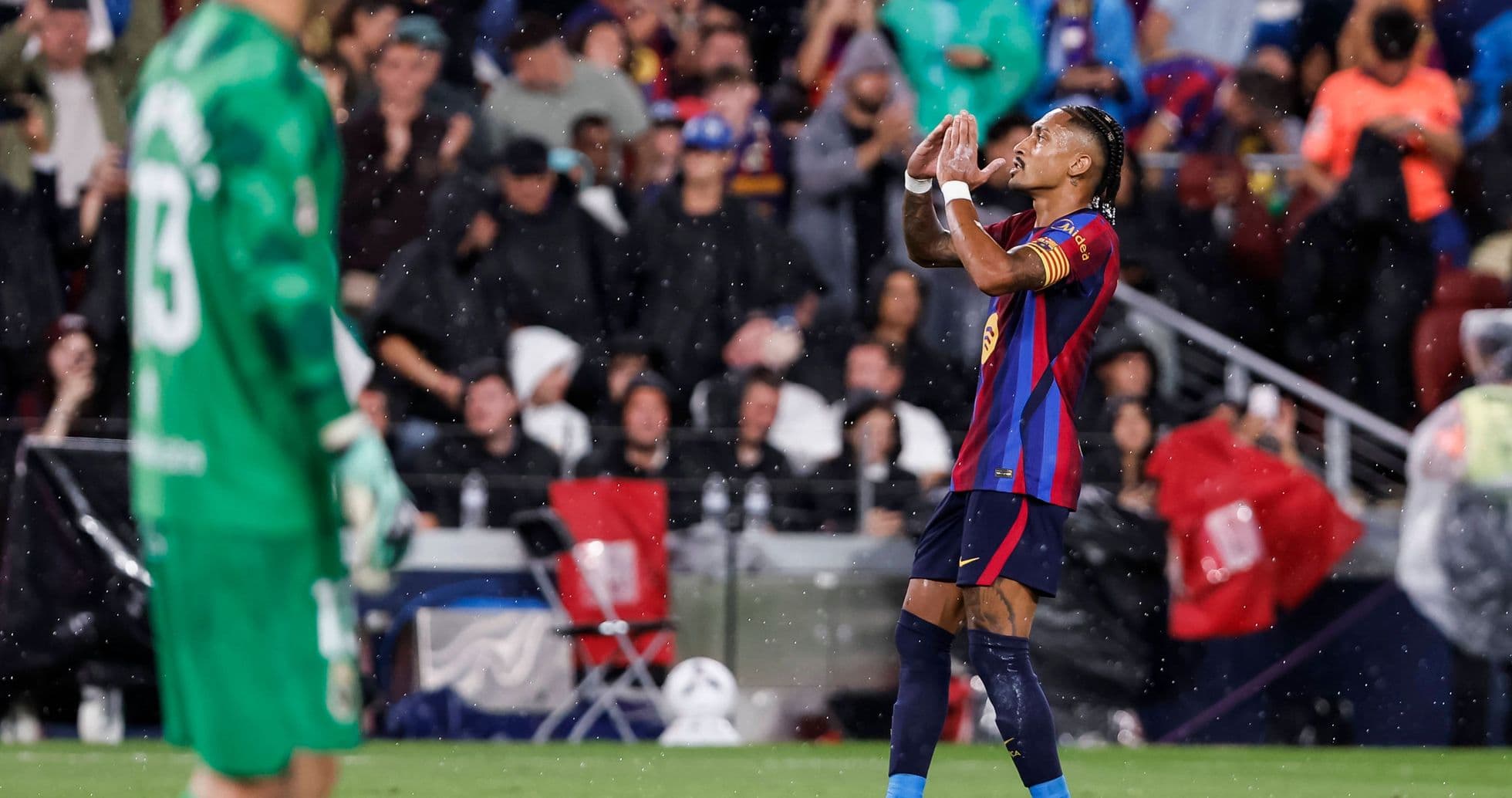
Raphinha's Hat-Trick Drives Barcelona to 7-2 Triumph Over Racing Santander
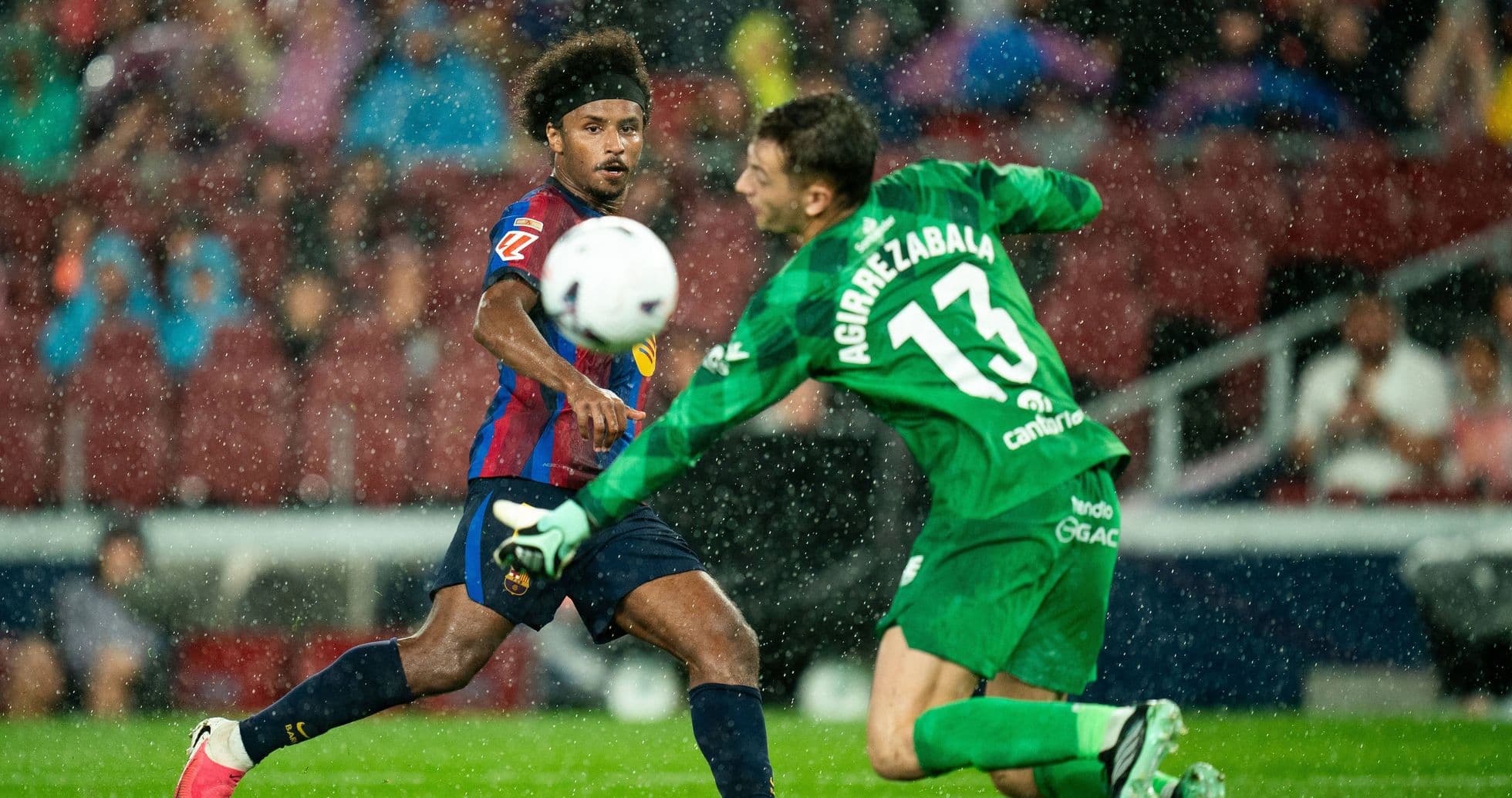
Hansi Flick Leads Barcelona to Record-Breaking Seven Wins in a Row
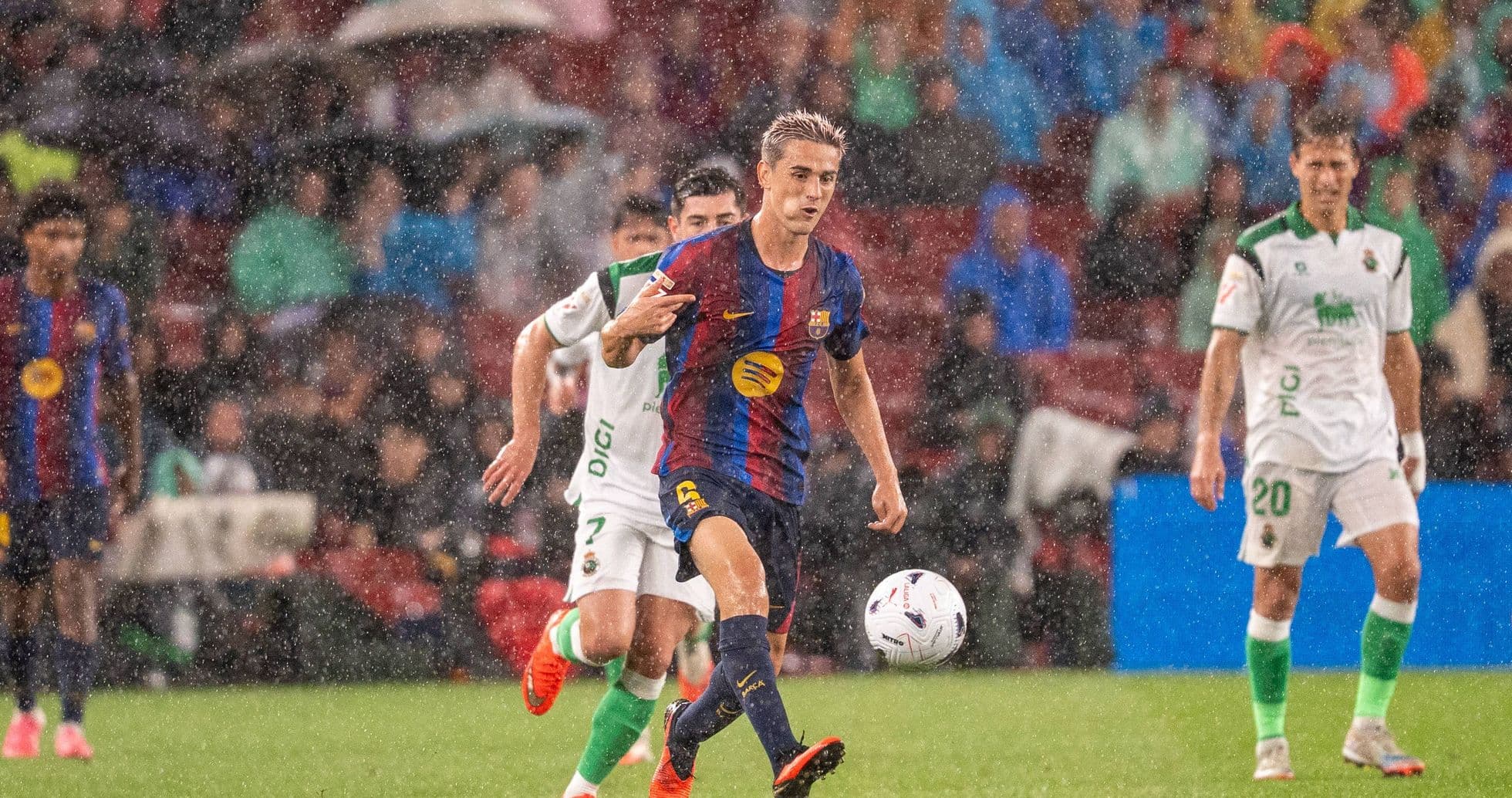
Gavi Reflects on Injury Return as Barcelona Dominate Racing Santander 7-2