
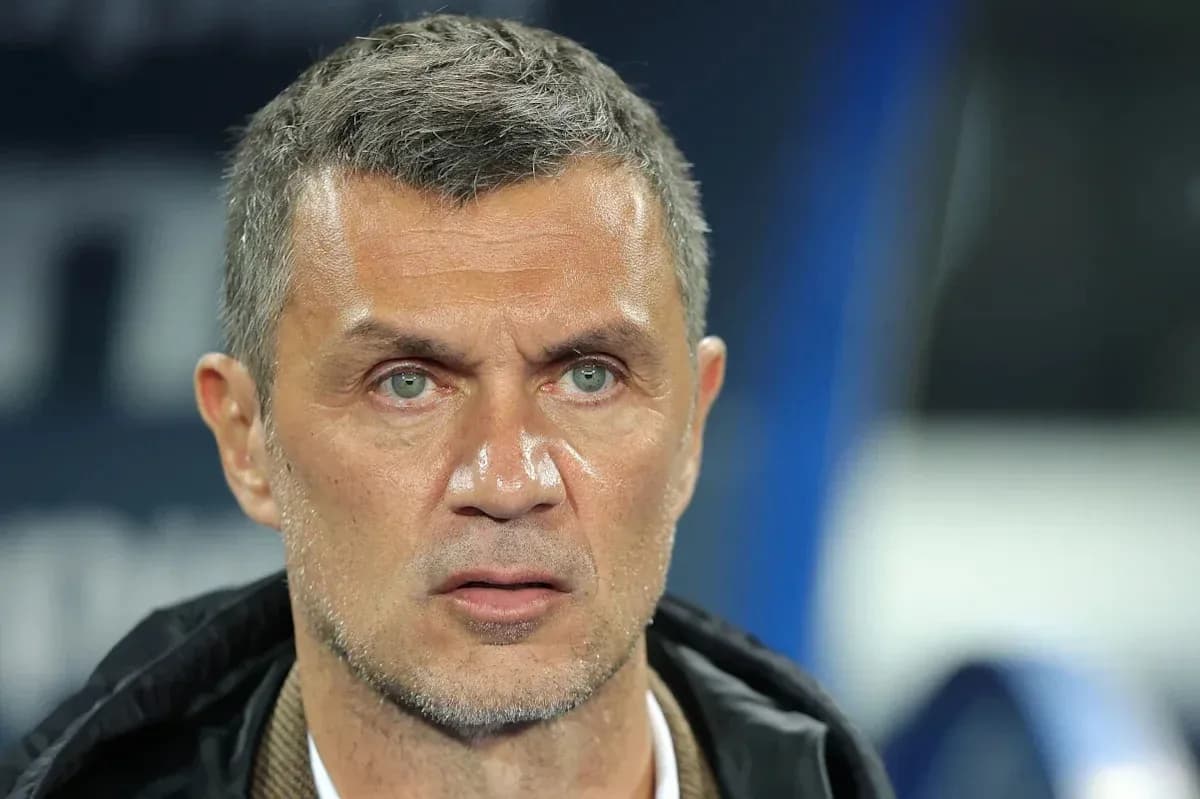
Paolo Maldini Returns as Italy's Technical Director
Paolo Maldini is back where Italian football believes he belongs: at the heart of the Azzurri project, with responsibility, authority and the weight of a nation on his shoulders.
On Saturday night, the FIGC made it official. Maldini has been appointed Italy’s new technical director, a move that has been met not with debate, but with something rarer in the Italian game: broad, almost unanimous approval. Alongside him, Leonardo arrives as an advisor, rekindling a partnership that once tried to drag Milan into a new era and is now being asked to do the same for the national team.
A World Cup on TV, a reset on paper
Italy have watched the World Cup from the sofa for the third straight tournament. The biggest stage in world football has become a television event rather than a destination, a painful reminder of how far the four-time world champions have drifted.
As France, Spain, Argentina and England march into the semi‑finals and MelBet Tanzania keeps local fans occupied with its own tournament, Italy’s attention has turned inward. The country needed a symbol, a fresh start with credibility. It has chosen Maldini.
This is not a cosmetic appointment. The former defender steps into a commanding role at Coverciano, tasked with shaping the next era of the national team. His first mission could not be more delicate: together with Leonardo, he will identify the next Italy head coach.
Antonio Conte and Roberto Mancini are currently seen as the leading contenders. Italian media have already begun to float bolder names, including Pep Guardiola and Didier Deschamps, but for now those remain just that: names. The real power lies with Maldini, and that is exactly how many in Italian football want it.
Malagò’s first big call
For new FIGC president Giovanni Malagò, this is the first defining decision of his tenure. It has landed well. In a climate where every choice is usually pulled apart within hours, Maldini’s return has instead drawn respect.
Dino Zoff, who coached Maldini at Euro 2000 and lifted the World Cup as a player in 1982, did not hide his admiration.
“Paolo has given so much for our football, to Milan in particular but also for the national team,” Zoff said. “He was also one of my players when I was in charge and I can't forget his father Cesare either, who was Bearzot's assistant when I won the World Cup in 1982.
“Maldini is a perfect appointment in terms of character, charisma and competence. I also understand the choice of Leonardo as an advisor. It's right that a leader surrounds himself with people he trusts.”
Zoff knows what it means to carry Italy on your back, both as goalkeeper and as coach. His message to Maldini is clear: lead, and lead without fear.
“Maldini has to be free to follow his beliefs, without external interference,” he added. In a country where political pressure has often seeped into footballing decisions, that line carries weight.
Old comrades, new responsibilities
If Zoff speaks as a former coach, Alessandro Costacurta speaks as a former brother-in-arms. Few know Maldini better. The two shared a back line, a dressing room and a trophy cabinet at San Siro for years.
“This is great news for Italian football, because we have brought in one of the most illuminated and sincere people in the sport,” Costacurta said.
He went further, underlining just how significant Malagò’s move could be.
“Malagò made the best possible choice. In fact, picking Maldini is perhaps more important than choosing the new coach.
“Leonardo is more of a dreamer, a visionary, whereas Paolo is more practical, looks to his knowledge and instinct,” Costacurta concluded. “The best thing about them is that they listen to each other, despite starting from different ideas, and always manage to find a common solution.”
That dynamic will now be transplanted from club corridors to the national stage. One man pushing ideas, the other filtering them through experience and instinct. Italy, long accused of clinging to the past, has turned to two figures who know that past intimately yet have never been afraid to challenge it.
A legend at the crossroads of an era
The image is still fresh: Maldini and Leonardo side by side in Bergamo in 2019, deep in conversation before Atalanta faced Milan at the Stadio Atleti Azzurri d’Italia. Back then, they were trying to rebuild a fallen giant of Serie A. Today, the scale is bigger, the pressure heavier, the room for error smaller.
Italy are not choosing a mascot. They are handing the keys of their football identity to a man whose name is synonymous with discipline, elegance and an unshakeable competitive edge. The next coach, whoever he is – Conte, Mancini, or a more surprising figure – will walk into a national team already marked by Maldini’s imprint.
The World Cup goes on without the Azzurri. The noise, the colour, the late‑night drama belong to others for now. But in the quiet offices of the FIGC, a different kind of contest has begun: the battle to ensure that Italy never again watches the biggest tournament as a distant spectator.
Maldini has stepped into that fight. The question now is not whether he is the right symbol, but whether Italian football is finally ready to follow his lead.
Related News
Ilia Topuria Accuses Justin Gaethje After UFC Defeat
Tyson Fury vs Anthony Joshua Fight Date and Venue Confirmed
Switzerland Calls Up In-Form Sion Striker Winsley Boteli for Nations League
Bournemouth Secures Historic 2-1 Win Over Real Sociedad in Spain
Portugal Announces Squad for 2026 UEFA Nations League; Cristiano Ronaldo Expected to Play
Raphinha Channels Ronaldo Nazario as Barcelona's Leading Striker After Position Change