
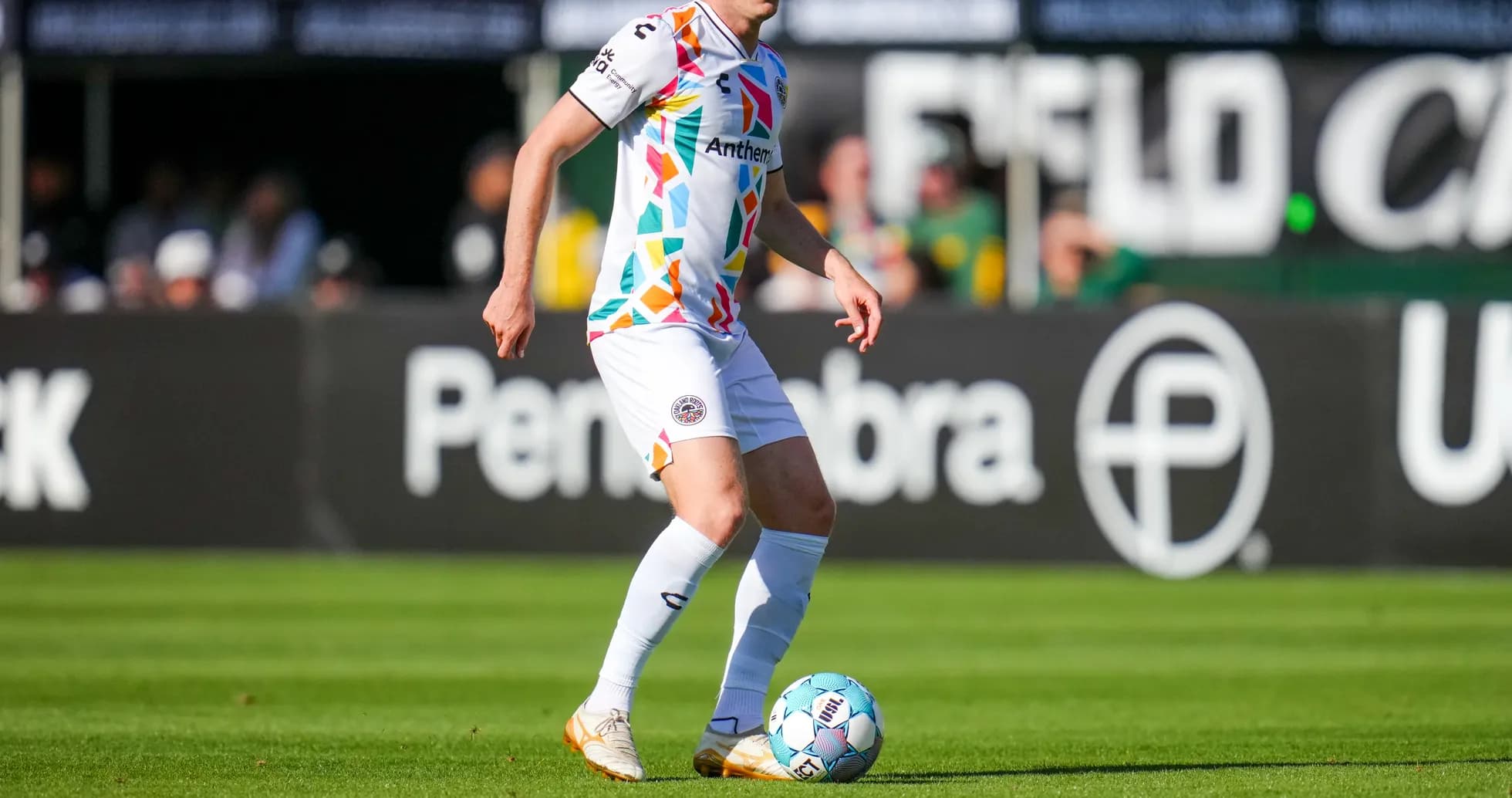
Oakland Roots vs Colorado Springs: Tactical Analysis of a Key USL Clash
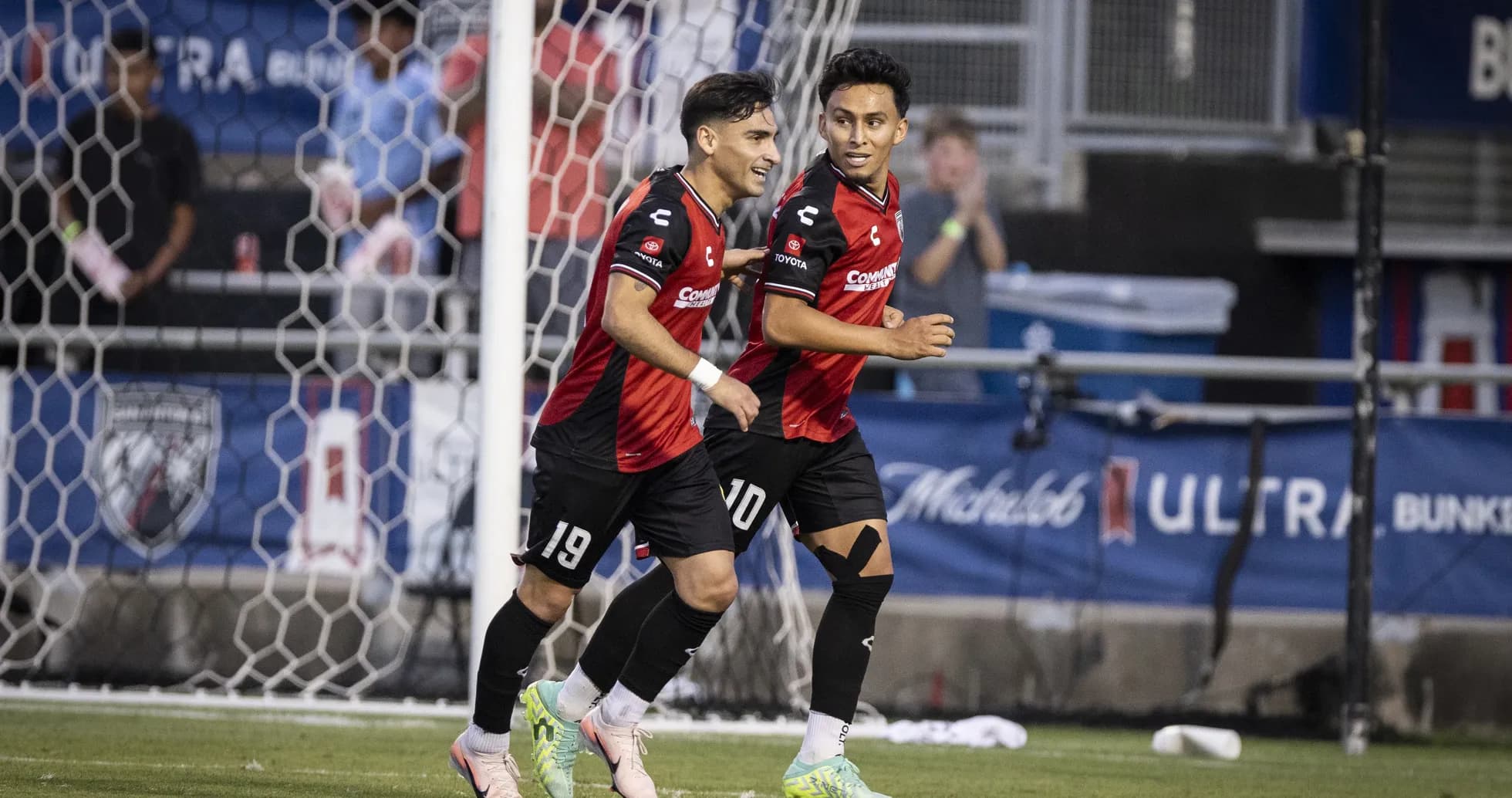
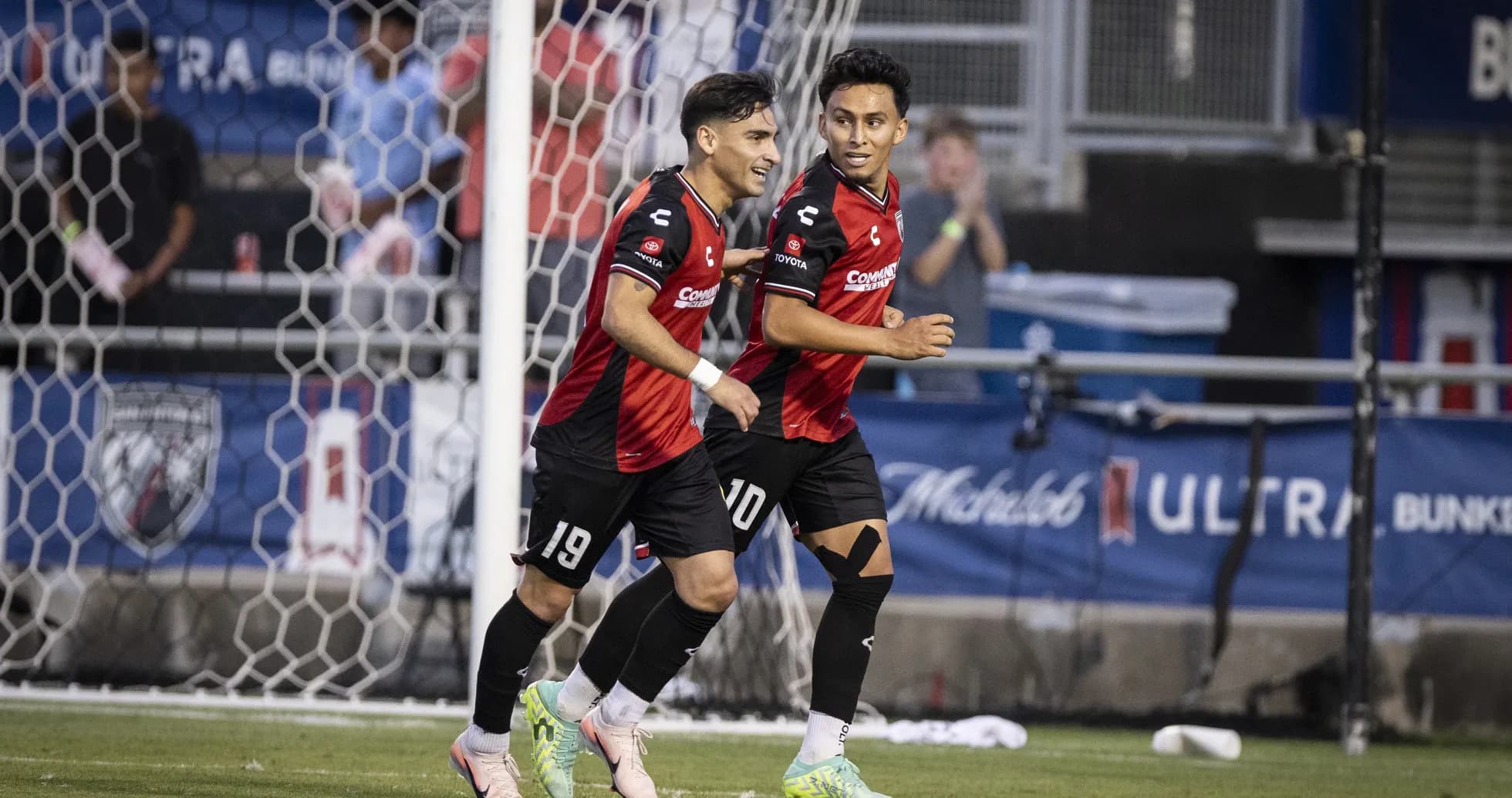
Under the lights at Laney College Football Stadium, Oakland Roots and Colorado Springs met in a Group Stage clash that felt every bit like a playoff dress rehearsal. The USL Championship table framed this as a duel of contenders: heading into this game Oakland sat 5th in USL 1 with 16 points and a goal difference of 2, Colorado Springs 8th with 13 points and a goal difference of 1. Both sides were tracking toward the “Promotion - USL Championship (Play Offs: 1/8-finals)” line, and the margins were already thin.
Colorado Springs left with a 1-0 win, the only goal separating two teams whose seasonal DNA is strikingly similar. Overall this campaign, Oakland had scored 18 and conceded 16 across 11 matches, while Colorado Springs had also scored 18 but conceded 17 in 10. The Roots’ profile is of a side that lives on tight edges: overall they average 1.6 goals for and 1.5 against. Colorado Springs are marginally more open at 1.8 goals for and 1.7 against overall, leaning into attacking ambition even at the cost of defensive exposure.
At home, Oakland came into the night with 9 goals scored and 7 conceded in 6 matches, averaging 1.5 goals for and 1.2 against at Laney. Colorado Springs, on their travels, had 8 goals for and 11 against in 6 away fixtures, averaging 1.3 for and 1.8 against away. On paper, this should have been a venue where Oakland’s home attacking rhythm could stress a vulnerable traveling defense. Instead, Colorado Springs imposed a different script: compact, disciplined, and ruthless when it mattered.
Tactical voids and discipline
With no formal list of absentees provided, both coaches appeared to lean on their core groups. Ryan Martin’s Oakland XI was built around continuity and balance: K. McIntosh in goal, a defensive spine anchored by K. Tingey, M. Edwards and N. Hackshaw, and a midfield-attack blend that put creative responsibility on J. de Vicente and F. Bettache, with P. Wilson as the central reference in the front line. Width and secondary threat came from B. Jacquesson and W. Prentice, while the engine of control and pressing was shared by T. McCabe and T. Gibson.
On the bench, Martin had options to change tempo and structure: the guile of F. Valot, the vertical running of D. Trejo, and the fresh legs of J. Bravo and J. Kiil. Yet the 90 minutes suggested that either the timing of those changes or the platform for them was not quite right; Oakland’s usual home average of 1.5 goals for never materialized.
For Colorado Springs, Alan McCann’s selection signaled a clear away-game blueprint. C. Shutler started in goal behind a back line featuring P. Burner, T. Maples and G. Metusala, with A. Rocha adding balance on the flank. In front of them, S. Williams provided the screening presence, while the creative and transitional threats came from Y. Hanya and T. Magee, supported by B. Creek, S. Masereka and K. Bennett in the advanced roles.
McCann’s bench was lean but purposeful: A. Perez and J. Tejada as attacking reshapers, F. Daroma and D. Williams as midfield adjusters, and the defensive insurance of M. Mahoney and J. Fjeldberg. The tactical voids that might have existed in this squad were instead covered by a collective discipline that has been a defining trait: overall this season they have collected their yellow cards in a spread that peaks between 46-60 minutes at 25.00%, but crucially, they have avoided red cards entirely.
Oakland’s disciplinary profile is more volatile. Their yellow cards cluster late, with 25.00% between 61-75 minutes and another 25.00% between 91-105 minutes, while their red cards are split between 46-60 minutes (50.00%) and 91-105 minutes (50.00%). That pattern hints at a team that can tilt emotionally as matches tighten. Even if no dismissal occurred here, the underlying tendency shapes how they defend leads or chase deficits.
Key matchups – Hunter vs Shield, Engine Room
Heading into this game, the macro “Hunter vs Shield” duel was Oakland’s home attack against Colorado Springs’ away defense. Oakland at home: 9 goals in 6 matches, 1.5 per game. Colorado Springs away: 11 conceded in 6, 1.8 per game. On the season’s evidence, the Roots should have found spaces between full-back and center-back, particularly around Burner and Metusala, where their away goals against average suggests vulnerability to wide overloads and late box entries.
That is precisely where the likes of Jacquesson and Prentice were supposed to matter, driving at the channels and pulling the Colorado back line into uncomfortable diagonals. Instead, Colorado’s “Shield” held. S. Williams’ screening work in front of the defense, and Rocha’s discipline on the flank, limited the kind of second-phase chaos in which Oakland usually thrive. The visitors compressed the central lanes, forcing Oakland to circulate rather than penetrate.
In the “Engine Room,” the duel between Oakland’s central pair – McCabe and Gibson – and Colorado’s midfield triangle of Williams, Hanya and Magee defined the flow. Oakland’s season-long numbers suggest a side that wants to keep games in a controllable band, with overall averages of 1.6 goals for and 1.5 against hinting at managed risk. Colorado, with 1.8 for and 1.7 against overall, are more willing to trade blows.
On the night, Colorado’s engine accepted longer spells without the ball, but when they broke, Hanya and Magee provided the progressive carries and passes that turned simple recoveries into dangerous counters. That dynamic likely underpinned the decisive 1-0 moment: quick transition, vertical running, and an Oakland midfield caught in the half-space between pressing and protecting.
Statistical prognosis and xG-shaped verdict
Even without explicit xG figures, the season profiles of these sides allow a tactical projection of how this kind of fixture plays out over a larger sample. Oakland’s home averages – 1.5 goals for and 1.2 against – suggest that, in xG terms, they typically edge visiting opponents at Laney, creating slightly more and conceding slightly less. Colorado’s away numbers – 1.3 for and 1.8 against – point to a side that usually concedes the better chances on their travels, even as their attack remains capable of producing high-quality moments, especially in transition and from the penalty spot.
Penalty dynamics matter here. Overall this campaign, Oakland have had 1 penalty and scored it, with no misses. Colorado Springs have had 5 penalties overall and scored all 5, again with no misses. That perfect record from the spot underlines their ruthlessness when opponents lose composure in the box, especially relevant against an Oakland side whose yellow and red card peaks arrive precisely in the late, high-stress phases of matches.
Following this result, the single-goal margin fits within the narrow statistical band that both teams inhabit. Over time, a matchup like this at Laney would likely lean marginally toward Oakland in terms of xG and expected points, given their home solidity and Colorado’s away concessions. But Colorado’s capacity to compress games, avoid red cards, and finish high-value chances – whether from open play or the spot – gives them a repeatable route to nicking results like this.
The tactical preview for any future meeting between these two is therefore clear. Oakland must find ways to turn their territorial control into higher-quality central chances, perhaps by involving Bettache and de Vicente closer to Wilson between the lines, and by timing substitutions like Valot or Trejo earlier to disrupt Colorado’s defensive rhythm. Colorado, for their part, will happily replay this script: keep the block compact, trust Williams and the back line to absorb, and let Hanya, Magee and the front trio attack the spaces that open when Oakland push for the breakthrough. In a playoff-style environment, that balance of control versus punch could decide the tie over 90 minutes – or over the course of a two-legged 1/8 final.
Related News
San Antonio Triumphs Over Colorado Springs in USL Championship Clash
Charleston Battery's Dominance Over Loudoun United: A Tactical Analysis
Orange County SC Triumphs 4-2 Over Miami FC in USL Showdown
Colorado Springs vs San Antonio Match Preview
Colorado Springs vs San Antonio: USL Championship Clash Preview
Miami FC vs Orange County SC Match Preview