
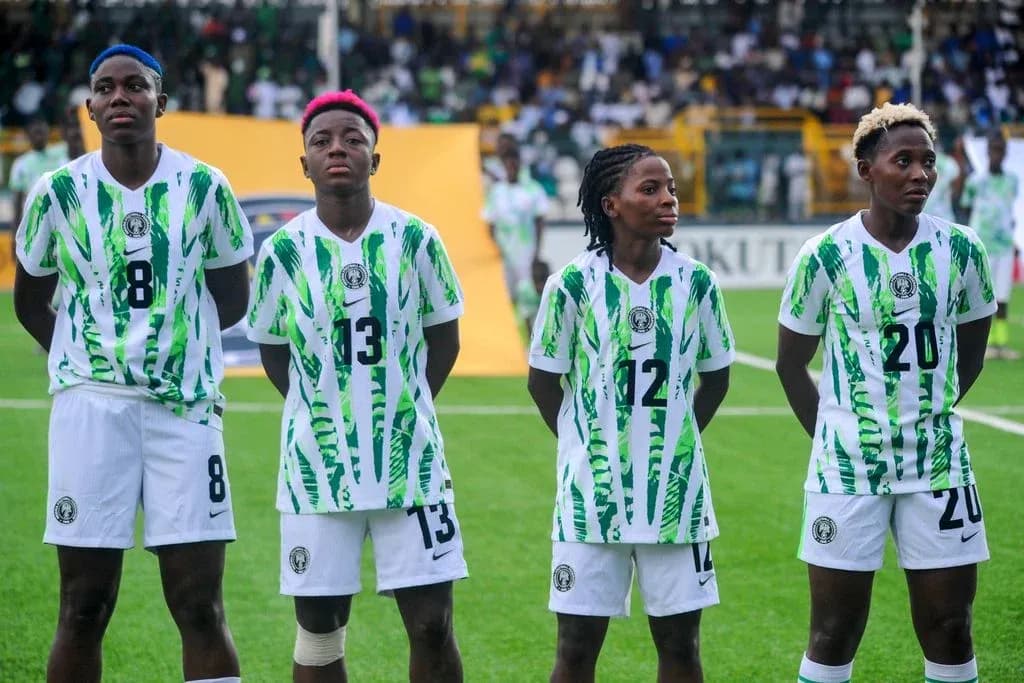
Nigeria’s Super Falcons Aim for 11th WAFCON Title in Morocco
Nigeria’s Super Falcons have drawn the curtain back on their 25-woman squad for the 2026 Women’s Africa Cup of Nations in Morocco, a group built to chase history and guard a crown they have worn more than any other side on the continent.
Head coach Justine Madugu, through the Nigeria Football Federation, has gone with a familiar core sharpened by a new edge of youth for a tournament that runs from July 26 to August 16. The target is blunt: a record-extending 11th WAFCON title and safe passage to the 2027 FIFA Women’s World Cup in Brazil.
Ajibade leads, Oshoala returns, Plumptre absent
At the heart of it all is captain Rasheedat Ajibade, now the emotional and tactical reference point of this team. Around her, some of Africa’s most recognisable names fall into line.
Six-time African Women’s Player of the Year Asisat Oshoala heads a fearsome forward unit, still very much the headline act in a side that expects to dominate opponents rather than merely edge them.
Behind them, Chiamaka Nnadozie remains the undisputed No. 1. The Brighton & Hove Albion goalkeeper has grown into one of Nigeria’s most reliable performers, and she will again anchor a goalkeeping department that also features Comfort Erhabor of Portsmouth Ladies and Abia Angels’ Fatima Oloko.
Not everyone made it. Star defender Ashleigh Plumptre misses out as she continues to recover from surgery, a notable absence in a back line that will now lean even harder on its veterans and rising talents.
Balance across the pitch
Madugu’s list is neatly structured: three goalkeepers, eight defenders, five midfielders and nine forwards. The numbers tell one story; the blend tells another.
In defence, experience meets raw potential. Osinachi Ohale and Michelle Alozie bring know-how and composure, while Oluwatosin Demehin and Rofiat Imuran represent the new generation asked to handle pressure on a big stage. Shukurat Oladipo, Glory Ogbonna and Sikiratu Isah are all included, with Christy Ucheibe also listed among the defensive options, adding bite and athleticism across the back line and deeper midfield zones.
The midfield belongs to Ajibade, but she will not carry it alone. Halimatu Ayinde offers steel and structure, Deborah Abiodun provides energy and ball-winning, while Toni Payne and Jennifer Echegini supply the technical craft and forward thrust that turn control into chances.
Up front, the options are almost extravagant. Oshoala leads a forward cast that includes Folashade Ijamilusi, Esther Okoronkwo, Chinwendu Ihezuo, Francisca Ordega, Gift Monday, Uchenna Kanu, Omorinsola Babajide and Joy Omewa. It is a group built to attack in waves, from wide areas, through the middle, and off the bench.
Many of these players arrive from Europe’s top leagues, others from North America, Asia and the Nigerian Women’s Football League. That mix of global experience and domestic sharpness has long been one of the Falcons’ competitive advantages. Madugu clearly intends to keep it that way.
Group C: Old scars, new threats
Nigeria travel to Morocco as the giants of African women’s football. Ten WAFCON titles, the most recent secured in a 3-2 win over hosts Morocco in the last edition’s final, give them an aura no other side can match. But Group C offers little room for complacency.
The Super Falcons open their campaign against tournament debutants Malawi on Tuesday, July 28, at Al Madina Stadium in Rabat. It will be the first senior competitive meeting between the two nations, a classic trap game on paper: Nigeria expected to dominate, Malawi free to swing without pressure.
Then comes the grudge match.
On Saturday, August 1, at the same venue, Nigeria face Zambia. The Falcons have won two of the three previous meetings between the sides at this level, yet the one that lingers is the Copper Queens’ 1-0 victory in the 2022 WAFCON third-place playoff. That defeat cut deep. This time, the stakes are again heavy, and the fixture instantly stands out as one of the group’s marquee clashes.
Nigeria close out the group against Egypt on Wednesday, August 5, at the Rabat Region Stadium. The history books show a 6-0 Falcons win in their only previous WAFCON encounter, back in 1998 at the inaugural African Women’s Championship. The context now is different. Egypt have steadily invested in their women’s programme and will not arrive simply to make up the numbers.
World Cup ticket on the line
Beyond the trophy, the tournament carries another prize: WAFCON 2026 doubles as Africa’s qualifying path to the 2027 FIFA Women’s World Cup in Brazil. Reach the semi-finals and a World Cup ticket is guaranteed. Slip up, and the fallout will be felt far beyond Morocco.
Nigeria are used to walking into WAFCON as favourites. This time, they do so with a squad that looks built not only to defend a title but to send a message that their dominance in African women’s football is far from over.
The names are set. The dates are fixed. Now the question hangs over Morocco: can anyone stop the Super Falcons from stretching their reign into an 11th chapter?
Related News
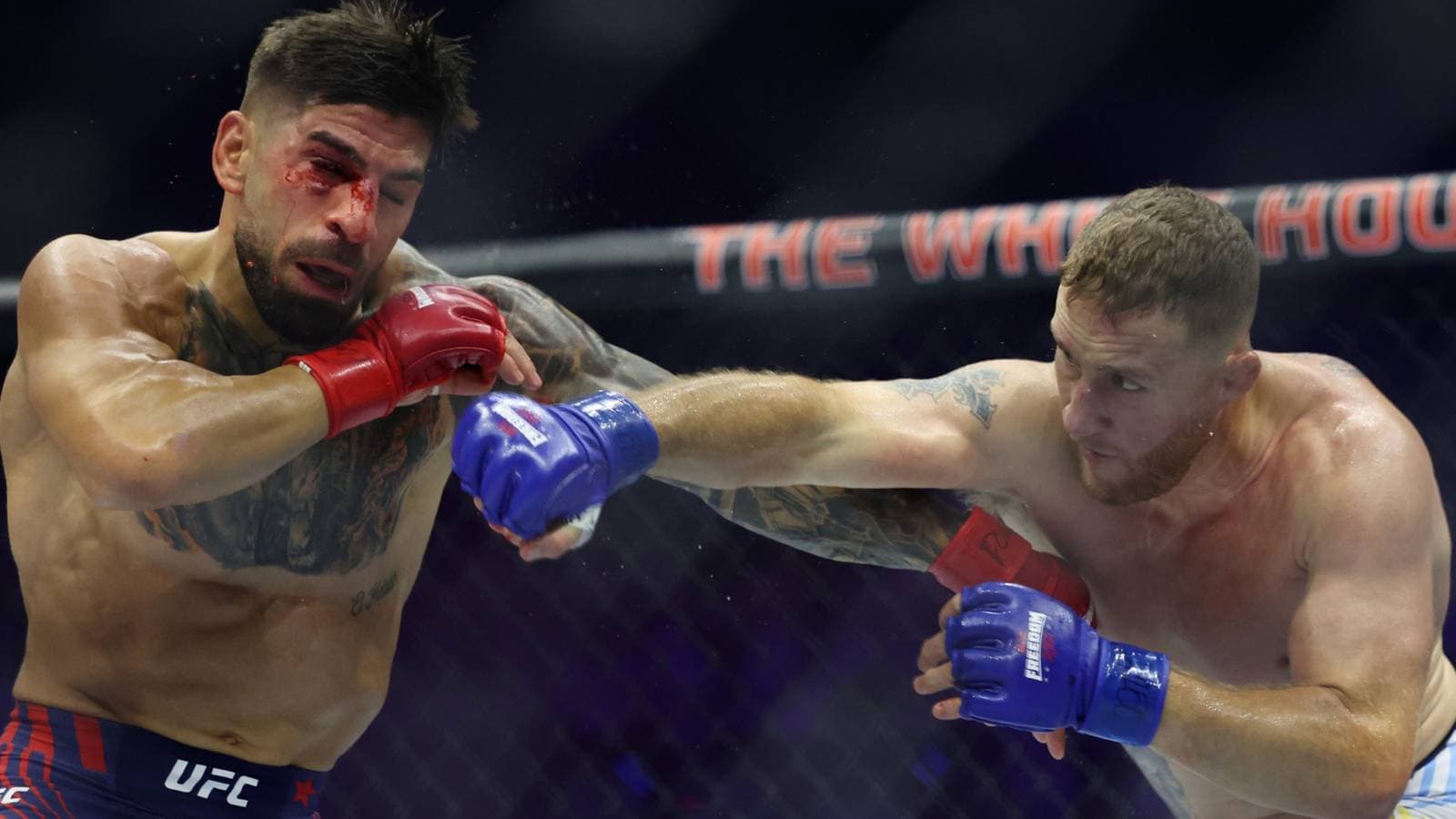
Ilia Topuria Accuses Justin Gaethje After UFC Defeat

Tyson Fury vs Anthony Joshua Fight Date and Venue Confirmed

Switzerland Calls Up In-Form Sion Striker Winsley Boteli for Nations League
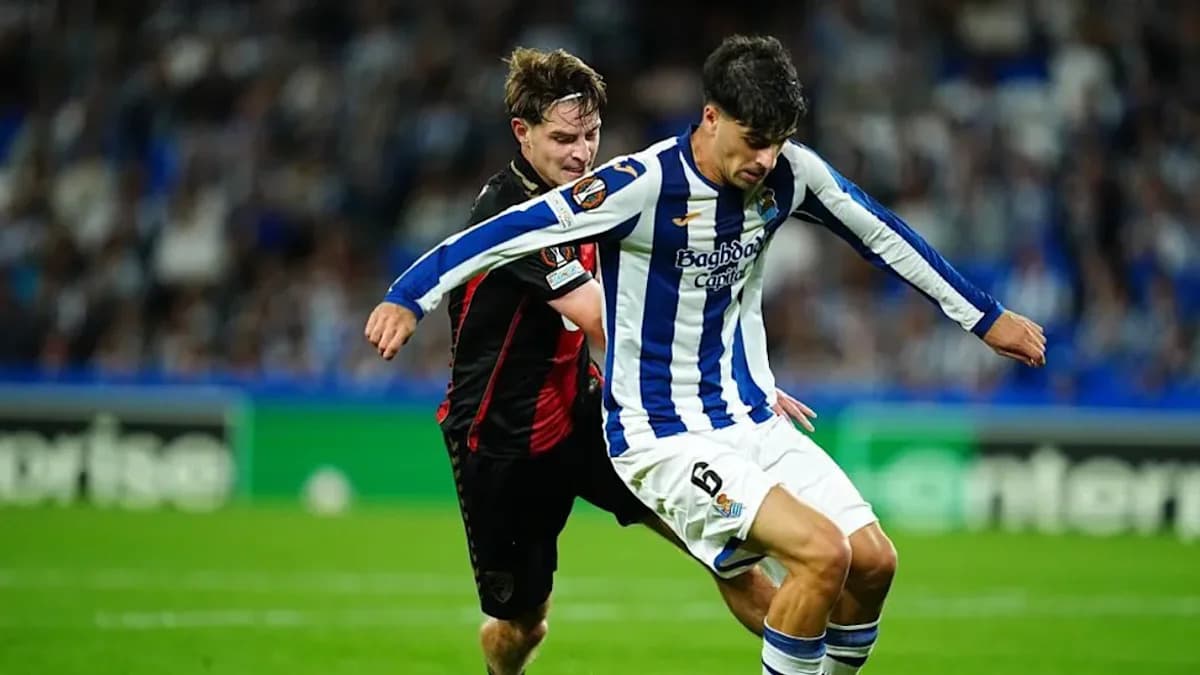
Bournemouth Secures Historic 2-1 Win Over Real Sociedad in Spain

Portugal Announces Squad for 2026 UEFA Nations League; Cristiano Ronaldo Expected to Play

Raphinha Channels Ronaldo Nazario as Barcelona's Leading Striker After Position Change