
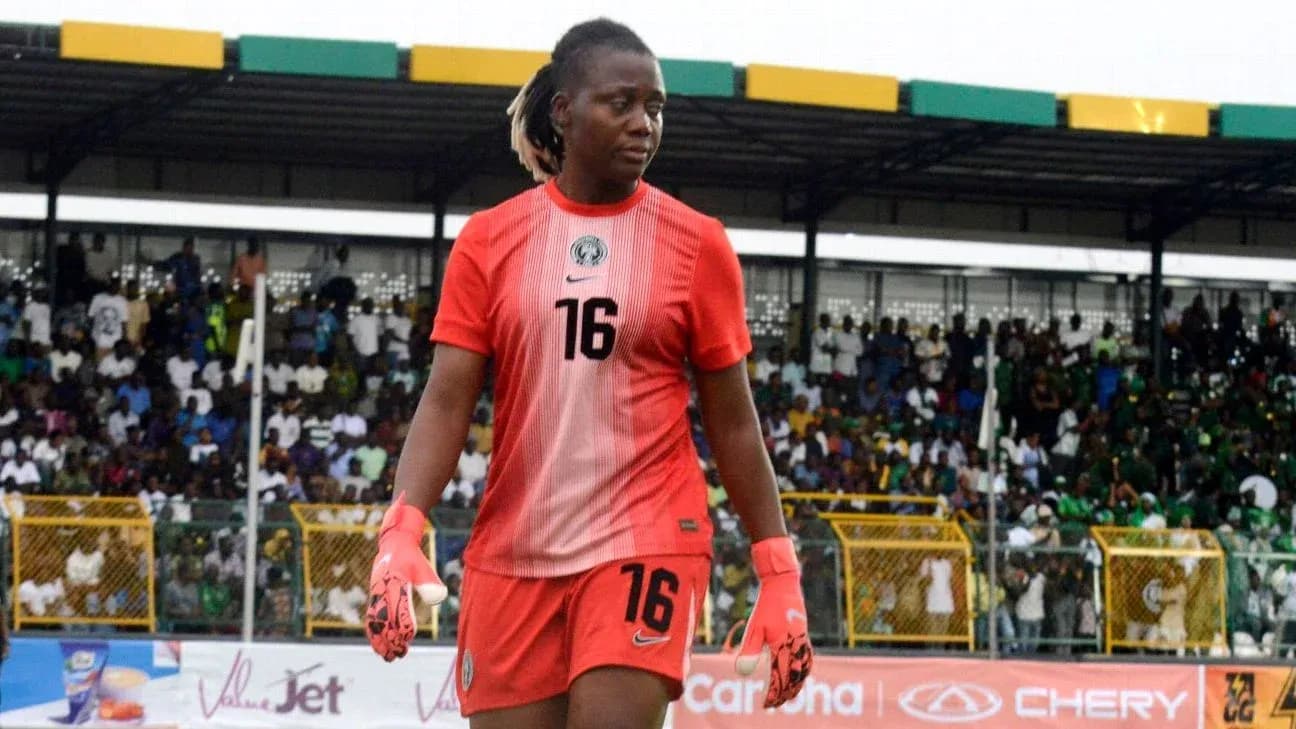
Nigeria Super Falcons Aim for WAFCON Glory and World Cup Spot
Nigeria load up for Morocco with familiar firepower and a clear warning to the continent: the queens are not done yet.
Coach Justine Madugu has kept faith with the core that reclaimed the Women’s Africa Cup of Nations crown last year, naming a 25-player squad built around captain Rasheedat Ajibade, elite goalkeeper Chiamaka Nnadozie and talismanic forward Asisat Oshoala. The message is obvious. Nigeria are not travelling to Morocco to reminisce about title No. 10. They are going for No. 11 – and a World Cup ticket.
Two missions, one tournament
This WAFCON is more than a trophy chase. It doubles as Africa’s road to the 2027 FIFA Women’s World Cup in Brazil, and Nigeria, the only African nation to have reached every edition since 1991, have no intention of surrendering that streak.
Madugu has made that the first line of his mandate. Reach the semifinals in Morocco, lock in automatic World Cup qualification, then go after history with a record-extending 11th continental title. For a team that has built its identity on dominance, anything less would feel like a step back.
The Super Falcons will defend their crown from July 26 to August 16, again on Moroccan soil, where they edged the hosts 3-2 in last year’s final. Many of the heroes from that night return. The spine of the team remains intact, battle-tested and used to playing under pressure with everyone else aiming at their backs.
A big absence, a bigger responsibility
One name is missing, and it stings. Ashleigh Plumptre, a key figure in defence, will not make the trip. The defender has not recovered from the injury she suffered in March and has already told fans she needs more time before returning to full competition.
Her absence strips Nigeria of a calm, experienced presence at the back. It also shifts responsibility onto others. Osinachi Ohale, long one of the pillars of the back line, now becomes even more central. Michelle Alozie, Rofiat Imuran, Oluwatosin Demehin and the rest of the defensive unit must close ranks in a tournament where one mistake can flip an entire campaign.
Plumptre has urged supporters to stand behind the squad from afar. The expectation now is that her teammates turn that message into a siege mentality: one down, all in.
Old guard, new edge
If Nigeria look light on experience, you are not paying attention.
Ajibade returns as captain and creative heartbeat, Nnadozie arrives in Morocco widely regarded as Africa’s outstanding goalkeeper, and Oshoala again leads a group that knows what it takes to navigate the chaos of knockout football. Halimatu Ayinde, Christy Ucheibe, Ohale and Alozie form a hardened core that has seen almost every scenario at international level.
Around them, a new generation is pushing its way into the spotlight. Jennifer Echegini and Deborah Abiodun bring legs, range and ambition to midfield. In attack, Gift Monday, Esther Okoronkwo and Omorinsola Babajide are being asked to grow from impact options into genuine game-changers.
This is no longer a team that leans only on a handful of stars. It is a layered squad, with veterans setting the standard and younger players expected to carry more of the load, not just learn from it.
Global footprint, local heartbeat
The squad list underlines Nigeria’s global reach. Twenty-four of the 25 players are based abroad, spread across Europe, North America, Asia and the Middle East. From England to France, Portugal to Turkey, the Super Falcons draw on a network of players who test themselves weekly in high-intensity environments.
Amid that, one home-based player stands out: Fatima Oloko of Abia Angels. The goalkeeper travels as the domestic game’s lone representative, a reminder that the local league still feeds into a side packed with overseas professionals.
Between the posts, Nnadozie leads a unit that also includes Comfort Erhabor and Oloko. In defence, Ohale, Alozie, Shukurat Oladipo, Imuran, Glory Ogbonna, Demehin, Sikiratu Isah and Ucheibe will contest places across the back line and holding roles. The midfield group features Ajibade, Ayinde, Abiodun, Toni Payne and Echegini, a mix of industry, guile and goals.
Group C and the road ahead
Nigeria’s path starts in Rabat, where all three of their Group C fixtures will be played. They share the group with Egypt, Zambia and debutants Malawi. On paper, Nigeria carry the weight of history and expectation; on the pitch, they know that reputation does not win group games.
Zambia arrive with growing confidence after recent strides on the continental and global stage. Egypt bring structure and discipline. Malawi, new to this level, will treat every match as a free hit. Any slip, any complacency, and the group could turn awkward in a hurry.
The expanded 16-team format raises the stakes. The four semifinalists go straight to Brazil 2027. The fifth-place finisher gets a second chance via an intercontinental playoff. For a nation that has never missed a Women’s World Cup, the margin for error is small, but the route is clear.
Nigeria already stand alone as Africa’s most successful women’s national team with 10 WAFCON titles. Now they chase something the continent has not seen before: a champion successfully defending the trophy in this new, enlarged format.
The backbone is intact. The ambitions are public. The targets are non-negotiable.
The only question left is whether this blend of seasoned champions and hungry newcomers can carry Nigeria through another summer of pressure, and into yet another World Cup, with the rest of Africa still chasing their shadow.
Related News
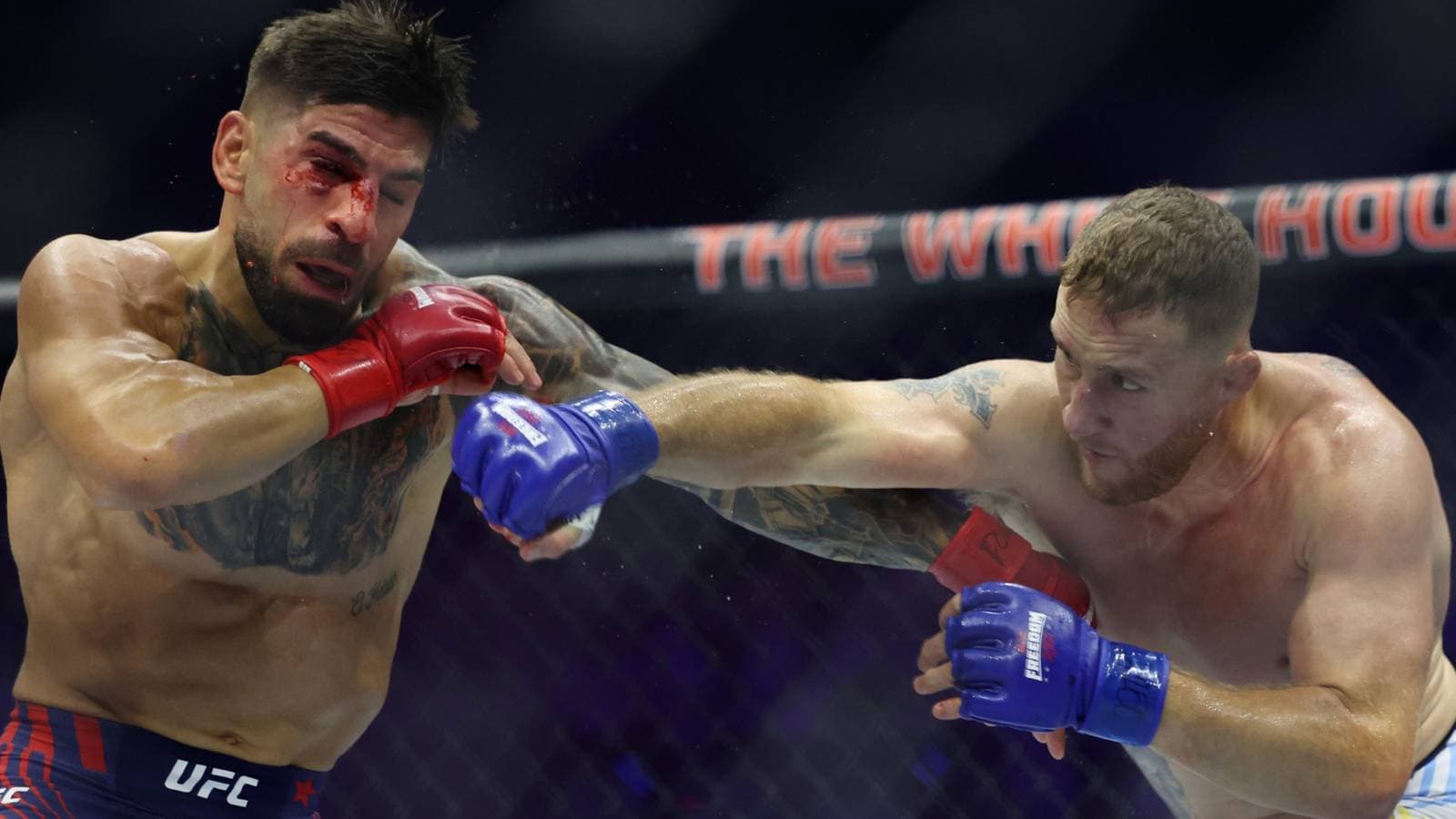
Ilia Topuria Accuses Justin Gaethje After UFC Defeat

Tyson Fury vs Anthony Joshua Fight Date and Venue Confirmed

Switzerland Calls Up In-Form Sion Striker Winsley Boteli for Nations League
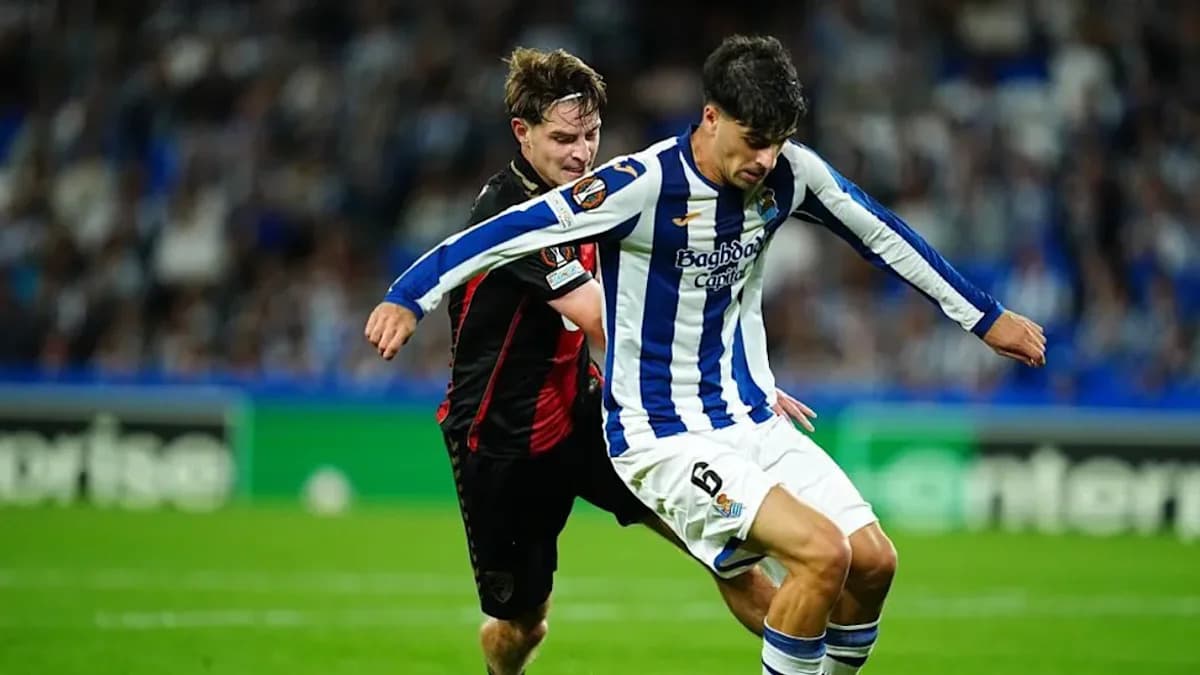
Bournemouth Secures Historic 2-1 Win Over Real Sociedad in Spain
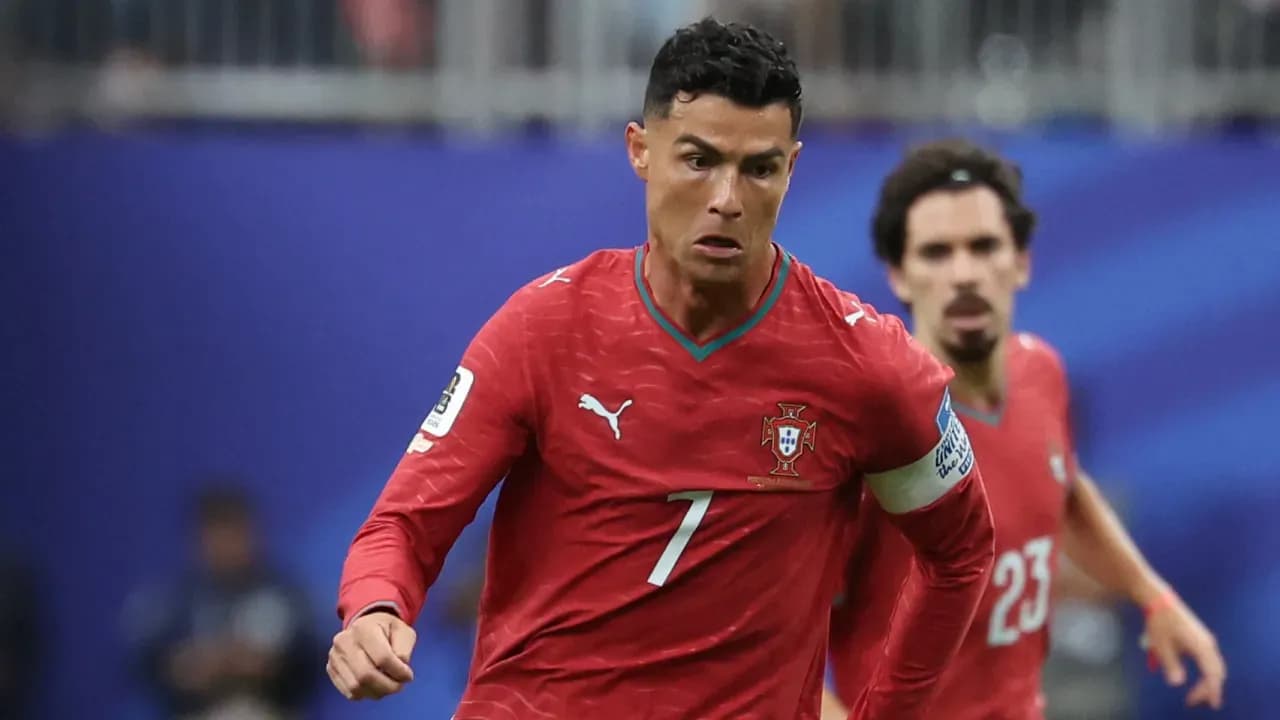
Portugal Announces Squad for 2026 UEFA Nations League; Cristiano Ronaldo Expected to Play

Raphinha Channels Ronaldo Nazario as Barcelona's Leading Striker After Position Change