
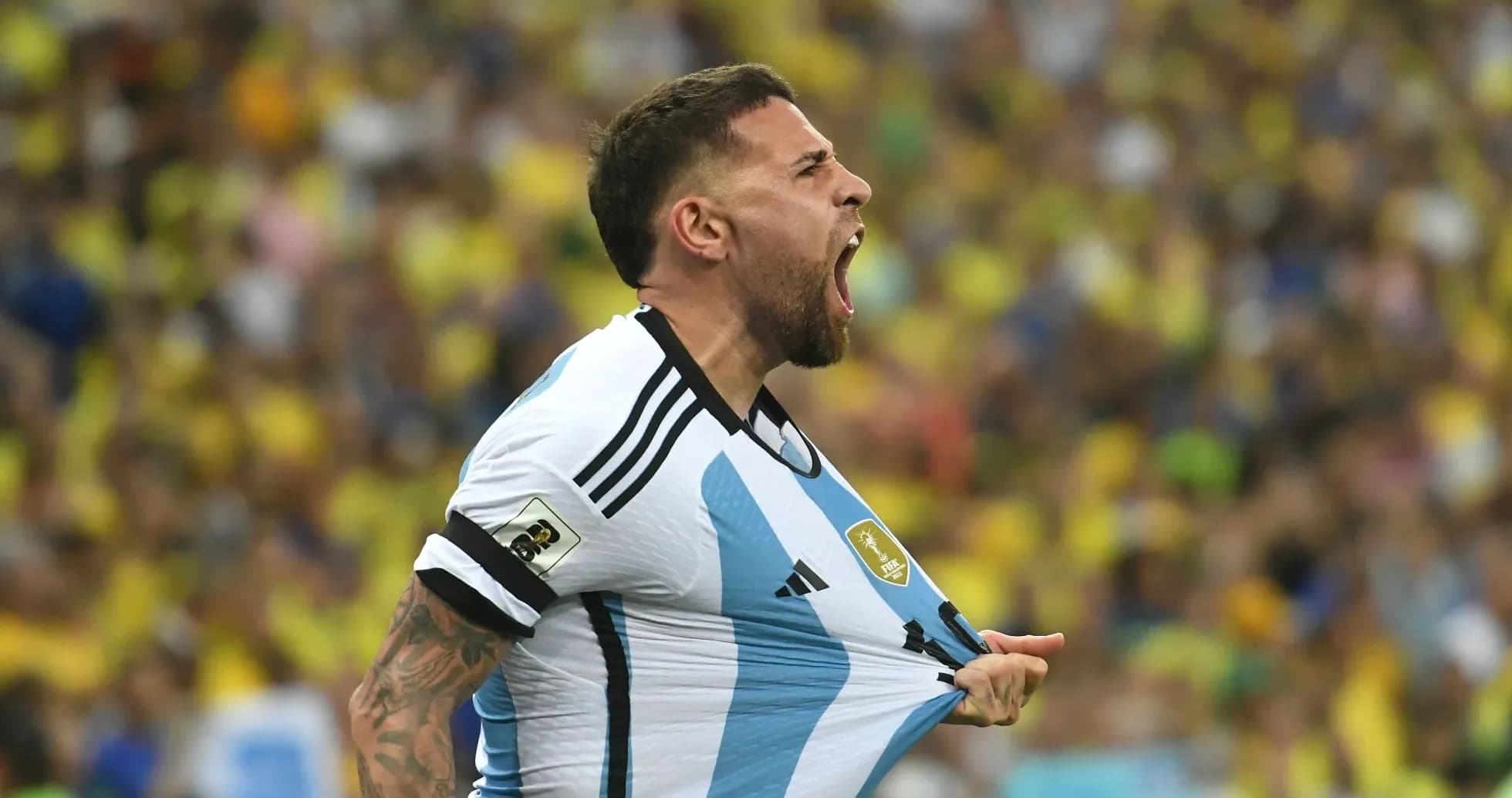
Nicolás Otamendi's Farewell: A Warrior's Tribute to Argentina
Nicolás Otamendi chose his own moment. Not a press conference, not a staged tribute, but a message on his phone, sent directly to the people who had lived every tackle and every scar with him.
“Today, I’m writing the most difficult words I’ve ever had to,” he posted on Instagram. With that, the 38-year-old defender confirmed what many around the Argentina camp had long sensed: he will retire from the national team after the 2026 World Cup.
For a player who built a career on blunt force and clear decisions, this was the final firm line in the sand.
A childhood dream, a world title, and a final heartbreak
Otamendi called wearing the Argentina shirt “a childhood dream’’ and “the greatest privilege” of his football life. That shirt defined him. From his early days at Vélez Sarsfield to spells at Porto, Valencia, Manchester City and Benfica, his identity always seemed most complete in Albiceleste.
“I defended it with all my heart, with pride, and with a sense of responsibility, knowing what it means to millions of Argentines,” he wrote. No one who watched him play for his country would argue.
He did not hide from the pain either. Otamendi spoke of the sting of Argentina’s defeat in the 2026 World Cup final, the one step too far at the end of a remarkable era. Yet he insisted he leaves “with the peace of mind that comes from giving it all.”
That line fits him. This was never a defender who managed games from a distance. He lived in the duel, in the collision, in the risk.
He thanked the fans, the same supporters who once whistled his generation and later worshipped them, and he thanked his family for riding the storm with him. Then he turned to the future, urging the next generation of Albiceleste players to “never stop believing.”
He closed with a sentence that will echo around Argentina’s footballing history: “Thank you, Argentina. Thank you for letting me fulfill my dream of becoming a world champion and wearing the most beautiful jersey in the world.”
Messages from a dressing room he helped shape
The response to his post told its own story. Former teammates, current stars and fans flooded his comments with gratitude. This was not a polite farewell. It was an outpouring.
Alexis Mac Allister called him “an exemplar of fight, resilience and love for the shirt.” Germán Pezzella described him as “a guide for us all.” Short phrases, but they cut straight to the heart of what Otamendi represented inside that dressing room.
Names kept appearing: Paulo Dybala, Marcos Senesi, Mariano Andujar, Gianluca Prestianni. Different generations, different roles, all united in the same gesture. Thank you, Nico.
One message stood apart. Rodrigo De Paul, one of the emotional leaders of the current side, dedicated an Instagram story to the vice-captain.
“From the day I got to the national team, you opened the door to your room, and since then we’ve held the same rituals,” he wrote. It was a glimpse into the private side of a public warrior. A shared room, shared routines, shared pressure.
“My thanks to you, my brother, are eternal. You were an example to follow and one of the leaders of the beautiful story this team built. Thanks for everything, I’ll miss you.”
For all the trophies, that might be the clearest measure of Otamendi’s impact: the respect of those who went to battle with him.
From iron starter to elder statesman
His farewell may be emotional, but it is not surprising. At 38, Otamendi stood at the edge of the international game’s physical limits. In Qatar 2022, Lionel Scaloni trusted him as a nailed-on starter, the experienced pillar alongside Cristian “Cuti” Romero in a back line that carried Argentina to the title.
Four years later, the landscape had shifted. Lisandro Martínez stepped in as the primary partner for Romero, and Otamendi’s role moved towards support and backup. The voice in the dressing room. The presence on the training pitch. The emergency solution when called upon.
He accepted it. Another quiet sign of leadership in a career that often shouted its intentions with crunching tackles and clenched fists.
Otamendi’s story with Argentina began back in 2008, as a rugged young defender at Vélez Sarsfield. From there, his path through Europe hardened his edges and refined his timing, but never softened his nature. He remained what he always was: a rugged, uncompromising, abrasive defender who refused to take a backward step.
The image that defined him
There is one picture that sums him up better than any statistic.
Round of 16, Qatar 2022. Argentina against Australia. A high ball, a duel in the air. On one side, Harry Souttar, 1.98m of Premier League centre-back. On the other, Otamendi, listed at 1.83m, a big frame by Argentine standards but often undersized on the international stage.
The photograph freezes the moment with Otamendi rising above Souttar, eyes fixed, jaw set, body thrown into the challenge. It became an instant icon of his career: defiance against the odds, aggression channeled into pure will.
That was his game. He did not glide. He crashed. He did not coast through tournaments. He forced his way through them.
A place among Argentina’s defensive greats
Otamendi leaves behind more than a highlight reel of tackles and headers. He leaves a template.
Determination. Fierceness. A competitiveness that never dipped, not in friendlies, not in qualifiers, not in finals. Young defenders coming through the system will study his positioning and his timing, but they will try hardest to copy his mentality.
In the grand sweep of Argentina’s defensive history, his name now sits in serious company. Daniel Passarella, Oscar Ruggeri, Roberto Ayala — different eras, different styles, but the same uncompromising devotion to the shirt.
Otamendi has earned his place alongside them. The boots he leaves in that Argentina dressing room are heavy. The question now is simple: who dares to step into them?
Related News
Ilia Topuria Accuses Justin Gaethje After UFC Defeat

Tyson Fury vs Anthony Joshua Fight Date and Venue Confirmed
Switzerland Calls Up In-Form Sion Striker Winsley Boteli for Nations League
Bournemouth Secures Historic 2-1 Win Over Real Sociedad in Spain
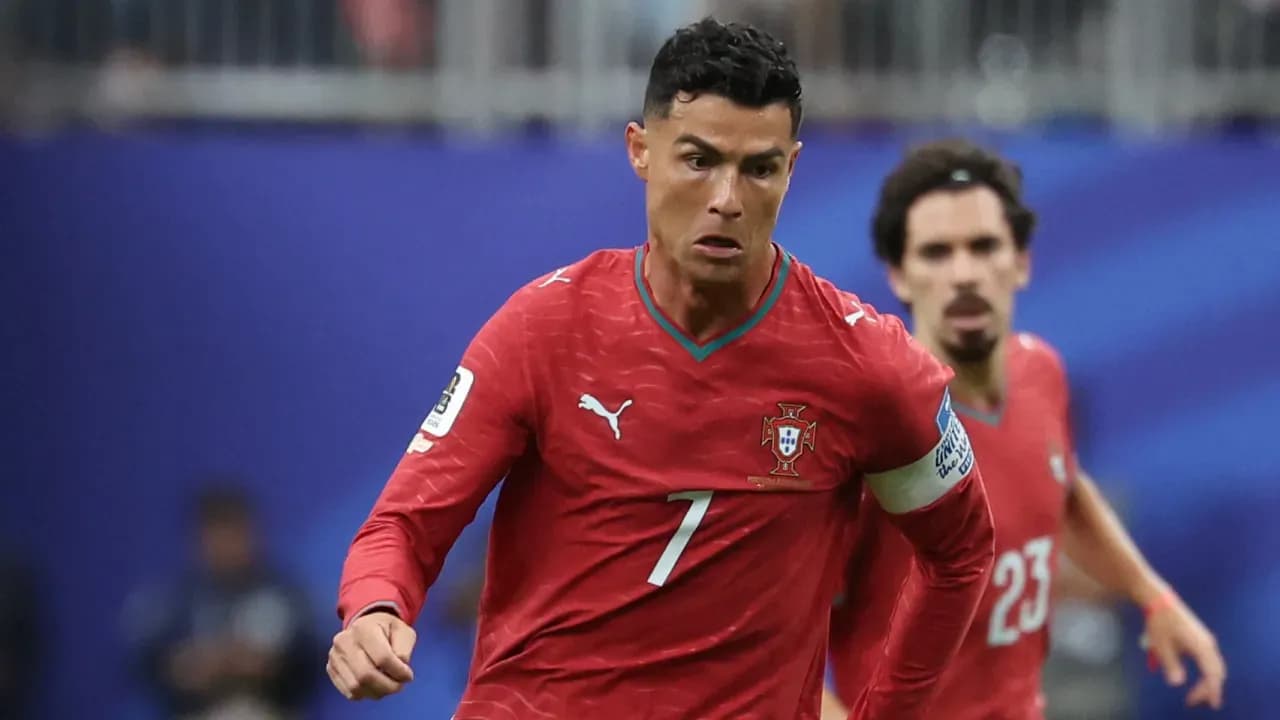
Portugal Announces Squad for 2026 UEFA Nations League; Cristiano Ronaldo Expected to Play
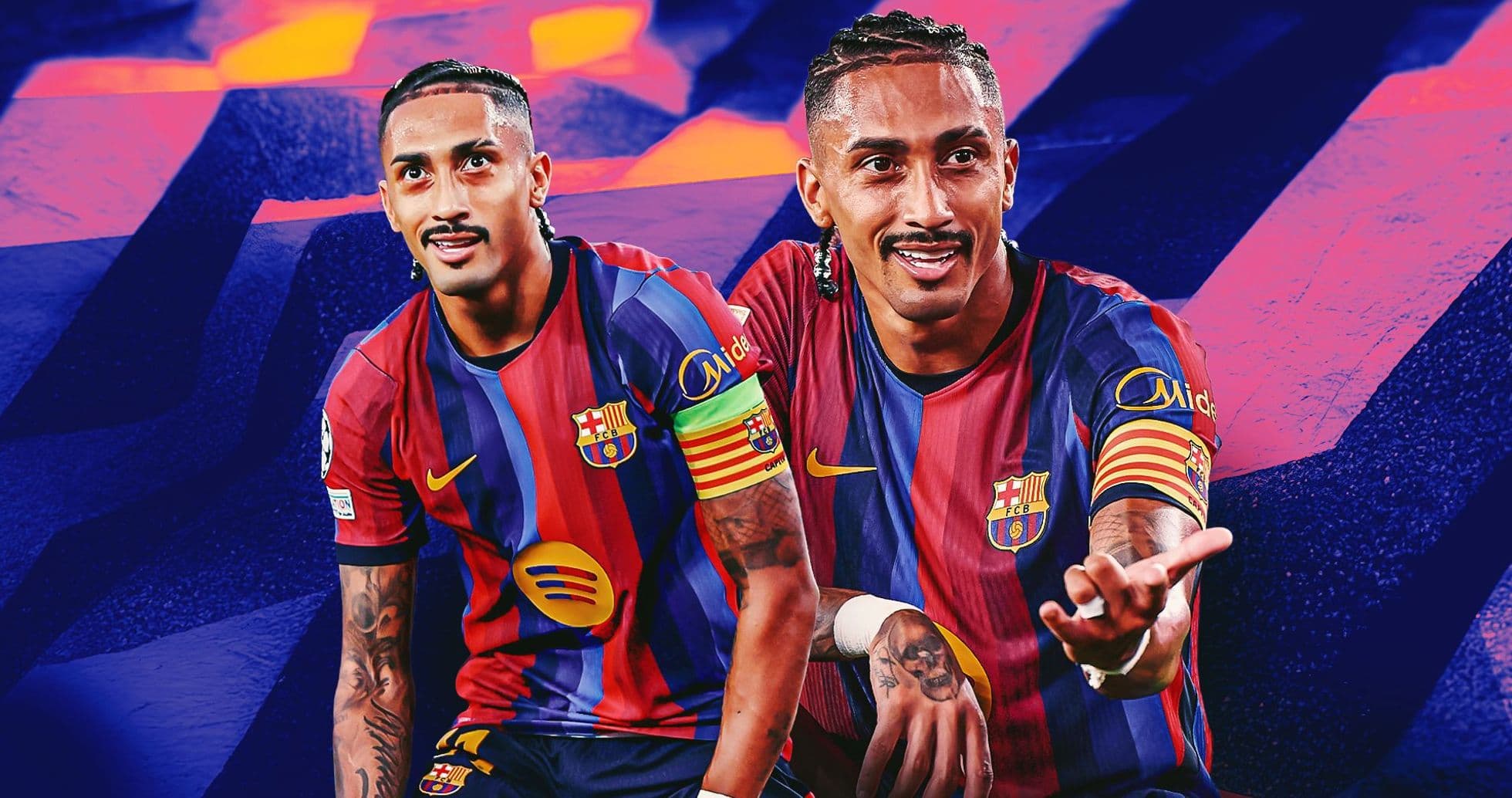
Raphinha Channels Ronaldo Nazario as Barcelona's Leading Striker After Position Change