
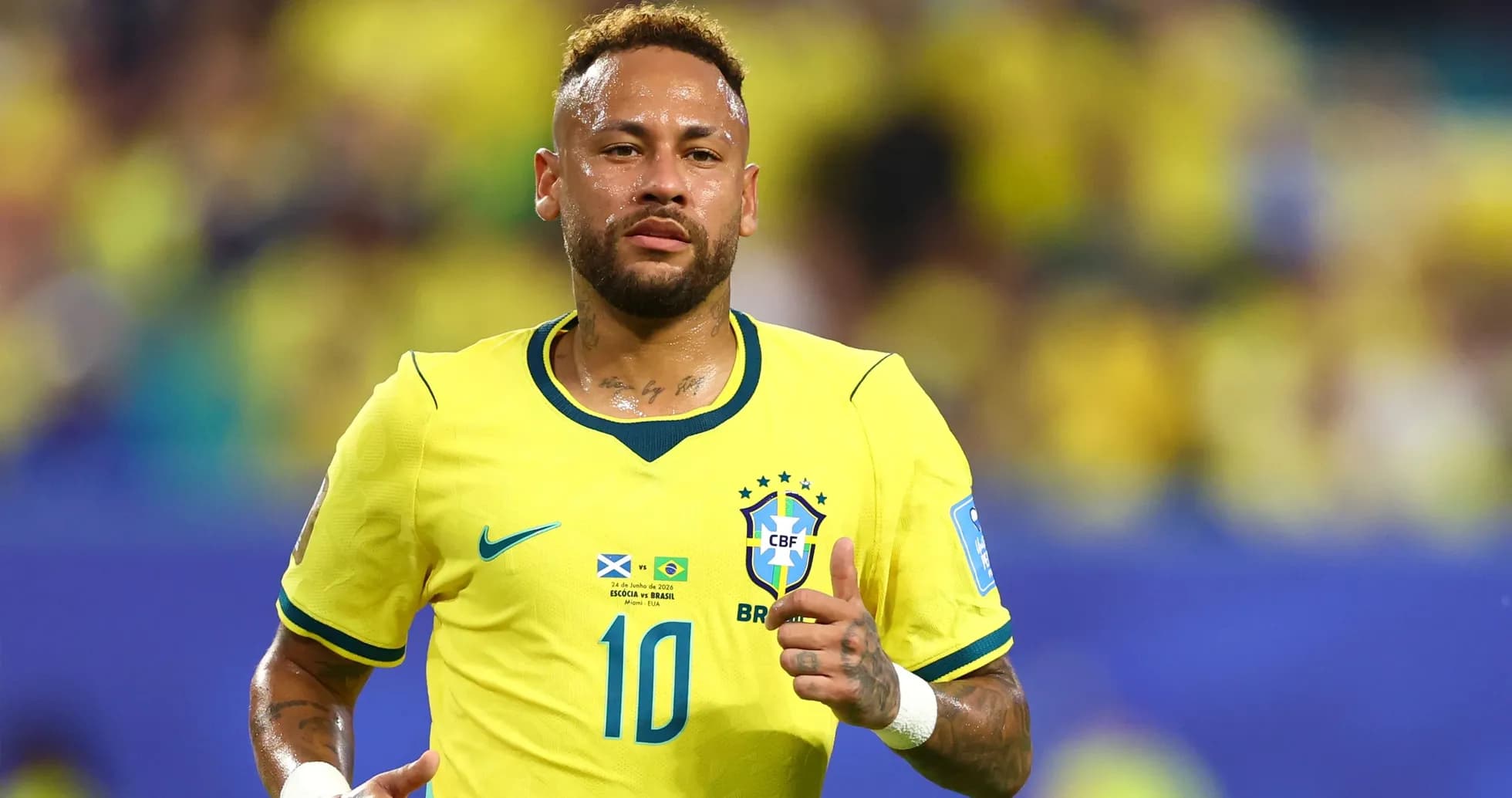
Neymar's Journey Back to World Cup: A Crucial Moment
Neymar’s long road back to the World Cup spotlight reaches its first real crossroads on Monday. The shirt is the same, the number is the same, the expectations are the same. The body is not.
For Brazil, the round of 32 against Japan is about survival. For Neymar, it is about calibration.
A star returns, but on a timer
The journey has been brutal. A serious knee injury in October 2023, a calf problem that ruled him out of the opening games against Morocco and Haiti, and almost three years away from the national team. For a player who once seemed permanently attached to Brazil’s yellow shirt, the absence felt like an era.
His return finally came in the group-stage win over Scotland, a brief but symbolic appearance that sent a jolt through the Brazil fanbase. It wasn’t long, it wasn’t decisive, but it was enough. Enough to spark the old debate: if Neymar is fit, Neymar starts. Right?
Carlo Ancelotti is not biting.
The Brazil coach, a man who has seen enough careers derailed by impatience, cut through the noise with the calm of someone who has nothing to prove and everything to protect.
“Neymar has progressed very well. I think he improved a lot last week,” Ancelotti said. “It’s a shame he couldn’t train the whole time he was with us. He can play more than 15 minutes. He’s in good shape. But it depends a lot on the game context and how things develop.”
The message is clear. Neymar is back, but on the manager’s terms, not the public’s. The temptation to throw him in from the start will be strong; the risk, enormous. Brazil want his genius in the tournament’s defining moments, not just its first knockout hurdle.
Japan’s provocation and Brazil’s refusal to bite
If Neymar’s situation provides the emotional pull, Japan have supplied the edge.
Kento Shiogai, the 21-year-old Wolfsburg forward with just six minutes of football at this World Cup, lit the fuse in the buildup by hinting that Brazil may no longer be the force they once were. From a player on the fringes of his own squad, it was a bold swipe at a giant.
In tournaments like this, those comments usually ignite a war of words. Ancelotti declined the invitation.
“I won’t repeat what others say. We’re focused on the match, on the opponent’s qualities, on preparing well to avoid problems,” he said. “That’s what match preparation is about. We’re not doing what they call in England ‘mind games.’ How do you say it in Portuguese? Mind games. We’re not going there.”
No bulletin-board material. No public fury. Just a reminder that the real response, if it comes, will be delivered with the ball.
Brazil favourites, but scarred by Tokyo
On paper, Brazil enter as favourites. In reality, they enter with scars.
Japan are on a 10-game unbeaten run, a sequence that includes a 3-2 win over Brazil in Tokyo that still stings. That friendly last October was supposed to be routine. It was anything but.
Brazil led at half-time. They were in control. Then Japan flipped the script after the break, surging back to turn the game on its head. For the Samurai Blue, it was a statement. For Brazil, a warning that has not been forgotten.
Japan have carried that form into this World Cup. Second in Group F, they drew 2-2 with the Netherlands, crushed Tunisia 4-0, and then held Sweden to a 1-1 stalemate. Different opponents, same pattern: disciplined, organised, and ruthless when chances appear.
This is not a side that bows to reputation. They challenge it.
Managing risk, chasing reward
That is the context in which Ancelotti must decide how far to push Neymar.
He knows what the forward brings: gravity, fear, solutions when systems fail. He also knows the cost of one sprint too many, one reckless tackle, one twist of the knee that comes a month too soon.
So Neymar will likely start this tie as he ended the last one: on the bench, hovering over the game rather than dictating it from the opening whistle. A weapon to be deployed when the rhythm demands it, not simply because his name is on the teamsheet.
The coach has already framed the decision. Neymar can play more than 15 minutes, he insisted, but how much more will be dictated by the match itself. If Brazil impose themselves early, the temptation may be to keep the minutes low and the risk lower. If Japan turn it into another Tokyo-style scrap, the call becomes harder, and the stakes higher.
Brazil arrive as favourites. Japan arrive as a problem. Somewhere between those two truths, Neymar waits, taped and ready, for the moment when caution and necessity finally collide.
Related News

Raphinha’s Hat-Trick Powers Barcelona to 7-2 Victory Over Racing Santander
Carabao Cup Fourth Round Draw: Liverpool Set to Clash with Chelsea, Arsenal to Face Fleetwood Town
Key Football Matches to Watch in Azerbaijan This Autumn
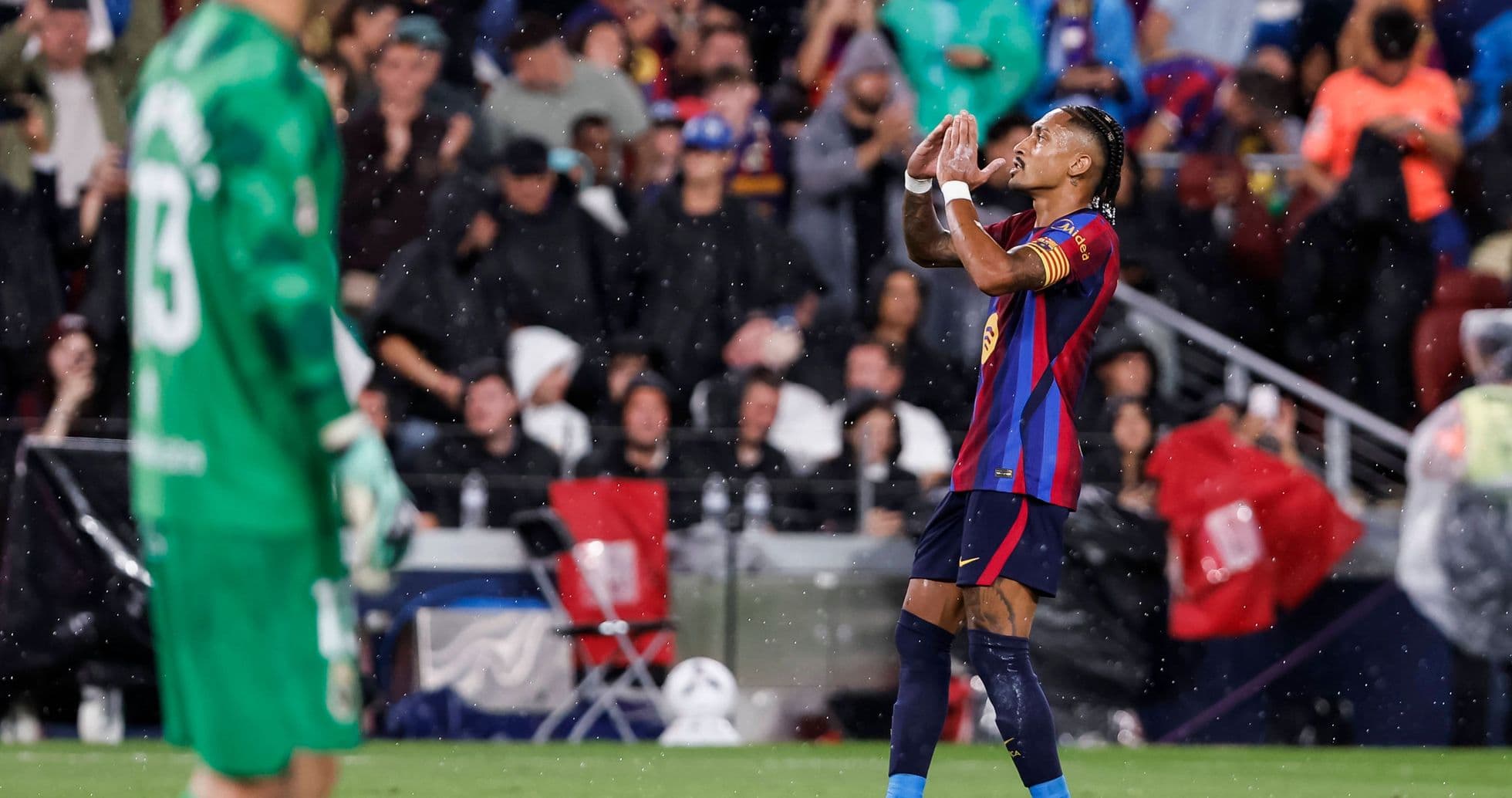
Raphinha's Hat-Trick Drives Barcelona to 7-2 Triumph Over Racing Santander
Hansi Flick Leads Barcelona to Record-Breaking Seven Wins in a Row
Gavi Reflects on Injury Return as Barcelona Dominate Racing Santander 7-2