
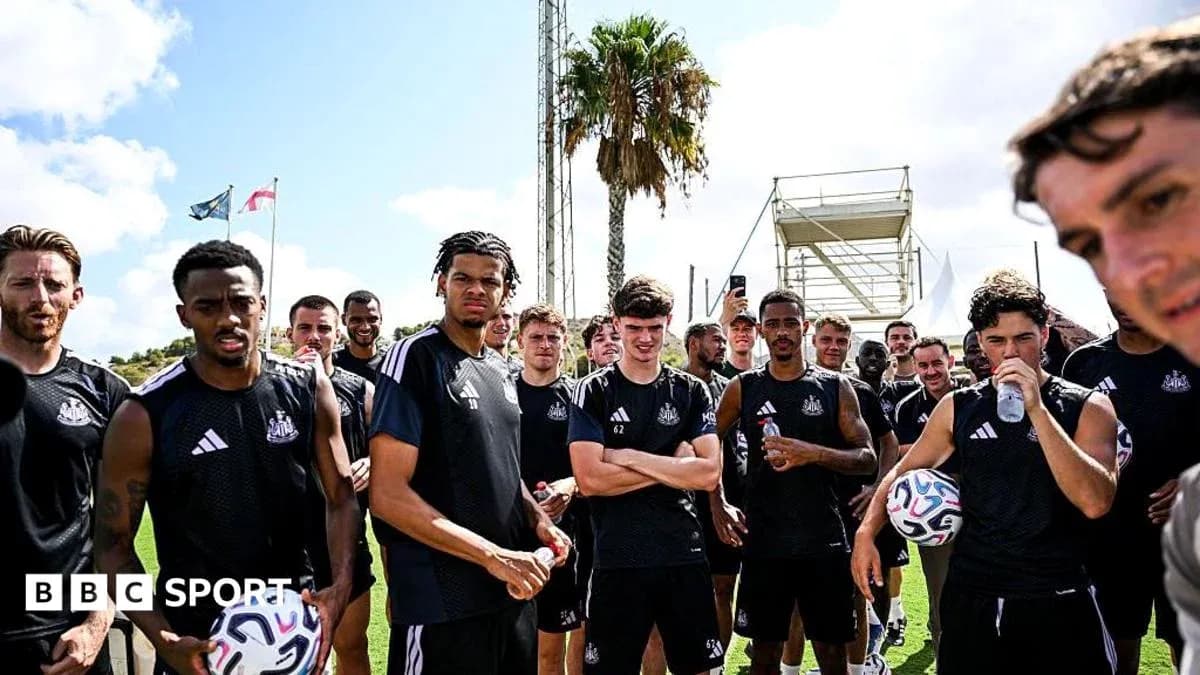
Newcastle United Faces New Reality After Howe's Departure
An era was slipping away at Newcastle United, almost unnoticed.
On the flight home from a 4-1 pre-season defeat at Bristol City, Eddie Howe sat hunched over a screen, replaying the damage. A dead rubber at Ashton Gate for most, but not for the coach who had dragged Newcastle back to silverware and relevance. Even in the final hours of his reign, he was still searching for fixes in a friendly that barely registered outside the dressing room.
By the following morning, the truth was out. A drained Howe had stepped down. He had told the hierarchy weeks earlier he wanted to go, then agreed to stay on until a replacement was lined up. The public announcement felt sudden. Inside the club, the next cycle had already started.
A club forced into a new reality
The trigger was not just fatigue in the dugout. Last summer’s damaging transfer window, followed by a bruising domestic campaign and a breach of Uefa’s financial rules, forced Newcastle to redraw the blueprint.
The club has pivoted sharply: younger players from the continent, a beefed-up data operation, and a clear trading model. Not a choice. A necessity under a restrictive settlement that punishes missteps in the market.
The cost has been emotional as well as financial. Sandro Tonali’s move to Tottenham Hotspur and Anthony Gordon’s switch to Barcelona were reluctantly accepted as the price of reinvestment. Bruno Guimaraes heading to Arsenal was never part of the script, yet that exit is now looming too.
The pain has not even brought every prize they wanted. Spain winger Victor Munoz chose Liverpool. Switzerland midfielder Johan Manzambi went to Aston Villa. Newcastle’s new reality is one where they cannot always win the auction.
Still, five fresh faces have arrived: goalkeepers Lukas Hornicek and Ewen Jaouen, midfielders Aladji Bamba and Sean Steur, and forward Bazoumana Toure. Intriguing, raw, and very much in line with the new strategy. Sporting director Ross Wilson knows it is only a start.
“We have to build a model here that can compete, can win,” he said. “But also one that works for us and doesn’t lead us to have to sell players we don’t want to sell and lead to Uefa sanctions.”
The message is clear: talent in, talent out, but on Newcastle’s terms, not under duress.
Enter Jaissle, at full speed
Into this shifting landscape steps Matthias Jaissle, a 38-year-old with a stopwatch around his neck and Red Bull Salzburg on his CV.
His arrival has been anything but gentle. Newcastle’s Premier League opener against Liverpool on 23 August is racing towards them, and Jaissle only left Al-Ahli to join the club at their pre-season camp in Spain last weekend. Performance director James Bunce likened the whirlwind introduction to speed dating. Every moment counts. Every conversation has to land.
The players have felt that urgency. Training always spikes when a new manager walks through the door, but this has been something else. Double sessions. Relentless drills. The intensity has been described as “off the charts”.
For Jaissle, that is non-negotiable. He wants players to train exactly as he expects them to play: aggressive, front-foot, unforgiving. At Salzburg, where he won back-to-back titles and reached the Champions League last 16, his side led the Austrian league for high turnovers per game (9.8) and possession won in the final third (5.6) per match. They hunted the ball, then hurt you with it.
At Al-Ahli, the numbers stayed fierce. His team produced 8.2 high turnovers per game and won 47.6 duels per match, even as he tweaked the style to fit a different squad and delivered successive Asian Champions League titles. The principles remained: vertical football, backed by a solid defensive core.
That balance will define his Newcastle tenure. No surprise, then, that he has already hammered home the importance of clean sheets. One particular session left players gasping, drained by repeated recovery runs demanded by a coach who sees transition moments as a battleground, not a detail.
By Thursday, he read the room. Legs were heavy, minds tired. Training was dialled back. The stopwatch stayed around his neck, but the volume dropped a notch.
Standards, staff and a stopwatch
Jaissle presents one face in front of the cameras: calm, measured, almost understated. On the training pitch, he is a different figure entirely. He storms through drills, physically shifting his own coaches into position to demonstrate what he wants, how fast he wants it, how often it must be repeated.
He has not come alone. Assistants Alexander Hauser, Engin Yanova and Florens Koch have followed him in, along with coach analysts Maximilian Fischer and Steffen Konrad, and goalkeeping coach Alexander Bade. It is a familiar inner circle, plugged into a new club.
But Jaissle’s first address made something else clear: this is not a takeover by an outside clique. Those already at Newcastle have been told, bluntly, to “raise the standards”. The existing staff are not passengers. They are part of the engine.
Behind the scenes, the work has been relentless. Liverpool, under Andoni Iraola, have had more time to absorb their own managerial change. Newcastle are playing catch-up, so analysts and coaches have been working into the early hours, building game plans and opposition profiles at high speed.
Saturday’s friendly against Valencia at the Mestalla will close Jaissle’s first week in charge. It is only a pre-season fixture, but for a squad learning a new language of football, it is another live test under a coach who values data, detail and drive.
A young squad, a harder edge
The new signings are already being dragged into the deep end. Lukas Hornicek, the Czech Republic goalkeeper, arrived from Braga for £25.7m less than a week ago and has been thrown into an accelerated course on Premier League set-plays.
He is being schooled on the aerial chaos that awaits: bigger bodies, heavier contact, crowds of players crashing into his space. It is a different world from Portugal. The question hangs in the air: is he ready?
“For sure,” Hornicek replied. No hesitation. No caveats.
That attitude will be essential. Newcastle’s squad is getting younger, hungrier, but also more exposed. The safety net of established stars has been loosened by sales and financial constraints. There is less margin for error, more demand for resilience.
Jaissle’s track record suggests he can shape that raw material. Howe’s legacy is a club that believes it should be competing, not just surviving. The German inherits that expectation along with the stopwatch and the sanctions.
The era that ended on a quiet flight home from Bristol has already given way to something harsher, faster, more uncertain. The question now is simple: can this new Newcastle, stripped back and retooled, run hard enough to keep up with the ambitions that Howe helped awaken?
Related News
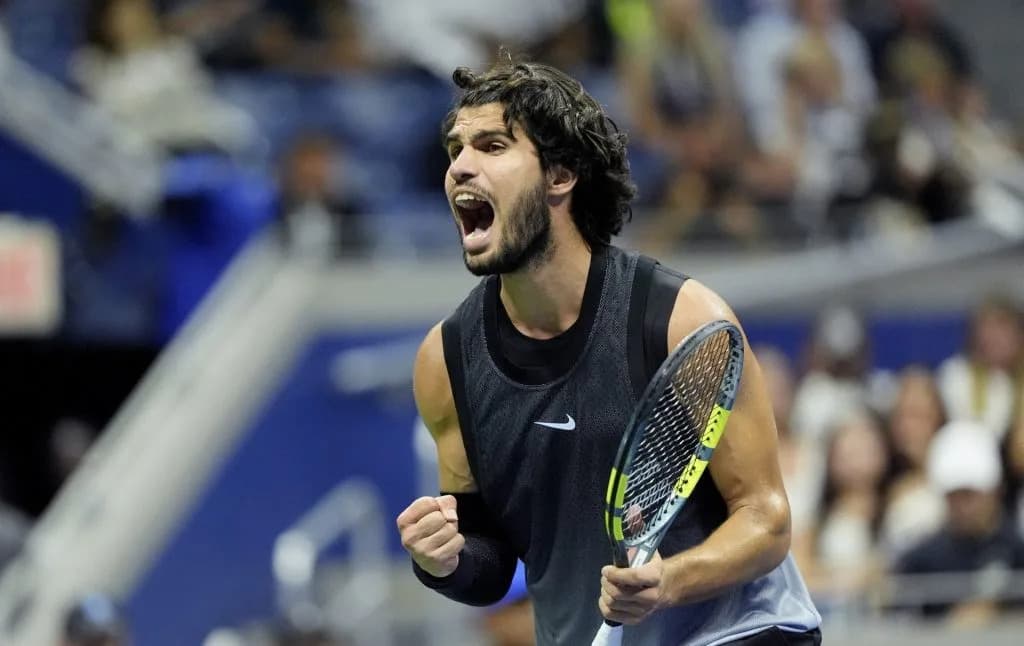
Carlos Alcaraz Urges Tennis Organizers to Stop Matches Finishing in the Early Morning
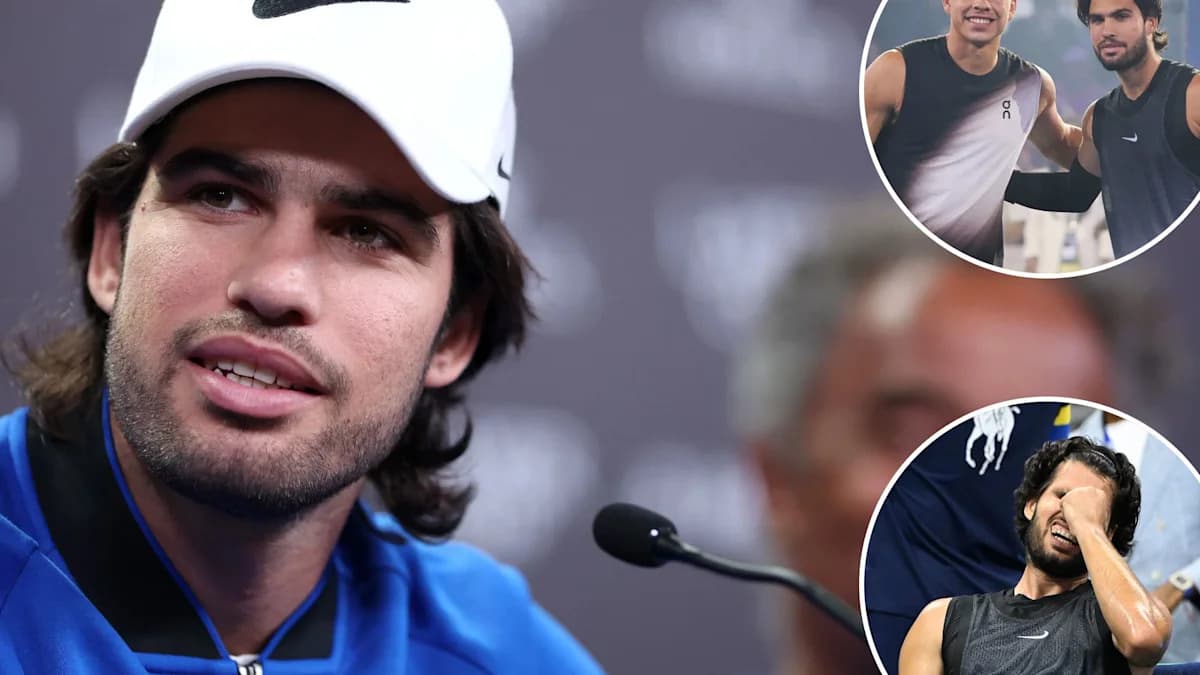
Carlos Alcaraz Frustrated by 3:30 a.m. US Open Finish: 'Too Much'
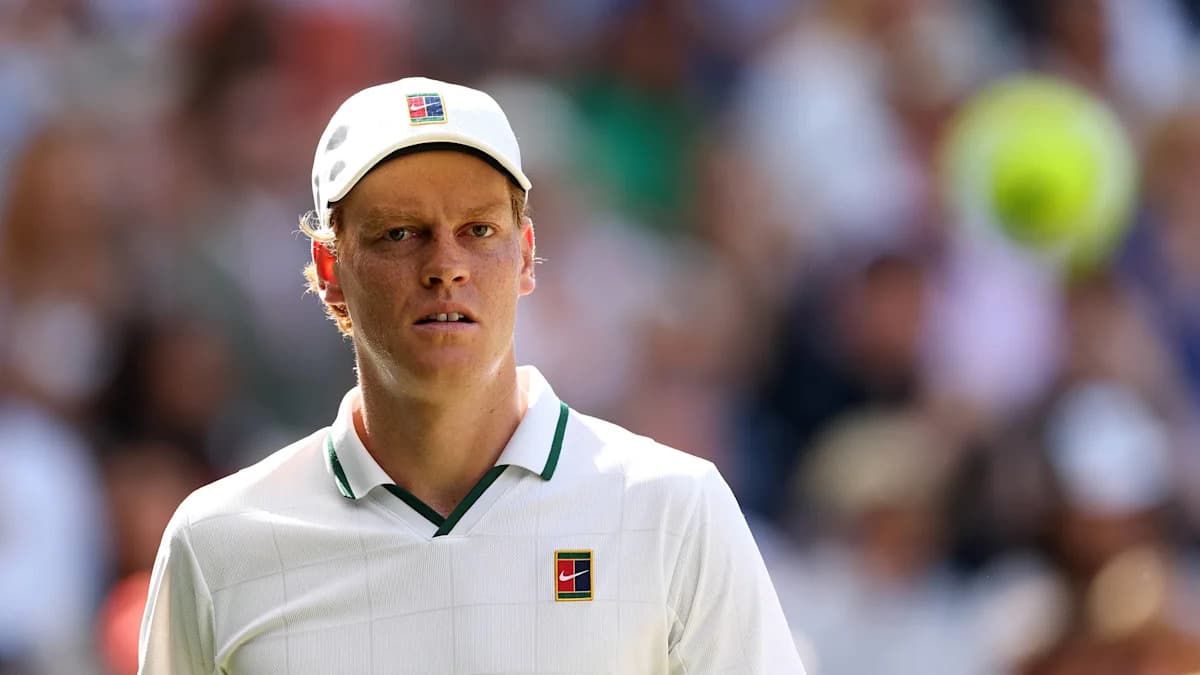
Jannik Sinner Set for ATP 500 Return in Beijing with Novak Djokovic Also Competing
Meet Iva Jovic: The Rising American Tennis Talent
Flavio Cobolli Shares Insights on Training with Jannik Sinner Ahead of His Tennis Return
Till vs Romero: Fight Details, Undercard, and Viewing Info for This Weekend