
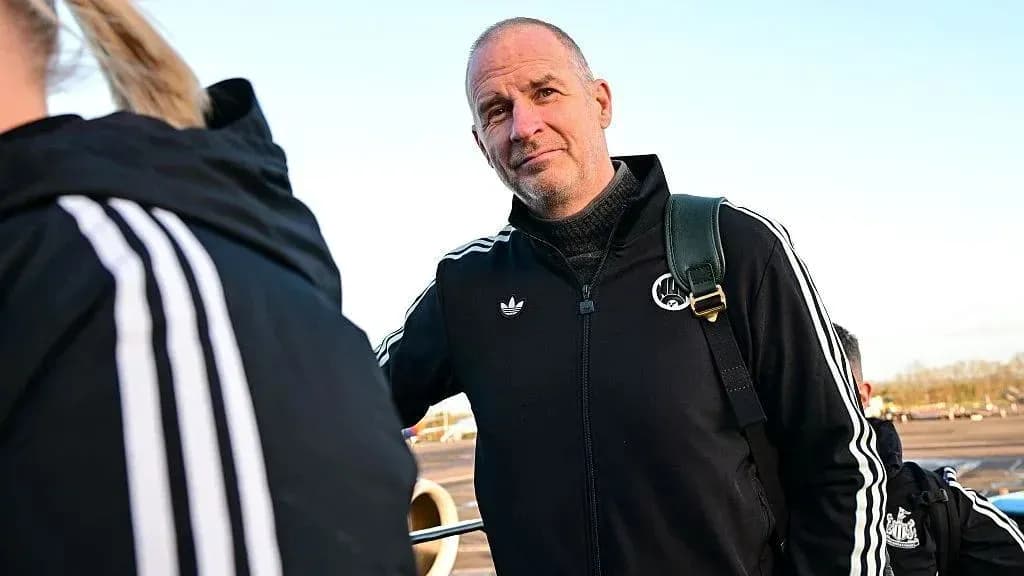
Newcastle United's 2030 Superclub Dream Faces Summer Challenges
The message from St James’ Park last winter was unambiguous. By 2030, Newcastle United wanted to be “in the debate about being the top club in the world”, “perennial contenders” hunting the game’s biggest prizes. It was a bold, swaggering vision laid out by chief executive David Hopkinson in December 2025.
Eight months on, that manifesto is colliding with a very different reality.
This summer has ripped through the spine of the squad. Sandro Tonali has gone. Anthony Gordon has gone. Captain Bruno Guimaraes, the emotional heartbeat of the side, looks likely to follow. For a club that talked openly about joining football’s elite within five years, the timing and scale of the upheaval feels jarring.
BBC Sport’s Newcastle United reporter Ciaran Kelly did not sugar-coat it when he spoke on BBC Radio 5 Live’s Football Daily podcast. There will, he said, “have to be a change” in Hopkinson’s 2030 ambition.
The point is simple. You cannot lose that many key players in a single window and pretend the trajectory remains untouched.
Kelly expects the next public appearance from Hopkinson and the sporting director to be revealing. Not about the size of the dream, but about its pace and realism.
“I think it will be really interesting when we next hear from the chief executive and the sporting director about readjusting expectations,” he said, underlining the gap between the glossy long-term plan and the immediate, gritty work now facing the club.
Newcastle are not just replacing names on a teamsheet. They are leaning heavily into youth, and that carries its own risks in the Premier League’s unforgiving environment.
“Realistically, if you're losing that many key players, there has to be a recognition that these young players will take time to adapt to the Premier League, the physicality and intensity of it,” Kelly said. He pointed out that even seasoned professionals can struggle with that step up. Young signings, however talented, are rarely plug-and-play solutions.
“These young players have a lot of potential,” he added, “but they are going to need time and a lot of work on the training pitches.”
Time, though, is in short supply.
A new manager is walking into this storm with the season fast approaching. The first game? Liverpool. Less than three weeks away. That is not a gentle introduction; it is a stress test.
“Let's not forget a new manager is coming in and it’s less than three weeks before the first game of the season against Liverpool,” Kelly reminded. One window. Major exits. A fresh face in the dugout. A squad tilting younger. The scale of change is not subtle.
“It's been a lot of change in one window and it's going to take time for it to come together,” he said.
That is the crux. The club’s long-term rhetoric has met the short-term truth of a rebuild. Newcastle’s ownership still has resources, still has ambition, still talks the language of growth. But the idea of arriving at 2030 as the game’s dominant force now looks like a target that needs recalibrating, not just repeated.
“Certainly the idea that Newcastle by 2030 are the biggest club in the world – I think there is going to have to be a change overall,” Kelly concluded.
The dream has not died. It has been delayed, dented and dragged back towards the realities of the Premier League. The question for Newcastle now is not how loudly they talk about 2030, but how quickly this new-look side can survive, adapt and grow in 2026.
Related News
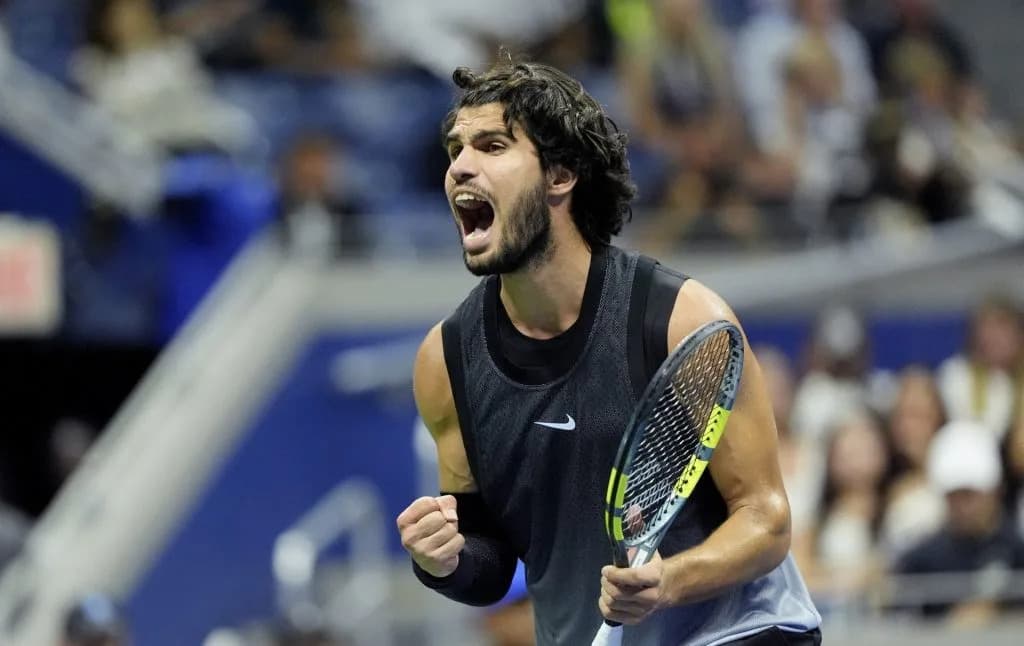
Carlos Alcaraz Urges Tennis Organizers to Stop Matches Finishing in the Early Morning
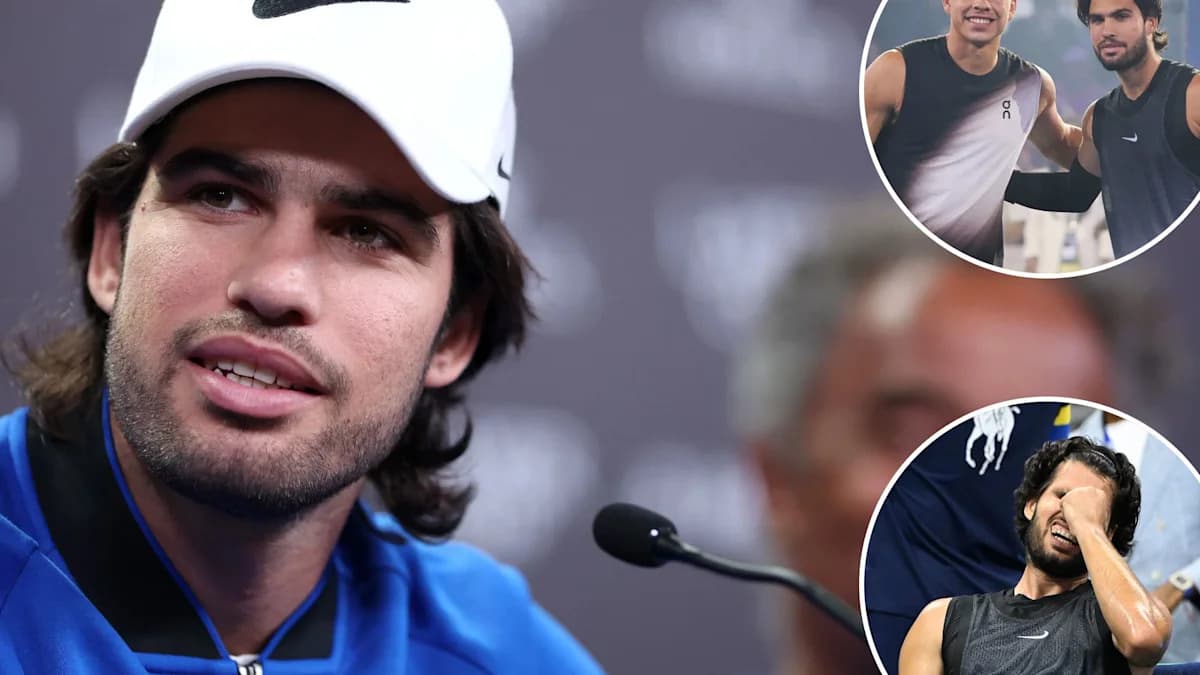
Carlos Alcaraz Frustrated by 3:30 a.m. US Open Finish: 'Too Much'
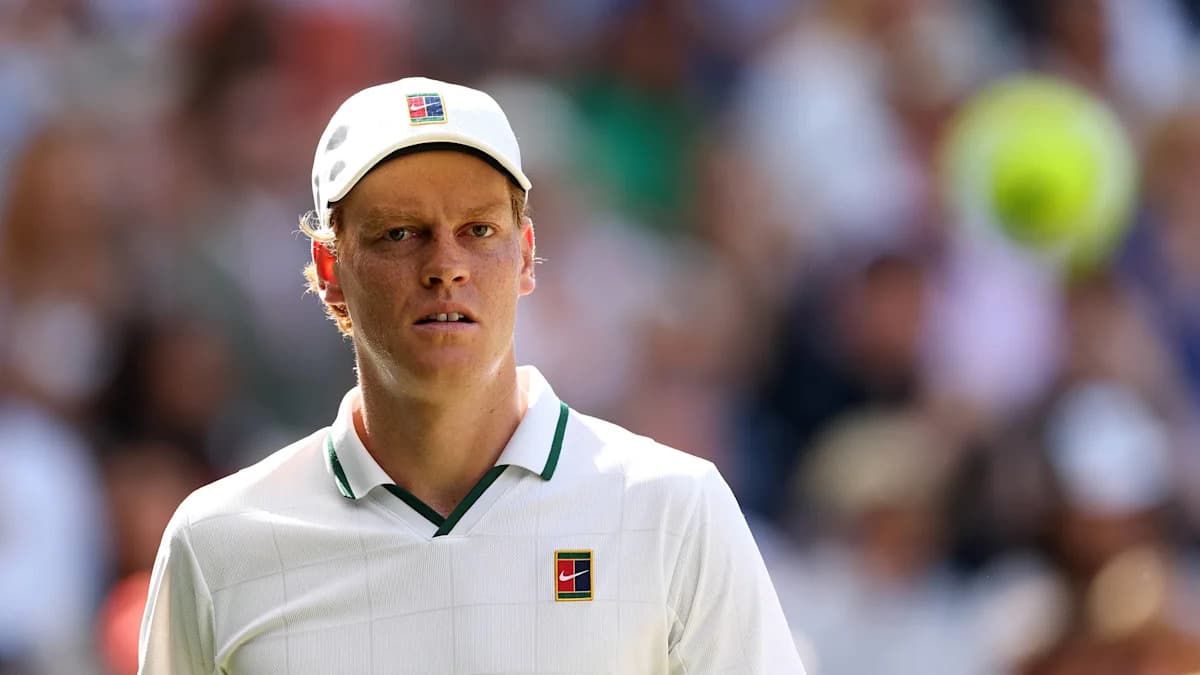
Jannik Sinner Set for ATP 500 Return in Beijing with Novak Djokovic Also Competing
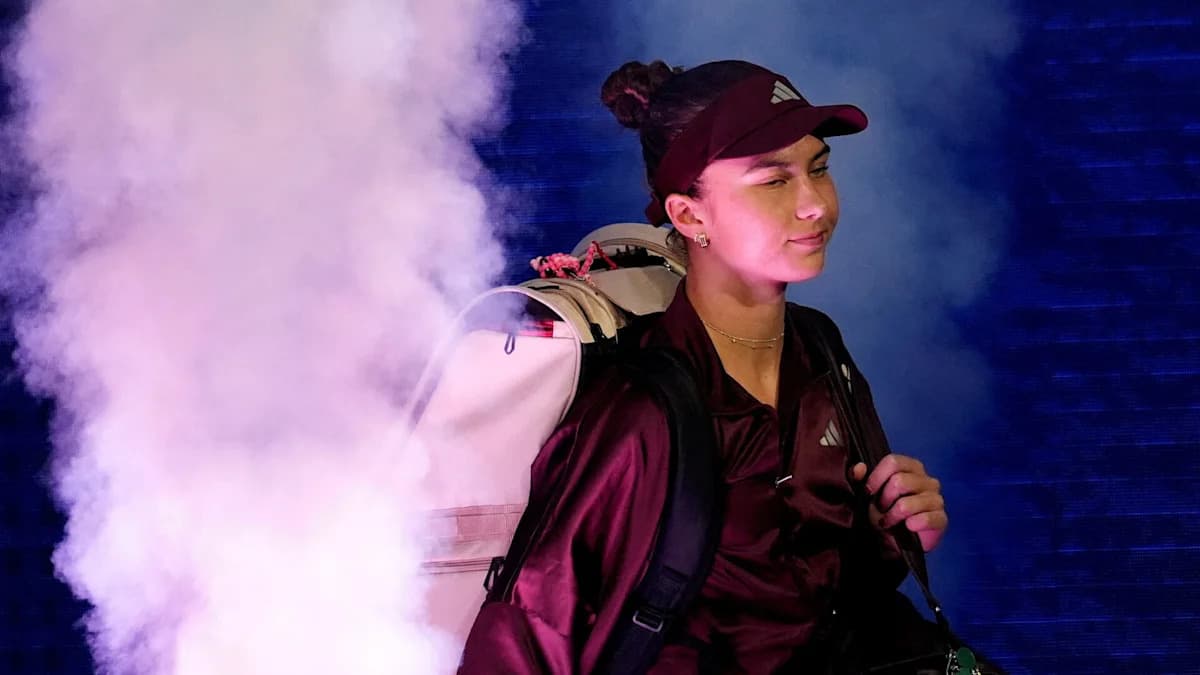
Meet Iva Jovic: The Rising American Tennis Talent
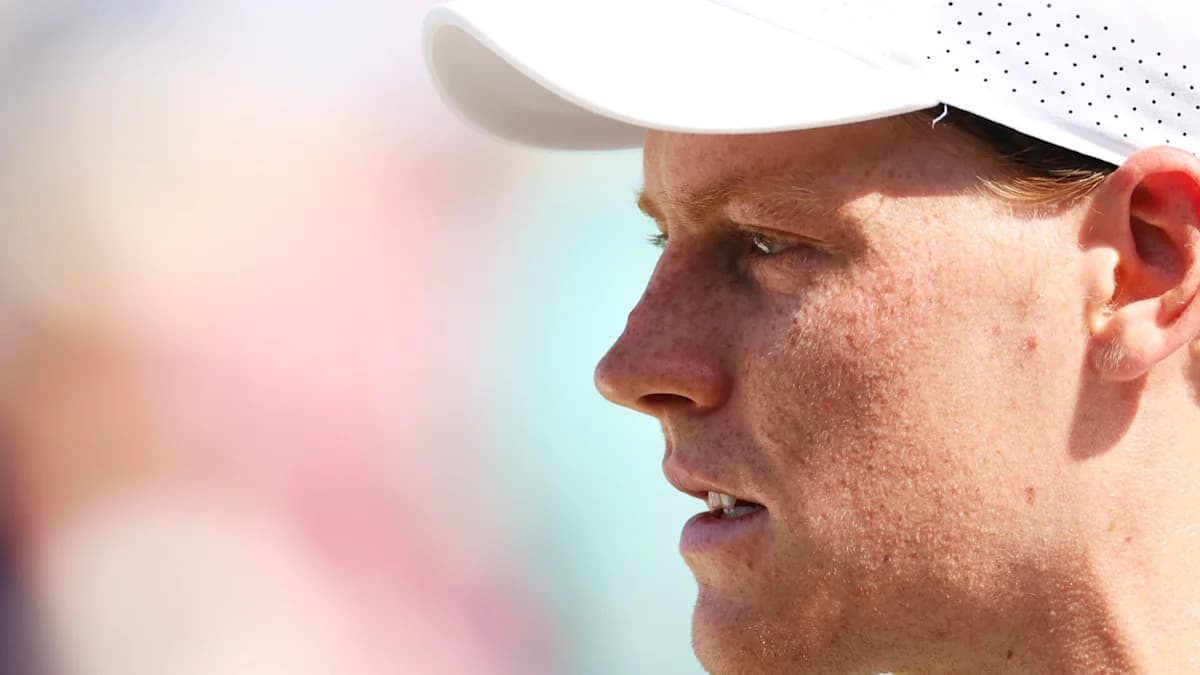
Flavio Cobolli Shares Insights on Training with Jannik Sinner Ahead of His Tennis Return
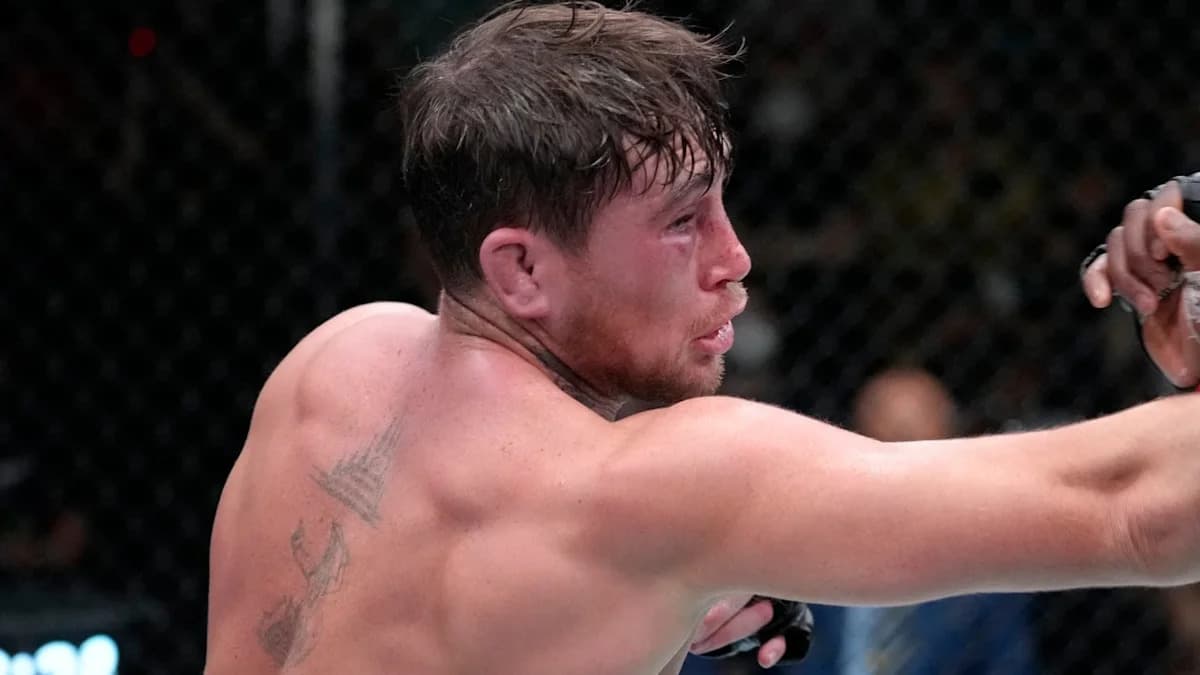
Till vs Romero: Fight Details, Undercard, and Viewing Info for This Weekend