
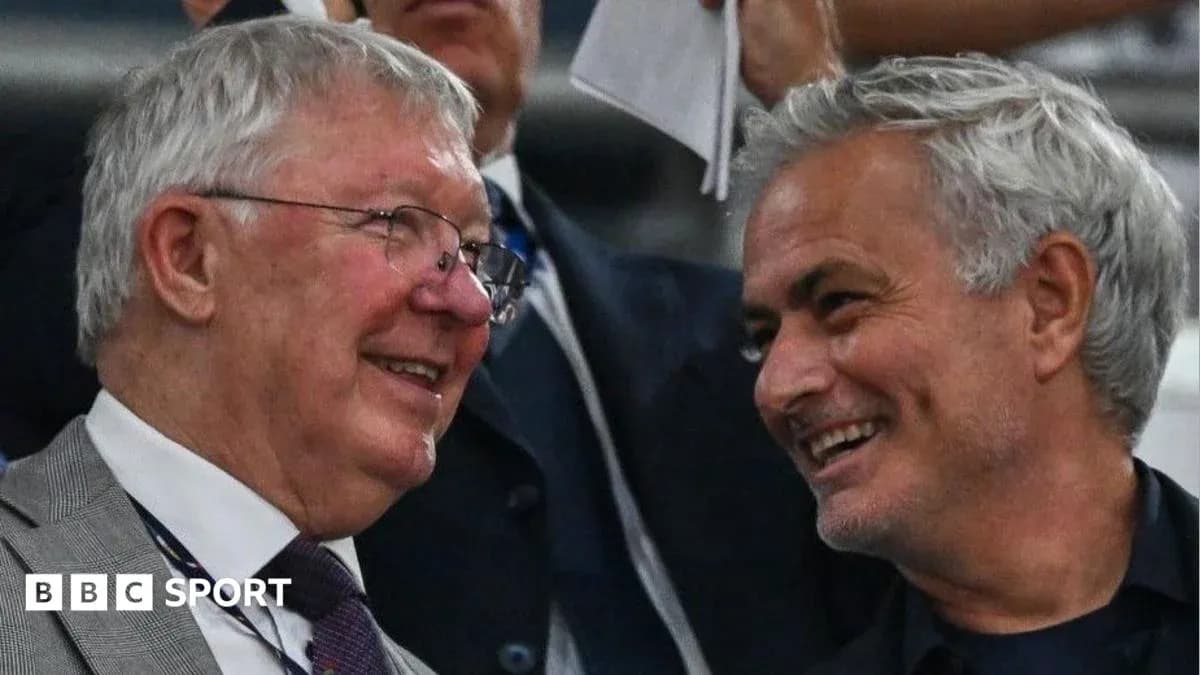
The Night Mourinho Cried: A Manchester United Turning Point
There is a moment, buried in Manchester United’s recent history, that still haunts people who were in the room.
It lasts only a few days. It changes everything.
The night Mourinho cried
In 2013, as Sir Alex Ferguson prepared to step away from the dugout he had ruled for more than a quarter of a century, Manchester United thought they had their succession plan nailed.
Jose Mourinho was supposed to walk through the door.
This wasn’t some vague flirtation. It was advanced. Meetings had been held in Madrid and London. Ferguson, who liked Mourinho and admired his work, had stunned the Portuguese by revealing he would retire at the end of the 2012-13 season. The conversation moved quickly from surprise to opportunity.
Talks accelerated. Terms were discussed. Agreement, insiders say, was reached.
Then it wasn’t.
Ferguson, in a new Netflix documentary on Mourinho’s career released on 11 August, lays out the pivotal phone call. One night, the United manager picked up to hear a broken voice on the other end. Mourinho, in tears.
“Alex, I can't take it,” he told him. “I've given my word to Chelsea and I'm not going to break my word.”
The decision reversal took days. The courtship had taken weeks.
For a short, heady spell, Manchester United believed Mourinho was theirs. Then the sliding door slammed shut.
A turning point that still stings
Inside Old Trafford, that moment is still viewed as a fork in the road.
Ferguson was leaving. So was David Gill, the highly respected chief executive who had been central to United’s modern era. The club were not simply replacing a manager; they were trying to redesign the entire football structure around someone who had effectively controlled everything on the playing side.
Mourinho, with his armour-plated self-belief and proven ability to handle pressure, looked built for that kind of transition. Senior figures believed he had the “broad shoulders” required to take the hit of following Ferguson, while helping to implement a new way of working behind the scenes.
When he chose Chelsea instead, the plan collapsed.
Pep Guardiola was already committed to Bayern Munich. United pivoted to David Moyes, the Everton manager who shared many of Ferguson’s values but none of his elite-level experience. They anointed him “The Chosen One”.
He just wasn’t.
The fall was brutal. From champions to seventh. From a side that had overperformed for their departing manager to a group that suddenly looked lost. Even the players have struggled, in hindsight, to explain how quickly it unravelled.
Inside the club, the lingering belief is simple: with Mourinho, that drop-off would not have been so steep.
The Mourinho that never was
Those close to the process are adamant about one thing: Mourinho would have attacked that first summer very differently.
Where Moyes hesitated in the transfer market, Mourinho would have driven it. Hard.
Thiago Alcantara’s move from Barcelona, which was agreed before it mysteriously drifted away, is cited as a prime example. Under Mourinho, those involved insist, that deal would have been completed.
The Marouane Fellaini saga is another scar. United ended up paying £27.5m for the Belgian on deadline day, having previously failed to trigger a cheaper release clause. The word from those who know Mourinho’s thinking is blunt: Fellaini would not have been signed.
Mourinho had already provided United with his views on a number of potential recruits, including Italy midfielder Daniele de Rossi. The sense is not just that he would have brought in the right players, but that he would have squeezed more out of the experienced core he was inheriting from Ferguson.
Everyone accepts now that no-one could have extracted more from that 2012-13 title-winning squad than Ferguson himself. They overperformed for him. But the subsequent collapse shocked even those inside the dressing room. The feeling persists that Mourinho’s presence, his confrontational edge and relentless demands, would have pushed them to a higher level for longer.
Instead, United watched him go back to Stamford Bridge.
When Mourinho finally arrived
Three years later, in 2016, Mourinho did walk into Old Trafford at last.
The context, though, had changed beyond recognition.
He replaced Louis van Gaal, who was sacked 48 hours after lifting the FA Cup with a win over Crystal Palace. The dressing room he inherited was nothing like the one he might have found in 2013. Of the 18 players who had started 10 or more Premier League games in Ferguson’s final title-winning season, only six – David de Gea, Phil Jones, Wayne Rooney, Chris Smalling, Michael Carrick and Antonio Valencia – did so under Mourinho in his first campaign.
Mourinho himself was different as well. He had returned to Chelsea and won another Premier League title, but his second spell ended in acrimony in December 2015, the club marooned in 16th place, a single point above the relegation zone.
His time at United splits opinion to this day.
On one hand, the record is strong. He delivered the Europa League and EFL Cup in his first season and secured Champions League qualification twice. He calls his second-place finish in 2017-18, 19 points behind Manchester City, one of the best achievements of his career. The numbers back up the claim that he raised United’s level: the 81 points they collected that year remains, by some distance, their highest tally in the post-Ferguson Premier League era.
On the other hand, the familiar storm clouds rolled in. Mourinho clashed with players, most notably record signing Paul Pogba. He complained publicly about the club’s failure to back him in the market, particularly over his desire to sell Anthony Martial. The football often felt joyless. When it ended, it ended badly.
He left behind trophies and turmoil.
The great “what if?”
Inside United, a conviction has hardened with time: Mourinho, in 2013, would have been a different proposition.
He would have arrived as the man to take on Ferguson’s legacy head-on, not as the latest firefighter in a club already scarred by missteps. His personality suggested he would have embraced the challenge of doing better than the Scot, not tiptoed around it. The aura of a serial winner, fresh from his peak years, might have given the dressing room a jolt just when it needed it most.
Instead, Ferguson’s final squad, already stretched to its limits, fell off a cliff under Moyes. The club stumbled through structural changes they had hoped to manage from a position of strength. The chance to fuse Ferguson’s departing authority with Mourinho’s ruthless ambition vanished with one late-night phone call.
In the documentary, Ferguson recounts Mourinho’s tears with clarity and a touch of disbelief. A manager he respected, a successor he thought he had secured, undone by a promise made to Chelsea and a pull back to London, where Mourinho’s family home and his relationship with Roman Abramovich both exerted their own gravity.
For United, it was a huge blow. A sliding doors moment that still shapes everything that followed.
Thirteen years on from that conversation, with the club still chasing the stability and certainty they once took for granted, the question lingers in the background of every new appointment and every false dawn.
What would Manchester United look like today if Jose Mourinho had walked in straight after Sir Alex Ferguson walked out?
Related News
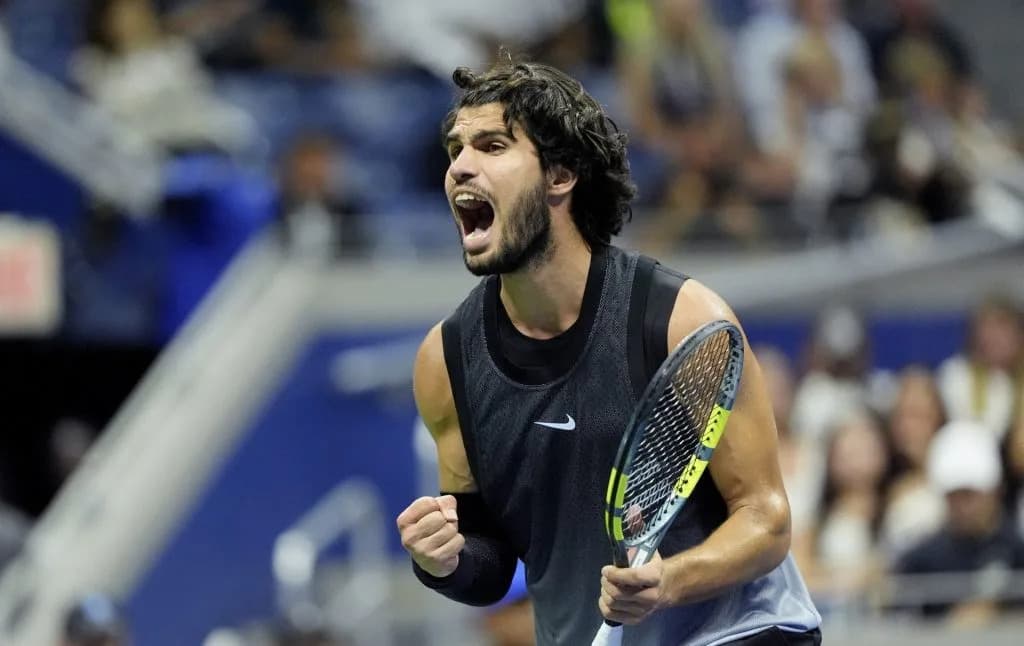
Carlos Alcaraz Urges Tennis Organizers to Stop Matches Finishing in the Early Morning
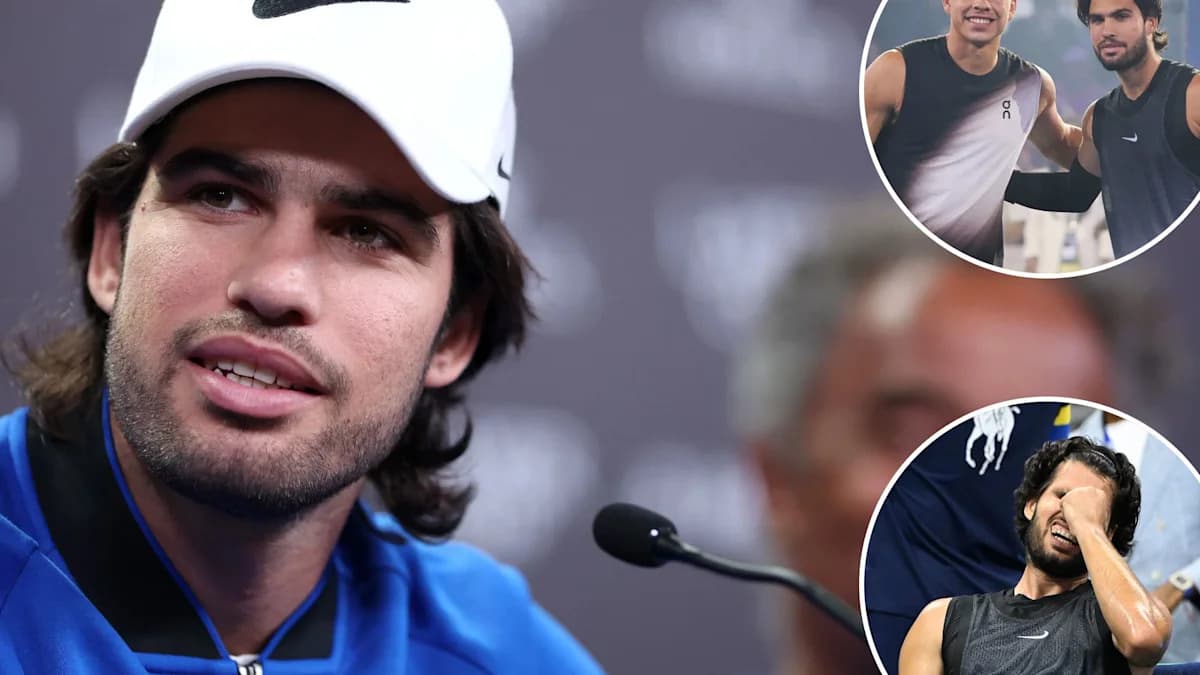
Carlos Alcaraz Frustrated by 3:30 a.m. US Open Finish: 'Too Much'
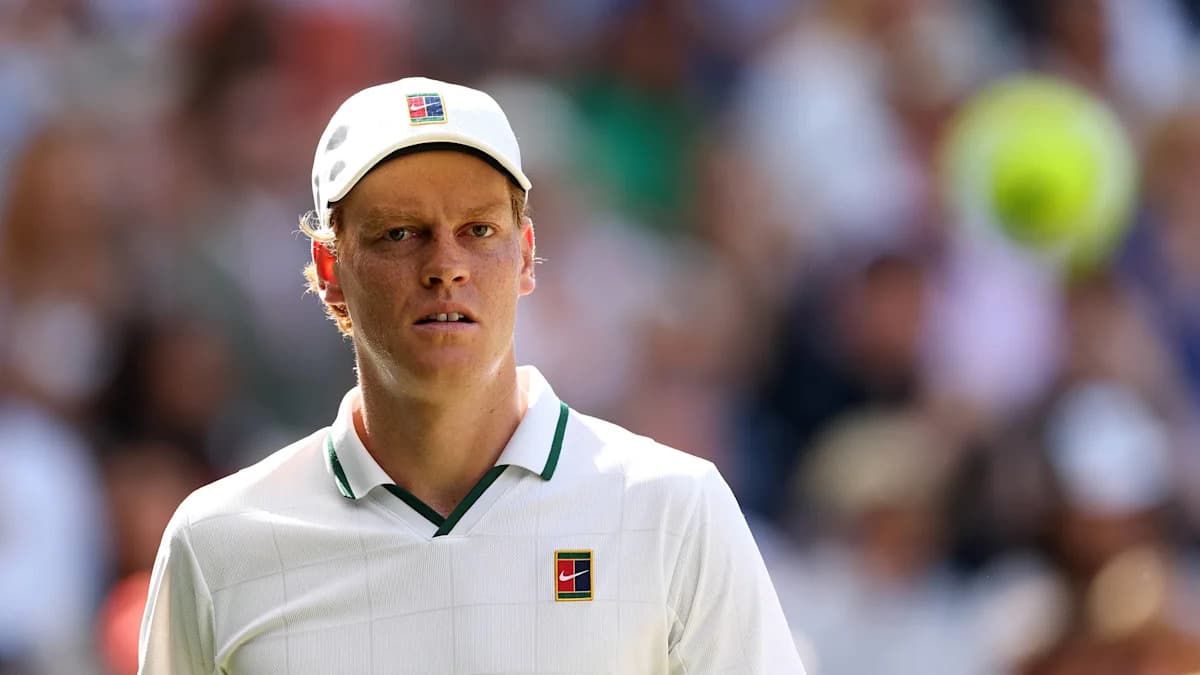
Jannik Sinner Set for ATP 500 Return in Beijing with Novak Djokovic Also Competing
Meet Iva Jovic: The Rising American Tennis Talent
Flavio Cobolli Shares Insights on Training with Jannik Sinner Ahead of His Tennis Return

Till vs Romero: Fight Details, Undercard, and Viewing Info for This Weekend