
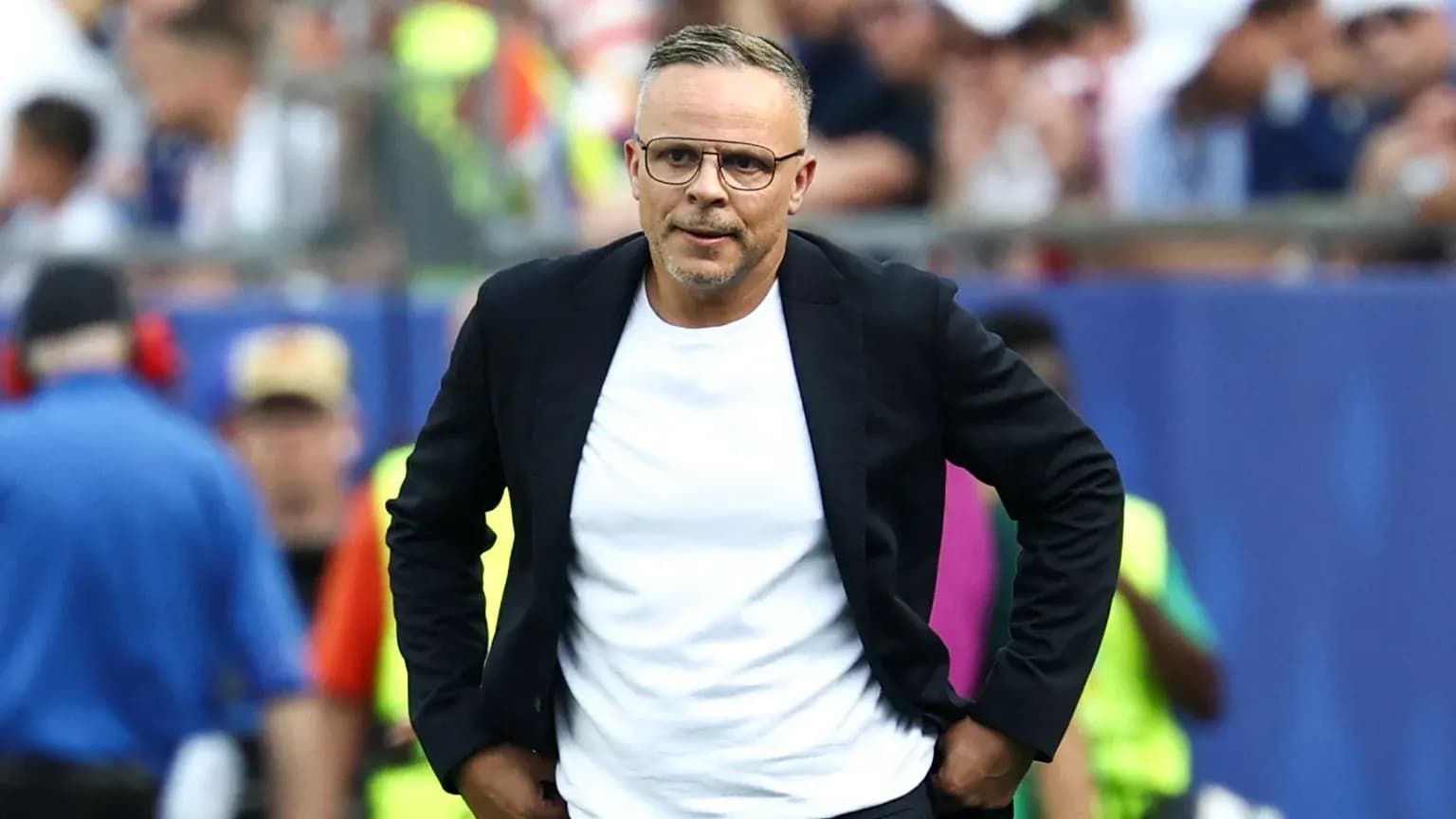
Morocco Coach Walid Ouahbi Reflects on Controversial France Opener
Walid Ouahbi walked away from an intense night of football convinced one moment had tilted the balance – France’s opener.
The Morocco coach was furious that referee Facundo Tello allowed the goal to stand, adamant that Adrien Rabiot had handled the ball in the build-up before Kylian Mbappe pounced and buried his finish.
Speaking to beIN Sports, Ouahbi described the flashpoint as a sequence that confused players on the pitch as much as those watching. “The goal came from a bit of a... shared ball, some people stopped because they saw a handball,” he said. “It was a handball, I don't know if it should have been called or not, I don't know.”
The sense of injustice was clear. Some Moroccan players had paused, expecting the whistle. It never came. France played on, Mbappe punished the hesitation, and Morocco were chasing the game from that instant.
Yet Ouahbi refused to let the controversy define the entire night. He turned quickly to the quality of the opposition, recognising that his side had been stretched to their limit by a French team that imposed itself early.
“We have to admit that we played against a very good team,” the 49-year-old said. “We suffered a lot in the first half, and Bounou made a great save on the penalty.”
That save from Yassine Bounou kept Morocco alive when the game threatened to run away from them. It became a turning point of a different kind. Morocco steadied, then started to grow.
The second half told a more encouraging story for Ouahbi. His team defended higher, passed with greater conviction and finally looked like they belonged at that level instead of clinging on.
“In the second half, we defended better and, above all, we were more composed with the ball. We were much better,” he said. “In the first half, it seemed like some players were catching their breath. We saw that these same players started the second half well.”
The physical toll showed late on. Legs tired, spaces opened, and the closing stages became a test of resilience as much as tactics. Morocco hung in, but the final whistle arrived with a familiar mix of pride and regret.
“It was tough at the end, but I believe we must continue to believe, to work,” Ouahbi insisted. “We must also continue to work on the basics, ensuring that when there are injuries, players who are less fresh, we can have a larger pool of players.”
That line cut to the heart of his long-term concern. Depth. Freshness. The ability to replace like-for-like when intensity spikes and injuries bite. Against a side stacked with options, Morocco’s thinner resources were exposed.
Yet there was no hint of surrender in his words.
“We will continue, we will not stop here,” he said. “We are very disappointed, we wanted more, but we have to accept it.”
A disputed goal, a furious bench, a goalkeeper’s save that kept the contest alive, and a second half that hinted at something more. Ouahbi left the pitch disappointed, yes — but also with a clear idea of what Morocco must become if they are to turn nights like this from hard lessons into landmark wins.
Related News
Ilia Topuria Accuses Justin Gaethje After UFC Defeat
Tyson Fury vs Anthony Joshua Fight Date and Venue Confirmed
Switzerland Calls Up In-Form Sion Striker Winsley Boteli for Nations League
Bournemouth Secures Historic 2-1 Win Over Real Sociedad in Spain
Portugal Announces Squad for 2026 UEFA Nations League; Cristiano Ronaldo Expected to Play
Raphinha Channels Ronaldo Nazario as Barcelona's Leading Striker After Position Change