
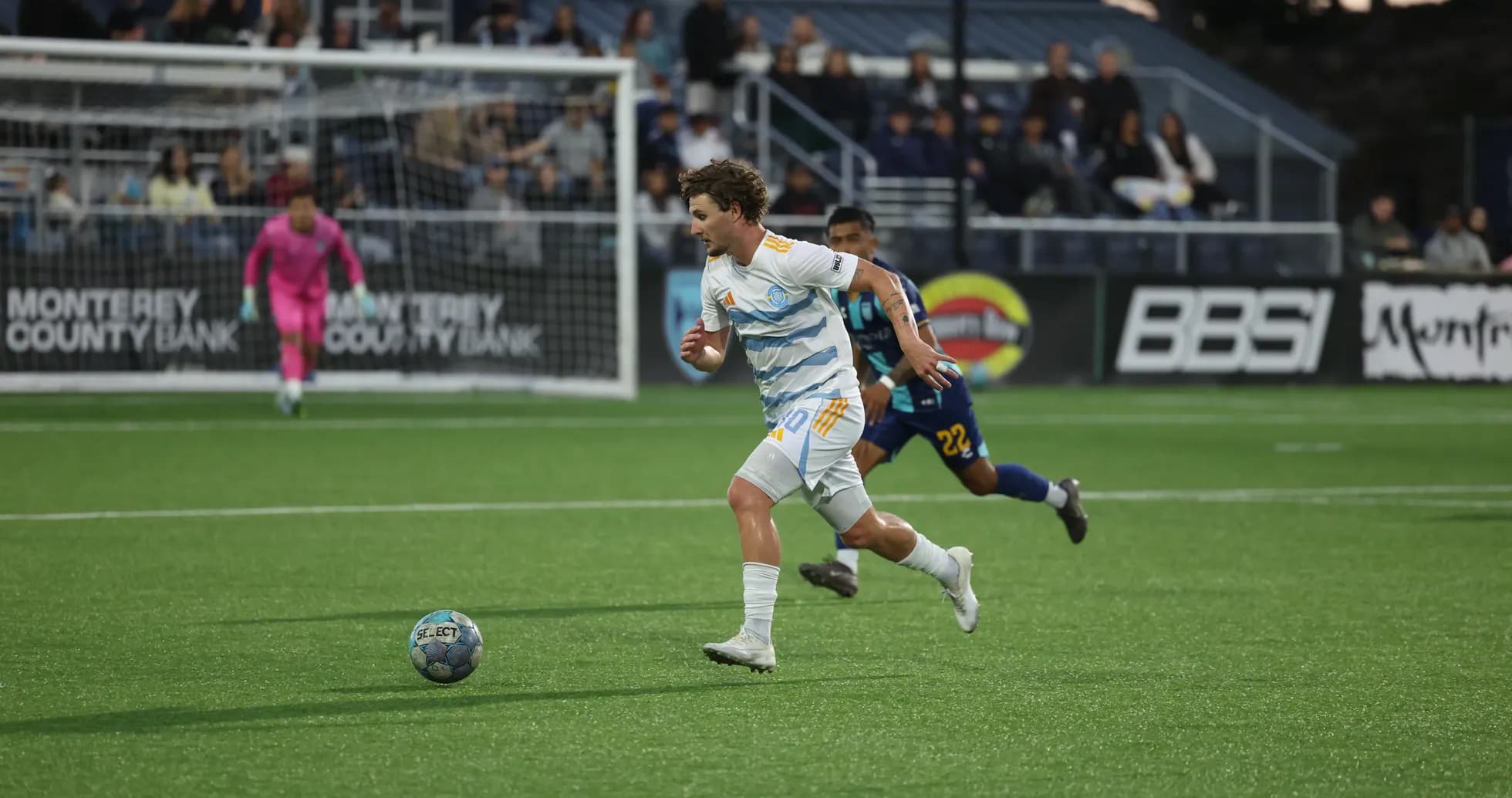
Monterey Bay Edges Sporting JAX 2–1 in USL Championship Clash
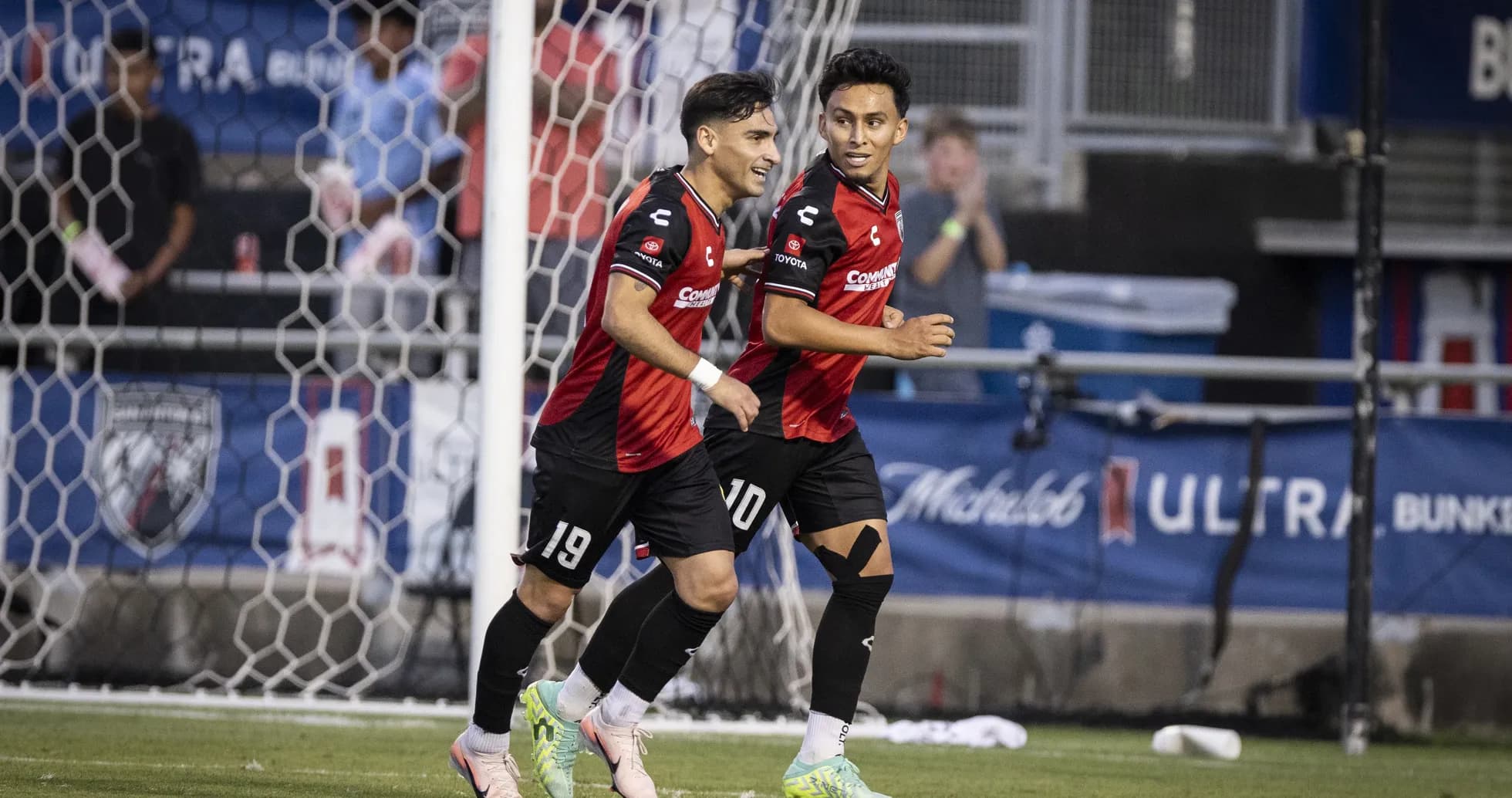
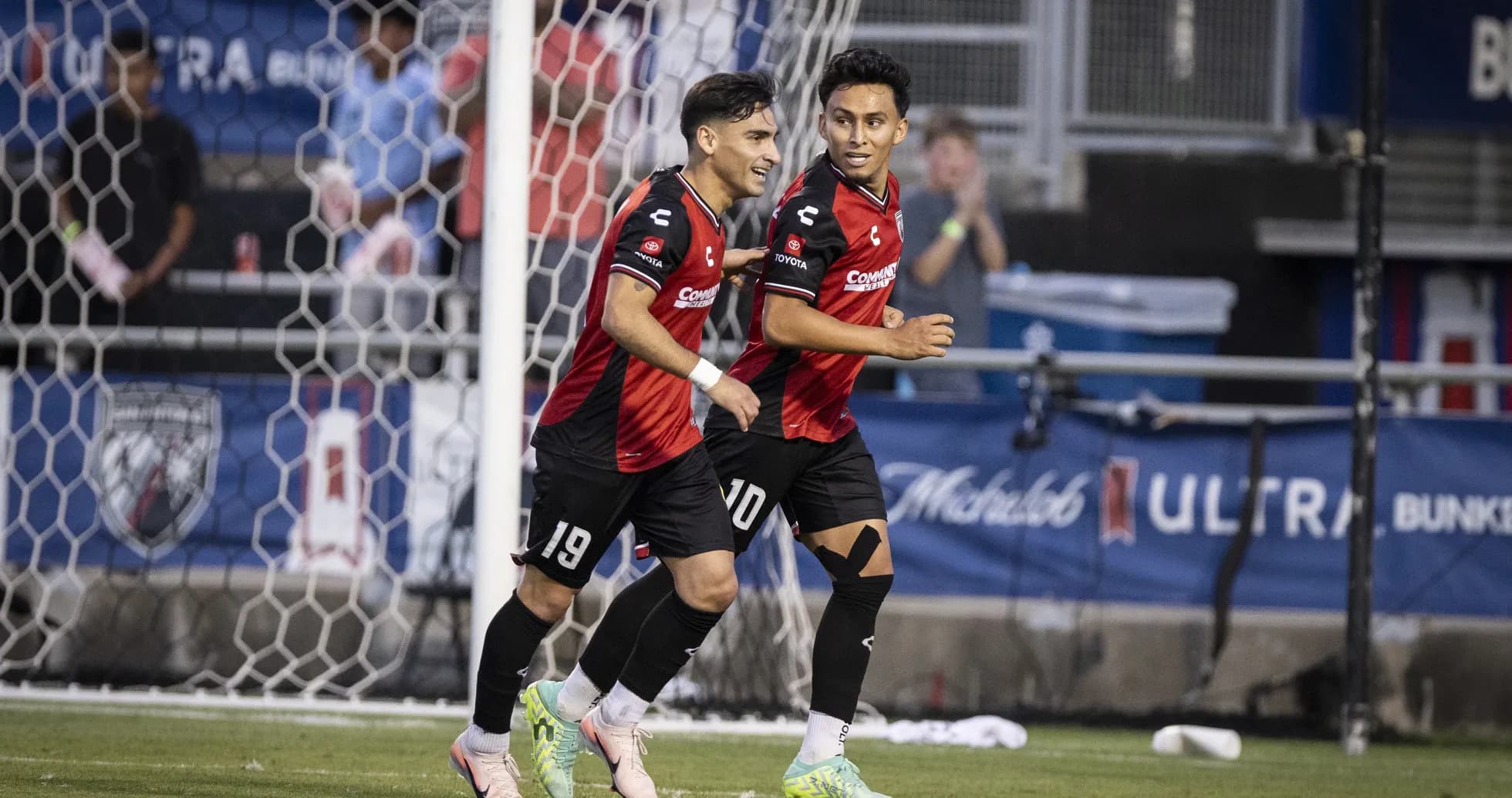
On a cool night at Cardinale Stadium, Monterey Bay edged Sporting JAX 2–1, a result that felt like a small but significant course correction in a turbulent USL Championship campaign. Following this result, the league table still paints both as strugglers in USL 1, but the trajectories now feel markedly different: Monterey Bay, 12th with 11 points and a goal difference of -7 overall, clinging to signs of life; Sporting JAX, 13th with 3 points and a goal difference of -15 overall, staring down a season defined by damage limitation.
The match itself mirrored their seasonal identities. Monterey Bay have been a quintessential home-dependent side: heading into this game they had 3 wins, 1 draw and 3 losses at home, scoring 9 and conceding 8 at Cardinale Stadium. On their travels they had yet to win. That split is echoed in their scoring rates — 1.3 goals at home versus 0.8 away — and underlines why this fixture, at this venue, was always going to be their platform.
Sporting JAX arrived as a team still searching for its first victory of the season after 12 matches, with 0 wins, 3 draws and 9 defeats overall. Their defensive record is stark: 28 goals conceded in total, split evenly between home and away, but with a particularly punishing away profile — 14 conceded in 7 away games, an average of 2.0 per trip. They score 0.7 goals away on average, enough to threaten but rarely to overwhelm. This 2–1 defeat in Monterey fits that pattern: competitive in flashes, undone by structural fragility.
Alex Covelo’s Monterey Bay XI was built around a spine that blended experience and energy. J. Jackson anchored from the back, with J. Garcia, N. Gordon and Z. Farnsworth forming the defensive core in front of him, and O. Glasgow adding width and vertical thrust. In midfield, the presence of S. Lletget and N. Ross hinted at a more controlled, possession-oriented approach, with R. Nakamura and I. Paul bridging the lines. Up front, the pairing of C. Nadje and R. Bidois provided movement across the front and a target to attack Sporting JAX’s vulnerable back line.
Sporting JAX, by contrast, leaned into industry and transition. C. Olivares in goal was shielded by a back four featuring H. Neville, W. Ackwei, A. Gomez and E. Rito, a unit that has struggled collectively even if individuals have had solid spells. In front of them, R. Somersall and J. Rossiter formed the double pivot, with T. Rose and R. Pedder offering width and work rate, while E. Jaaskelainen and K. Sadlier carried the attacking burden.
Tactically, this was “Hunter vs Shield” in its purest form: Monterey Bay’s home attack against Sporting JAX’s away defence. Heading into this game, Monterey Bay’s 9 home goals from 7 matches suggested they would create enough volume, especially against a side conceding 2.0 goals per away match. The match followed that script: Monterey Bay pressed high, used Lletget as the connective tissue between lines, and repeatedly tried to isolate their wide players against Neville and Rito. The 1–0 half-time scoreline reflected that territorial dominance; Sporting JAX, often pinned deep, relied on Rossiter and Somersall to put out fires rather than dictate.
Engine Room Battle
The “Engine Room” battle was decisive. Lletget’s positioning between Sporting JAX’s midfield and defence constantly asked questions. With Somersall occupied screening central spaces and Rossiter forced to shuttle laterally, Sporting JAX struggled to compress the zones where Monterey Bay like to combine. Nakamura and Paul drifted into half-spaces, dragging markers and opening lanes for Nadje and Bidois to run across the face of the back four.
Sporting JAX’s route back into the game came, as it often does for them, from moments rather than sustained control. Their overall scoring rate of 1.1 goals per match masks the reality that they rely heavily on transitions, set-pieces and individual strikes. When they did find their way onto the scoresheet here, it was through that same pattern: quick vertical play, Sadlier dropping into pockets, Pedder and Rose sprinting beyond. Yet every time they pushed, they left themselves exposed to counters that Monterey Bay were better equipped to exploit at home.
Discipline, a season-long subplot for both sides, lurked in the background even if no major flashpoint defined this particular contest. Monterey Bay’s yellow-card timing profile is heavily back-loaded: 28.57% of their yellows come between 61–75 minutes and 25.71% between 76–90. Sporting JAX, similarly, see 29.03% of their yellows in the final quarter-hour of normal time, with red cards clustered between 16–30 minutes and 76–90. That shared tendency to fray late helped explain the game’s nervy closing stages, where tackles grew heavier and transitions more chaotic as legs tired and concentration wavered.
From a statistical prognosis standpoint, the 2–1 scoreline feels broadly aligned with what we would expect if we mapped this match onto their season-long profiles. Monterey Bay’s overall attack, averaging 1.1 goals per match but boosted to 1.3 at home, met a Sporting JAX defence conceding 2.3 goals per match overall and 2.0 away. A home output of two goals sits squarely within that band. Sporting JAX’s solitary strike is likewise consistent with their 0.7 away goals average: enough to keep the game alive, not enough to overturn the structural imbalance.
The deeper narrative, though, is about direction. Monterey Bay, with 3 home wins in 7 and 2 clean sheets at Cardinale Stadium, continue to show that their survival — and any late surge up the table — will be built on nights like this. Their goal difference of -7 overall still reflects frailty, especially away, but the pattern is clear: at home, they can impose themselves.
Sporting JAX leave with the familiar taste of “nearly”. Twelve matches, no wins, 13 goals for and 28 against overall is not an accident; it is the product of a side that cannot sustain defensive concentration or offensive pressure over 90 minutes. The raw tools are there — energy in wide areas, flashes from Sadlier and Jaaskelainen, industry from Somersall — but without structural reinforcement, nights like this will keep ending in narrow defeats that feel, in truth, about right.
Related News
San Antonio Triumphs Over Colorado Springs in USL Championship Clash
Charleston Battery's Dominance Over Loudoun United: A Tactical Analysis
Orange County SC Triumphs 4-2 Over Miami FC in USL Showdown
Colorado Springs vs San Antonio Match Preview
Colorado Springs vs San Antonio: USL Championship Clash Preview
Miami FC vs Orange County SC Match Preview