
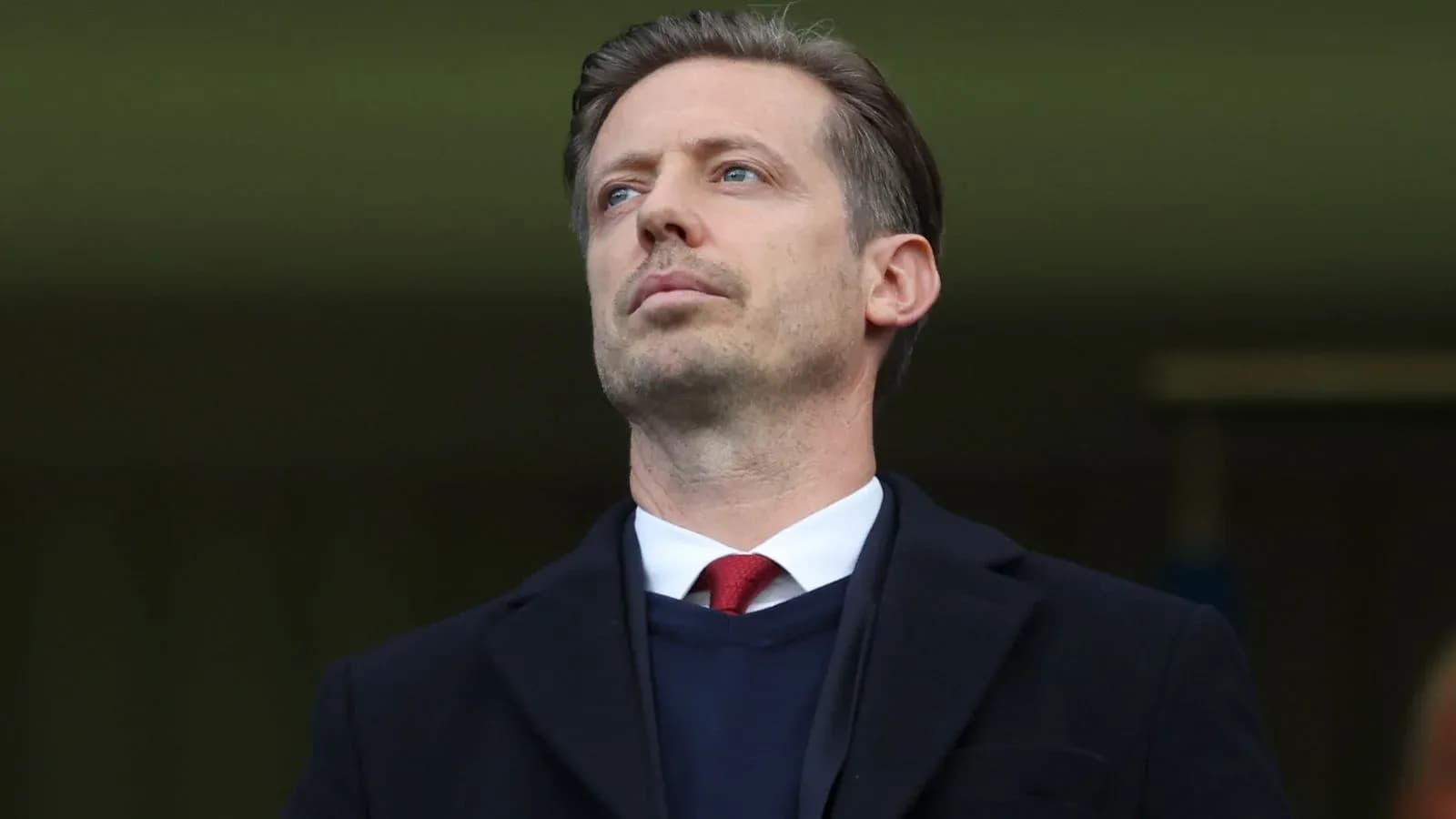
Michael Edwards Steps Down from Liverpool: A Planned Transition
Michael Edwards has stepped away from Liverpool for a second time, leaving his role as Fenway Sports Group’s chief executive of football and walking out of Anfield again just as another pivotal summer begins.
FSG insist this is no rupture, no boardroom drama. In their words, it is a “planned transition”, the end point of a process that began when Edwards returned to the organisation in March 2024. The timing, though, is striking. Liverpool are about to enter the 2026/27 season with a new head coach, major decisions to make in the transfer market and the spectre of more upheaval in the hierarchy.
This is the close of a long, influential chapter. Edwards first arrived at Liverpool in 2011 as performance director, part of the club’s early attempt to modernise its football operations. By 2016 he had become sporting director, the architect behind a recruitment model that underpinned the club’s rise under Jurgen Klopp.
That era delivered the 2019/20 Premier League title, Liverpool’s first league crown since 1990, and etched Edwards’ name into the club’s recent history. Smart, data-informed signings, calculated sales, and a squad built to peak at the right time – he became the quiet constant behind the scenes while the team roared on the pitch.
He left in 2022, only to be persuaded back two years later. This time, his remit was broader. As CEO of football for FSG, he oversaw all football operations at Liverpool and was tasked with helping guide the club through the transition from Klopp to a new era.
Arne Slot arrived in June 2024 and, on the surface, the story looked almost too neat. Under the Dutchman, Liverpool marched to a historic 20th English league title in 2025, a landmark that FSG were quick to highlight in their statement on Edwards’ departure. They credited him with helping implement a new football leadership structure and steering the club through “a significant period of change”.
Yet stability did not last. Slot’s second season fell flat, judged “below-par” by the club’s own standards, and he was replaced in early June by Andoni Iraola. Another reset. Another coach. Another layer of transition for Edwards to manage – until now.
FSG’s statement framed his exit as the natural conclusion to a set of “key strategic priorities”. Edwards, for his part, spoke with the calm of a man leaving on his own terms.
“It has been a privilege to return to Fenway Sports Group and Liverpool Football Club at such an important moment,” he said. He described a club “in a strong position, with outstanding people, a clear direction and the foundations in place for continued success.”
His words also hinted at a wider ambition that never quite materialised. When he came back, the role was not only about Liverpool. It was about shaping FSG’s broader football project, exploring how the ownership group might expand or restructure its portfolio in the game.
“While that broader project ultimately evolved differently to how we had originally envisaged,” Edwards admitted, he remained “proud of the work” done in presenting FSG with a “broad range of thoughtful and well-developed options for the future.”
So Liverpool lose not just a familiar face, but a strategist who understood the club’s modern identity as well as anyone. He exits with the customary nods of gratitude to Mike Gordon, John W. Henry, Tom C. Werner, and – pointedly – to the supporters “whose passion makes this club so special”.
The timing, though, leaves questions hanging over Anfield.
The most immediate is on the pitch: replacing Mohamed Salah. As the summer window opens, that task looms over everything else. Finding a new attacking talisman to carry Liverpool through the next cycle is one of the biggest calls the club has faced since Edwards first helped reshape the squad a decade ago.
Off the pitch, the structure around Iraola could yet shift again. There is already speculation over the future of sporting director Richard Hughes. Should he move on as well, Liverpool’s carefully constructed hierarchy would be in for another jolt, just when the club needs clarity and conviction in the market.
For now, FSG present a picture of order. A planned transition completed, a new head coach in place, a 20th league title recently secured and the “next phase” of development already under way.
But Edwards has gone, again, at a moment when Liverpool stand on the edge of another rebuild. The last time he left, the squad he helped assemble was close to its peak. This time, the challenge is different: to refresh, to replace, to reinvent.
How Liverpool handle that without the man who once mastered those margins will define what comes next.
Related News
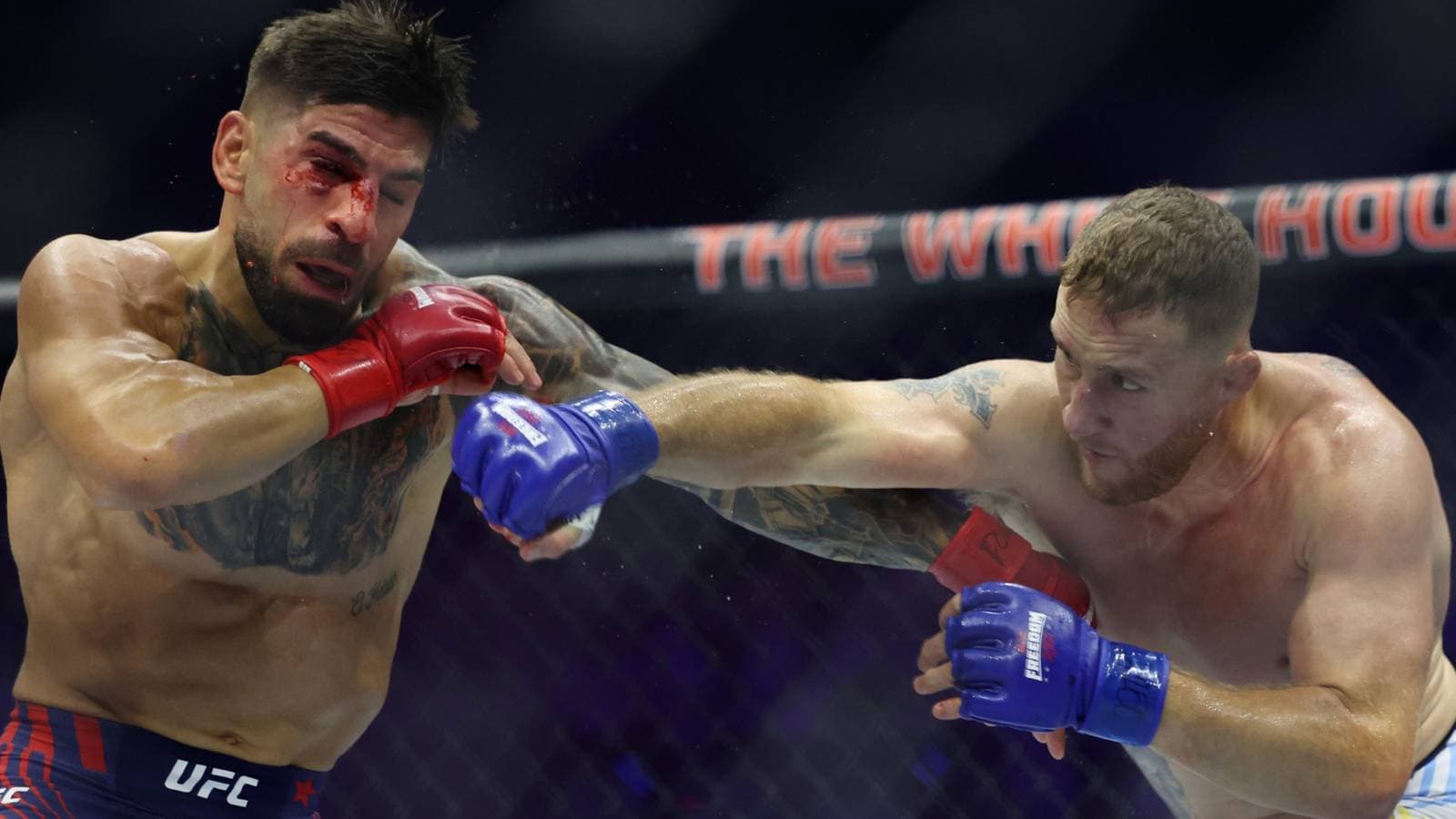
Ilia Topuria Accuses Justin Gaethje After UFC Defeat
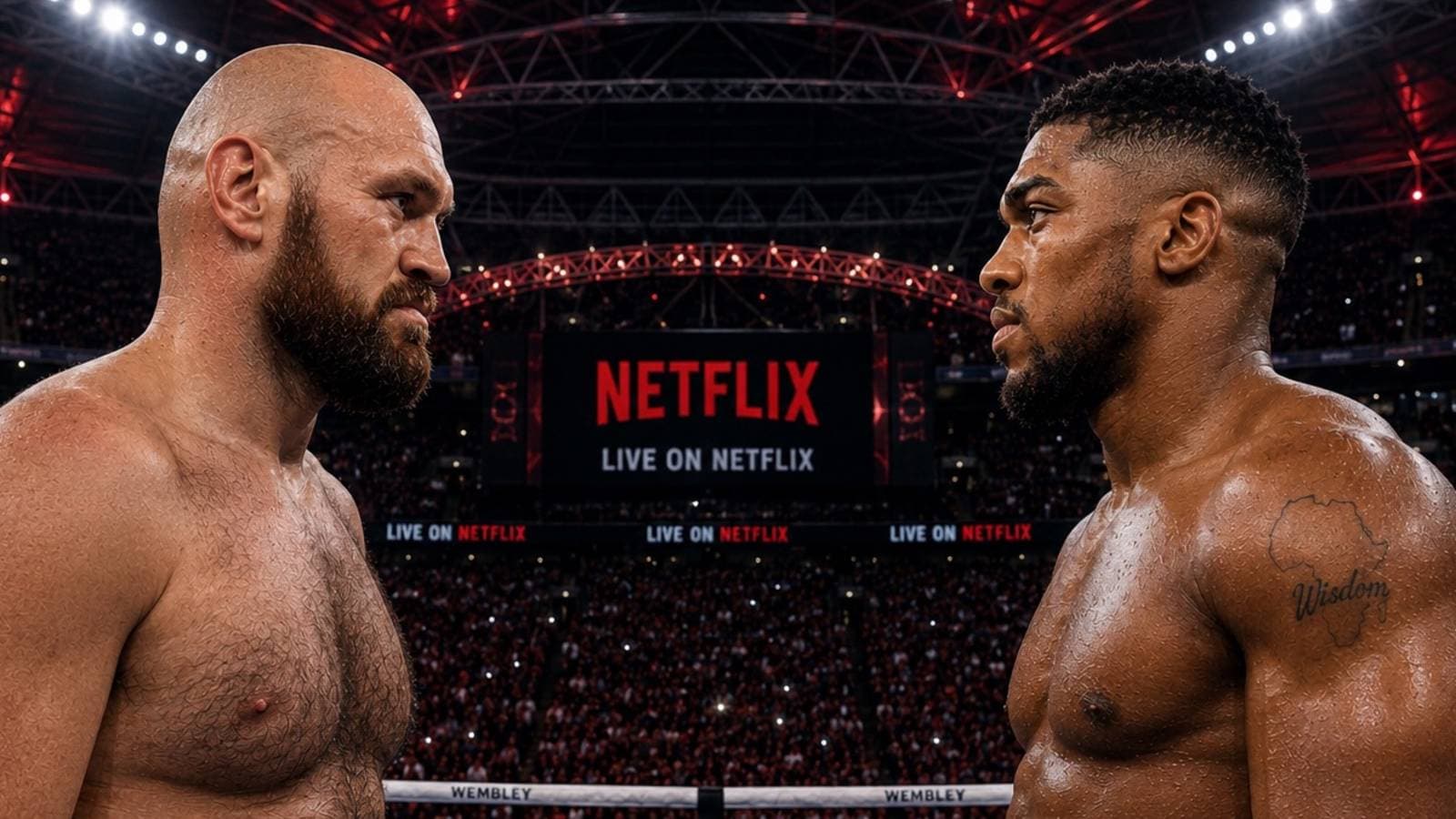
Tyson Fury vs Anthony Joshua Fight Date and Venue Confirmed
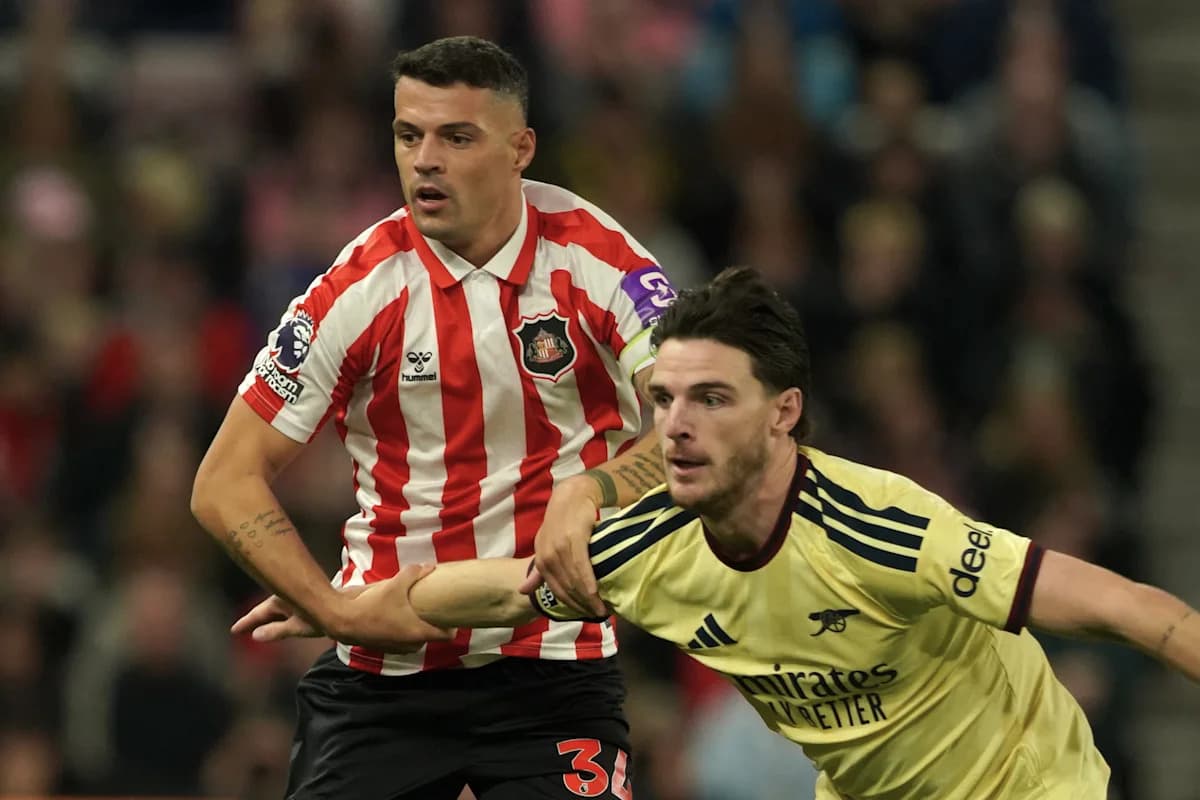
Switzerland Calls Up In-Form Sion Striker Winsley Boteli for Nations League
Bournemouth Secures Historic 2-1 Win Over Real Sociedad in Spain
Portugal Announces Squad for 2026 UEFA Nations League; Cristiano Ronaldo Expected to Play
Raphinha Channels Ronaldo Nazario as Barcelona's Leading Striker After Position Change