
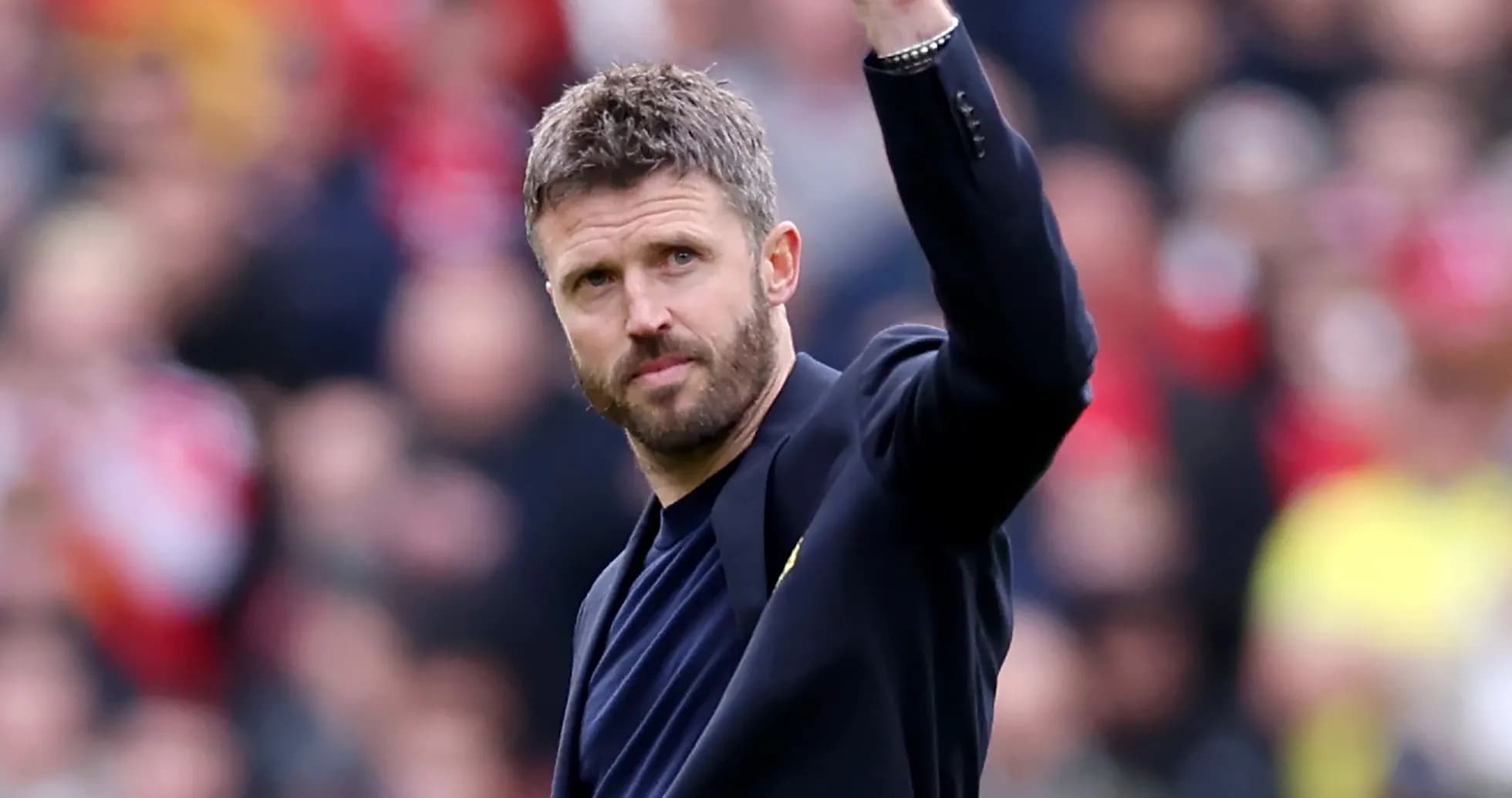
Michael Carrick Takes Charge of Manchester United as Permanent Manager
Michael Carrick has spent two decades feeling the weight and wonder of Manchester United. Now that weight is his to carry alone.
The former midfield metronome, a multiple Premier League winner in his playing days, has been confirmed as United’s permanent manager after a five-month audition that turned a drifting season into a coherent, Champions League‑bound campaign.
He did not play down the scale of the job.
“From the moment that I arrived here 20 years ago, I felt the magic of Manchester United. Carrying the responsibility of leading our special football club fills me with immense pride,” Carrick told the club’s official channels, the words of a man who understands exactly what he has walked into.
Those five months in temporary charge were not just about results, though they came quickly enough. United rediscovered a structure, an identity, a sense of purpose that had been missing. Training sharpened. Performances hardened. The dressing room, by all accounts, began to move in one direction again.
“Throughout the past five months, this group of players have shown they can reach the standards of resilience, togetherness and determination that we demand here,” Carrick said. “Now it’s time to move forward together again, with ambition and a clear sense of purpose. Manchester United and our incredible supporters deserve to be challenging for the biggest honours again.”
That last line will echo around Old Trafford. United’s hierarchy clearly believe he can back it up.
The club’s director of football, Jason Wilcox, made the decision sound inevitable. Carrick, he argued, has not only stabilised the team but done it in a way that feels authentically United.
“Michael has thoroughly earned the opportunity to continue leading our men’s team,” Wilcox said. “In the time he has been doing the role, we have seen positive results on the pitch, but more than that, an approach which aligns with the club’s values, traditions and history.”
The Champions League return underlined that point. For a club that measures itself by European nights and title races, simply getting back into that competition mattered. For Wilcox, it was a marker of something deeper.
“Michael’s achievements in leading the club back to the Champions League should not be understated. He has forged a strong bond with the players and can be proud of the winning culture at Carrington and in the dressing room, which we are continuing to build.”
Now comes the hard part.
Carrick’s brief shifts from short-term firefighting to long-term construction. Survival has been secured; standards must now be raised. The Premier League Manager of the Season shortlist recognition underlines how sharply he has adapted to the dugout, but the next phase will test every part of his managerial profile.
The summer window looms. United need more than cosmetic tweaks. They need depth, durability, and the kind of tactical flexibility that can withstand the grind of a domestic title push while navigating a demanding European schedule.
Carrick will be at the centre of that conversation. His tactical blueprint, so far, has married control with intensity, a nod to United’s attacking heritage without losing the balance he valued as a player. Now he must help identify the “elite summer targets” capable of living inside that system, of turning promising structure into sustained contention.
He also has a pre-season to shape. No longer is he patching together plans week to week; he has the authority to design a rigorous programme, to hard-wire his demands into every session before the first whistle of the new campaign.
The romance of a club legend taking the reins is the easy part. The reality is that Manchester United expect to compete for everything, every year. Carrick knows that better than most. The question is no longer whether he deserves the chance.
It’s what he does with it now that the job is truly his.
Related News
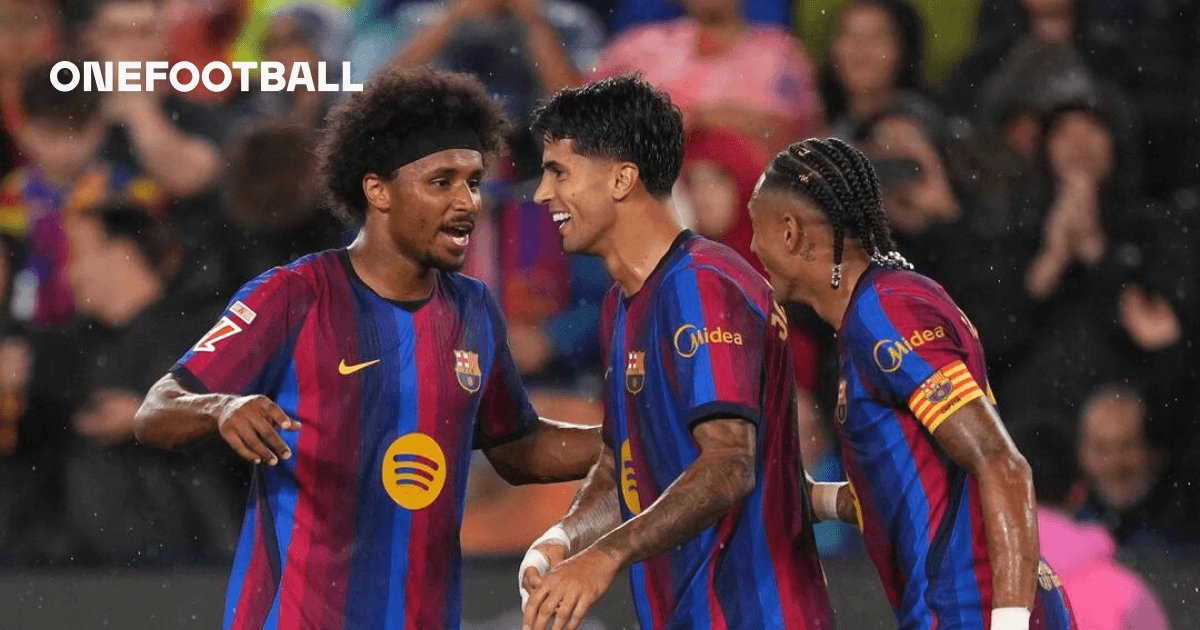
Raphinha’s Hat-Trick Powers Barcelona to 7-2 Victory Over Racing Santander
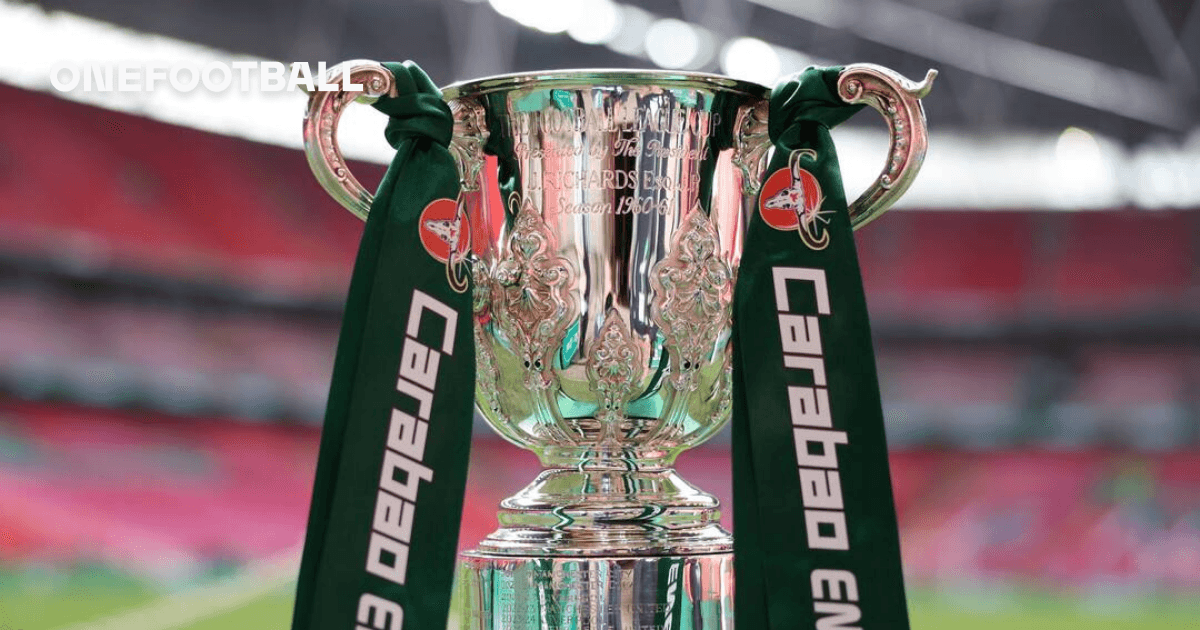
Carabao Cup Fourth Round Draw: Liverpool Set to Clash with Chelsea, Arsenal to Face Fleetwood Town
Key Football Matches to Watch in Azerbaijan This Autumn
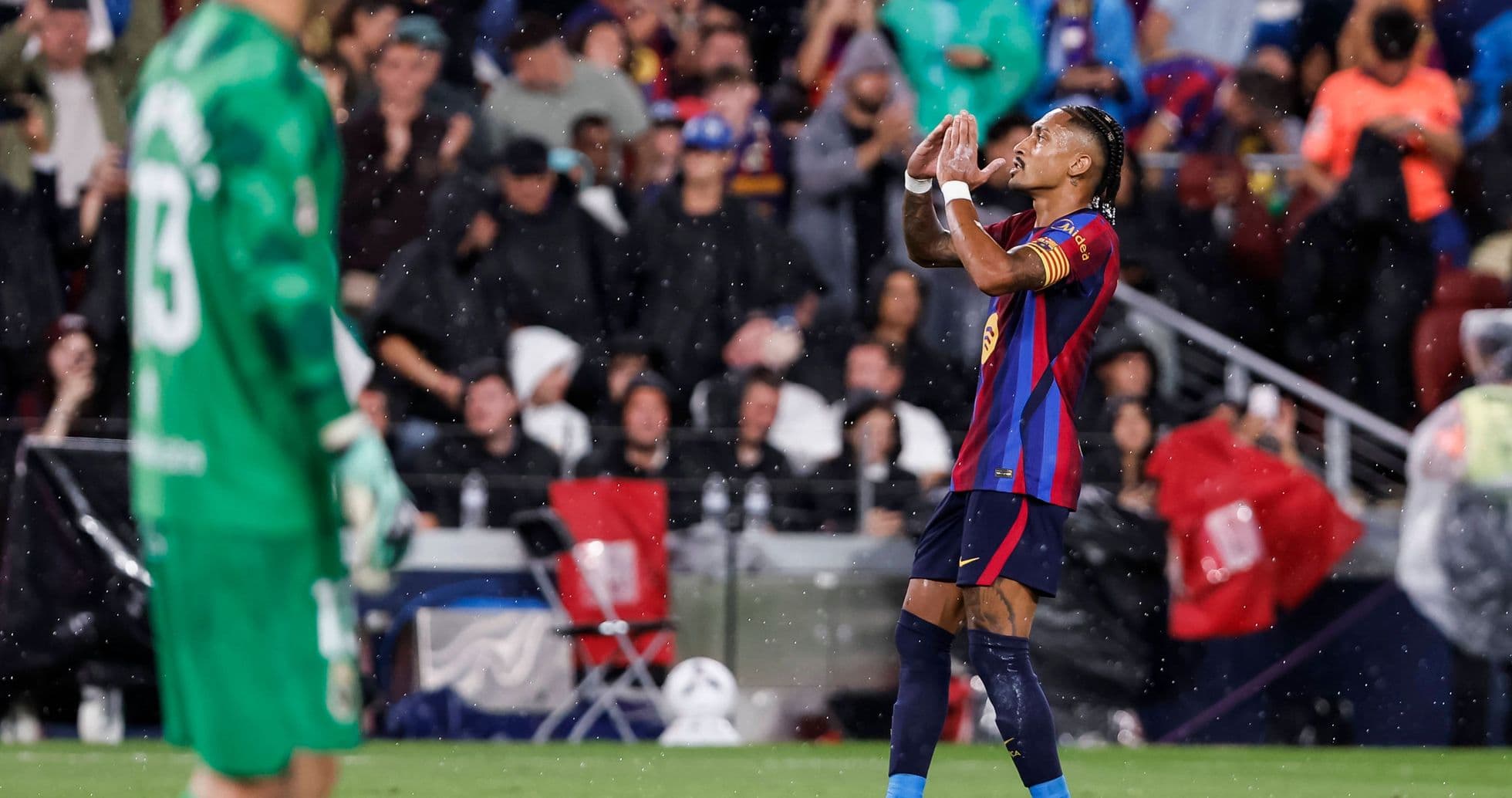
Raphinha's Hat-Trick Drives Barcelona to 7-2 Triumph Over Racing Santander
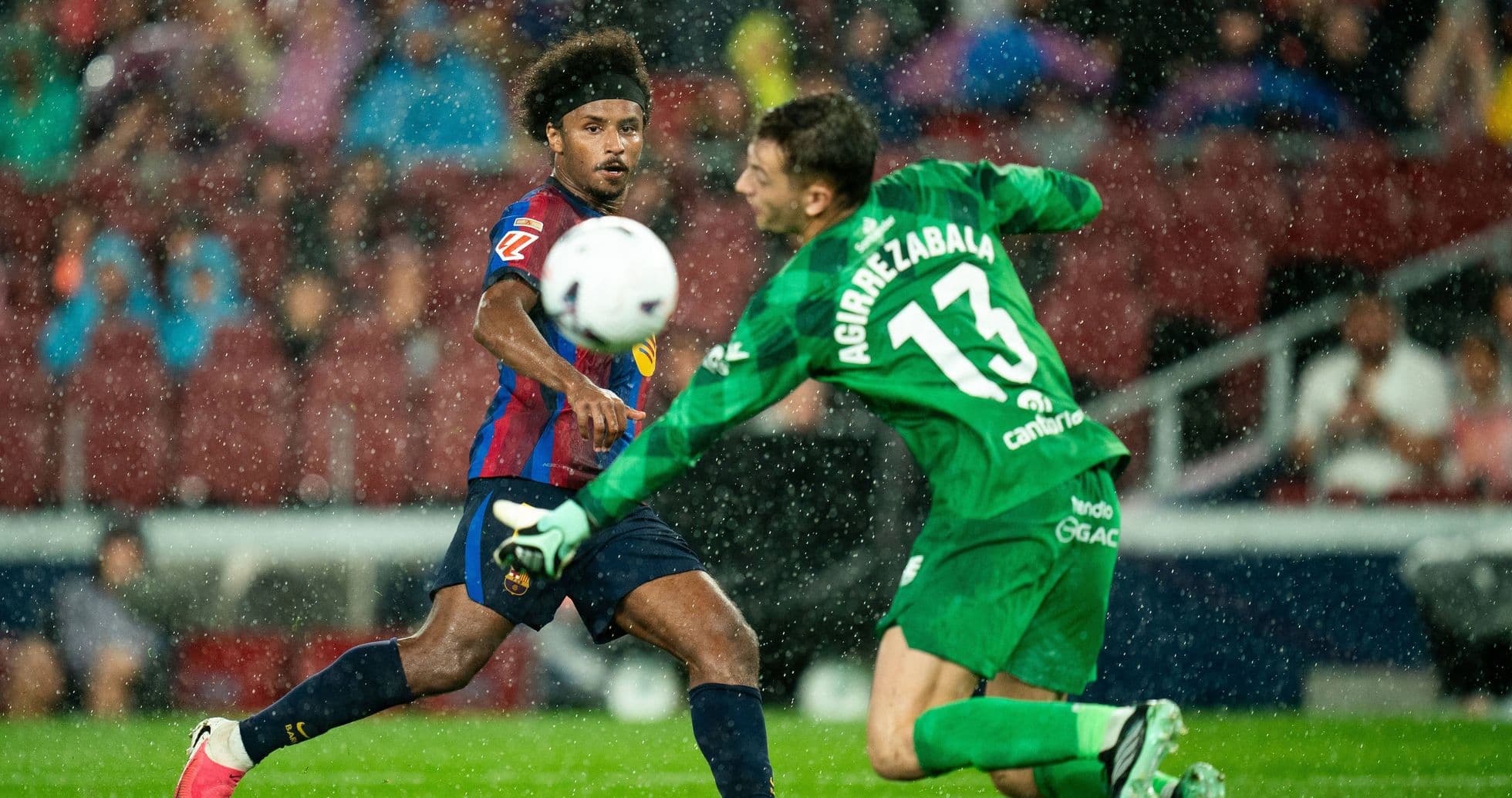
Hansi Flick Leads Barcelona to Record-Breaking Seven Wins in a Row
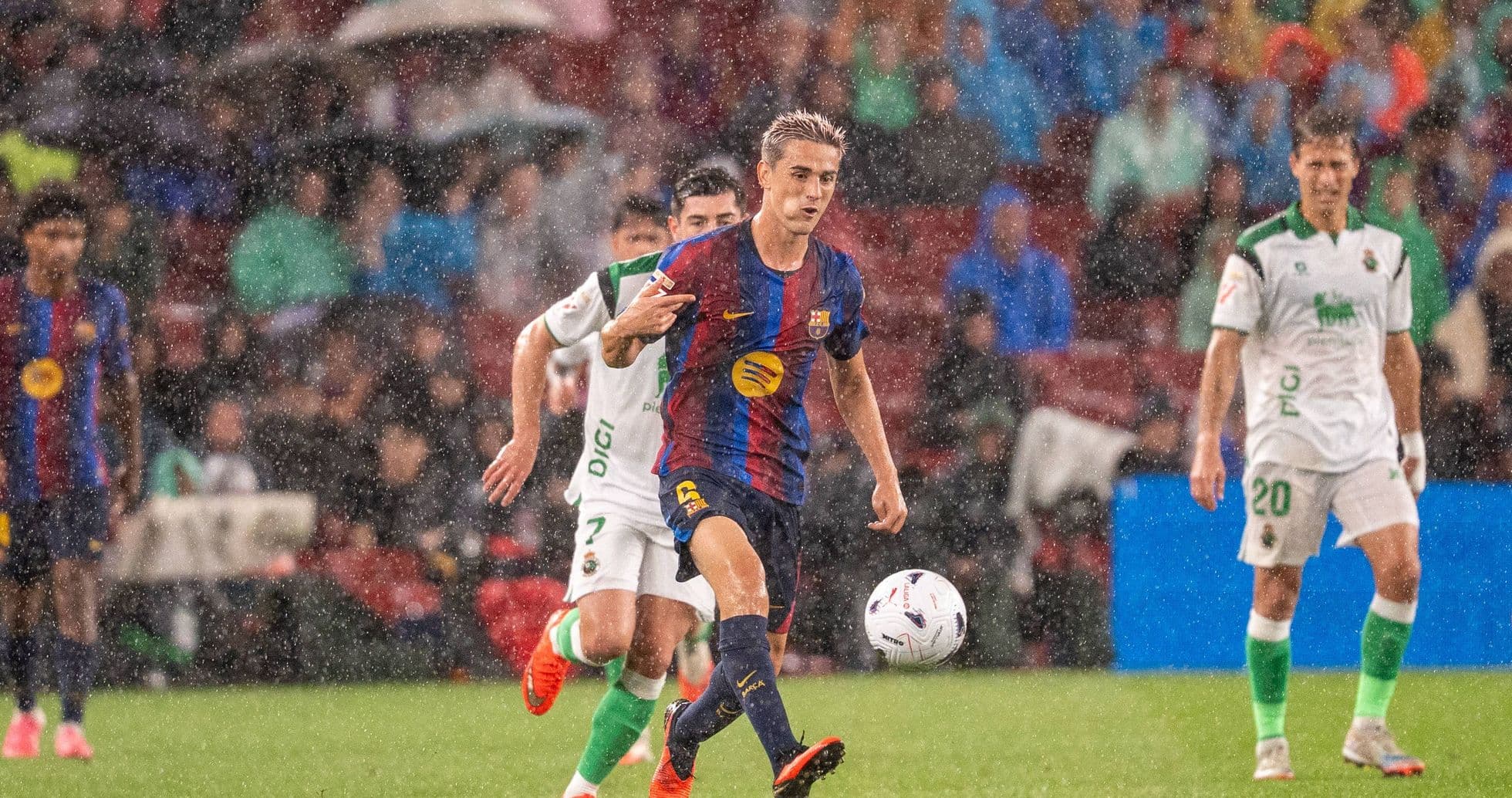
Gavi Reflects on Injury Return as Barcelona Dominate Racing Santander 7-2