

Miami FC vs Orange County SC: Key Tactical Insights
Miami FC host league leaders Orange County SC at Riccardo Silva Stadium in a mid-season USL Championship group-stage fixture that carries clear play-off implications: Miami sit 8th on 17 points and are trying to consolidate a 1/8-finals play-off position, while Orange County, top with 23 points, are looking to stretch their lead and keep control of the title race in 2026.
Head-to-Head Tactical Summary
The recent head-to-head record is finely balanced. On 24 March 2024 in Irvine, Orange County SC and Miami FC drew 2-2 in the USL Championship regular season (Round 4), with Miami leading 2-1 at half-time before being pegged back to a draw over 90 minutes. On 27 May 2023 at Riccardo Silva Stadium, the sides played out a 0-0 draw, a tight contest where neither attack broke through. Earlier, on 17 July 2022 in Irvine, they also finished 0-0 in another regular-season meeting. Across these three games, each side has scored only twice, with two goalless stalemates underlining how often this matchup can turn into a controlled, low-margin affair.
Global Season Picture
- League Phase Performance:
In the league phase, Miami FC are 8th in group “USL 1” with 17 points from 13 matches, scoring 15 and conceding 19 (goal difference -4). Their home record is stronger: 3 wins, 1 draw, 1 loss with 9 goals for and 9 against. Orange County SC lead the same group with 23 points from 13 matches, having scored 18 and conceded 13 (goal difference +5). Away from home they have 3 wins, 3 draws, 1 loss, with 11 goals scored and 9 conceded. - Season Metrics:
In the league phase, Miami FC show an inconsistent attacking profile: 15 goals in 13 games (1.2 per match) but they have failed to score in 7 fixtures and rely heavily on home output (1.8 goals per home game vs 0.8 away). Defensively they concede 1.5 goals per match, with home games particularly open (1.8 goals against on average). Their disciplinary load is significant, with yellow cards concentrated from minute 61 onwards (over 50% of bookings after the hour) and a red card already shown in the 61–75 range, pointing to late-game physicality and risk management issues.
Orange County SC, in the league phase, combine a more balanced attack and defense: 18 goals in 13 games (1.4 per match) and only 13 conceded (1.0 per match). They have kept 5 clean sheets and failed to score only twice, underlining a more reliable offensive floor. Their yellow cards also spike in the final half-hour (over 65% from minute 61 onwards), and they have one late red card (76–90), suggesting an aggressive closing phase but generally better control than Miami. - Form Trajectory:
In the league phase, Miami FC’s form string “DLWLD” reflects volatility: one win in the last five, with two defeats and two draws, consistent with a mid-table side oscillating between progress and setbacks. Orange County SC’s “WDWDL” shows a higher floor: two wins, two draws, and one loss in their last five league matches, enough to maintain top spot but with just enough dropped points to keep the title race open if they stumble here.
Tactical Efficiency
Across the league phase, the underlying efficiency gap is clear. Miami FC’s attack is streaky: while they can produce high-scoring wins (up to 4-3 at home and 2-4 away), the fact they have failed to score in more than half of their matches and average only 1.2 goals per game points to a low conversion and chance-creation baseline. Defensively, conceding 1.5 goals per match with only 5 clean sheets indicates a unit that bends regularly and occasionally breaks heavily (notable 0-3 and 4-1 defeats).
Orange County SC, by contrast, operate with a more efficient two-way structure. Their 1.4 goals scored per game, combined with 1.0 conceded, plus 5 clean sheets and just 2 matches without scoring, is the profile of a side that consistently wins the expected-goal and territory battles over 90 minutes. Even without explicit xG and possession figures in the dataset, the balance between goals for and against, alongside their win/draw ratio, points to a superior “Attack/Defense Index” relative to Miami: they create enough to score in most games and restrict opponents to low totals frequently. In a head-to-head context where two of the last three meetings finished 0-0, Orange County’s current efficiency edge suggests they are better equipped to tilt another tight encounter in their favour, while Miami’s path to success likely depends on leveraging home attacking spikes without exposing their porous defensive averages.
The Verdict: Seasonal Impact
From a seasonal perspective, this fixture is pivotal on two different axes. For Miami FC, a home win against the league leaders would push them closer to the upper play-off seeds within the USL 1 group and provide a statement result that could stabilise a shaky form line. It would also help convert Riccardo Silva Stadium into a genuine points bank, crucial given their weaker away output. A draw keeps them in the 1/8-finals conversation but does little to close the gap to the top positions; a defeat, however, risks dragging them back towards the congested mid-table, where a couple of poor results can quickly turn a play-off berth into a scrap for qualification.
For Orange County SC, victory away to Miami would reinforce their status as title favourites, potentially extending their lead at the top and giving them margin for error in future rounds. It would also underline the robustness of their away model, where they already average more goals scored than at home. Dropped points – especially a loss – would tighten the top of the table, invite pressure from chasing teams, and slightly erode the aura of control they have built through their defensive solidity and consistent results. In short, this is a leverage game: Miami are trying to convert a volatile season into a solid play-off push, while Orange County are looking to turn a strong start into sustained command of the 2026 USL Championship race.
Related News
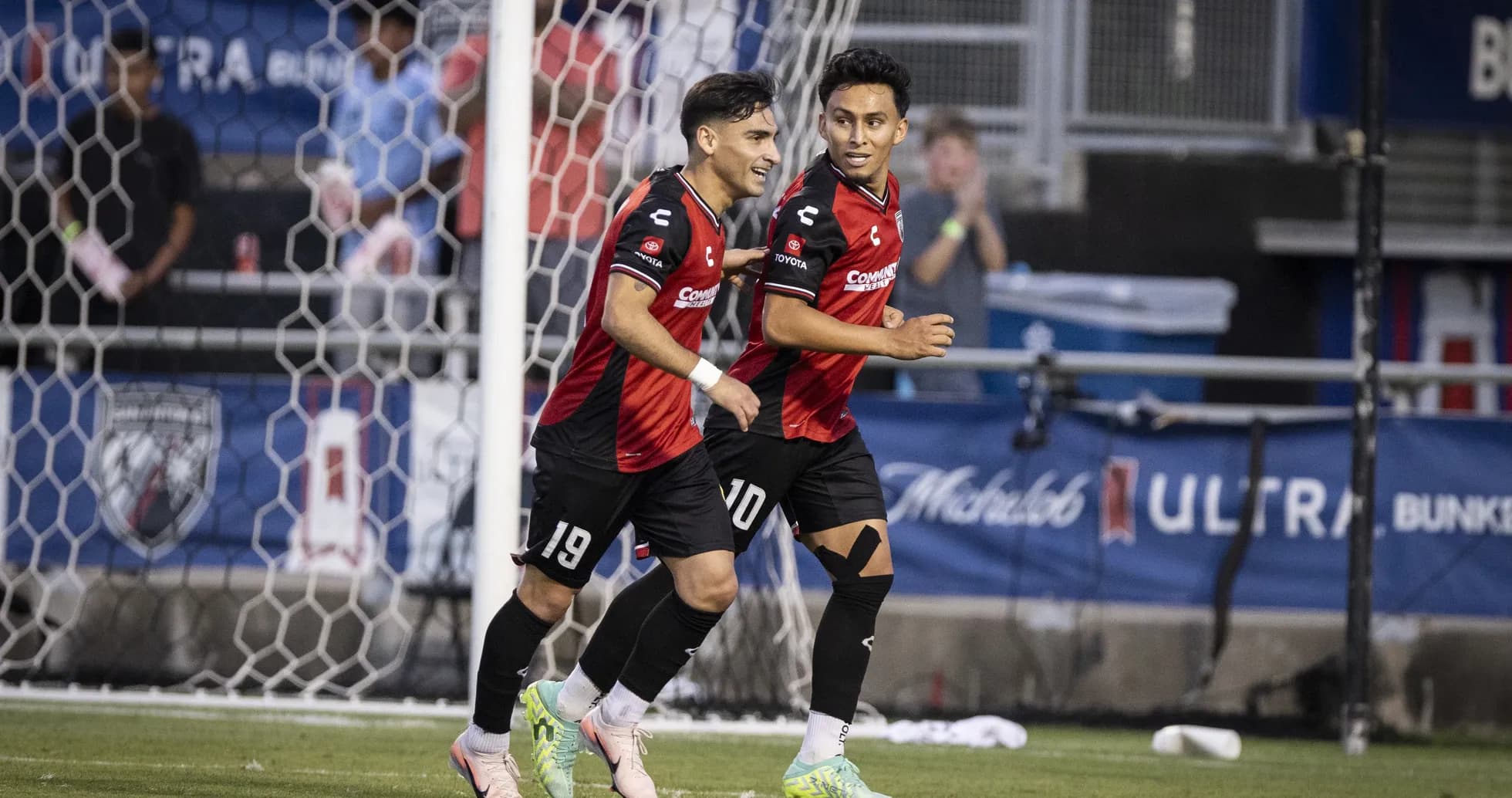
San Antonio Triumphs Over Colorado Springs in USL Championship Clash

Charleston Battery's Dominance Over Loudoun United: A Tactical Analysis

Orange County SC Triumphs 4-2 Over Miami FC in USL Showdown
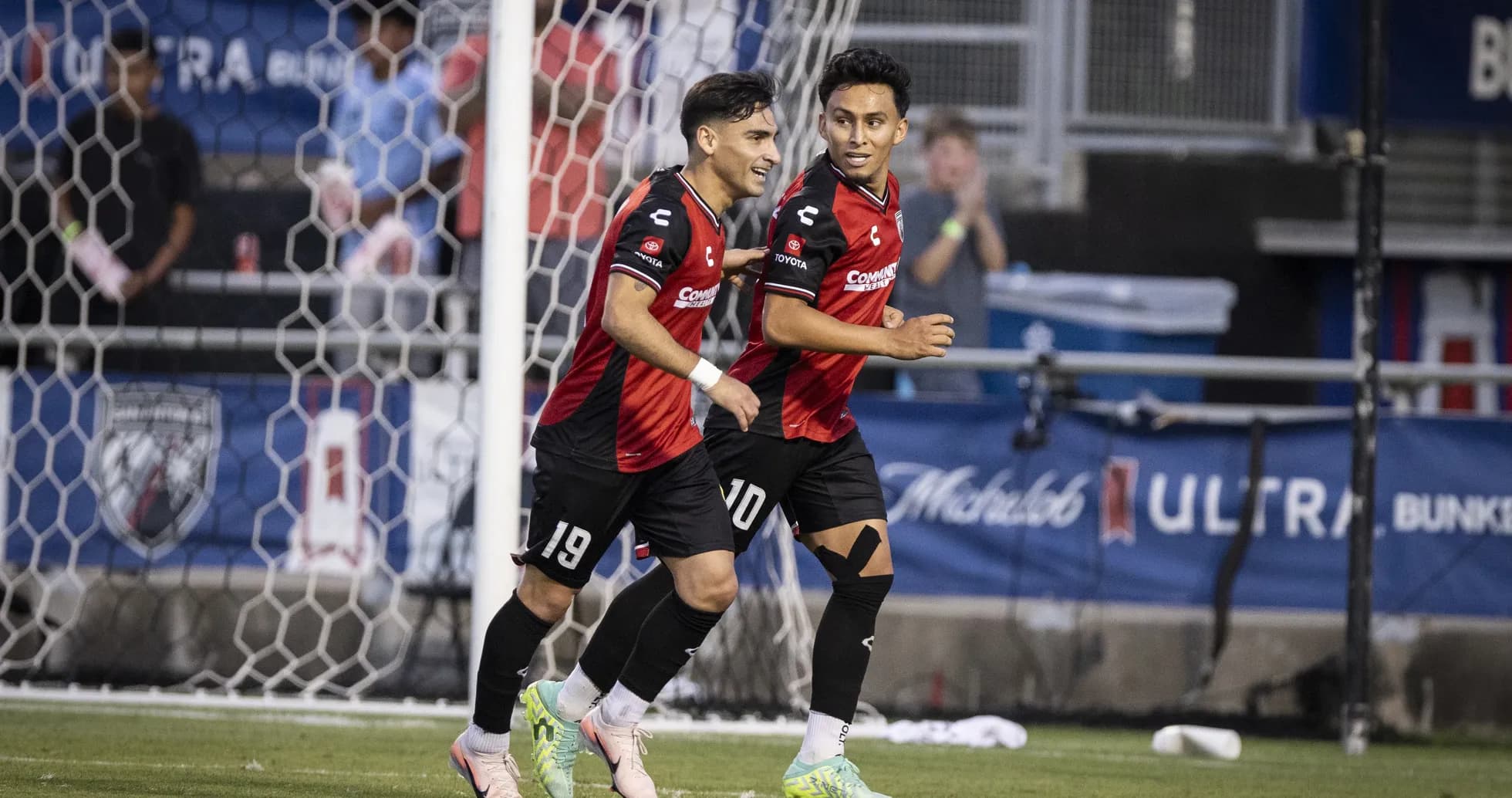
Colorado Springs vs San Antonio Match Preview
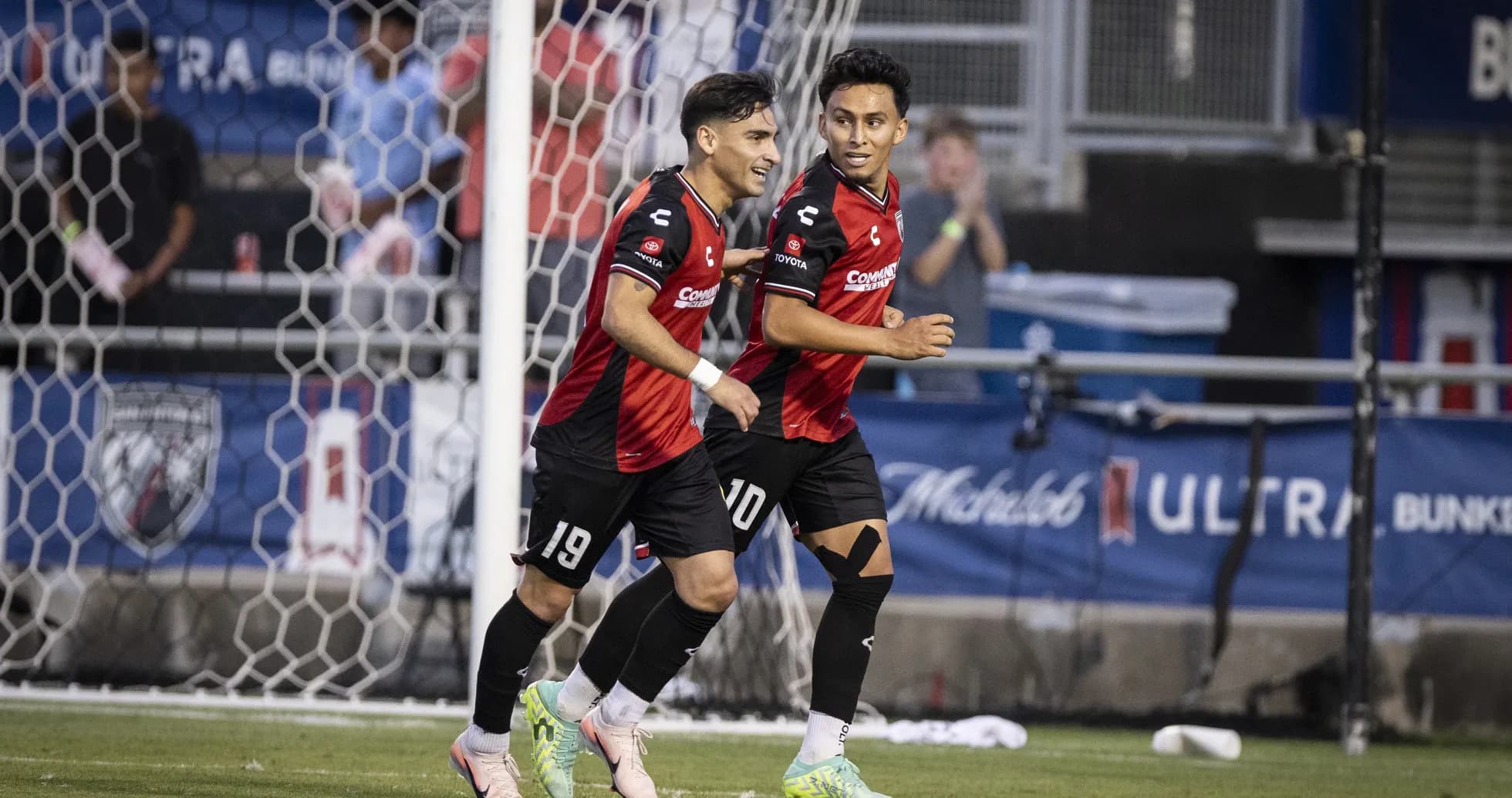
Colorado Springs vs San Antonio: USL Championship Clash Preview

Miami FC vs Orange County SC Match Preview