

Mexico's World Cup Journey: Aguirre's Last Mission
El Tri arrive under a familiar weight: a nation’s impatience.
For decades, Mexico have lived with the same demand at every World Cup – get out of the group, then finally smash through that invisible wall in the last 16. This time, the minimum requirement has not changed. Survive the group. Preferably win it. A first-place finish would not just soothe nerves back home; it could clear a cleaner path to the knockout rounds before the true giants loom into view.
Aguirre’s last ride
On the touchline, an old face is back for one last mission. Javier Aguirre, ‘El Vasco’, is steering Mexico through this tournament before handing the reins to his assistant Rafa Marquez. It is Aguirre’s third World Cup with El Tri, after 2002 and 2010, and the conversation around him has barely softened.
He is a two-time Gold Cup winner, a proven organiser, a man who knows how to make a team hard to beat. He is also a lightning rod. Mexican fans have long criticised his conservative selections and a style of play that can feel more functional than thrilling. This squad will not change that perception much.
Aguirre has again leaned heavily on Liga MX. Even before the domestic season wrapped up, 12 players from the league were already in the preliminary camp. The European-based names have since flown in, but the backbone remains domestic, familiar, drilled.
Steel at the back, questions in the middle
If there is one area that looks secure, it is central defence. Johan Vasquez and Cesar Montes give Mexico a solid, no-nonsense axis at the back. They are the kind of pairing managers trust when the pressure tightens and games turn ugly.
In front of them, the midfield mix looks more experimental. Alvaro Fidalgo is expected to shoulder a major creative and connective role, with youngster Obed Vargas pushing to establish himself on the biggest stage. Captain Edson Alvarez, battered by an injury-hit club season, has still made it. His presence alone changes the tone of this team. Alvarez brings authority, bite, and a sense that someone is in charge when the tempo spikes.
Some of the biggest names from recent cycles are missing. Diego Lainez is out. So is Chucky Lozano. The absences underline a shift: this is not a nostalgia tour. Aguirre has chosen a different path, one that may lack some of the old fireworks but aims for balance and control.
Jimenez, again, at the centre of it all
Up front, the options are many, but the hierarchy is clear. This is still Raul Jimenez’s attack.
At 35, preparing for a fourth World Cup, the Fulham striker remains the reference point. In 2025, when Mexico lifted two trophies, Jimenez scored nine of their 22 goals. That kind of return, at this stage of his career, explains why no one has truly pushed him off the throne.
Santiago Gimenez’s difficult season at AC Milan has only reinforced that reality. So the responsibility falls back on Jimenez’s shoulders once more. Hold the ball. Lead the line. Finish the few chances this team might carve out when the games get tight and nervy.
Ochoa’s unexpected encore
Behind everyone, a familiar figure has stepped back into the frame. Guillermo Ochoa, for a moment seemingly out of the national-team picture, is suddenly in line for history.
Luis Malagon’s injury reopened the door, and Ochoa has walked through it with the chance to appear at his sixth consecutive World Cup. It is a mark that will place him alongside Lionel Messi and Cristiano Ronaldo at this tournament – a staggering achievement for a goalkeeper who has lived through multiple eras of El Tri angst and expectation.
He will not just be there as a mascot. In a squad with several emerging faces, Ochoa’s presence offers calm, experience and that unique World Cup aura that has so often surrounded him.
A 17-year-old to light the fuse
For all the talk of structure and experience, the player who could change everything is barely old enough to vote.
Gilberto Mora, just 17, may carry the creative burden in a team that often struggles to manufacture chances. Recently back from an injury that cost him much of the Liga MX season, the Tijuana talent is already being spoken about as a generational figure in Mexican football.
An attacking midfielder with a natural feel for the final third, Mora has been rewriting youth records at home and drawing serious attention from Europe’s elite clubs. Scouts are not just watching; they are preparing to move. They see what Mexico hope the world will soon see: a player capable of unlocking defences that have frustrated El Tri for years.
His vision, his ability to find gaps where others see traffic, could transform the mood of an entire country. One clever pass, one audacious dribble, one goal at the right moment – that is how legends begin.
Mexico arrive with pressure, with scars, with familiar doubts. They also arrive with a hardened spine, a veteran striker, a legendary goalkeeper chasing history, and a teenager who might just tear up the old script.
If this is to be the World Cup where the round-of-16 curse finally breaks, it will not be because the expectation changed. It will be because this group, under a coach on his last stand, found a way to carry it.
Related News

Raphinha’s Hat-Trick Powers Barcelona to 7-2 Victory Over Racing Santander

Carabao Cup Fourth Round Draw: Liverpool Set to Clash with Chelsea, Arsenal to Face Fleetwood Town

Key Football Matches to Watch in Azerbaijan This Autumn
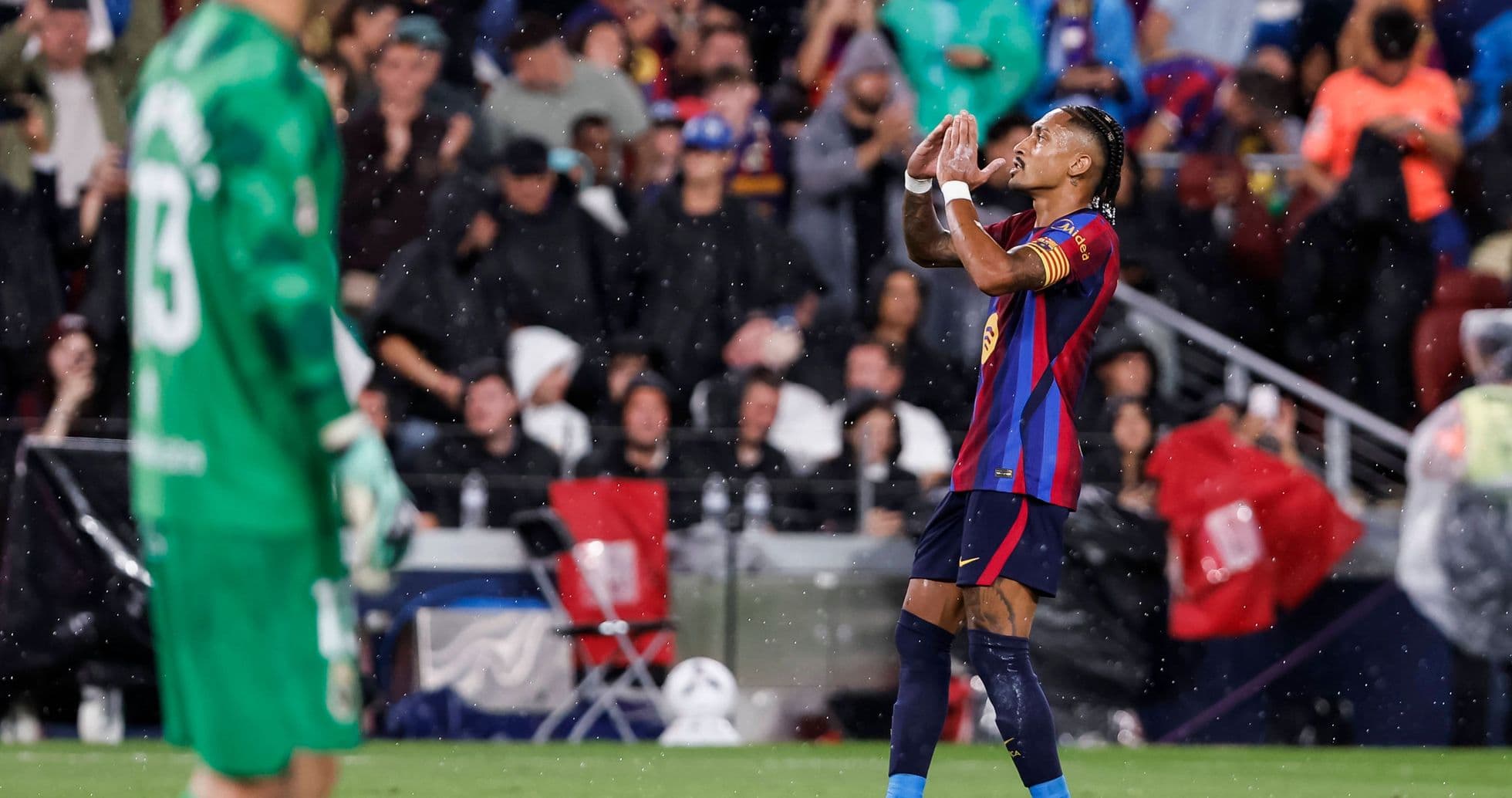
Raphinha's Hat-Trick Drives Barcelona to 7-2 Triumph Over Racing Santander
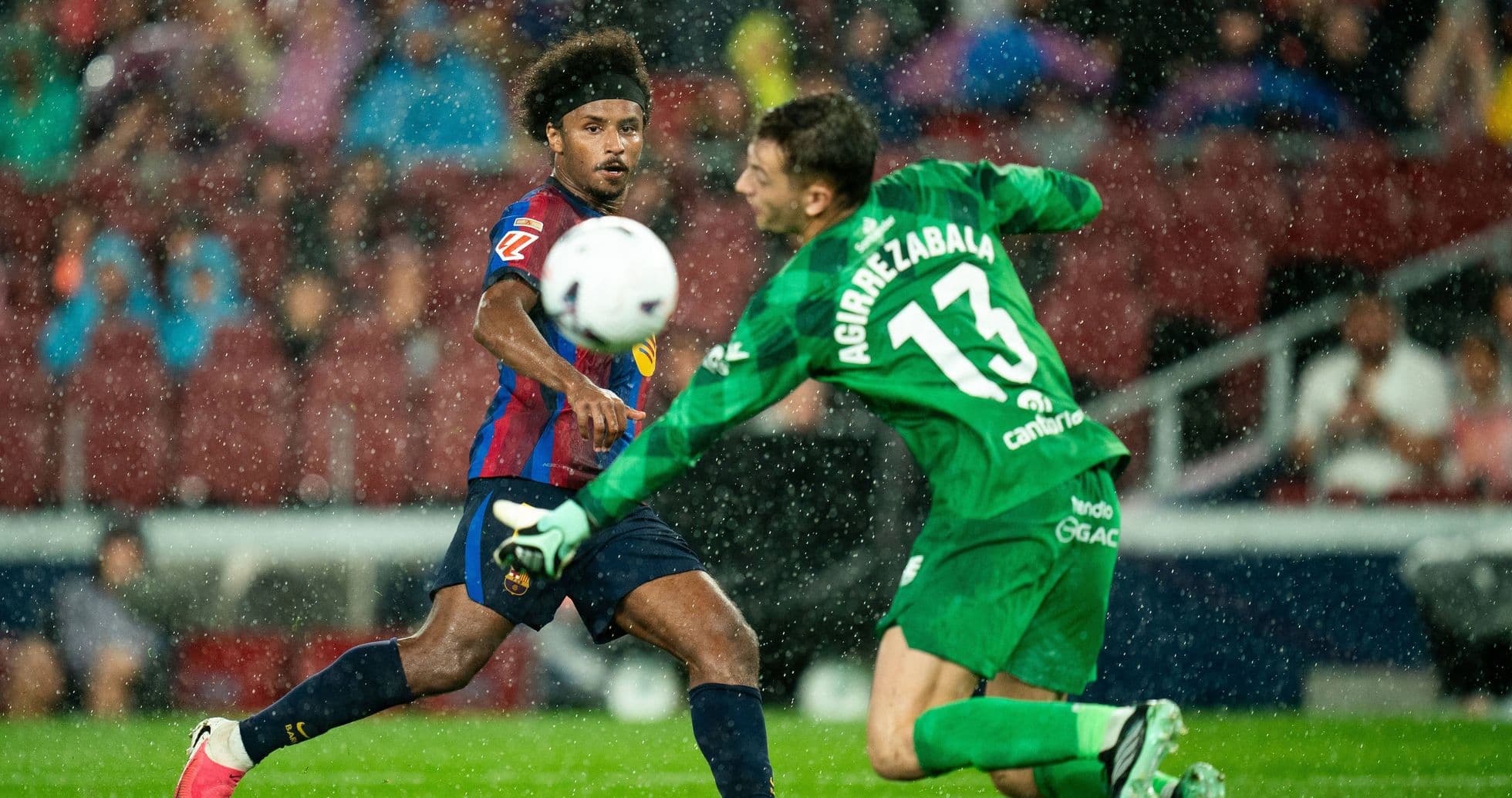
Hansi Flick Leads Barcelona to Record-Breaking Seven Wins in a Row

Gavi Reflects on Injury Return as Barcelona Dominate Racing Santander 7-2