
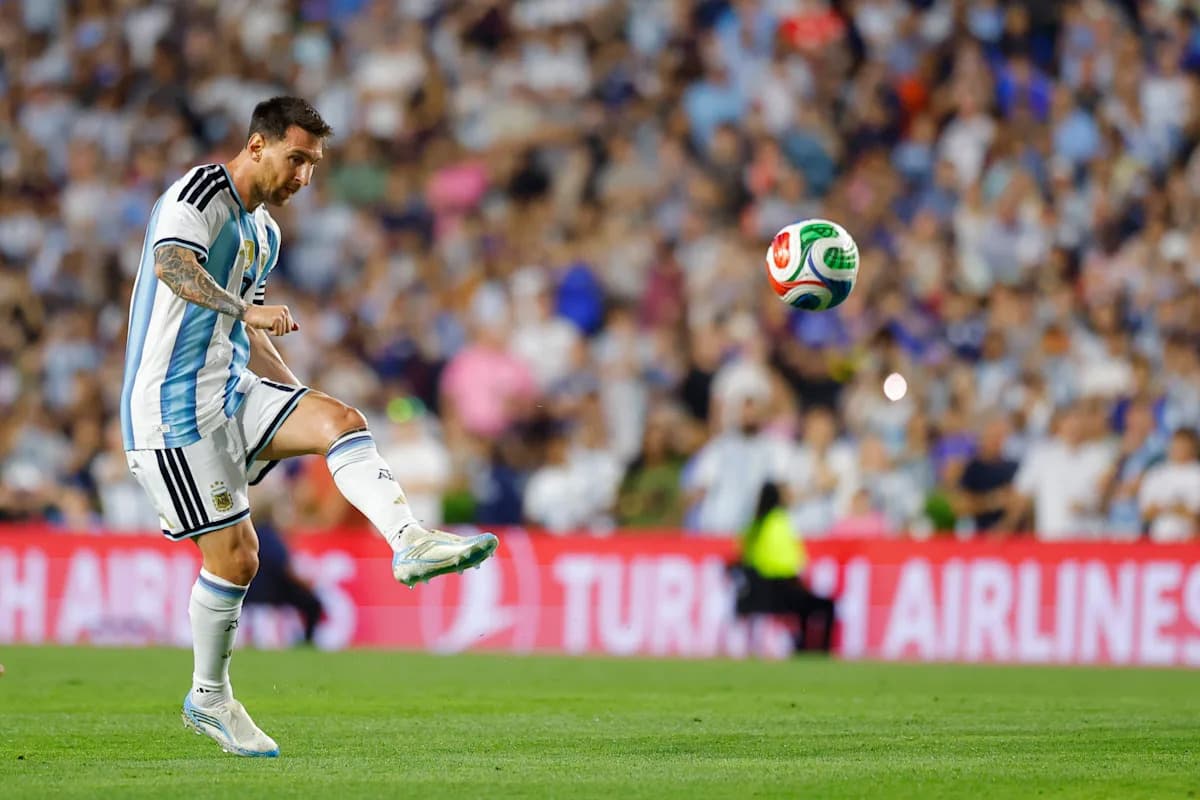
Messi's Two-Minute Goal and Daniel Gudjohnsen's Connection
Argentina’s 3-0 stroll past Iceland in Alabama was meant to be routine: a final tune-up, a clean sheet, a quiet night before the World Cup storm. It delivered all of that. And something else entirely.
The moment that raced around social media didn’t come from a dribble, a pass, or even Lionel Messi’s inevitable goal. It came after the final whistle, when a 20-year-old Icelandic forward walked toward the Argentina captain with a mix of nerves and purpose.
His name: Daniel Gudjohnsen.
The surname alone tugged at memory. Messi’s, too, once he heard the rest.
Daniel is the son of Eidur Gudjohnsen, the former Barcelona centre-forward who shared a dressing room and a front line with Messi between 2006 and 2009. The same Eidur who helped Barcelona sweep through the Guardiola years, lifting, among other trophies, the Champions League in 2008/09.
When Daniel told him, Messi’s reaction said everything. The usually reserved No. 10 broke into a wide, disarming smile. For a few seconds, the friendly in Alabama felt like a reunion in Catalonia. The veteran star and the son of an old teammate chatted on the pitch, the present World Cup holders framed by a link to one of Europe’s great club sides of the last two decades.
For Iceland, Daniel is more than just a curiosity. His father is one of the country’s greatest footballing figures, a pioneer who carried the nation’s flag into the game’s elite circles. Daniel, now at Malmö in Sweden, is trying to carve out his own path. Sharing the field with Messi, then revealing that family connection, turned an ordinary post-match handshake into a snapshot of football’s generational relay.
The No. 10 Returns
All of that played out on a night that already carried significance for Argentina. This was the return of Messi.
The captain had been nursing muscle discomfort in his left thigh and had limited himself to light training on the eve of the game. There was no need to risk him from the start, not with a World Cup around the corner and a squad already humming with confidence.
So he waited. Jacket on, bib off, watching from the bench as his teammates built a comfortable lead.
When he finally stepped onto the pitch in the second half, the script barely had time to unfold. Two minutes. That was all he needed to find the net and close the scoreline at 3-0. A brief cameo, a familiar finish, and a reassuring message to everyone watching: the rhythm is still there, the instinct untouched.
For Lionel Scaloni, this was more than a friendly against a European opponent. It was the only such test since the epic night in Lusail in 2022, when Argentina beat France to lift the World Cup. The setting this time was far more modest—Alabama instead of a global final—but the checklist was clear: manage minutes, avoid injuries, sharpen combinations, see Messi move freely.
Box ticked.
Argentina left with a comfortable win, a fit and smiling No. 10, and a viral image that tied the current world champions back to a golden Barcelona side. On one side, Messi, still dictating the story. On the other, Daniel Gudjohnsen, carrying a famous name and the weight of his own ambitions.
The scoreboard will soon be forgotten. That brief exchange at full-time, though, will linger—another reminder that football never stops looping its past into its future.
Related News
Raphinha’s Hat-Trick Powers Barcelona to 7-2 Victory Over Racing Santander
Carabao Cup Fourth Round Draw: Liverpool Set to Clash with Chelsea, Arsenal to Face Fleetwood Town
Key Football Matches to Watch in Azerbaijan This Autumn
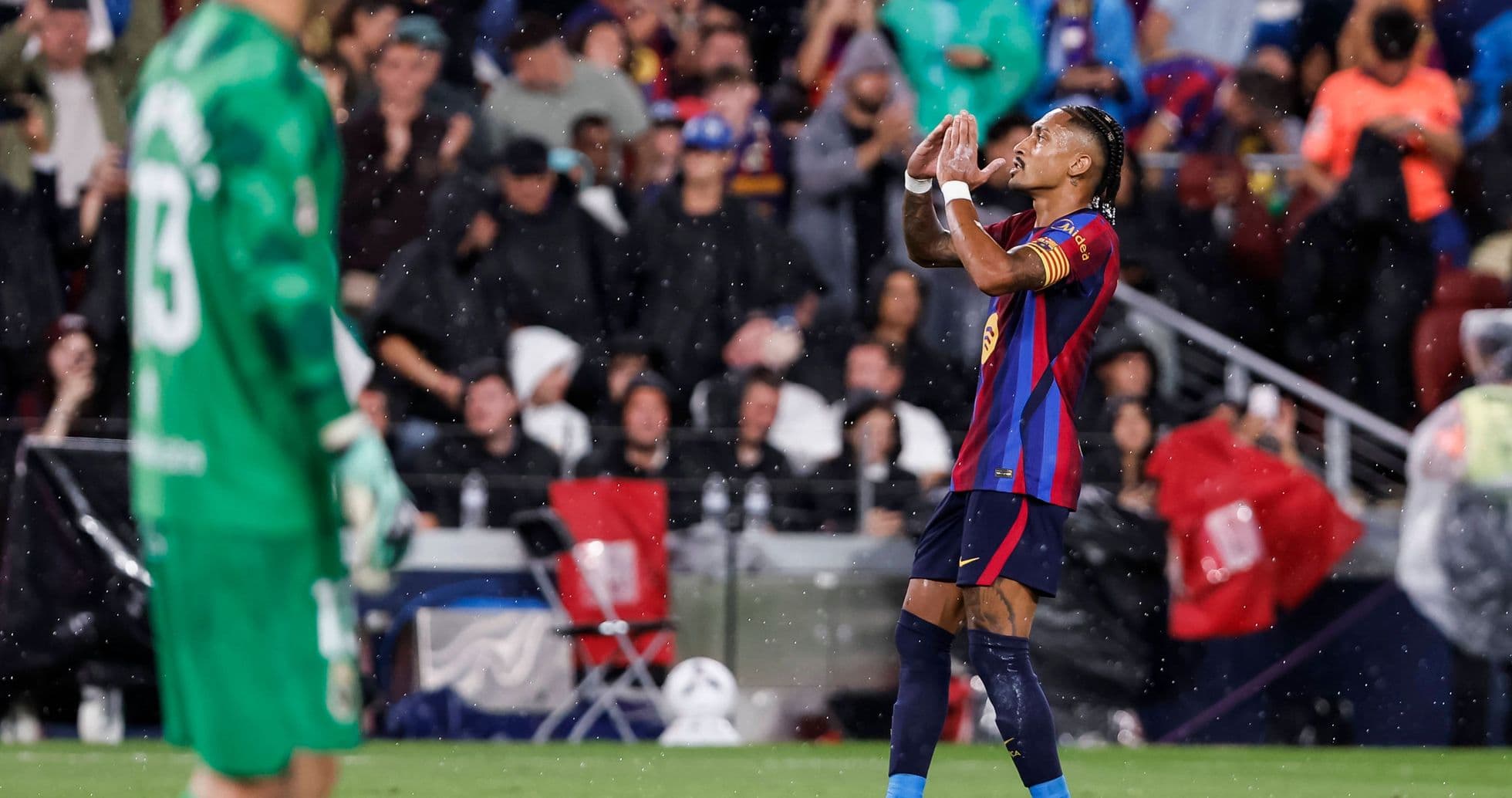
Raphinha's Hat-Trick Drives Barcelona to 7-2 Triumph Over Racing Santander
Hansi Flick Leads Barcelona to Record-Breaking Seven Wins in a Row
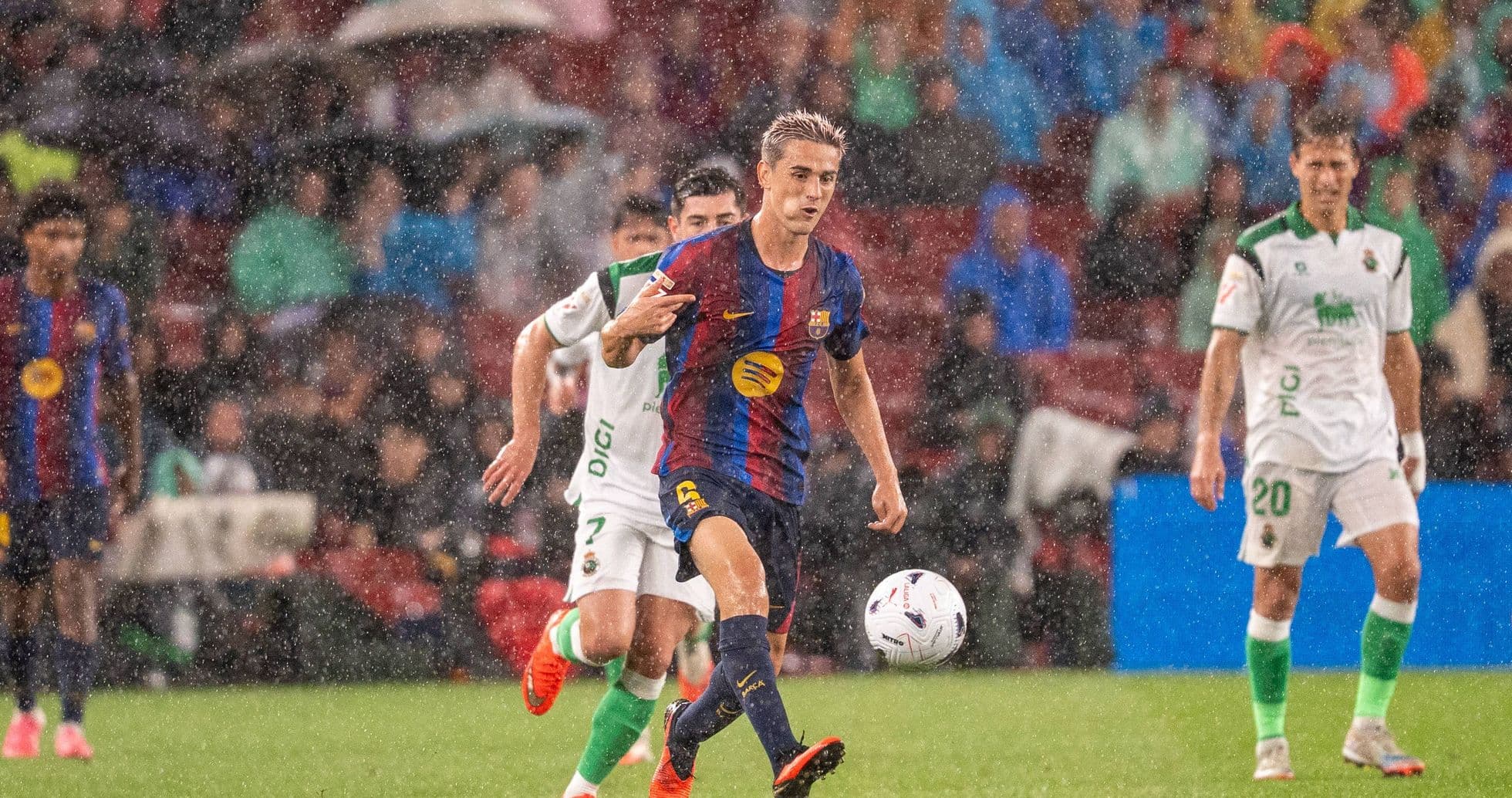
Gavi Reflects on Injury Return as Barcelona Dominate Racing Santander 7-2