
Inside the Mental Toll of the World Cup Grind
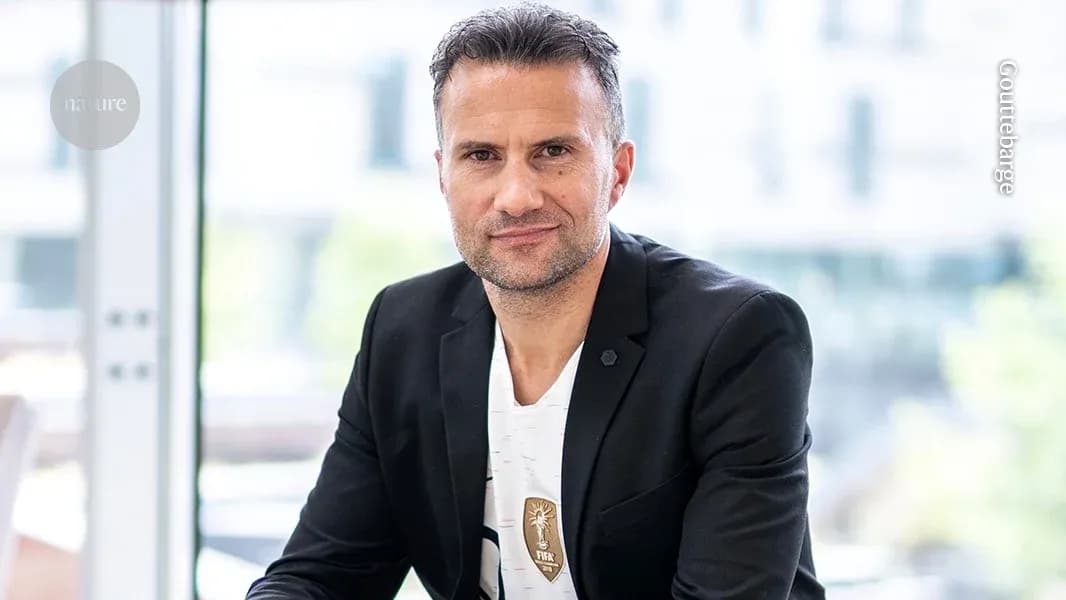
Vincent Gouttebarge has lived both lives. For more than a decade he was a professional footballer in France and the Netherlands, nursing the usual catalogue of knocks and tears. Since retiring in 2007, he has become one of the game’s leading medical voices, swapping dressing rooms for data, and shin pads for scientific papers.
Now medical director at FIFPRO, the global players’ union, and chair of the International Olympic Committee’s Mental Health Working Group, he straddles the line between the pitch and the lab. He also conducts research at the University of Pretoria and Amsterdam University Medical Centre. Few people are better placed to explain what the World Cup really does to the people on the pitch.
As the 2026 men’s World Cup kicks off across the United States, Canada and Mexico, the spectacle is sold as the pinnacle of a career. For many, it is. But Gouttebarge’s work strips away the gloss.
“Footballers are not superheroes,” he stresses. They are workers, under extreme pressure, in an industry that still struggles to treat mental health with the same seriousness as a torn ligament.
The World Cup High – and the Crash That Follows
Being called up by your country should be the dream. The anthem, the shirt, the stage. Psychologically, it is a huge positive. Yet even that depends on context.
Is the player starting or stuck on the bench? Is the team winning or spiralling out early? Those details shape the emotional experience of a tournament that can define careers in a matter of days.
Then the cameras switch off. The real strain begins.
Players are rushed back to their clubs almost immediately after the World Cup. If they are fortunate, they get a week or two off. Many do not. There is no genuine off-season, no clear line between one campaign and the next. The body might just about cope. The mind is another story.
A Calendar That Breaks More Than Legs
The modern match calendar is relentless. Domestic leagues, continental competitions, national-team fixtures, commercial tours. At the elite level, players are regularly pushed through two or three games a week, sometimes with barely a day to breathe between them.
Gouttebarge is blunt: this is not just a performance issue, it is a health issue.
The load hits every layer: physical, physiological, emotional, cognitive. Fatigue is no longer something you shake off with an ice bath and a day off. In 2024, FIFPRO and the World Leagues publicly called on FIFA to rethink the schedule and build in more recovery time between major tournaments. The plea was clear: slow down, or the players will pay the price.
And that is before you even reach the digital noise. Social media has turned every performance into a referendum, every mistake into a storm. It follows players through the season and into their holidays. There is no real escape.
What the Data Shows: Injury, Pressure and a Bidirectional Threat
Gouttebarge’s research does not rely on guesswork. Since 2012, his epidemiological studies across professional football and elite sport have tracked self-reported symptoms: adverse thoughts, feelings and behaviours that point to mental-health problems.
Diagnosing specific clinical disorders at scale in elite sport is not practical; the process is too time-consuming. So he looks at patterns, and they are hard to ignore.
Players live with the same generic stressors as anyone else: relationships, family issues, financial worries, life events outside the stadium lights. On top of that sit sport-specific pressures.
Injury is central. The evidence shows a bidirectional relationship between mental health and musculoskeletal injury. Poor mental health can increase the risk of getting injured. A serious injury, with months away from training and competition, ranks as one of the most significant adverse life events an athlete can face.
Unexpected poor performance is another trigger. When form collapses without warning, confidence goes with it. For a player whose identity is built around what they do on the pitch, that can be brutal.
The Stigma That Still Lingers
Football likes to see itself as modern and progressive. Yet on mental health, the sport remains tied to old habits.
Stigma runs through many societies; the game reflects that. Gouttebarge sees progress in Europe, where speaking openly is slowly becoming more acceptable. But in other football-obsessed regions – South America, Africa, parts of Asia – mental health is still commonly framed as weakness.
The contrast is stark. A player with an ankle injury or a hamstring strain talks freely about it in press conferences. There is no shame in a scan or a bandage. Mention depression or anxiety, and the tone changes.
Players worry about how a coach will react. Will a history of depression cost them a place in the starting XI? Will honesty be held against them when contracts and selection are on the line?
For Gouttebarge, the response has to come from both directions. Bottom-up, with mental-health literacy and education for players and coaches. Top-down, with structural change.
At national-federation level, medical committees are still dominated by sports physicians, orthopaedic surgeons and cardiologists. Mental-health professionals are often absent. That gap sends a message about priorities. He believes it needs to be closed.
Education That Starts to Shift Attitudes
In 2018, FIFPRO moved from theory to action, rolling out a mental-health education programme for players. It was not a randomized controlled trial, but it was a start.
The results were encouraging: after the programme, attitudes and behaviours improved. Players showed a better understanding of mental health and a greater willingness to treat it on a par with physical injury.
The lesson was simple. Invest a little time in explaining why mental-health challenges belong on the same agenda as muscle tears and ligament damage, and the culture begins to move.
Isolation as Punishment – and Its Hidden Cost
One practice, in particular, angers Gouttebarge: the sidelining of unwanted players.
A new coach arrives. The squad is too big. A handful of players are told to train alone or shunted off with the youth team. It is common, almost accepted as part of the business.
From a trade-union standpoint, it is already problematic. These are employees with contracts, effectively being pushed to the margins of their workplace.
From a mental-health perspective, it is worse.
Social support is one of the strongest protective factors against mental-health problems. Strip that away by isolating a player from their teammates and normal environment, and the risk climbs sharply. In most industries, deliberately isolating a worker like this would be unthinkable. In professional football, it still happens with depressing regularity, a product of poor leadership and short-term thinking at club level.
The World Cup will continue to dazzle. Goals, drama, heroes, villains. But behind the noise, the game is edging towards a reckoning. If football wants its stars to shine for longer – and stay whole once the final whistle goes – how much longer can it afford to treat their minds as an afterthought?
Related News
Raphinha’s Hat-Trick Powers Barcelona to 7-2 Victory Over Racing Santander
Carabao Cup Fourth Round Draw: Liverpool Set to Clash with Chelsea, Arsenal to Face Fleetwood Town
Key Football Matches to Watch in Azerbaijan This Autumn
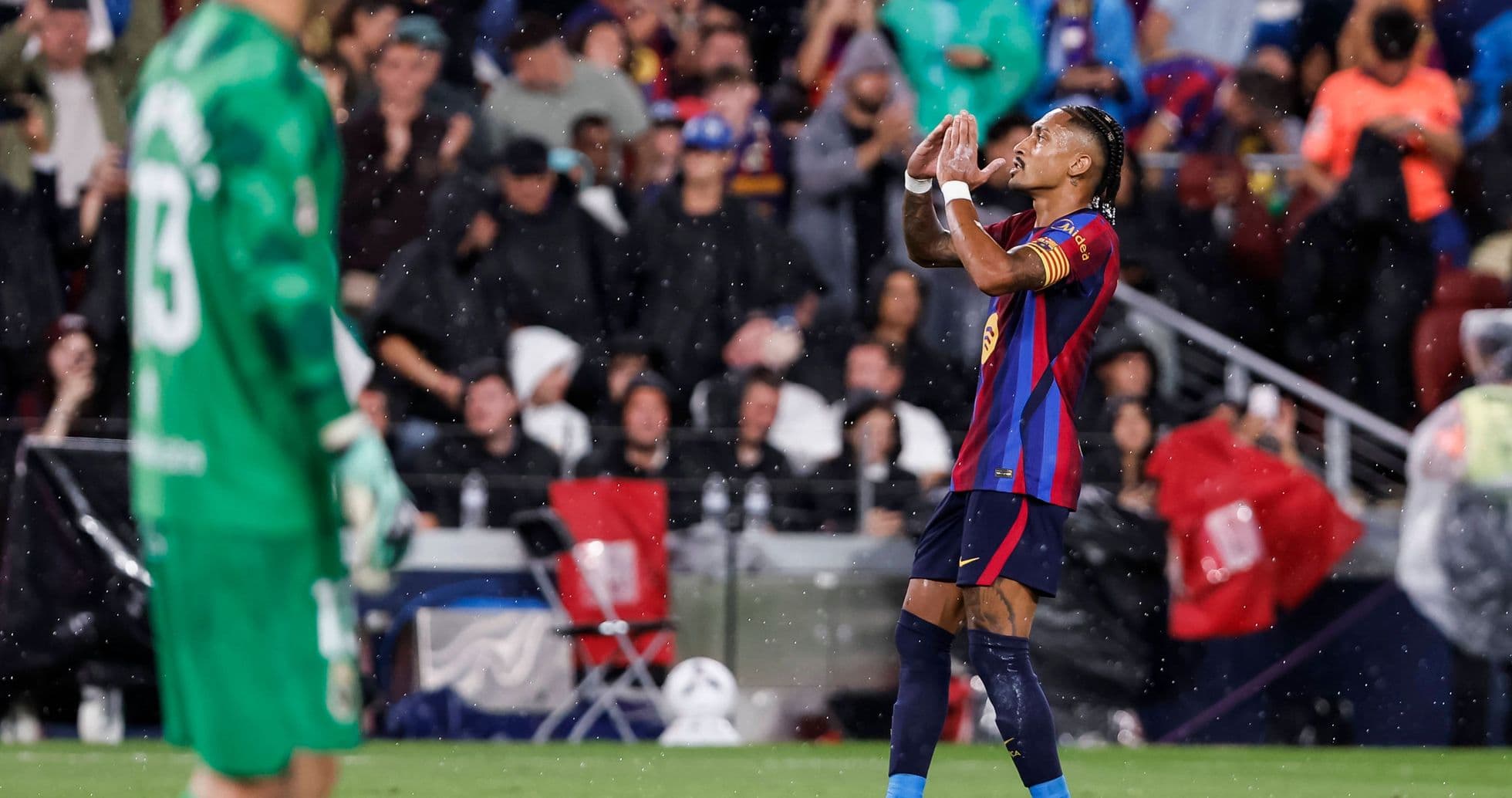
Raphinha's Hat-Trick Drives Barcelona to 7-2 Triumph Over Racing Santander
Hansi Flick Leads Barcelona to Record-Breaking Seven Wins in a Row
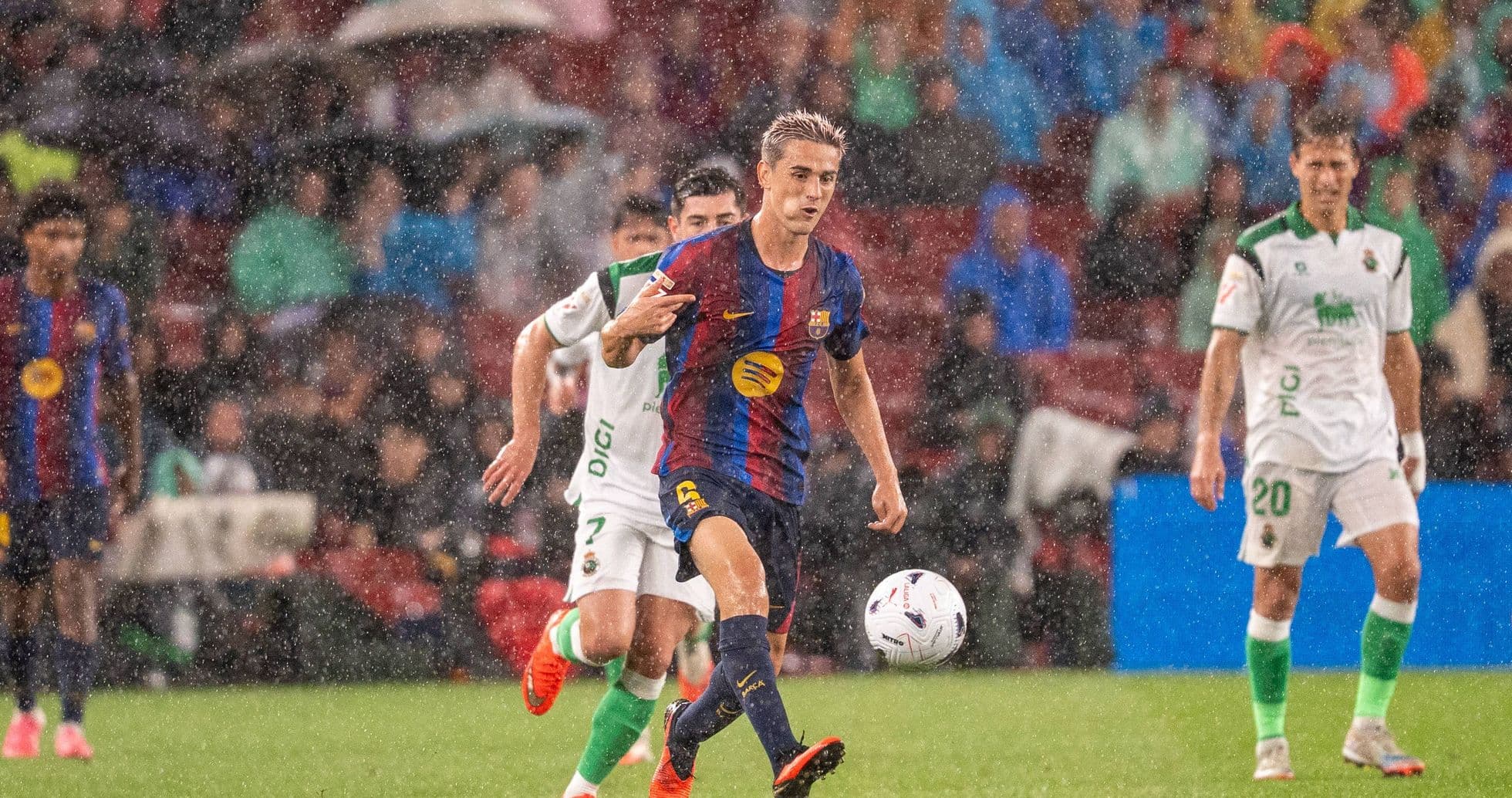
Gavi Reflects on Injury Return as Barcelona Dominate Racing Santander 7-2