
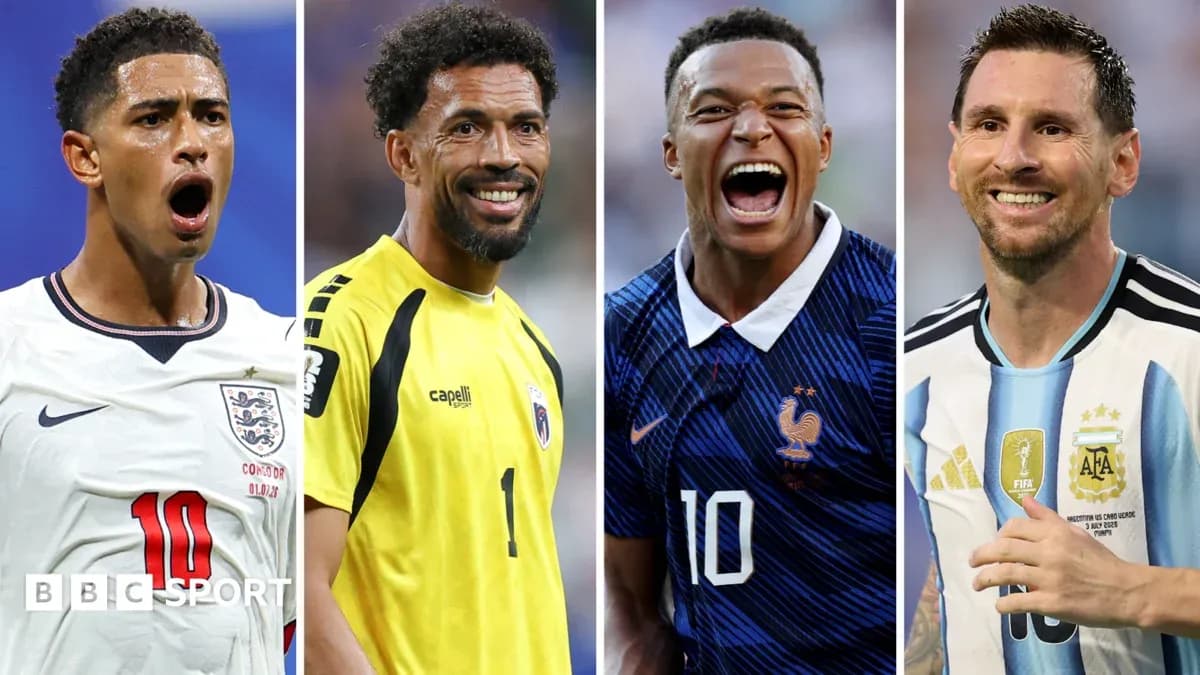
Memorable Moments from Lionel Messi’s World Cup Triumph
Lionel Messi’s World Cup will live longest in the memory for one moment of pure technique against Cape Verde. A difficult pass, arriving at pace. One touch to tame it, the second to guide it, almost casually, into the top corner from a tight angle. At 39, with defenders closing, he made the hardest skill on the pitch look like a training-ground warm-up.
Cape Verde refused to play the supporting role. Deep into extra time, with Argentina edging towards survival, Sidny Cabral stepped in from the left and shaped his body. From just inside the area, his right foot wrapped around the ball and sent it arcing into the top corner beyond Emiliano Martinez. A 103rd-minute equaliser, struck with conviction and curl, that silenced Argentina and stunned the stadium. For a few wild seconds, the world believed the holders might fall.
Those were not the only masterpieces of the tournament. In the group stage, Bosnia-Herzegovina’s Kerim Alajbegovic slalomed through Qatar’s defence, gliding past challenges before unleashing a rising right-foot shot that screamed into the net. One man, one run, one ruthless finish.
Erling Haaland delivered his own signature in the last 16 against Brazil. It looked like a lazy swing of his right boot from the edge of the box. It was anything but. The ball flew with brutal power and precision into the corner, a match-winning strike that crowned Norway’s upset and exposed Brazil’s softness under Carlo Ancelotti.
When Argentina and Switzerland locked themselves in a suffocating quarter-final, it took Julian Alvarez to rip the game open. From distance in extra time, the forward bent a swerving right-foot drive into the top corner, a shot that started as a possibility and ended as a piece of genius.
Norway’s Antonio Nusa had already shown his own artistry. A feint, a little shimmy in the box against Ivory Coast, one defender sent the wrong way, and then a calm, curling finish into the top corner. No fuss. Just perfection.
Walls in Goal, Hearts in Mouths
The outfield brilliance needed goalkeepers at their absolute peak just to keep the scorelines believable.
Johny Placide produced one of the saves of the tournament for Haiti against Morocco, a double stop that defied logic. First, he blocked with his legs, then, as the ball spun loose, he flung himself left to claw it away one-handed. A moment that kept Haiti alive and drew gasps from both sets of fans.
At the Azteca Stadium, Jordan Pickford built the platform for England’s win over Mexico. Early on, Raul Jimenez’s header seemed destined for the corner. Pickford sprang low to his left, fingertips strong, and turned it away. In a game dripping with emotion and noise, that save changed everything.
Norway’s Orjan Nyland had to rescue his own defender. Kristoffer Ajer, stretching, diverted the ball goalwards against Brazil. Nyland scrambled backwards, read the danger, leapt, twisted, and somehow turned the ball on to the post. It was a save stitched together from anticipation, agility and sheer refusal to be beaten.
Aymen Dahmen kept Tunisia alive against Japan with a reaction stop that almost defied physics. Takehiro Tomiyasu’s close-range effort looked over the line in all but fact. Dahmen’s hands said otherwise.
Patrick Beach, for Australia against Turkey, flung himself to his right to touch Abdulkerim Bardakci’s rising 30-yard drive on to the post, while Iran’s Alireza Beiranvand delivered his own miracle. He could not reach Kevin de Bruyne’s initial shot, but recovered to smother Maxim de Cuyper’s follow-up from inside the six-yard box. One moment of recovery, one flash of instinct, and Belgium were denied.
The Kings of the Ball
By the end, the official awards only confirmed what the eyes had seen. Spain captain Rodri took the Golden Ball as the tournament’s best player, the anchor and metronome of a side that conceded just one goal all competition. Messi collected the Silver Ball, Kylian Mbappe the Bronze.
Rodri’s influence ran deeper than any highlights reel. He was the irreplaceable heartbeat in midfield, just as he is for Manchester City, dictating tempo, killing danger, and allowing Spain’s attacking talent to flourish.
Messi’s campaign was about more than numbers, even if eight goals and four assists in eight games tell their own story. He orchestrated Argentina’s dramatic semi-final chase of England, dropping deep, pulling strings, and then, when it mattered, providing two decisive assists after being kept quiet in the first half. At 39, he bent the tournament to his will one more time.
Mbappe, relaxed and razor-sharp from his first news conference, backed up the body language with performances full of goals, leadership and a new level of work without the ball. This was not just a sprinter in space; it was a complete forward driving France deep into the tournament.
Jude Bellingham, for many, was the true player of the competition. The Real Madrid midfielder dragged England through games by sheer force of personality, raising his level with each round. When England wobbled, he grabbed matches by the throat, none more so than that quarter-final against Norway when he broke their hearts in Miami.
Others left indelible marks. Michael Olise, with seven assists for France and that outrageous scissor-kick against Sweden that crashed off the post, announced himself as a creative force. For some, he was the standout of the tournament. For others, the sheer defiance of Messi at 39 made the choice easy.
A New Generation Steps Forward
If Rodri and Messi owned the present, Pau Cubarsi belonged to the future. Spain’s 19-year-old centre-back played every minute of their campaign, marshalling a defence that allowed just one goal. Against France in the semi-final, he looked like a veteran, reading danger early, stepping in cleanly, and passing with authority. Fifa named him best young player; few argued.
Elsewhere, fresh faces lit up the stage. Morocco’s Ayyoub Bouaddi, long admired in Lille and Ligue 1, exploded into global view with an outstanding display against Brazil in New York New Jersey Stadium. His movement off the ball, constantly finding pockets and knitting play together, drew comparisons with Patrick Vieira and Luka Modric.
Erling Haaland might seem an odd name in a “breakout” list, but in the US he moved from star to phenomenon. His goals and presence turned him into a household name far beyond the hardcore football audience.
Cape Verde’s 40-year-old goalkeeper Vozinha became a cult hero. He started his first World Cup with seven stunning saves in a 0–0 draw with Spain, then finished it by making eight more against Messi’s Argentina, dragging the debutants to the brink of an all-time shock. His performances turned a modest social media following into a global wave, his Instagram numbers soaring from about 50,000 to more than 29 million.
The USA’s Alex Freeman impressed at full-back, his displays so strong that coach Mauricio Pochettino suggested he could become one of the best in the world in his position. Switzerland’s Johan Manzambi, just 20, played with a smile and a swagger, scoring three times in four games before injury and a big-money move to Aston Villa underlined his rise.
Mexico’s 17-year-old Gilberto Mora slipped into the starting XI and looked as if he had been there for years. Calm, technically sharp, with an air of Luka Modric about him, he seemed destined for the top.
Nights You Don’t Forget
Some World Cup memories are about more than goals or saves. They are about place, noise, and the feeling that you are standing inside history.
Mexico v England at the Azteca was one of those nights. The atmosphere was a full assault on the senses, the Mexican national anthem sung with such force it felt like the stands were shaking. For seasoned reporters on their seventh World Cup, it still ranked as the best they had ever experienced.
In Boston, Paraguay stunned Germany in one of the most dramatic penalty shootouts of the tournament. Outside the stadium, fans draped in Paraguay flags cried as they tried to explain what it meant. One father and son, in tears, called it the best day of their lives. The emotion pouring out of the ground long after the final kick told its own story.
Messi’s hat-trick in his first game of the tournament sent a different kind of message. He was not done. Not yet. Argentina’s dressing room, and much of the world, understood that another charge at the trophy was on.
Cabral’s equaliser against Argentina, from the edge of the area in the 103rd minute, turned into an instant classic. The ball flew beyond Martinez, the stadium lurched into disbelief, and Cape Verde were level at 2-2 in extra time. Argentina eventually edged it 3-2, but that strike will live on, replayed and retold as the moment the smallest of nations almost toppled the giants.
On the road across the US, fans made their own theatre. Sausages grilled from the back of pick-up trucks in Philadelphia, strangers stopping reporters for selfies because they “had to have a picture with the guy from the BBC”, and the same question echoing from city to city: “Is it coming home?”
The Let-Downs
Not every giant rose to the occasion. Brazil, under Ancelotti, looked slow and strangely flat. They trudged through the group phase, and when Norway exposed them in the last 16, it felt less like a shock and more like an inevitability. Every flaw was laid bare.
Senegal arrived with arguably the most talented squad in their history, yet off-field issues and poor management left them short. At 2-0 up against Belgium in the last 32, they seemed ready to salvage their campaign. Tactical errors and weak game control flipped the match and turned a golden opportunity into a regret.
Scotland’s failure to reach the last 32, missing out on third-placed qualification, stung. The delay before elimination was confirmed only added to the pain.
Cristiano Ronaldo and Portugal, tipped as contenders, fell with a 1–0 defeat to Spain in the last 16. Ronaldo scored three in five, but Portugal never hit the levels expected, drifting out of the tournament in frustrating fashion.
The USA, hosts with a wave of optimism behind them, unravelled. Early promise dissolved into controversy around Folarin Balogun and a limp exit to Belgium. The final being staged at MetLife Stadium in New Jersey did little to soften the mood. Huge, expensive, awkward to reach and leave, it left many longing for a more fan-friendly venue like Philadelphia.
France’s semi-final against Spain produced another anti-climax. Their star-studded front line, usually so explosive, barely flickered. Those who expected a heavyweight clash watched a flat performance instead. And Brazil’s early departure under Ancelotti only deepened the sense that some of the game’s biggest names had not delivered.
Colours in the Stands
If some teams disappointed on the pitch, their fans rarely did.
Mexico’s support became the soul of the tournament. At the Azteca and across the US, they sang, danced and roared their team forward. In Mexico City, the night before they faced England, a restaurant MC asked each table where they were from. When “England” was announced, the room broke into spontaneous applause. Warmth in rivalry, passion in defeat.
Curacao’s tiny population produced a noise that belied its size in Philadelphia. It felt as if the whole island had flown in. Brazil’s travelling army turned cities into carnivals, painting Philadelphia in yellow and green until it felt like Rio or Sao Paulo for two days.
Colombia’s fans took over Arrowhead Stadium in Kansas City, turning their match with Ghana into a rolling street party. Norway’s supporters brought the Viking row to the world, thousands of red shirts sitting in lines, leaning back and rowing in unison. The chant became a global hit, the scenes after matches when players joined in creating some of the most striking images of the tournament. In Miami, as Norway led England 1-0, they sang “You’re going home.” Moments later, Bellingham equalised. Football has a sense of humour.
Los Angeles throbbed with Mexican green, fireworks cracking across the city after wins. In New Jersey, Argentina’s support swelled beyond 60,000 on multiple occasions, their songs relentless, their passion wild. In Miami and Kansas City, they turned stadiums into slices of Buenos Aires.
And through it all, one question lingered over the noise and colour: in a World Cup of new heroes, old masters and nations punching above their weight, who will shape the next chapter when the lights go up again?
Related News
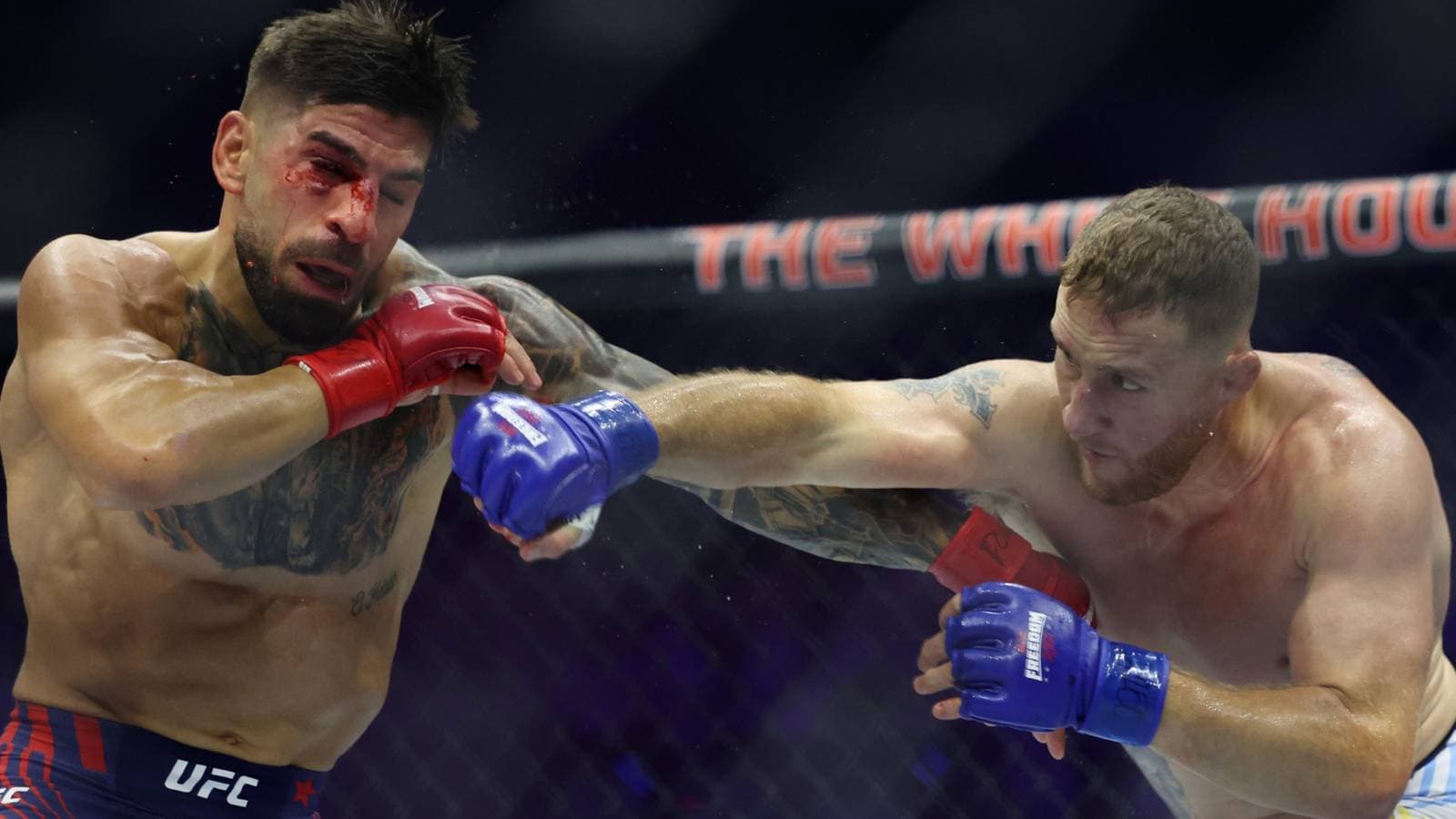
Ilia Topuria Accuses Justin Gaethje After UFC Defeat

Tyson Fury vs Anthony Joshua Fight Date and Venue Confirmed
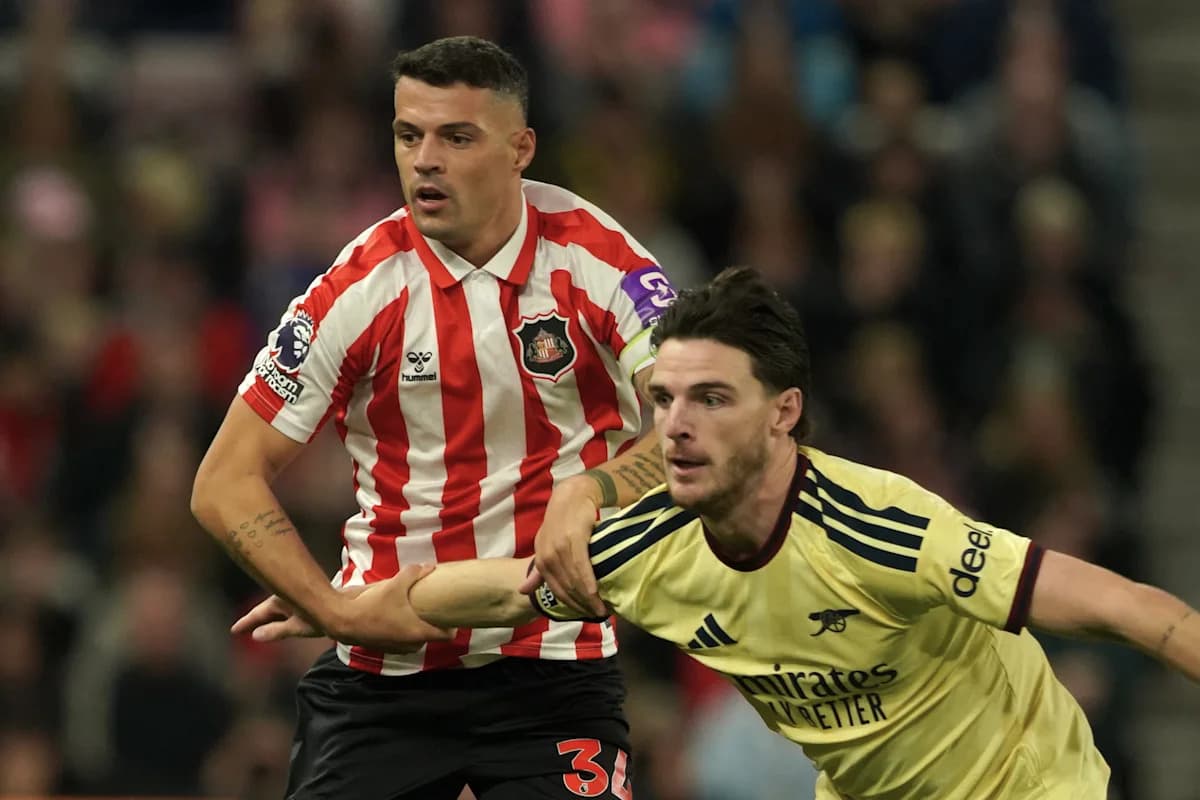
Switzerland Calls Up In-Form Sion Striker Winsley Boteli for Nations League
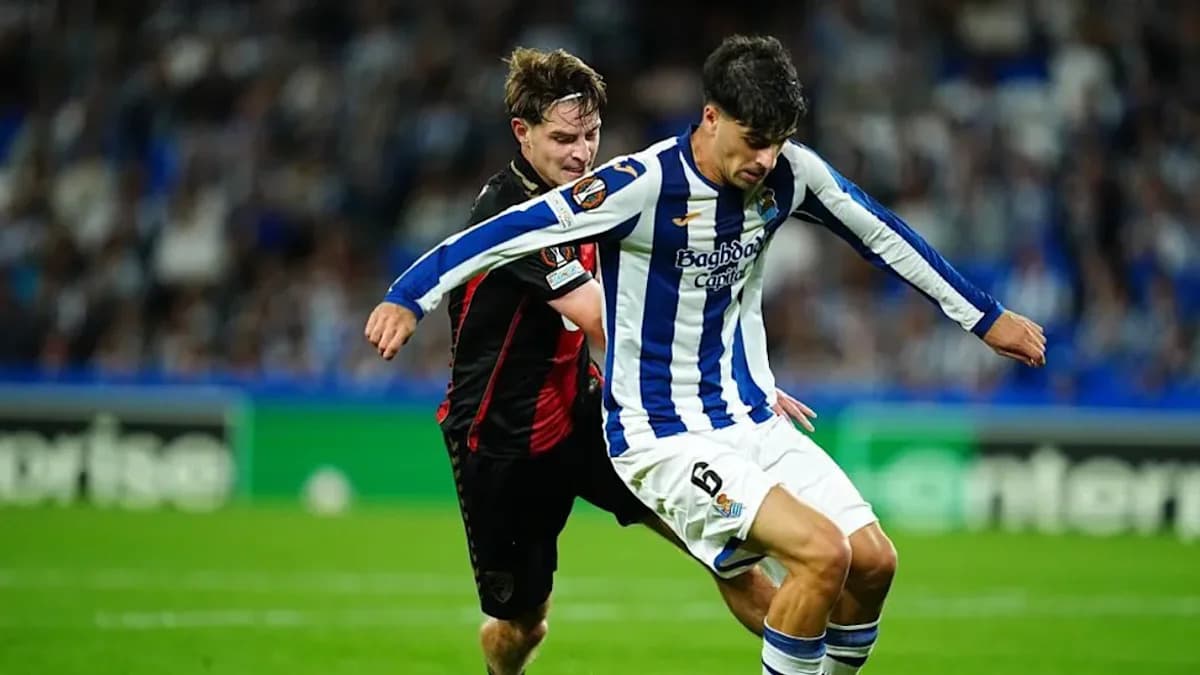
Bournemouth Secures Historic 2-1 Win Over Real Sociedad in Spain
Portugal Announces Squad for 2026 UEFA Nations League; Cristiano Ronaldo Expected to Play
Raphinha Channels Ronaldo Nazario as Barcelona's Leading Striker After Position Change