
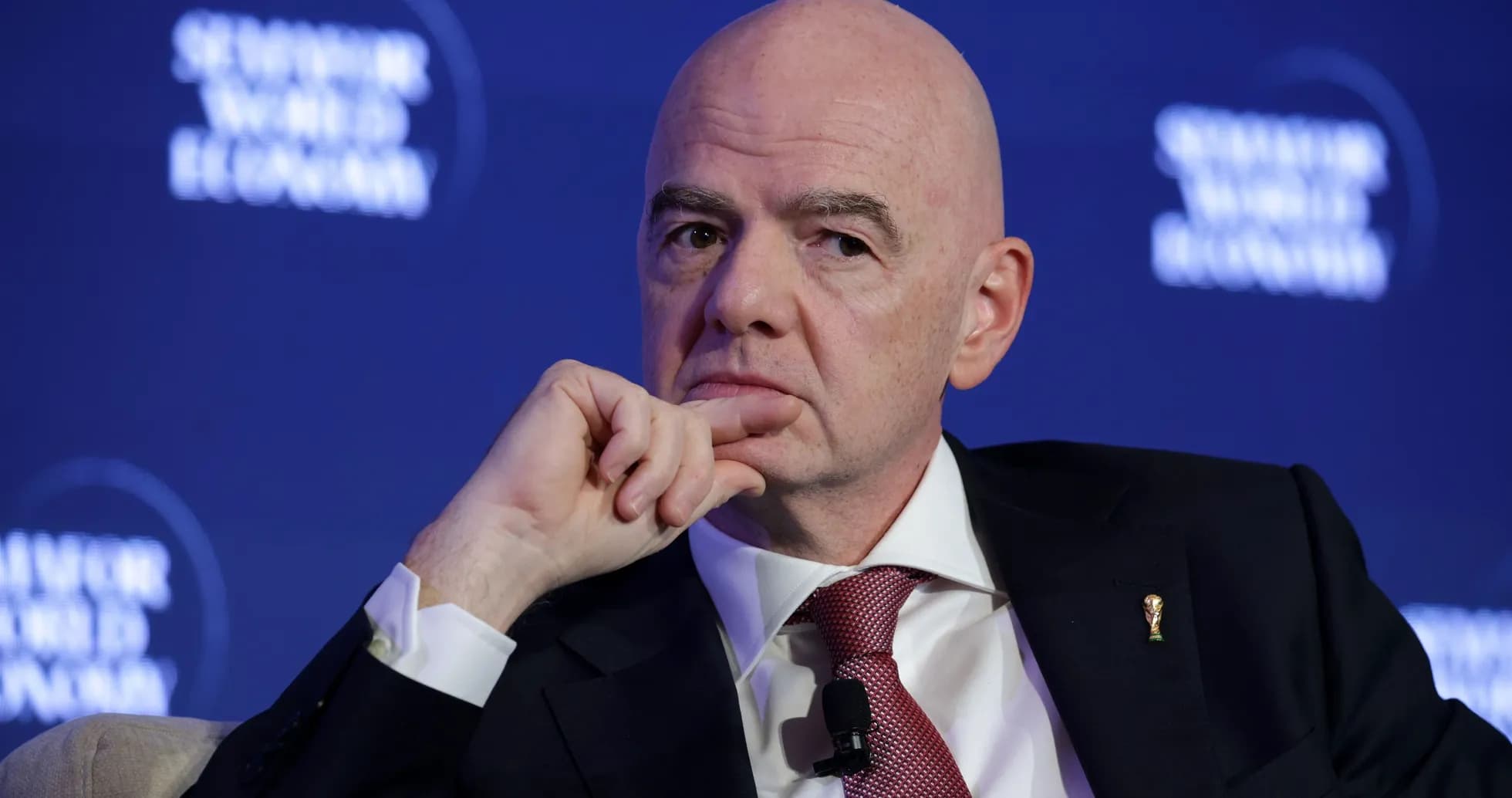
Max Eberl Criticizes FIFA Amid European Revolt
Max Eberl did not bother with diplomacy. The Bayern Munich sporting director went straight for the heart of the debate – and straight at Gianni Infantino’s FIFA.
"I am ashamed that we even discuss such ideas in football. Football does not belong to us," the 52-year-old said, as quoted by Sky Sport. "I have the feeling that FIFA exists solely to make a profit. It disgusts me."
No carefully polished corporate language. Just raw anger from one of German football’s most influential powerbrokers, reflecting a mood that is hardening across Europe as FIFA pushes ahead with its controversial investment model.
Talk of boycott no longer a whisper
The clash between FIFA and Europe has been simmering for months. Now it is close to boiling over.
Reports of a potential World Cup boycott by UEFA member nations are no longer dismissed as fantasy. They are being discussed in boardrooms and corridors of power, with Eberl making it clear where he stands if Europe decides to draw a line.
"Then I would indeed be in favor of us as Europe taking a firm stand and saying: No, we won't participate," he declared.
That is not a fringe voice. At the Allianz Arena, Eberl operates at the centre of one of the game’s most powerful institutions. When a figure in his position openly backs the idea of a coordinated European refusal to take part in FIFA’s flagship competition, it underlines just how deep the mistrust has become.
Sammer’s warning: integrity on the line
Not everyone is as explosive as Eberl, but the concern runs just as deep.
Matthias Sammer, the former Ballon d’Or winner and current Borussia Dortmund advisor, struck a more measured tone yet pointed to the same fault line: the integrity and emotional core of the sport.
"Gianni Infantino first has to manage to please everyone. That's his job and FIFA's. It's always a fine line," Sammer said, acknowledging the political tightrope the FIFA president walks in an era of globalised, money-driven football.
Then came the sting. Sammer warned that the "emotional credibility" of the game is being gambled away in pursuit of ever greater financial returns for the global organisation. He spoke of a "danger when the integrity of the game is interfered with" – a phrase that will resonate with fans who already feel the sport drifting away from them.
Where Eberl rages, Sammer cautions. The message, though, is strikingly similar: push too far, and something essential in football breaks.
FIFA’s deadline, Europe’s dilemma
Infantino is not backing off. Despite the backlash, FIFA is driving on with a strict timetable, giving member associations a September deadline to sign off on the deal.
The carrot is obvious: a promise of millions for each federation. For many associations outside Europe, that money is transformative. For some, it is survival. This is the leverage FIFA is banking on as it seeks approval.
Across Europe, the calculation looks different. Governing bodies remain deeply sceptical about what this model means for the long-term integrity of the sport. The fear is that short-term cash comes at the price of control, calendar congestion, and a further shift of power towards Zurich.
At Bayern Munich, the stance is clear. For Eberl and the club hierarchy, no financial windfall can justify what they see as an erosion of football’s identity. The game, in their eyes, is being reshaped around commercial imperatives that leave sporting values trailing in their wake.
Europe’s choice
Everything now moves towards the upcoming UEFA meetings, where the continent’s federations must decide how far they are willing to go.
Fall in line with FIFA and accept the investment model – or risk a historic rupture with the world governing body. The word "boycott" no longer belongs to fan protests or hypothetical debates on talk shows. It sits on the desks of presidents and general secretaries.
Eberl has nailed his colours to the mast. Sammer has sounded the alarm. The next move belongs to Europe – and the decision it takes could redefine who really owns the future of the World Cup.
Related News
Ilia Topuria Accuses Justin Gaethje After UFC Defeat
Tyson Fury vs Anthony Joshua Fight Date and Venue Confirmed
Switzerland Calls Up In-Form Sion Striker Winsley Boteli for Nations League
Bournemouth Secures Historic 2-1 Win Over Real Sociedad in Spain
Portugal Announces Squad for 2026 UEFA Nations League; Cristiano Ronaldo Expected to Play
Raphinha Channels Ronaldo Nazario as Barcelona's Leading Striker After Position Change