
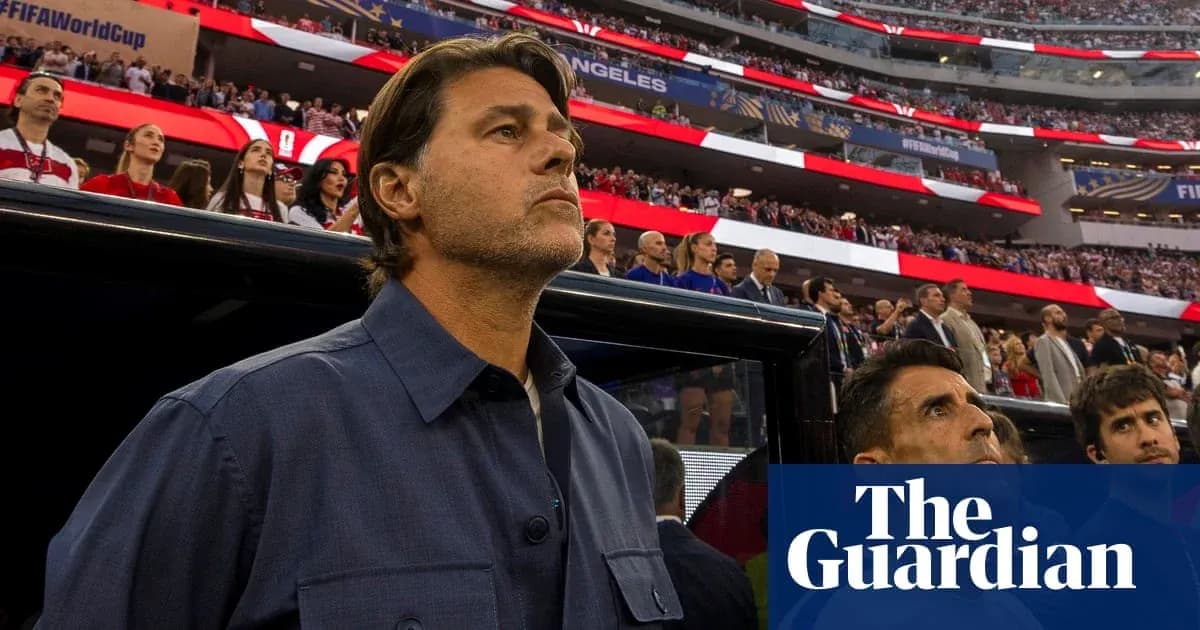
Mauricio Pochettino's Future with US Soccer: A Project for the Long Haul
Mauricio Pochettino has been handed a clear message from US Soccer: this is your project, and they want you in it for the long haul.
Multiple sources have confirmed that the Argentine has been offered a contract extension that would keep him in charge of the US men’s national team through the 2030 World Cup – a deal that would tie his future to the country’s most ambitious footballing decade.
A long courtship, a looming decision
This offer has not arrived out of the blue. Pochettino and the US Soccer Federation have been locked in talks for around three months, a measured back-and-forth that has played out quietly in boardrooms and more openly in front of microphones.
US Soccer CEO JT Batson has not hidden from the subject. As recently as late May, he spoke openly about negotiations, just as reports surfaced that Pochettino had held talks with Serie A side Milan. Pochettino batted away questions about the Italian club with trademark coyness. Batson, though, was more direct, admitting that the federation had fielded “many inquiries” for their head coach.
“[Pochettino], and the entire team, has been incredibly transparent [through] the entire process,” Batson said in May. “He had standing offers from other places to come [when we hired him initially], and he wanted to be here. He’s a big believer in what we’re doing at US Soccer. He’s a big believer in soccer in America, and he’s a big believer in this men’s team.”
The courtship is clear. So is the stance from the man at the center of it. Pochettino has repeatedly said he will not make a call on his future until after the World Cup. The timing is deliberate. All leverage, all scrutiny, all emotion – they peak on this stage.
Financially, he already sits among the elite. Publicly available figures put his salary at around $4m a year, with a bonus structure that pushes the total significantly higher. The Athletic first reported the existence of the new contract offer; the Guardian has now confirmed the scope and timing around it.
Mixed tenure, clear World Cup statement
Strip away the politics and the pay, and one thing has cut through the noise: the World Cup. Pochettino’s 22 months in charge have not been flawless, but on the biggest stage his team have delivered.
The US have produced their best-ever group-stage performance at a World Cup under the 54-year-old. They swept aside Australia and Paraguay with authority, securing top spot in the group before a tight, hard-fought defeat to already-eliminated Turkey. It was a loss that irritated competitors more than it alarmed them. The work had already been done.
Now comes the real test. A last-32 clash with Bosnia and Herzegovina awaits. By punching their ticket to the knockout rounds, Pochettino’s side sit just two wins away from matching the country’s best modern-era finish at a World Cup. For a coach who had never worked in international football before this job, it is a compelling opening act.
Fans and pundits long assumed this would be a short-term marriage. Pochettino, the former Tottenham Hotspur head coach, was widely viewed as a club man, a tactician who would ride the World Cup wave and then return to the weekly grind of European football. That narrative has started to fray.
Legacy, not just a contract
In recent months, Pochettino has shifted his tone. The door, he has made clear, is not closed on an extended stay.
“We told the federation we are open,” he said during a media roundtable this week. “But we don’t want to distract when all the energy needs to be with my players ... If the American people start to show passion in our sport too, why not be here being part of something that can create a legacy? For me, the most important legacy is the connection between the national team and the fans.”
That word – legacy – hangs over everything. This is not just about another cycle, another four-year plan. The proposed deal would run through a home World Cup in 2026 and on to 2030, anchoring Pochettino at the center of a decade in which US Soccer is trying to transform its place in the global game.
The federation has been acting like an organization that expects to matter. Hiring Pochettino was the first major statement. Opening a $250m training facility in Atlanta, Georgia, was another. The infrastructure is rising. The question is whether the architect on the touchline wants to stay and see the full blueprint realized.
For now, Pochettino’s answer is parked until the final ball of this World Cup is kicked. The offer is on the table. The team is in the knockouts. The country is watching.
If the passion he talks about truly takes hold, will he walk away from the chance to shape American football’s defining era, or decide that this, not Europe, is where his legacy will be written?
Related News
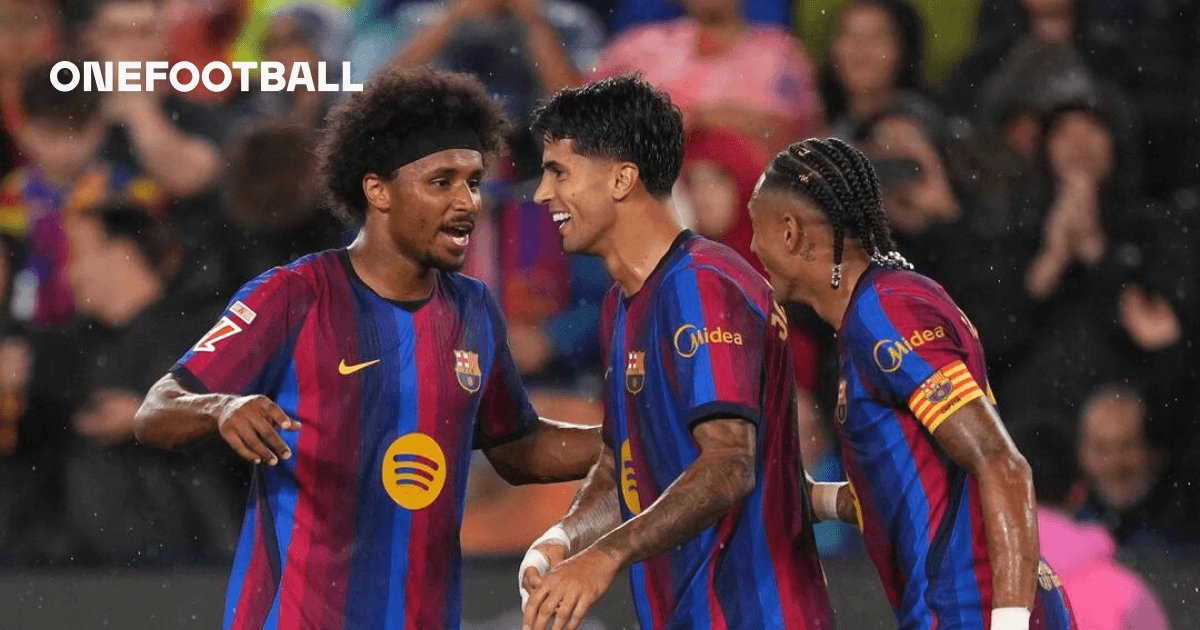
Raphinha’s Hat-Trick Powers Barcelona to 7-2 Victory Over Racing Santander

Carabao Cup Fourth Round Draw: Liverpool Set to Clash with Chelsea, Arsenal to Face Fleetwood Town
Key Football Matches to Watch in Azerbaijan This Autumn
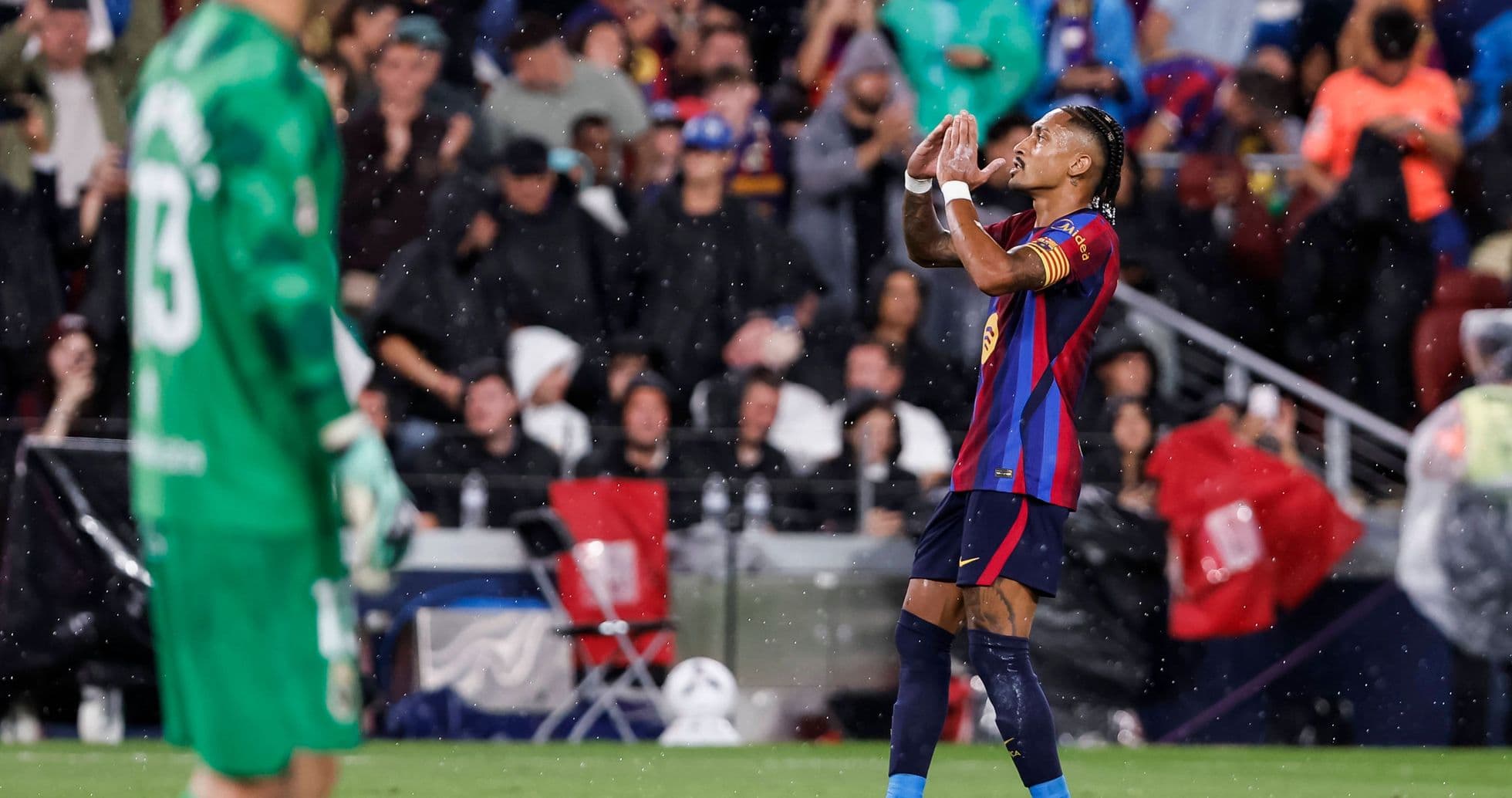
Raphinha's Hat-Trick Drives Barcelona to 7-2 Triumph Over Racing Santander
Hansi Flick Leads Barcelona to Record-Breaking Seven Wins in a Row
Gavi Reflects on Injury Return as Barcelona Dominate Racing Santander 7-2