
Marcelo Bielsa: The Coach Who Rejects Football's Circus
Marcelo Bielsa has never cared much for the performance around football. The football is the performance.
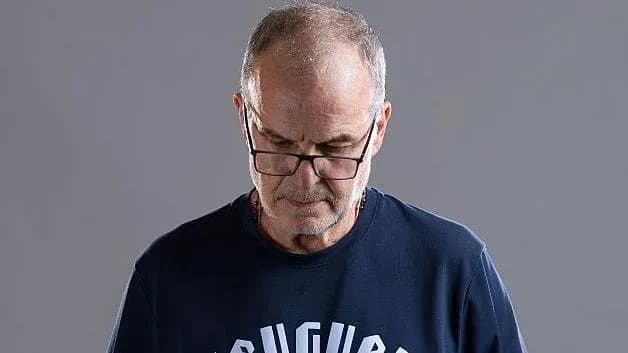
So when FIFA’s official World Cup portraits dropped and Uruguay’s 70-year-old head coach appeared staring downwards, stone-faced, as if the camera were an inconvenience rather than an occasion, it felt entirely on brand. No smile. No pose. No theatre. Just Bielsa, looking like a man dragged away from a tactics screen.
In a tournament where players and coaches usually seize their second in the global shop window, Bielsa chose to look at the floor.
The reaction was inevitable. Social media dissected the image. Was it a statement? A protest? A joke? After Uruguay’s 1-1 draw with Saudi Arabia in Miami on Monday, the questions followed him into the press room.
He brushed them away with the same bluntness that has defined his career.
“I don't have to give any explanation, the picture was taken the way it was taken,” he said. “I'm not a model.”
No smile there either.
FIFA’s portrait sessions have become part of the modern World Cup circus, a made-for-broadcast ritual that feeds graphics, promos and endless online chatter. Most lean into it. Players grin, flex, point to the badge. Coaches straighten the tie, square the shoulders and play along.
Bielsa refused to play.
The Argentine, one of the most respected and idiosyncratic coaches of his generation, is at his third World Cup in charge of a national team, having previously led Argentina and Chile on this stage. He has built a reputation on obsessive preparation, monastic work habits and a stubborn refusal to conform to football’s softer edges.
So when another question came his way later in the news conference, he circled back to the subject on his own terms.
“There is a limit in terms of what we need to explain,” he said. “If I'm wearing glasses, why am I wearing glasses?
“You look somebody in the eye, why do you do that?
“There is nothing wrong about wearing glasses or looking into somebody's eyes or looking down.”
It was classic Bielsa: a mundane topic turned into a small lecture on boundaries, intention and the absurdity of over-analysis. To him, a photograph is a photograph. Nothing more. The idea that he should justify his posture in a staged shoot seemed, frankly, ridiculous.
This is the same coach who once sat on an upturned bucket on the touchline at Marseille, who turned a video room at Leeds into a kind of football bunker, who sent his players litter picking around the city to understand the working lives of their supporters. The nickname “El Loco” has followed him for decades, but much of what gets labelled as eccentricity is simply an extreme devotion to the game and a refusal to waste energy on what he sees as trivia.
If there is a choice between the lens and the training pitch, Bielsa will always choose the pitch.
Uruguay, for their part, have little time to dwell on the photo storm. The draw with Saudi Arabia leaves their group finely poised, and next comes one of the tournament’s early storylines: Cape Verde, the surprise package of the pool.
They meet on Sunday at 23:00 BST, a late kick-off that will suit Bielsa just fine. Less glitz. More work. Another night to test his ideas against a team riding a wave of momentum.
The cameras will be there again, of course. The portraits will keep circulating. The debates about body language and hidden meanings will roll on.
Bielsa will be thinking about Cape Verde’s press, their transitions, their set-pieces. The rest is just noise.
Related News
Raphinha’s Hat-Trick Powers Barcelona to 7-2 Victory Over Racing Santander
Carabao Cup Fourth Round Draw: Liverpool Set to Clash with Chelsea, Arsenal to Face Fleetwood Town
Key Football Matches to Watch in Azerbaijan This Autumn
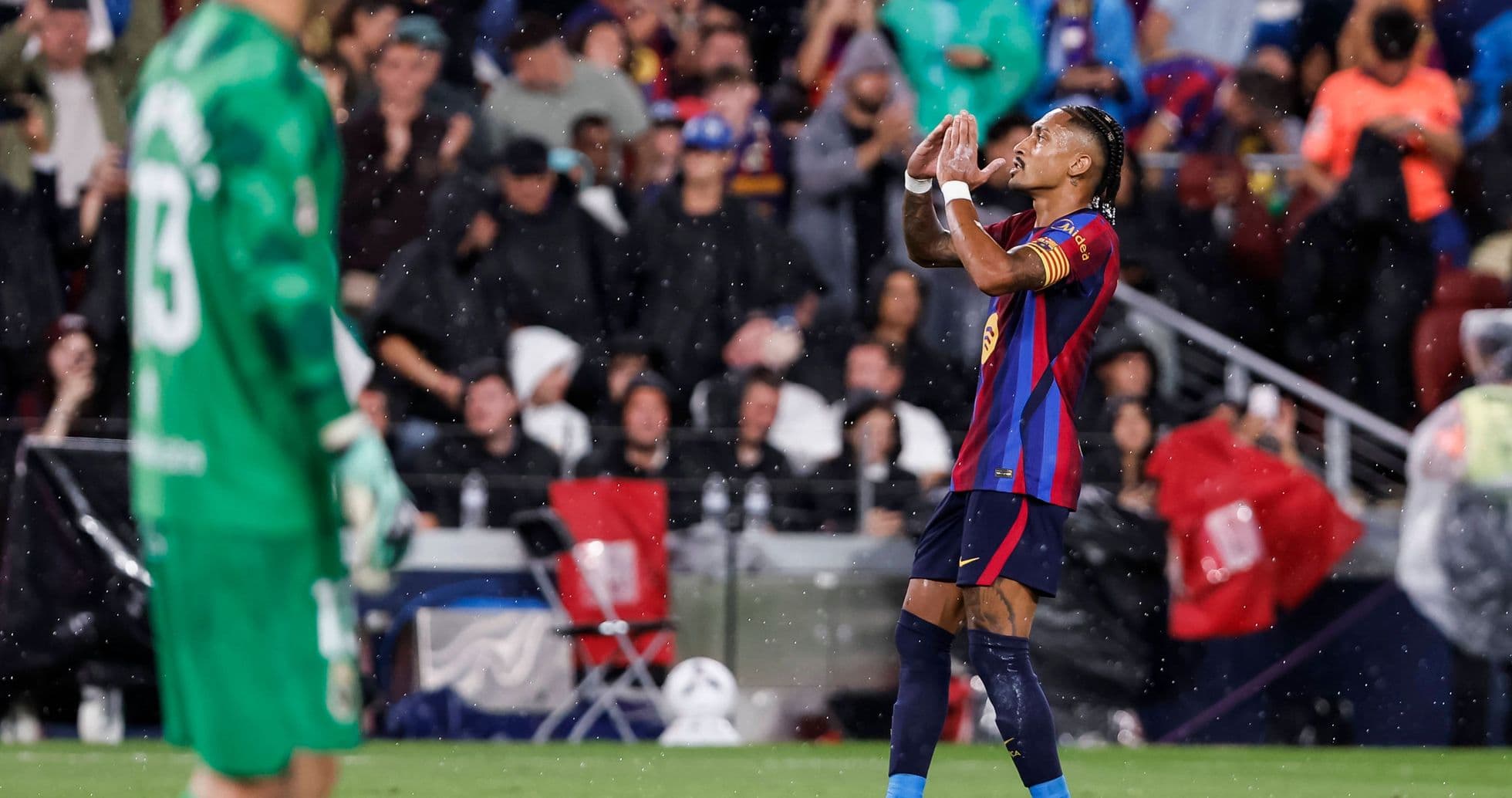
Raphinha's Hat-Trick Drives Barcelona to 7-2 Triumph Over Racing Santander
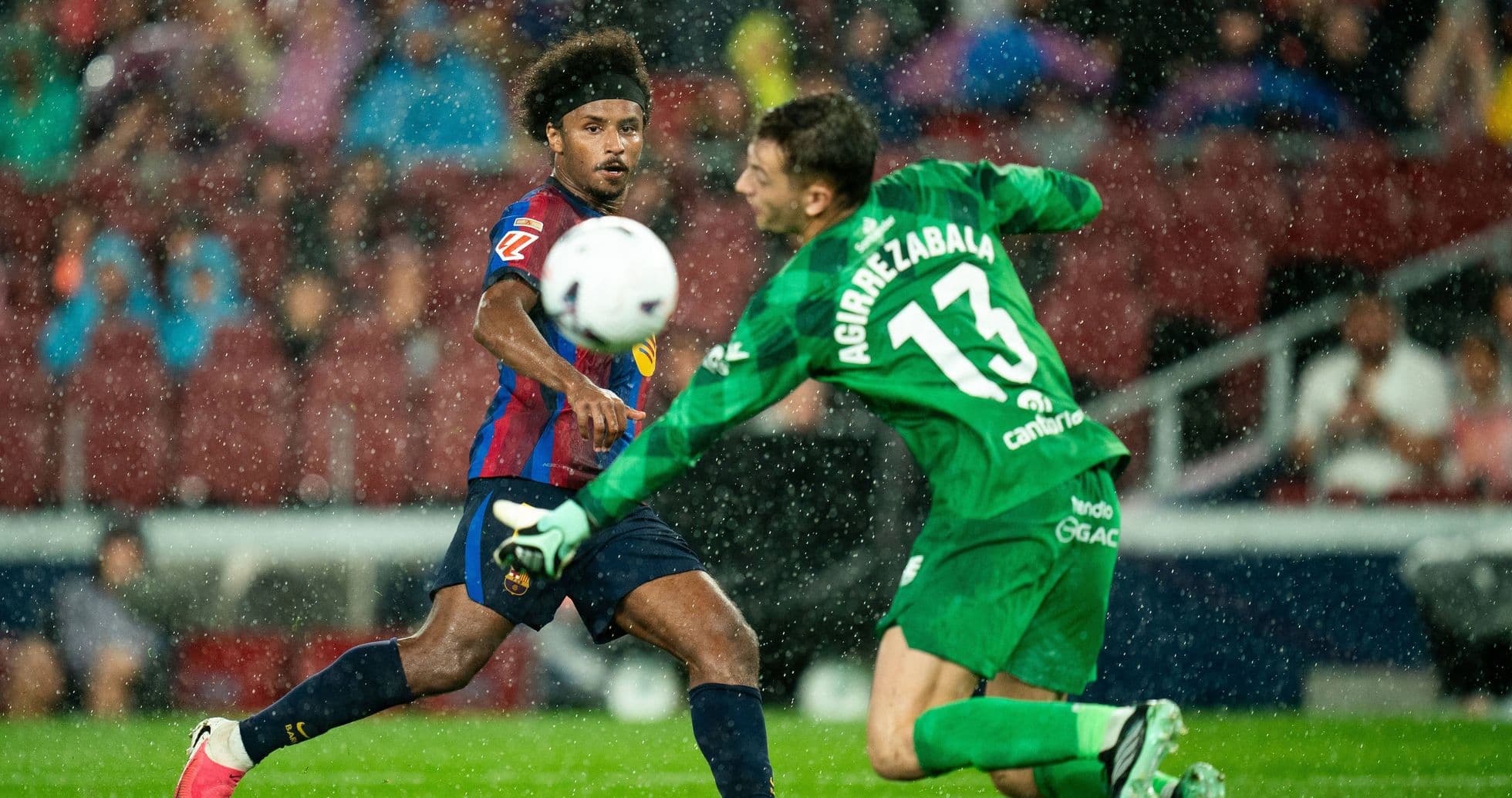
Hansi Flick Leads Barcelona to Record-Breaking Seven Wins in a Row
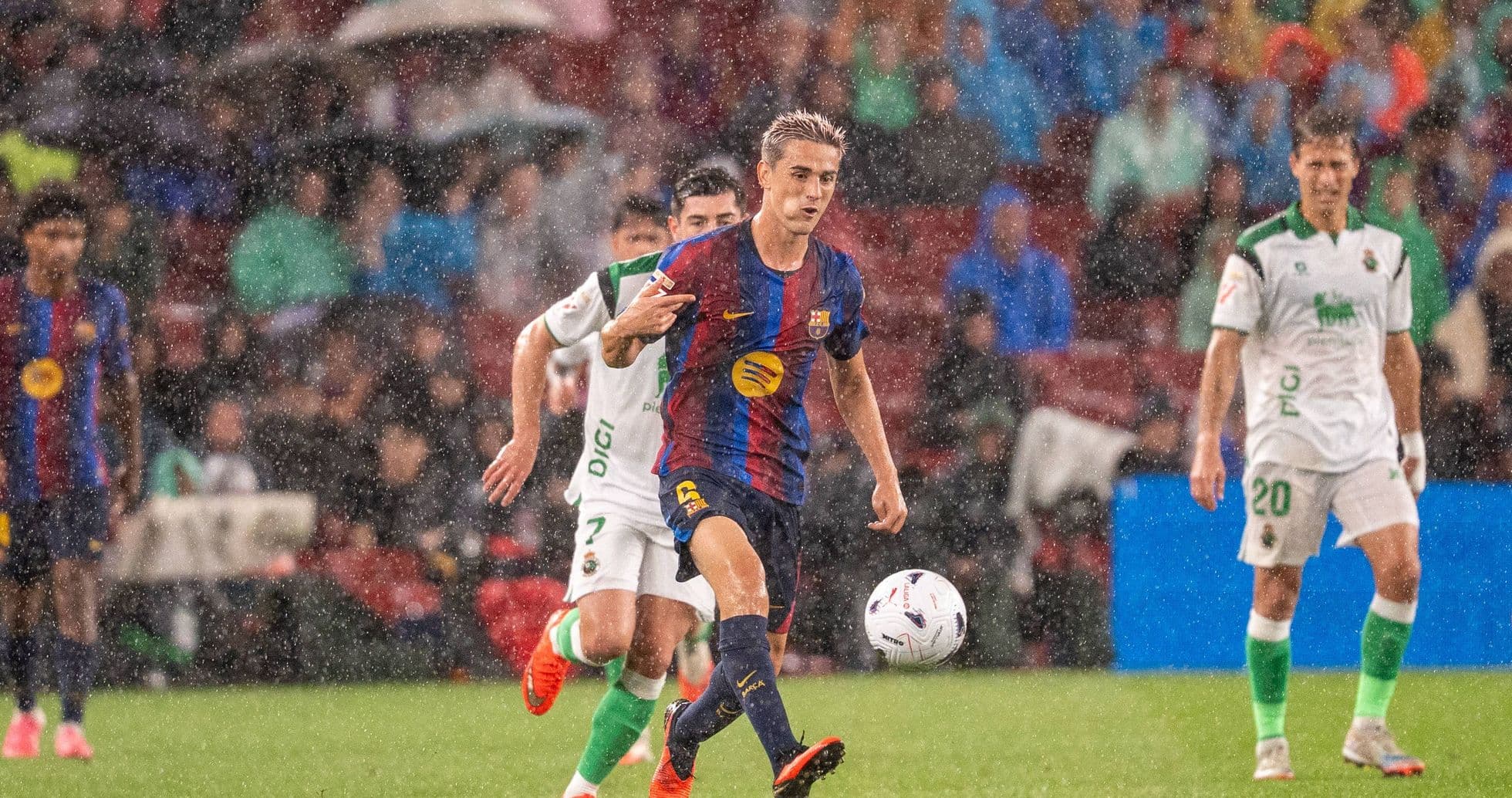
Gavi Reflects on Injury Return as Barcelona Dominate Racing Santander 7-2