
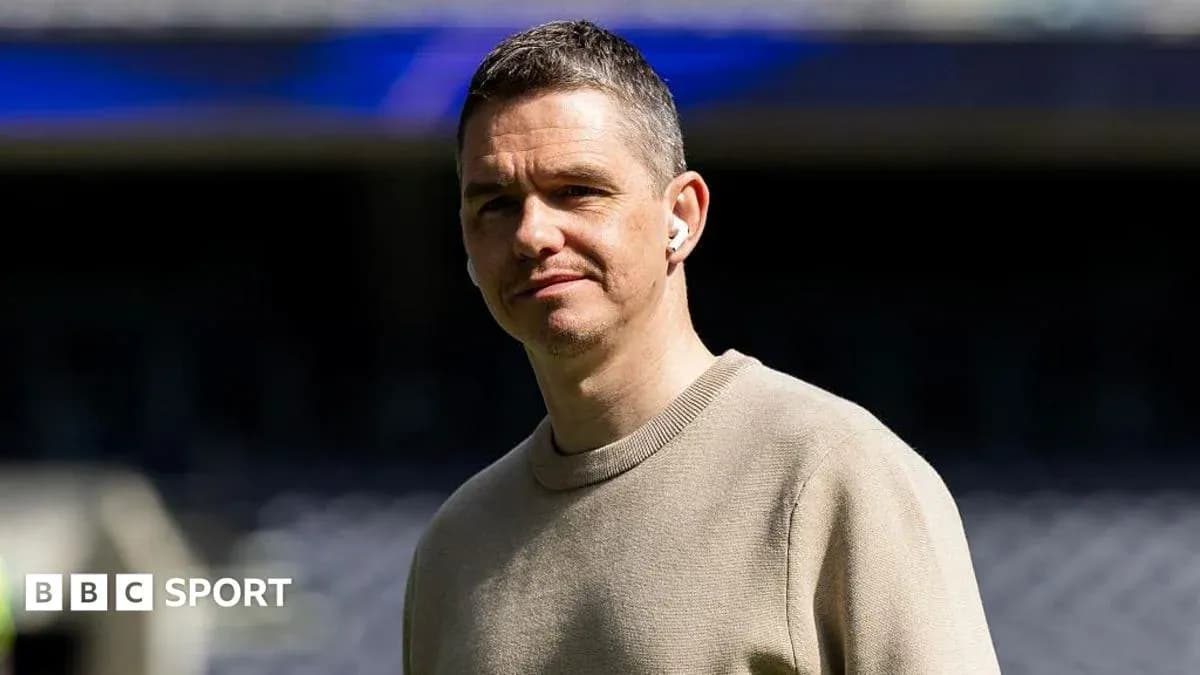
Marc Skinner Steps Down as Manchester United Women’s Manager
Manchester United’s women’s side will begin the new season without the man who has overseen their entire rise into the elite. Marc Skinner, the manager who delivered the club’s first major trophy, has stepped down barely a month before the Women’s Super League campaign begins.
The timing is brutal. The context even more so.
End of an era
Skinner, 43, leaves after five years in charge, a tenure that tracked United’s journey from ambitious project to genuine contender. Under him, United lifted the Women’s FA Cup in 2024, a landmark first major honour and a symbolic moment for a team built to challenge the traditional powers.
He also guided them into the Women’s Champions League group stage for the first time last season, pushing the club into territory they had long targeted. Three domestic cup finals ended in runners-up medals, but they underlined United’s consistency in reaching the sharp end of competitions.
Now, on the eve of another season, that continuity has gone.
United are due to open their campaign away to London City Lionesses on 4 September at 19:00 BST. They will travel to London without the coach who shaped their identity.
Investment tensions boil over
Skinner’s exit does not arrive in a vacuum. The former Birmingham City head coach has raised concerns over a lack of investment in the squad, and United’s summer has been conspicuously quiet.
While the club has shifted its recruitment model towards younger players, aiming for sustainable, long-term success, the short-term optics are stark. Rivals have moved aggressively; United have not.
Manchester City, Arsenal and Chelsea have all strengthened, flexing their depth and ambition. London City Lionesses, who finished fifth last season, made one of the most eye-catching signings of the window by bringing in two-time Ballon d’Or winner Alexia Putellas. Tottenham added Lyon defender Alice Sombath, another signal of the league’s growing arms race.
United, by contrast, have talked about development and sustainability. Supporters have watched the window tick by and grown increasingly frustrated at the lack of big-name arrivals. The gap between rhetoric and reality has become harder to ignore.
The club has made structural moves. BBC Sport reported in July that the girls’ academy will train at Carrington, the club’s main training base, this season. It is a clear investment in the pathway and facilities. But it does not immediately help a senior squad that must compete every week with the most expensively assembled teams in the country.
The pressure finally told.
Mutual parting, urgent search
It is understood that Skinner and the club held discussions over the summer, with both sides eventually reaching a mutual agreement for him to depart. No public row, no dramatic sacking. Just a clear sense that their visions no longer aligned strongly enough to continue.
Behind the scenes, United insist they are already well down the road towards appointing a successor. Background checks on potential candidates have been completed, and the shortlist is believed to be tight.
One requirement stands out: United want a coach with a proven track record in developing players. That fits the club’s new recruitment strategy and the decision to move the girls’ academy into Carrington. The next manager will be expected not only to win, but to grow a core of talent that can sustain the club for years.
That philosophy sounds admirable. It also carries risk in a league where the here and now is becoming more ruthless by the season.
A club at a crossroads
Skinner’s departure strips away a layer of certainty just as the WSL prepares to kick off. United have lost the architect of their modern era at a moment when rivals are accelerating.
The new coach will inherit a squad caught between two realities: a club that talks about long-term building, and a fanbase that has tasted a first major trophy and wants more.
With the season opener in London looming and the transfer window narrative already written elsewhere, the question hangs over Carrington: can United still keep pace while building for tomorrow, or has the rest of the league already sprinted ahead?
Related News

Raphinha’s Hat-Trick Powers Barcelona to 7-2 Victory Over Racing Santander
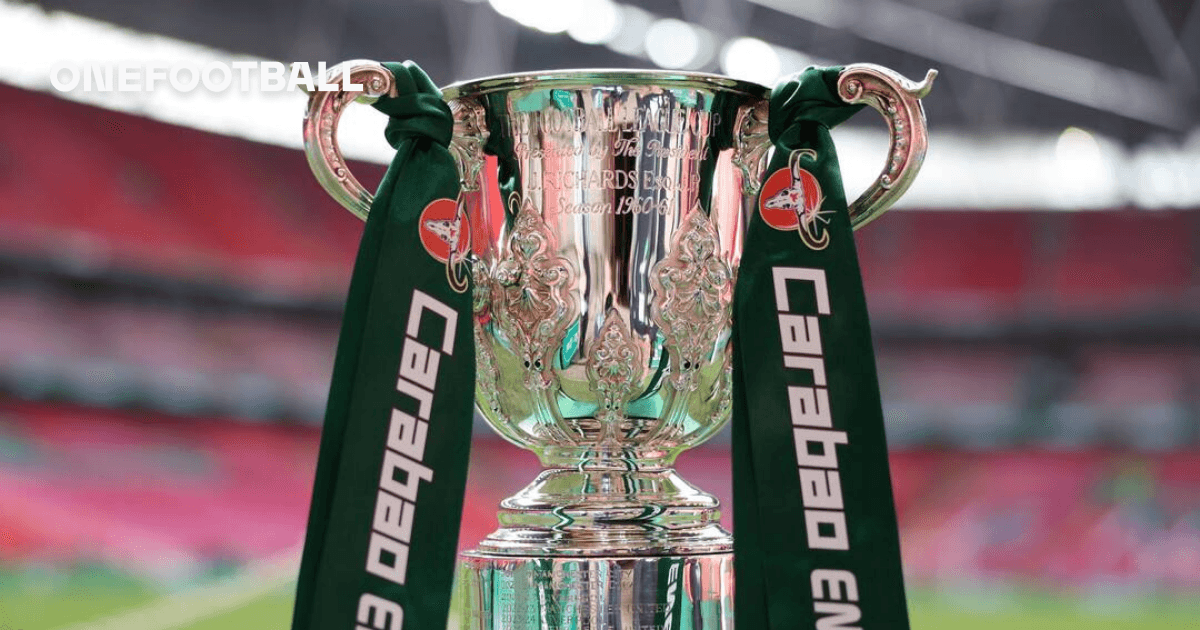
Carabao Cup Fourth Round Draw: Liverpool Set to Clash with Chelsea, Arsenal to Face Fleetwood Town
Key Football Matches to Watch in Azerbaijan This Autumn
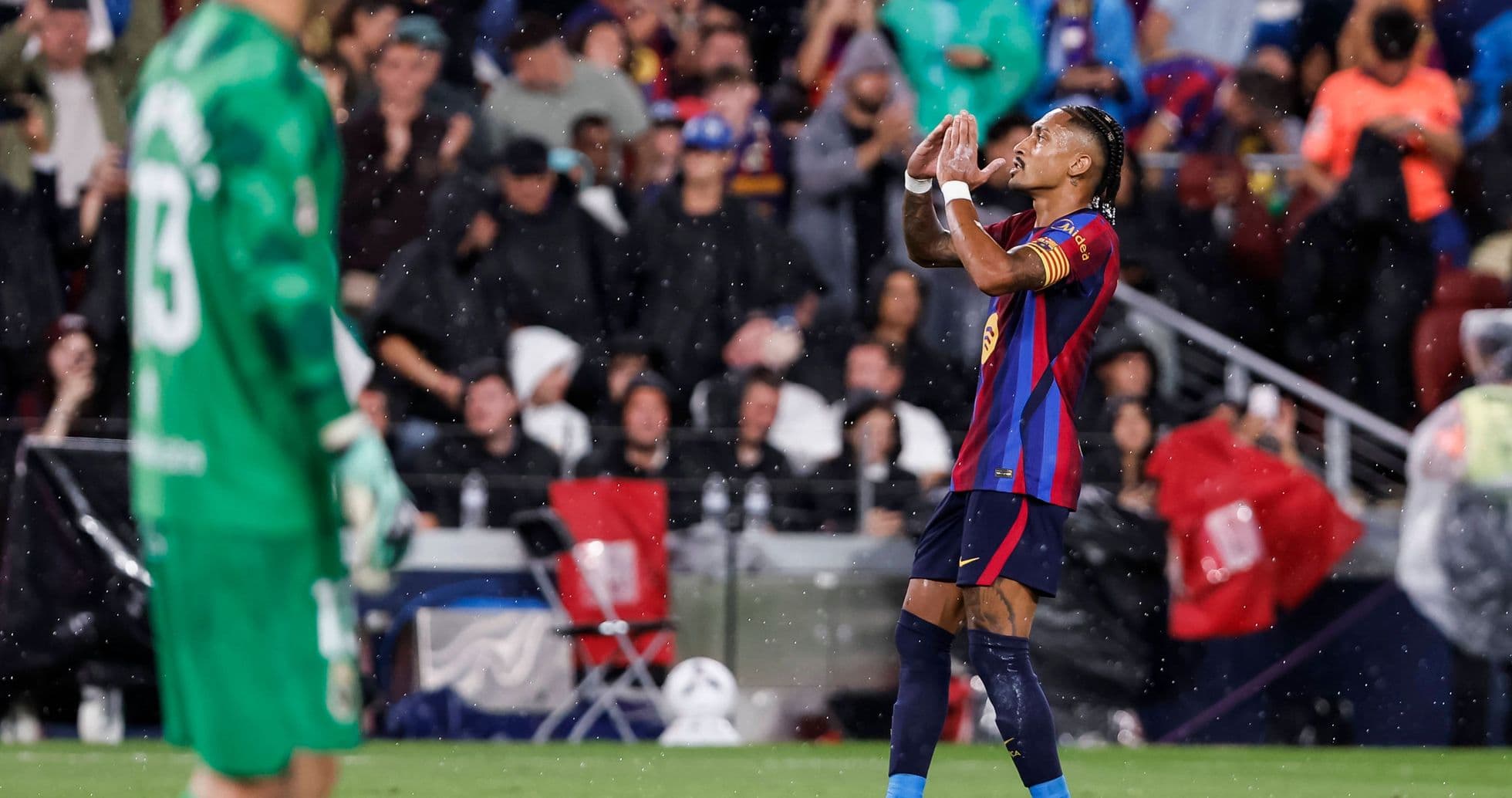
Raphinha's Hat-Trick Drives Barcelona to 7-2 Triumph Over Racing Santander
Hansi Flick Leads Barcelona to Record-Breaking Seven Wins in a Row

Gavi Reflects on Injury Return as Barcelona Dominate Racing Santander 7-2