
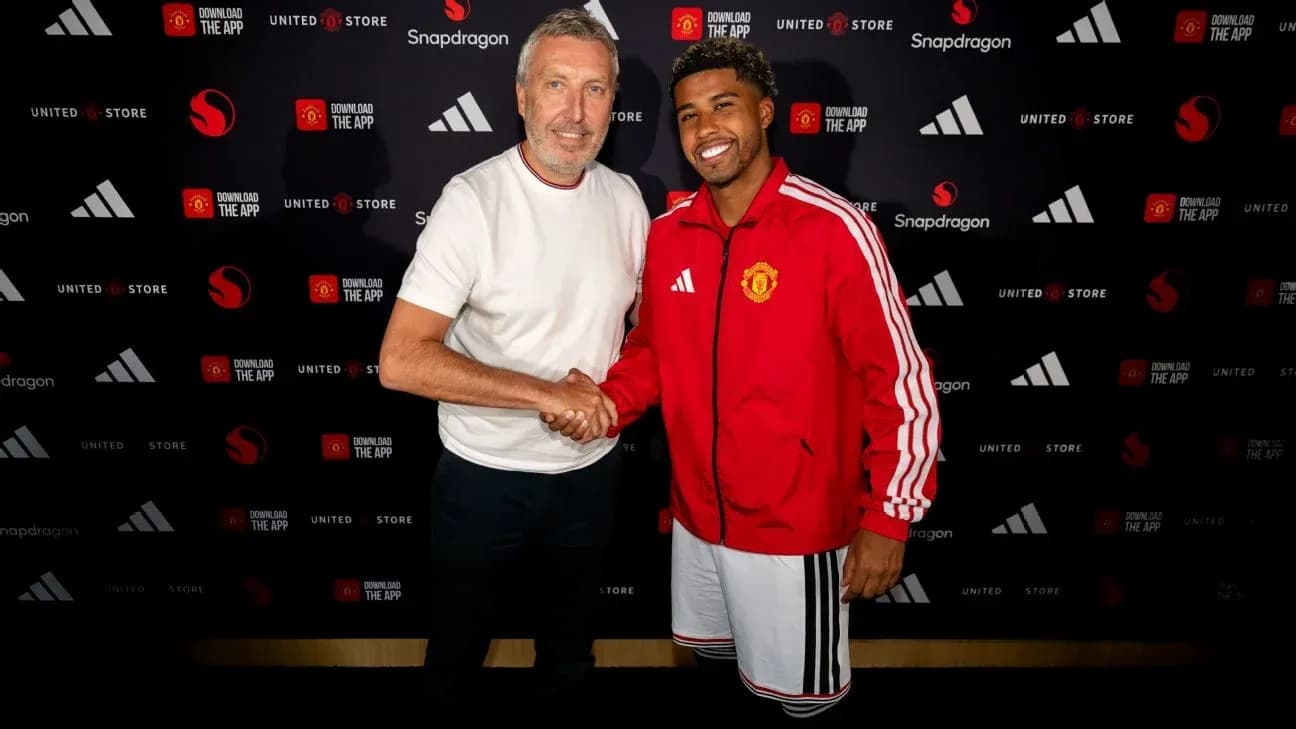
Manchester United's Summer Transfer Saga: Midfield Dilemmas and Targets
Manchester United’s summer was never supposed to look like this.
The blueprint was clear enough back in May: one marquee midfielder, one carefully targeted supporting act, a couple of smart exits to balance the books, and a sense of controlled momentum under Omar Berrada and Jason Wilcox. Instead, United have spent the window ducking and weaving, watching primary targets vanish to rivals and medicals derail deals that looked done.
They haven’t torn it all up. But the plan now bears more than a few red pen corrections.
From Anderson and Fernandes to Santos and Tielemans
The original midfield rebuild was drawn around Elliot Anderson and Mateus Fernandes. United knew they needed a new heartbeat, ideally two. Anderson was the first name on the board, the England international viewed internally as the top target for the role.
Reality bit early.
Manchester City’s interest hardened, Nottingham Forest dug in, and the numbers rocketed towards £120 million. Anderson eventually crossed the city divide for £116 million, and United stepped away long before the final push. They had already learned that lesson in January.
Back then, Bournemouth winger Antoine Semenyo looked within reach. United held positive talks, felt they were among the frontrunners, and believed Liverpool were the main danger. Then Semenyo met City. The tone shifted, wage demands rose, and United walked away as he headed to the Etihad for £64 million. Matching a fee is one thing; matching City’s salary structure is another.
United were determined not to get dragged into a repeat with Anderson. Once City circled, they cooled their interest and moved on.
Fernandes was supposed to be the alternative centrepiece. United had budgeted between £80 million and £90 million for a midfielder and could have gone toe-to-toe with Tottenham. But the mood music was wrong. During talks, sources say United never felt a clear pull from Fernandes towards Old Trafford. When the moment came to either meet West Ham United’s demands or walk away, doubts over his commitment carried weight. Spurs paid £85 million and got their man.
Inside United, that attitude jarred with memories of last summer, when Bryan Mbeumo and Matheus Cunha effectively pushed their way to Old Trafford. Both had other options, including Champions League clubs, but both made it plain they only wanted United. The recruitment staff still point to that as a key reason they settled so quickly.
Some at the club see the flip side in Jadon Sancho’s troubled spell. The £73 million winger arrived in 2021 with questions over whether he truly wanted to leave Borussia Dortmund. Those doubts, in the eyes of certain staff, never entirely went away.
So when Youri Tielemans made it immediately clear he wanted United, a different kind of box was ticked.
The Belgium international brought a vast bank of Premier League experience, but just as important to Berrada and Wilcox, he brought clarity. No hedging, no hesitation. United activated his £35 million release clause at Aston Villa and moved fast.
Alongside him came Andrey Santos from Chelsea for £48 million plus £2 million in add-ons. In a market where United feared Fernandes’ £85 million move might inflate prices across the board, Santos was viewed as the more responsible play.
The Éderson twist and a shifting budget
The midfield picture might have looked very different. United had an agreement in place with Atalanta for Éderson, a £35 million deal effectively lined up before the World Cup. The framework was there, the fee agreed.
Then came the medical.
Tests flagged an issue serious enough that United felt they could not proceed. The club have not ruled out revisiting the deal later in the summer, but for now, Éderson is off the table and the plan has had to bend again.
All this is happening against a financial backdrop that leaves no room for indulgence. Champions League qualification has boosted revenue, but United are in no position to waste money or absorb expensive mistakes. Fernandes had originally sat in a bracket of players they believed could be prised away for £40 million-£50 million, particularly if West Ham slipped into relegation trouble. When his price almost doubled, alarm bells rang. If one deal jumps, the whole market can follow.
Berrada’s preference for release clauses is no secret at Old Trafford. They cut out the so-called “United tax” – the premium selling clubs often demand simply because United are asking. Tielemans’ £35 million clause ticked that box as well.
The outgoings were supposed to help too. The initial hope was that departures – including Rasmus Højlund’s £40 million move to Napoli and potential exits for Marcus Rashford, Manuel Ugarte, Joshua Zirkzee and Altay Bayindir – would raise around £90 million and effectively cover the main midfield signing.
That plan has frayed.
Barcelona opted not to trigger a £25 million permanent move for Rashford. Ugarte then suffered a serious knee injury playing for Uruguay at the World Cup, an issue that could keep him out for most of the year and has taken him off the market. Every time a domino falls, the budget shifts again.
A third midfielder – and more holes to fill
United have not closed the door on another midfielder. Ugarte’s injury has only sharpened that possibility. The recruitment team are tracking Bournemouth pair Alex Scott and Tyler Adams, as well as Fulham’s Sander Berge. Crystal Palace’s Adam Wharton has been watched extensively. Wolves’ João Gomes, AS Roma’s Manu Koné and Lille’s 18-year-old Morocco World Cup breakout Ayyoub Bouaddi are also on the list.
Real Madrid’s Eduardo Camavinga has been offered to several Premier League clubs, and United have at least explored that conversation. They also asked about Brighton & Hove Albion’s Carlos Baleba last summer, but Brighton responded with a warning: the initial fee would need to be in the same region as the £100 million Chelsea paid for Moisés Caicedo in 2023. That kind of number sits well outside United’s current comfort zone.
Midfield is not the only concern. The squad still needs a left-sided player – either a full back or a winger – and a second striker. Wales international Karl Darlow, 25, is expected to arrive from Leeds United as experienced back-up to first-choice goalkeeper Senne Lammens.
The remit is clear. The starting XI must be stronger than the one that finished third last season, and the bench must be deeper. Champions League football will stretch this squad more than anything they have faced in recent years. United know too well what happens when the legs go in March.
Calm faces, restless fanbase
Inside the club, the message is one of calm. Sources insist Berrada and Wilcox have tried to project control amid the frenzy of a market that has already seen Tottenham spend £185 million on Fernandes and Sandro Tonali – another midfielder United had tracked.
Supporters, though, are restless. Many wanted the window’s story to be a single, glittering midfield signing, a statement to match the club’s ambitions. Instead, they have watched targets slip away, deals stall, and rivals move aggressively.
United’s hierarchy keep repeating the same line: judge the window when it closes, not halfway through.
They have time on their side, for now. Six weeks until the Premier League opens on Aug. 22. Seven until the market shuts on Sept. 1. Between now and then, United must turn a summer of setbacks into a squad capable of withstanding the demands of a Champions League season.
The best-laid plans have changed. The question now is whether the improvisation is sharp enough to keep pace with a league that no longer waits for anyone.
Related News
Ilia Topuria Accuses Justin Gaethje After UFC Defeat

Tyson Fury vs Anthony Joshua Fight Date and Venue Confirmed
Switzerland Calls Up In-Form Sion Striker Winsley Boteli for Nations League
Bournemouth Secures Historic 2-1 Win Over Real Sociedad in Spain
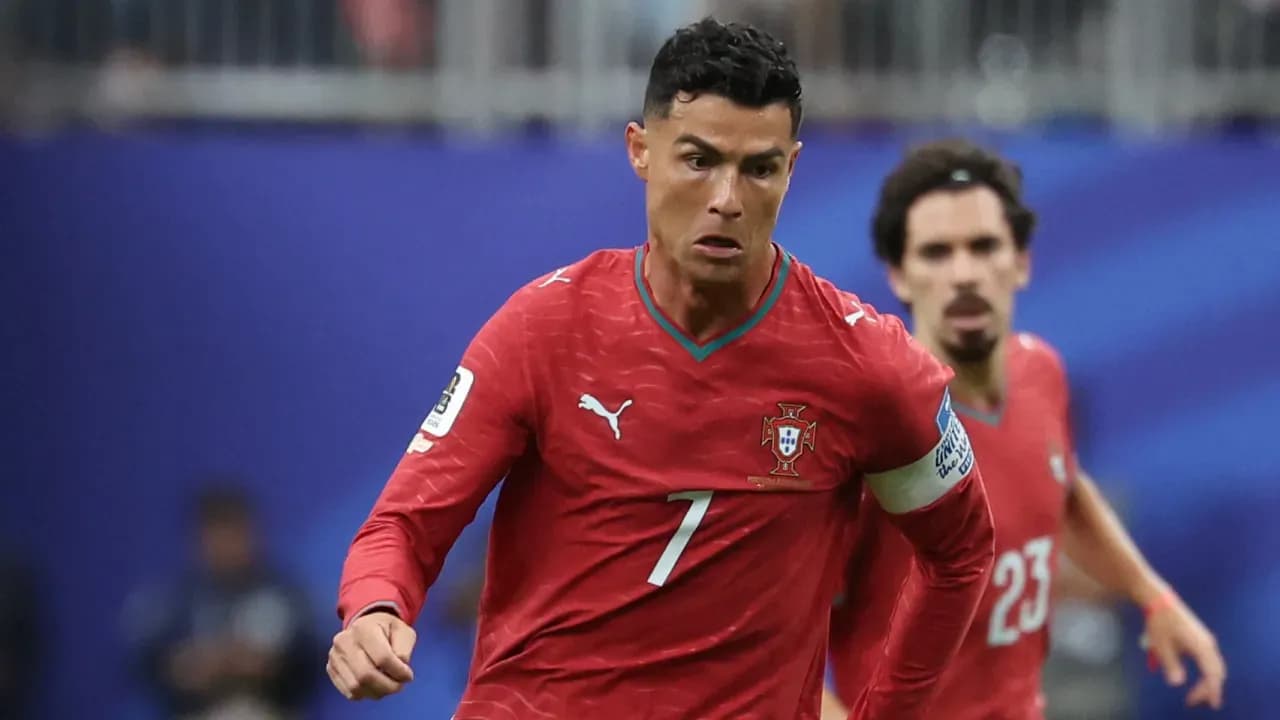
Portugal Announces Squad for 2026 UEFA Nations League; Cristiano Ronaldo Expected to Play

Raphinha Channels Ronaldo Nazario as Barcelona's Leading Striker After Position Change